





Victorian Silver Plated Vessel
A victorian silver plated vessel brings domestic and ecclesiastical metalwork of the nineteenth century to the modern table.
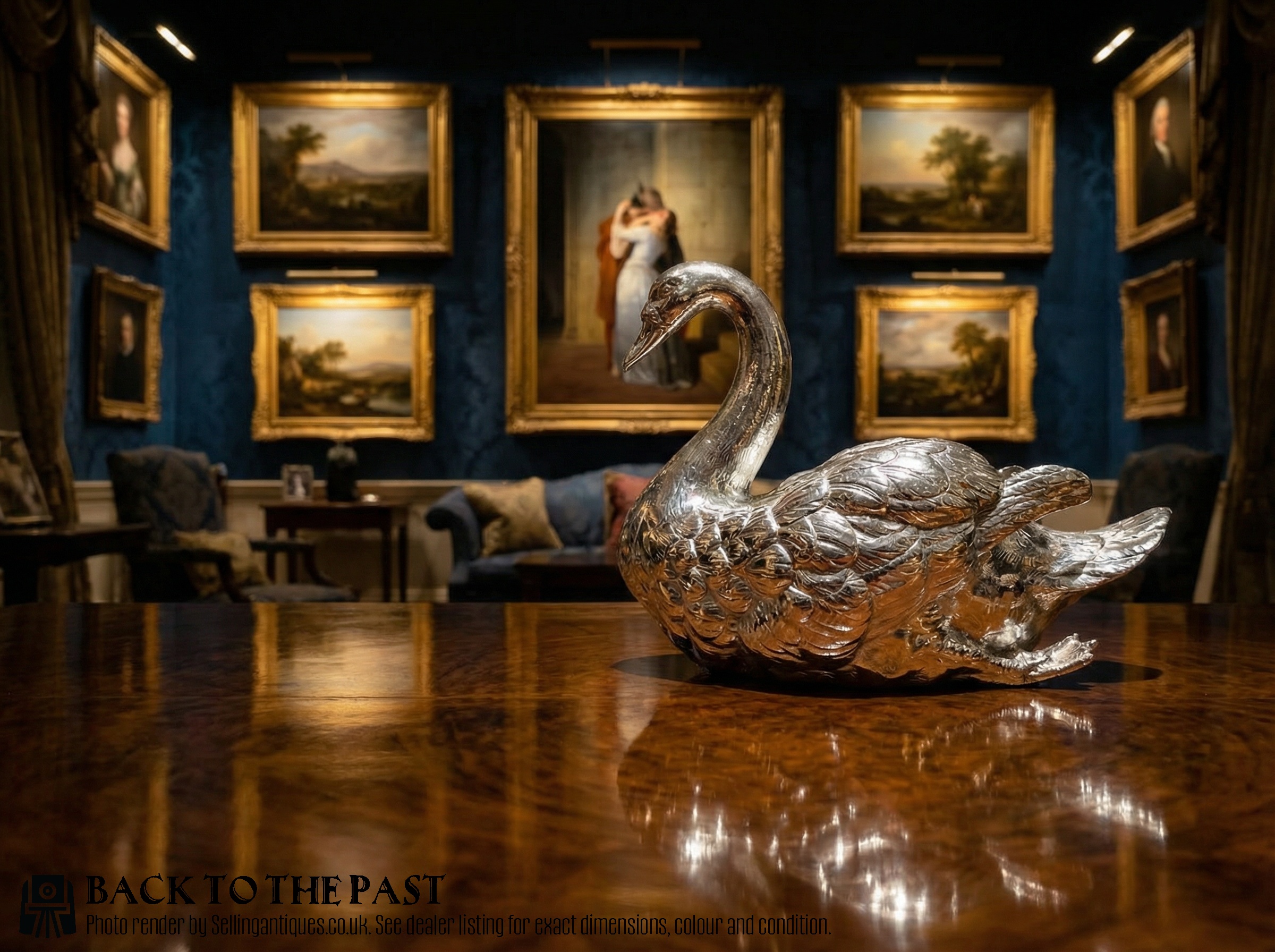
Victorian Silver Plated Vessel
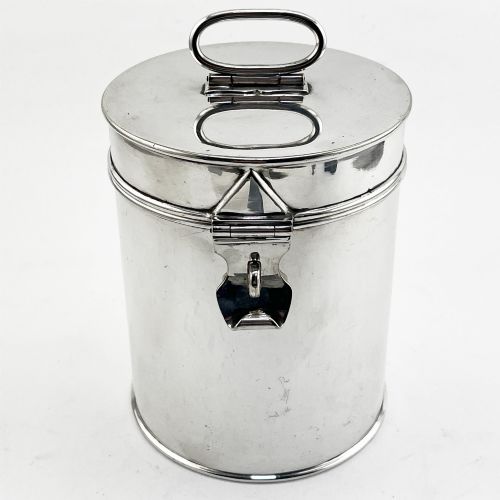
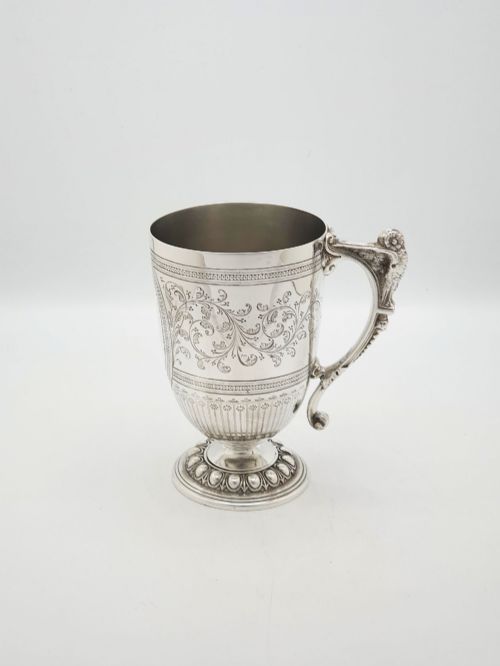
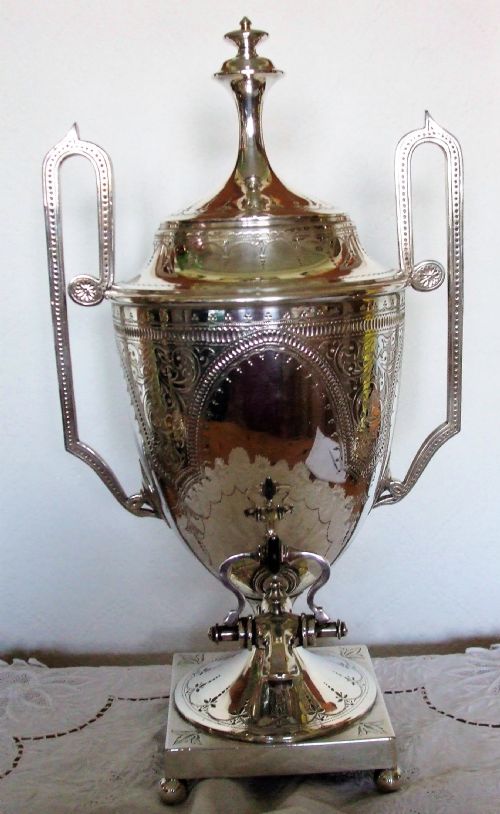
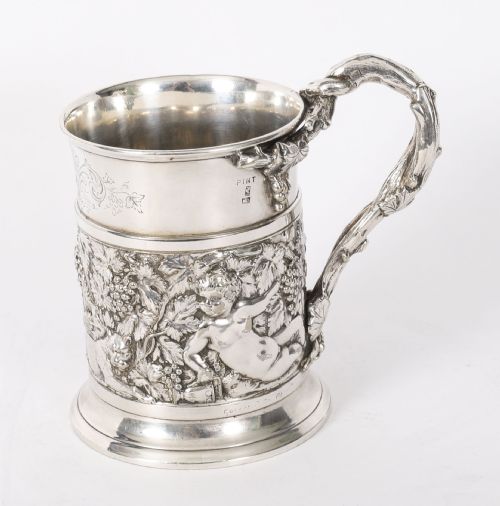
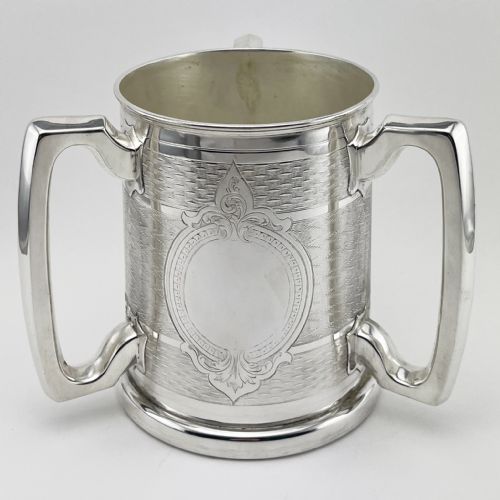
A victorian silver plated vessel encompasses a varied group of nineteenth century metal objects designed for the dining table, sideboard and church interior. The selection includes domestic serveware such as tea urns, coffee pots, gravy warmers and tankards alongside specialist novelties like shell shaped spoon warmers.
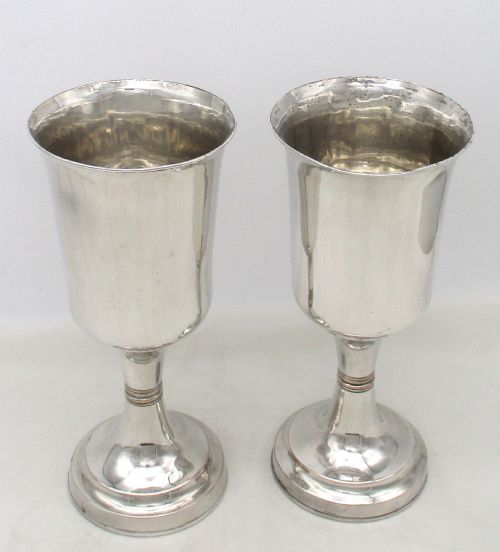
Church chalices, communion jugs and ecclesiastical sets also appear within this category, reflecting the era's output in both domestic and religious silver plating. Many pieces date from the mid to late nineteenth century, spanning styles from Gothic revival to naturalism.
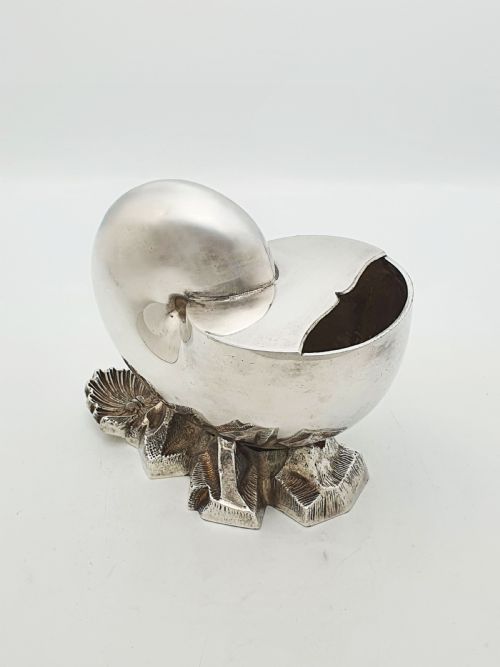
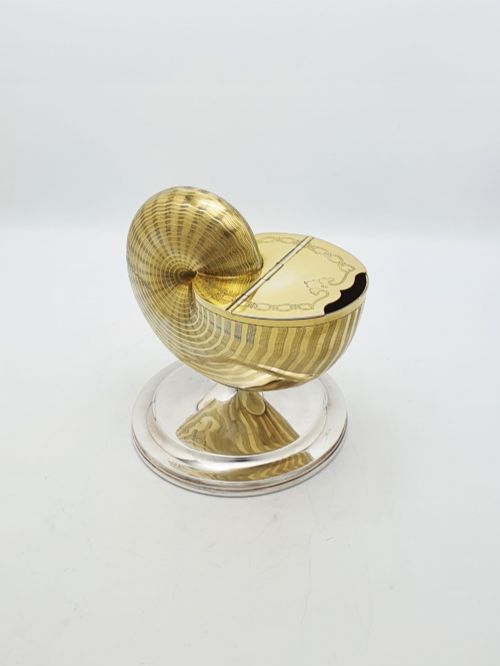
Buyers most frequently encounter table serveware and novelty spoon warmers fashioned into shells, marine buoys or shoes. These items demonstrate the Victorian taste for inventive and practical design executed in plated metals.
Materials and construction
Makers utilised base metals such as copper, nickel silver, and electroplated nickel silver as foundations for a protective coating of silver. Older pieces often rely on the Old Sheffield plating technique, fusing a thin sheet of silver to a copper base.
Later nineteenth century items frequently employ electroplating, a chemical process that deposited an even layer of silver over white metal or nickel silver alloys. Many vessels incorporate decorative elements including embossed and engraved surfaces, cast handles, and cut glass components.
Victorian Silver Plated Vessel Retail Price Guide 2026
Typical asking prices for victorian silver plated vessel among the pieces listed under this phrase on Sellingantiques today, from the lower quarter to the upper quarter. They describe what is for sale here now, not the wider market.
Materials recorded across the inventory include silver plate, copper, nickel silver, electroplated nickel silver, cut glass, and white metal.
Assessing the craftsmanship
Quality in these plated vessels rests upon the crispness of chased and embossed ornamentation and the integrity of the underlying metalwork. Items featuring hand engraved crests, substantial cast mounts, and well preserved gilding interior linings demonstrate superior initial manufacture.
The durability of the silver layer and the balanced weight of the piece distinguish standard production from finer workshop output. Maker marks from established firms indicate higher standards of design and heavier gauge metal foundations.
G R Collis·Walker and Hall·Padley Parkin and Staniforth·Thomas Bradbury·Mappin and Webb·Elkington Mason·Fenton Brothers·Boardman Glossop and Co
The Victorian Silver Plated Vessel Glossary
- Old Sheffield Plate
- A composite material made by fusing a sheet of silver to a copper ingot before rolling them into sheets. This early technique often reveals traces of copper along exposed edges.
- Electroplate
- A method of depositing silver onto a base metal using an electrical current and a silver cyanide bath. This process replaced Old Sheffield plating during the nineteenth century.
- EPNS
- An abbreviation for electroplated nickel silver, a common base alloy used beneath a silver coating. It provides a durable and rigid foundation for holloware.
- Spoon Warmer
- A specialised Victorian table vessel designed to hold hot water and keep serving spoons warm during meals. They frequently take imaginative shapes such as marine shells or buoys.
- Samovar
- A heated metal urn used to boil and heat water for tea. These large vessels often feature spigots and ornate handles.
Victorian Silver Plated Vessel: Frequently Asked Questions
What is a spoon warmer?
A spoon warmer is a Victorian tabletop vessel designed to hold hot water for warming silver spoons prior to serving course dishes. They often appear in whimsical shapes such as shells, shoes, and marine buoys.
These pieces sat on the dining table or sideboard during formal meals as both decorative talking points and practical dinner service accessories.
How do I clean silver plate?
Silver plate requires gentle cleaning with a specialist silver cloth or a mild, non abrasive silver polish. Avoid harsh scrubbing that can wear through the thin silver layer to the base metal underneath.
Regular, careful dusting and minimal washing preserve the original finish and any applied gilding inside vessels like chalices and mugs.
What is Old Sheffield Plate?
Old Sheffield Plate is an early composite material created by fusing a thin layer of sterling silver to a copper core. The fused metal was then beaten and rolled into sheets for crafting holloware.
Under magnification or along worn edges, the reddish copper base metal often shows through the silver surface, helping to identify this specific eighteenth and nineteenth century technique.
How were argyle warmers used?
An argyle is a gravy or sauce warmer featuring a central internal cylinder or compartment designed to hold hot water or a heated iron core. This kept gravies warm at the table without diluting the contents.
They were utilised during formal nineteenth century dining to ensure rich sauces maintained their ideal temperature throughout extended meals.