



Victorian Silver Spoon Warmer
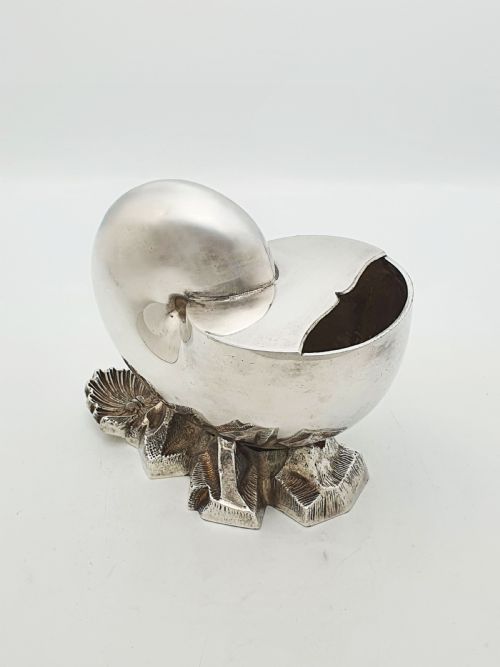
A Victorian silver spoon warmer brings remarkable Victorian dining theatre to the table, designed to keep heated water inside and ladles warm for guests.
Victorian Silver Spoon Warmer
A Victorian silver spoon warmer is a specialised piece of dining tableware created to keep serving spoons warm before guests used them for gravy or sauces. These items appear across the decades of the period, from the eighteen sixties through the eighteen nineties.
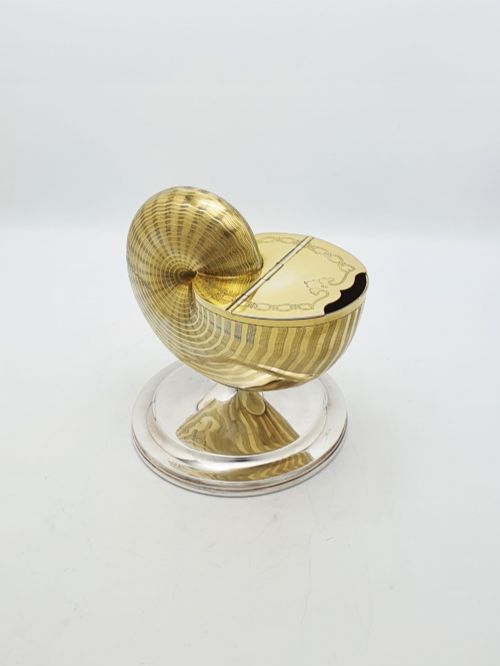
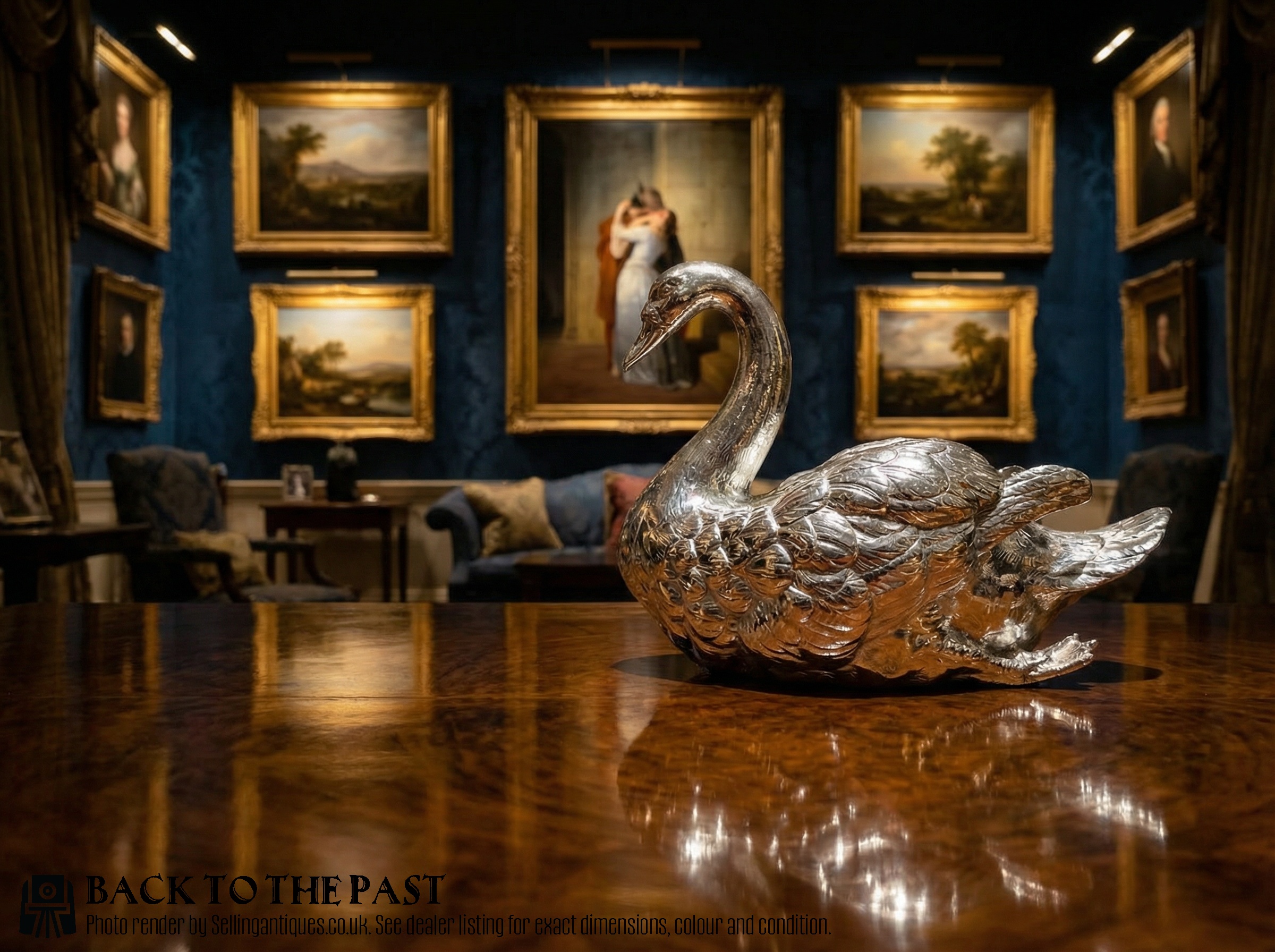
The most common form by far is the marine shell, particularly the nautilus, alongside conch and whelk shapes. Novelty designs also emerge in the records, taking the shape of marine buoys, shoes, and sauce boats.
These whimsical items reflect the Victorian appetite for playful table decoration and conversation pieces during formal meals. Most examples rely on silver plate rather than solid silver, utilising metal alloys and electroplated nickel silver.
Materials and construction
Makers constructed these vessels primarily from base metal alloys coated with a layer of silver, frequently identified as EPNS or electroplated nickel silver. This technique allowed silversmiths to produce sculptural, naturalistic forms at a scale that solid silver would render prohibitively expensive.
Many shell and novelty designs incorporate an internal hot water tank accessed through a hinged lid or opening to maintain the temperature of the spoons. Interior gilding occasionally appears inside the shell bowl, providing a striking contrast against the bright exterior silver plate.
Victorian Silver Spoon Warmer Retail Price Guide 2026
Typical asking prices for victorian silver spoon warmer among the pieces listed under this phrase on Sellingantiques today, from the lower quarter to the upper quarter. They describe what is for sale here now, not the wider market.
The records show pieces originating across four distinct decades, spanning from eighteen sixty to eighteen ninety.
Judging quality and design
Quality in these pieces rests primarily on the crispness of the casting and the naturalism of the form, whether executing the delicate ribs of a nautilus shell or the intricate details of a marine buoy. Stronger examples display convincing anatomical or mechanical proportions rather than a flat, generalized shape.
The sophistication of the maker's hand separates standard production items from masterworks designed by notable firms. Well-executed hinged components, sturdy inner water reservoirs, and retained interior gilding elevate an example above simpler domestic tableware.
Christopher Dresser·Atkin Brothers·William Hutton and Son·Roberts and Belk·Henry Wilkinson and Co
The Victorian Silver Spoon Warmer Glossary
- EPNS
- Electroplated nickel silver. This designates a base metal alloy coated with a thin layer of silver through an electrolytic process.
- Silver Plate
- A term for base metal objects covered in a layer of genuine silver. It dominated Victorian tableware production.
- Gilt Metal
- Metal that has been coated with a thin layer of gold or gold wash. It often highlights the interior compartments of these vessels.
- Naturalism
- A nineteenth-century artistic style that embraced realistic depiction of flora and fauna. Shell designs on tableware derive directly from this movement.
- Novelty
- An object shaped into an amusing or unusual form unrelated to its practical function. These items include shoes, buoys, and shells.
Victorian Silver Spoon Warmer: Frequently Asked Questions
How did a spoon warmer work?
These vessels held hot water inside a concealed tank to warm silver spoons before service.
Guests would lift the spoon from the warm shell or container to serve sauces at the dining table.
Were these made of solid silver?
Almost all surviving examples consist of silver plate or electroplated nickel silver over a base metal alloy.
This technique permitted complex shell and novelty shapes without the immense cost of solid silver.
What shapes are most common?
Marine shells dominate the selection, with nautilus, conch, and whelk forms appearing frequently in the records.
Novelty shapes such as shoes, sauce boats, and marine buoys also occur.
How do I date a spoon warmer?
Stylistic clues and registration marks help narrow the decade of production across the Victorian era.
Most recorded examples date from the eighteen sixties through the eighteen nineties.