

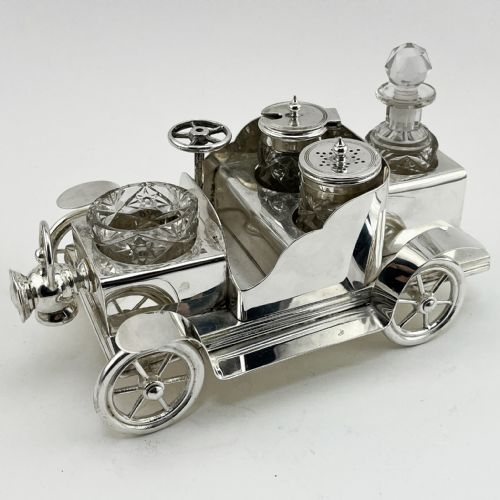


Silver Plated Novelty Tableware
Silver plated novelty tableware brings wit to the dining table through ingenious Victorian and Edwardian figural designs.
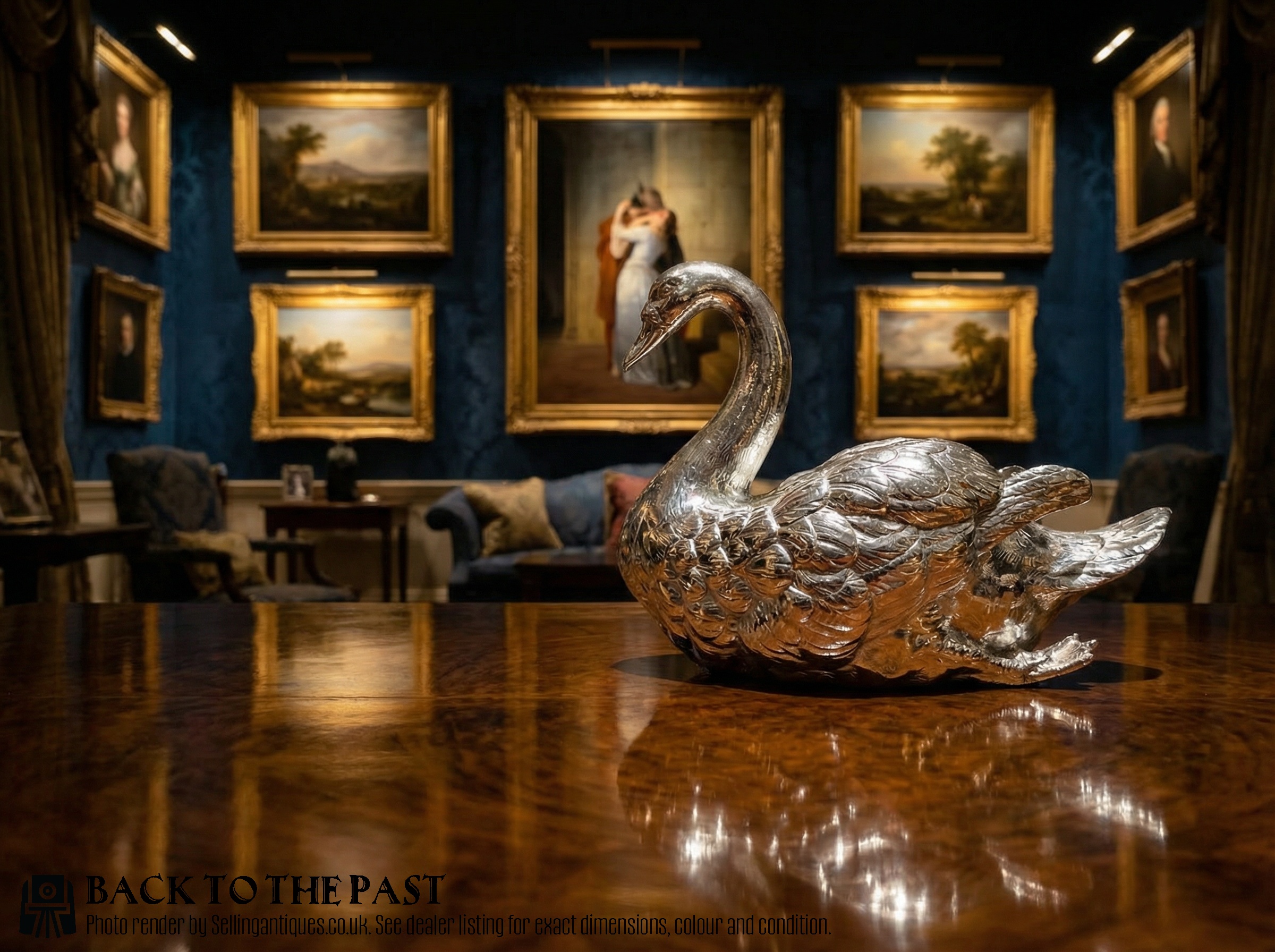
Silver Plated Novelty Tableware
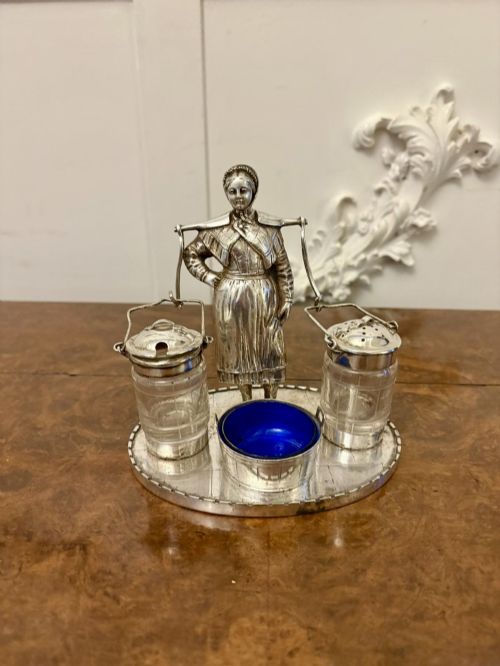
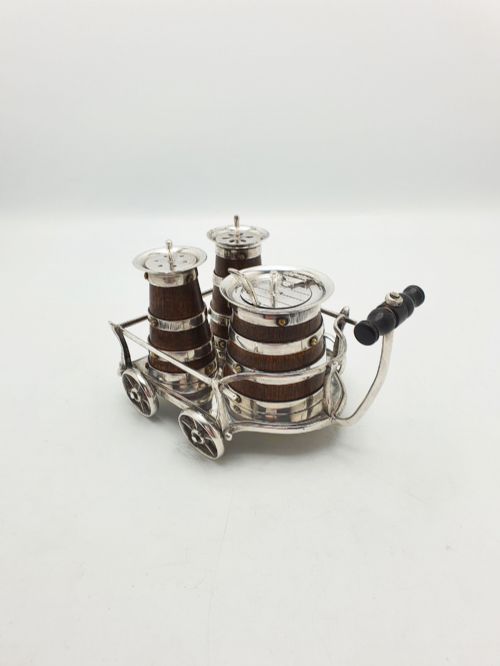
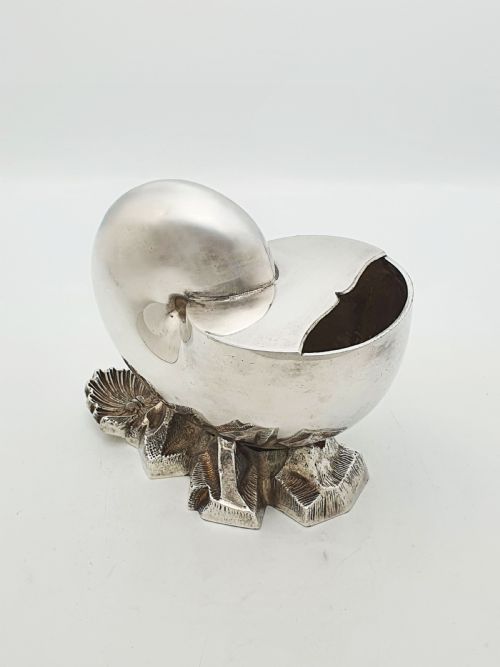
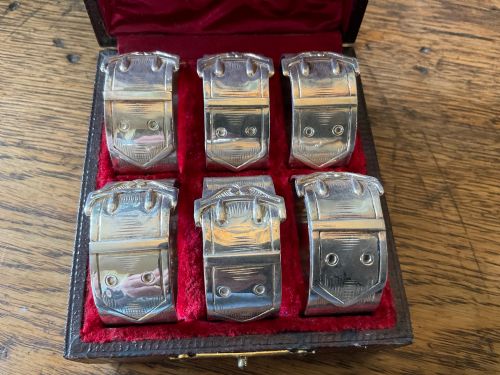
Silver plated novelty tableware encompasses functional dining accessories modelled into playful, unexpected shapes during the Victorian and Edwardian eras. Buyers searching for silver plated novelty tableware will encounter cruet sets, spoon warmers, napkin rings, condiment holders, and toast racks designed as barrels, nautilus shells, vintage cars, farmyards, carriages, wagons, shoes, and stirrups.
The objects combine practical table service with amusing sculptural forms that delighted nineteenth-century diners. Cruet sets and condiment holders frequently incorporate organic materials like oak and walnut alongside silver plate, while spoon warmers take marine and footwear motifs.
What varies in quality
Quality rests upon the crispness of the modelling and the fidelity of the figural shape, distinguishing mass production from superior sculptural work. Pieces that capture anatomical or mechanical details with precision command greater visual presence.
The integration of mixed materials also defines the upper tier, where fitted woodwork, cut glass inserts, and well-preserved silver plate maintain structural and aesthetic harmony. Wear to the silver plating and replacement glass components shift items away from their original state.
Silver Plated Novelty Tableware Retail Price Guide 2026
Typical asking prices for silver plated novelty tableware among the pieces listed under this phrase on Sellingantiques today, from the lower quarter to the upper quarter. They describe what is for sale here now, not the wider market.
Listings feature Victorian and Edwardian pieces spanning from 1870 to 1930, combining silver plate with oak, walnut, cut glass, and brass.
The Silver Plated Novelty Tableware Glossary
- Cruet set
- A matched collection of small bottles, jars, or castors for holding condiments such as oil, vinegar, salt, and mustard. These sets are often housed in decorative frames complete with carrying handles.
- Spoon warmer
- A specialised vessel designed to hold hot water and warm silver teaspoons before they were used with desserts or porridge. In novelty forms, these vessels frequently take the shape of shells or shoes.
- EPNS
- Electroplated Nickel Silver, a common base metal alloy coated with a thin layer of silver through electrolysis. This material formed the structural foundation for the majority of late-nineteenth-century plated table wares.
- Toast rack
- A small metal frame with vertical dividers designed to hold slices of toast upright and prevent them from becoming soggy. Novelty versions incorporate transport motifs like wagons or caravans.
Silver Plated Novelty Tableware: Frequently Asked Questions
What was the purpose of a spoon warmer?
Spoon warmers held hot water to warm silver teaspoons before serving cold foods like ice cream or soft puddings. This prevented the spoon from chilling the food during consumption.
Victorian hosts placed them on the dining table as both practical service items and decorative conversation pieces shaped as shells or boots.
How do I clean antique silver plate?
Clean silver plate gently using a specialised soft silver cloth to remove tarnishing without wearing away the thin metallic coating. Avoid harsh abrasive dips that strip the historic surface.
Store pieces in dry environments away from direct sunlight to minimise ongoing oxidation of the plated finish.
Were these novelty items used daily?
Novelty tableware served primarily during formal dinners, shooting lunches, and seasonal gatherings to entertain guests. Hosts utilised amusing cruets and toast racks to lighten stiff Victorian dining rituals.
Many pieces remained stored in display cabinets or butler's pantries between special household occasions.
How are Victorian pieces dated?
Victorian silver plate is often dated through registration diamond marks or patent numbers stamped directly onto the metal framework. These registry codes reveal the exact year and month the design was protected.
Stylistic cues such as naturalistic shell motifs and rustic oak mounts also help assign items to the 1870s or 1890s.