




Victorian Epns Bowl
These victorian epns bowl pieces bring mid-nineteenth century elegance to the dining table through durable plated metal and refined decorative styling.
Victorian Epns Bowl
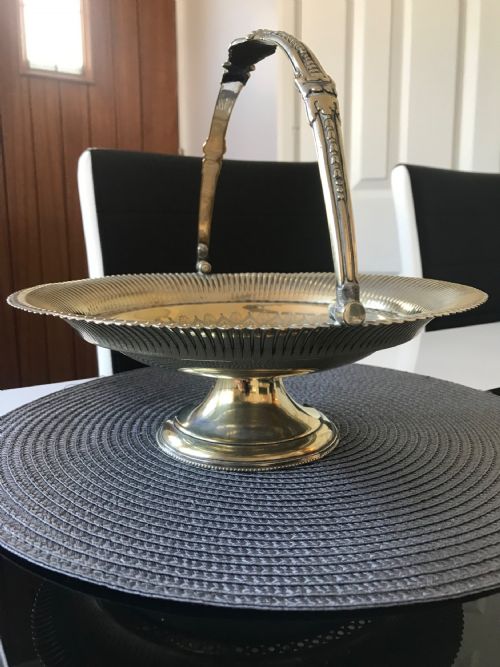
A victorian epns bowl encompasses serving vessels, fruit baskets, and entree dishes produced during the nineteenth century using electroplated nickel silver. These pieces range from simple serving dishes to ornate centrepieces and revolving butter dishes designed for formal dining.
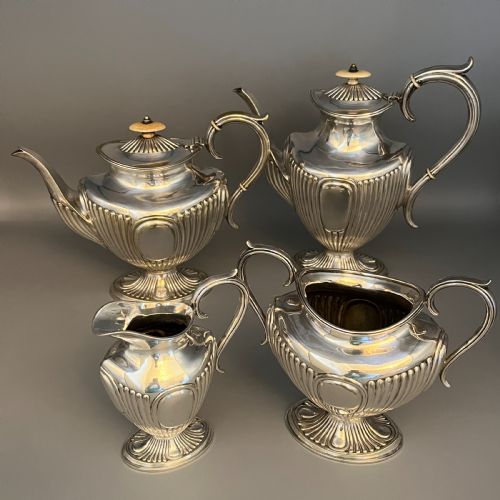
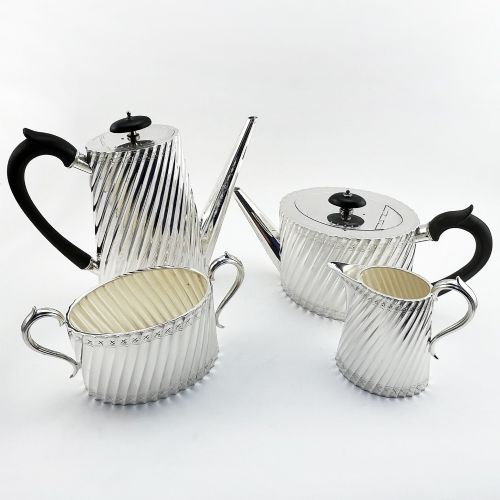
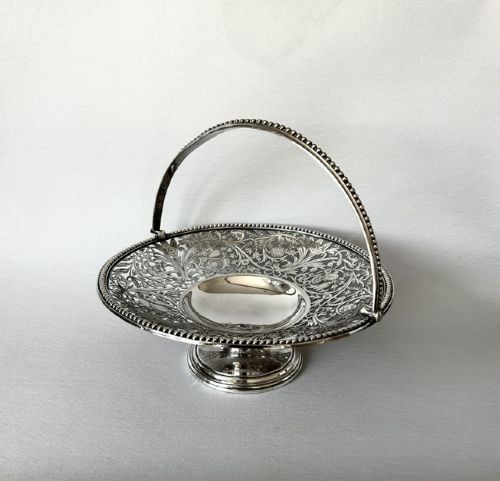
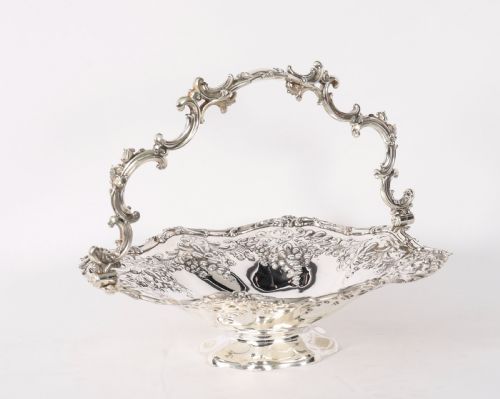
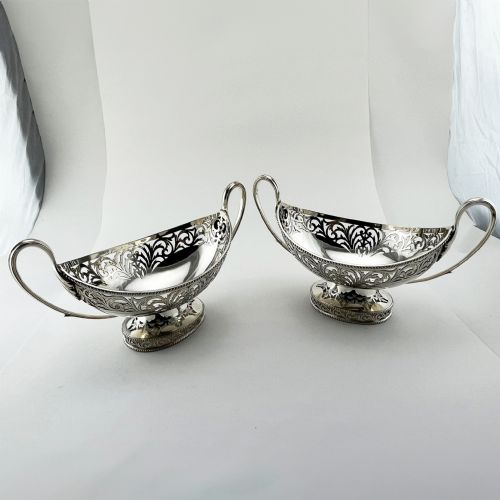
Buyers encounter styles spanning from mid-Victorian rococo revival to neoclassical forms, frequently featuring pierced work, floral engraving, and loop handles. The selection includes handled tureens, punch bowls, and matching tea or coffee sets alongside glass preserve dishes fitted with plated stands.
Materials and Plating Techniques
Manufacturers formed the core structure of these items from base metals such as nickel silver, brass, or standard metal before applying a thin coating of silver through electroplating. This chemical plating method allowed workshops to achieve the lustrous appearance of solid silver at a more accessible cost.
Makers integrated decorative elements including applied gilt highlights, bone components, and cranberry glass inserts held within structured metal stands. Artisans finished surfaces with hand engraving, reeded handles, and pierced scrollwork cut directly into the plated metal.
Victorian Epns Bowl Retail Price Guide 2026
Typical asking prices for victorian epns bowl among the pieces listed under this phrase on Sellingantiques today, from the lower quarter to the upper quarter. They describe what is for sale here now, not the wider market.
Current listings demonstrate that nineteenth-century makers combined silver plate with cranberry glass, bone, and gilt accents.
Factors Distinguishing Quality
The thickness and retention of the silver plating determine the longevity of each vessel, as thinner applications wear down to reveal the base metal underneath. Superior examples maintain an even, bright surface finish across intricate recesses and heavily chased borders.
Craftsmanship in the structural assembly and ornamentation separates standard tableware from masterworks by recognised makers. Crispness in floral engraving, sturdy construction of handles and revolving mechanisms, and the integration of quality glass or bone indicate higher manufacturing standards.
Walker & Hall·Thomas Bradbury·Daniel and Arter·James Dixon·James Deakin
The Victorian Epns Bowl Glossary
- EPNS
- Electroplated Nickel Silver. This acronym denotes a base metal alloy of copper, nickel, and zinc coated with a layer of pure silver.
- Centrepiece
- A large decorative vessel placed in the middle of a dining table. These items often take the form of substantial bowls or elaborate fruit baskets.
- Entree Dish
- A covered serving vessel intended for presenting main courses or side dishes. Pairs of these dishes frequently feature removable handles for versatile usage.
- Rococo Revival
- A decorative style popular during the mid-nineteenth century characterised by asymmetrical scrolls, naturalistic plant motifs, and ornate floral embossing.
- Pierced Work
- Metal pierced with decorative openwork patterns. Artisans cut intricate shapes through the silver plate on fruit baskets and dish rims.
Victorian Epns Bowl: Frequently Asked Questions
How do I clean a silver plated bowl?
Use a soft cloth and a gentle, non-abrasive silver cleaner formulated specifically for electroplated items to preserve the thin metal coating.
Avoid harsh scrubbing and prolonged immersion in water, which can damage any integrated bone components or glass inserts.
Can I use these bowls for serving food?
Most pieces function well for serving dry foods, fruits, or baked goods during dinner parties and family gatherings.
Ensure acidic foods or liquids are not left in contact with older plated surfaces for extended periods to prevent tarnishing.
What does electroplated nickel silver mean?
This material consists of a sturdy base metal alloy coated with a layer of pure silver through an electrical plating process.
It provided nineteenth-century households with the appearance of solid silver tableware at a fraction of the cost.
How do I identify the period of a bowl?
Examine the decorative style, such as rococo revival curves or neoclassical symmetry, alongside any maker marks stamped into the metal base.
Mid-nineteenth century examples often display heavier hand engraving and more elaborate pierced work than later productions.