


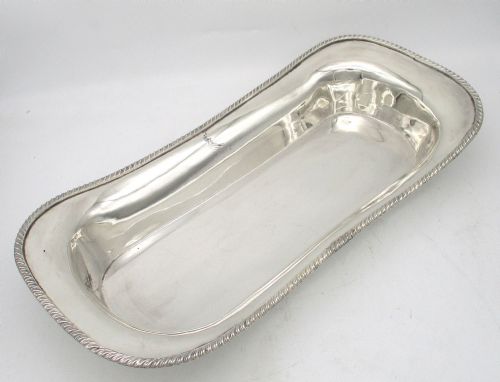

Victorian Silver Plated Tray
A victorian silver plated tray brings a touch of nineteenth-century hospitality to any table, offering generous proportions and gleaming metalwork for serving drinks.
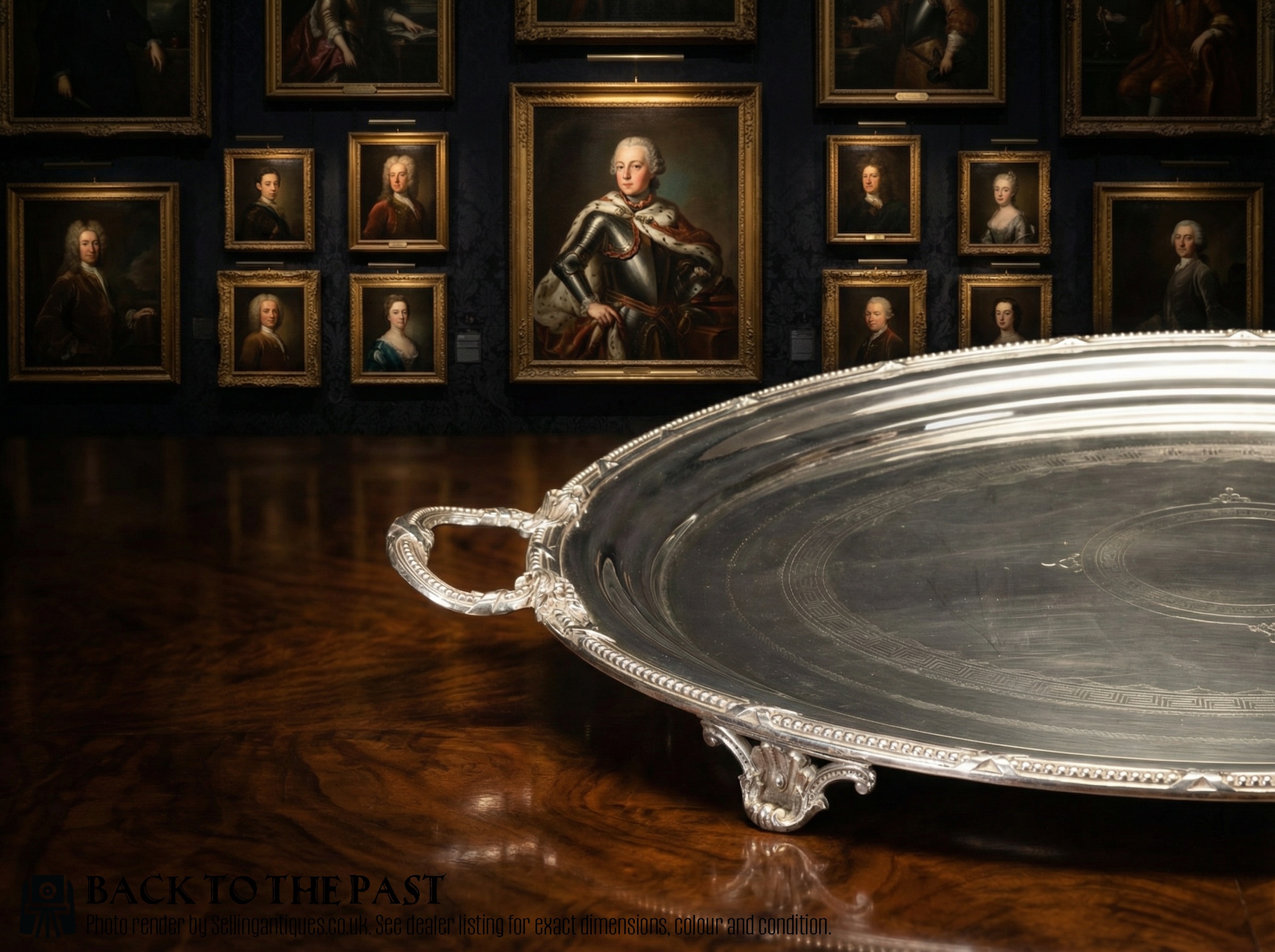
What a victorian silver plated tray is
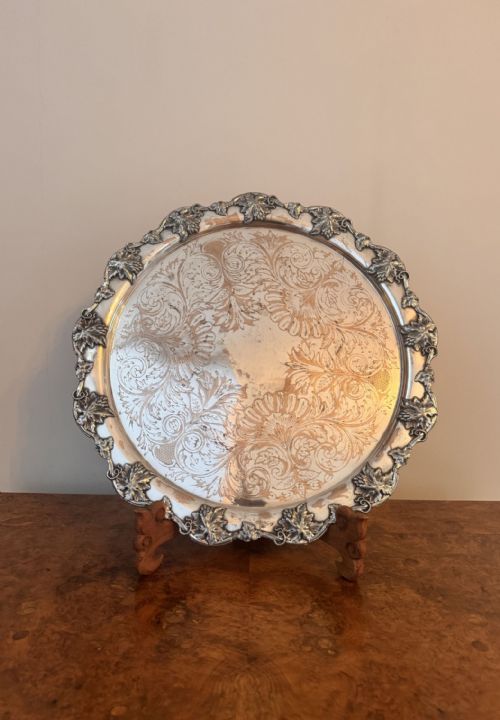
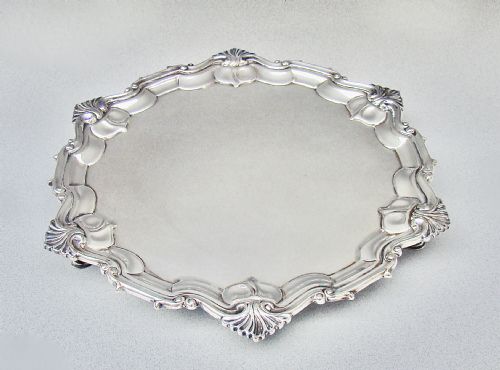
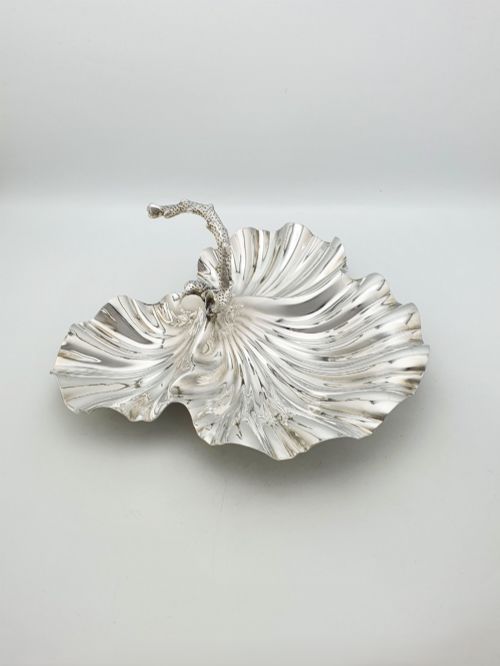
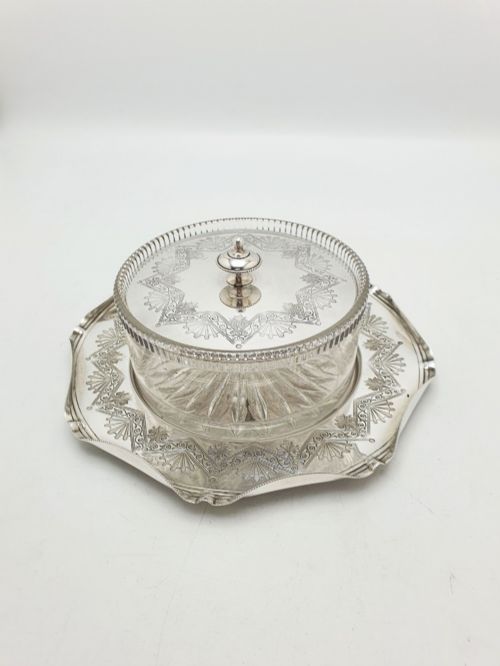
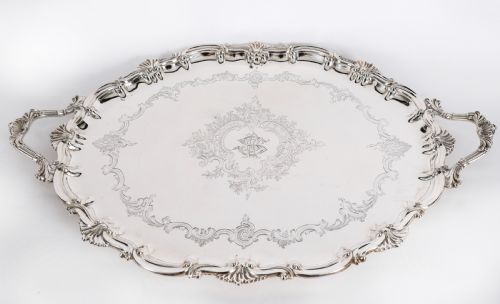
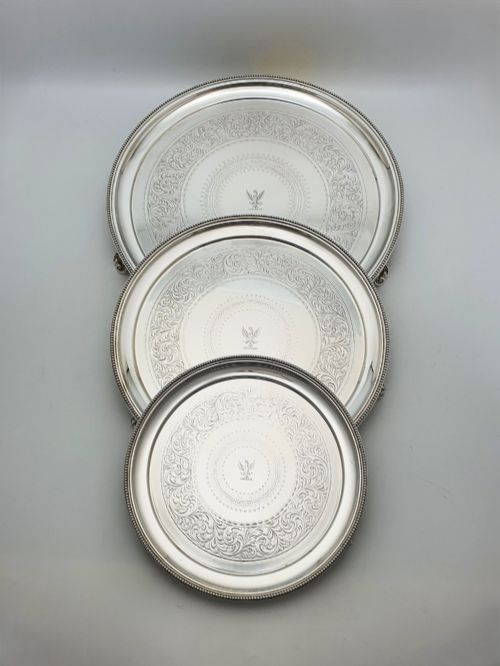
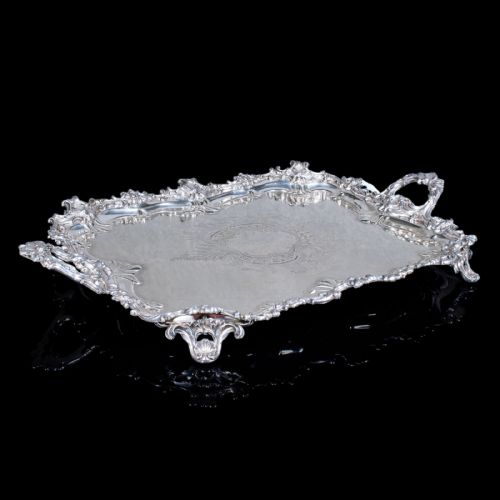
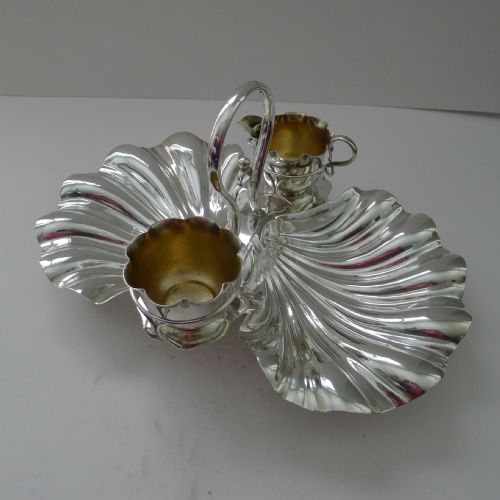
A victorian silver plated tray encompasses serving platters, large butlers' trays, tea trays, and smaller footed salvers originating from the nineteenth century. These pieces served domestic functions in country houses and town homes alike, ranging from substantial tea services to intimate calling card salvers.
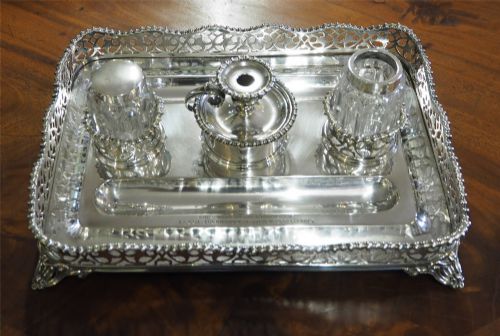
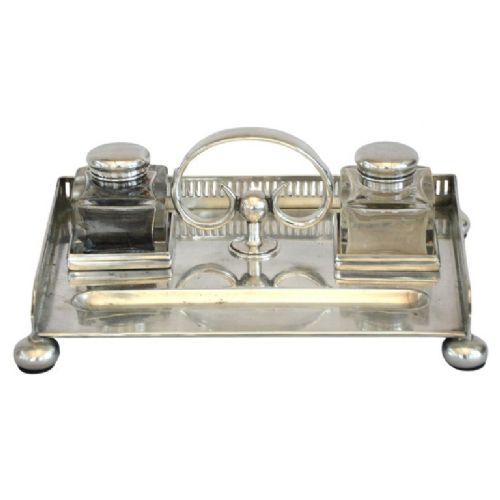
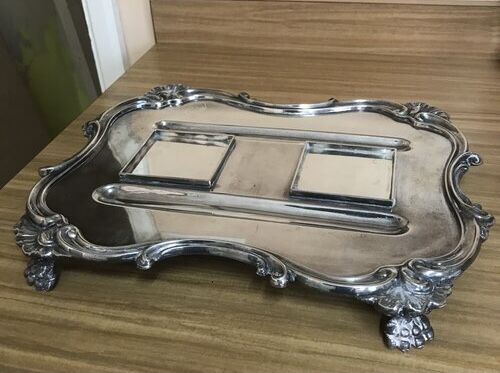
The domestic forms recorded in the archive include oval gallery trays with pierced brass or plated rims, heavy rectangular drinks trays, and specialised pieces such as mazarine draining trays, shaving mugs, and pen trays. Oval serving trays and round footed salvers appear most frequently in the current selection.
How they were made
Makers utilised a base metal substrate, typically a copper alloy or nickel silver, which received a coating of silver through plating techniques developed during the nineteenth century. Artisans combined this durable foundation with applied cast mounts, handles, and gallery rails.
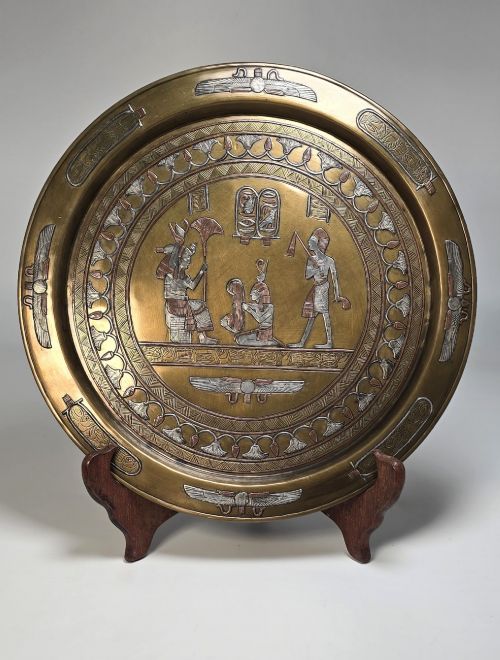
Surfaces were frequently embellished with chased or engraved floral scrolls, neo-classical motifs, and central armorial cartouches. Oak and ebonised wood elements occasionally provided contrasting structural frames or insulated bases for serving warm beverages.
Retail Price Guide 2026
Typical UK retail prices for victorian silver plated tray, calculated from the Sellingantiques database of over a million retail prices indexed since 2003. This retail price guide relies exclusively on Sellingantiques data; no external sources or auction records are used, so the figures do not describe the wider market.
Victorian households utilised specialised silver plate for every conceivable domestic micro-task, stretching from grand tea service down to solitary shaving soap trays.
What varies in quality
Weight and structural rigidity separate substantial tea trays and monumental butlers' pieces from lighter domestic salvers. The thickness of the silver plate over the base metal determines how well the surface resists wear across generations of polishing.
The refinement of cast mounts, handles, and pierced gallery work indicates the workshop standard. Hand-chased detailing executed with depth and precision distinguishes master silversmith production from simpler commercial output.
John Harrison·Elkington & Co·Roberts & Belk·Philip Ashberry & Sons·Lee & Wigfull·Thomas Wilkinson·Atkin Brothers·Walker & Hall·Peters Hamburg
The Victorian Silver Plated Tray Glossary
- Salver
- A flat footed tray used for serving glasses or presenting letters. These round pieces typically stand on three or four small feet.
- Gallery tray
- A tray featuring a raised pierced or solid metal rail around its perimeter. This decorative border kept items from sliding off during transport.
- Mazarine
- A perforated insert used within a draining tray for food service. It allowed juices to collect beneath the surface.
- Base metal
- The underlying alloy, commonly copper or nickel brass, that supported the outer silver coating. It provides the core structural strength.
- Elkington
- The pioneering Birmingham firm that commercialised electroplating on a mass scale. Their factory marks denote significant manufacturing importance.
Frequently Asked Questions
How do I clean my tray?
Clean silver plate gently using a dedicated cream and a soft cloth to avoid wearing through the thin metal layer to the base metal beneath. Regular light maintenance prevents tarnish build-up without requiring abrasive scrubbing.
Store the tray away from direct sunlight and damp environments to protect any integrated wooden elements such as oak bases or ebonised handles.
Can I use these for drinks?
These pieces were originally designed for serving tea, wine, and spirits in nineteenth-century households. Their durable construction makes them well suited for contemporary drinks service.
Ensure moisture is wiped from the surface promptly after use to protect both the silver plate and any underlying base metal from staining.
How do I date a piece?
Examine the style of decoration, such as neo-classical motifs or Victorian floral chasing, alongside any maker marks stamped into the metal. Registration kitemarks or manufacturer stamps often provide specific decade attribution.
Construction methods, including the transition from early fusion plating to nineteenth-century electroplating techniques, help narrow the period of manufacture.