
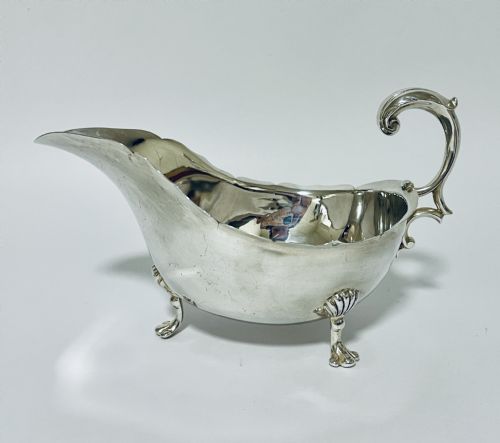
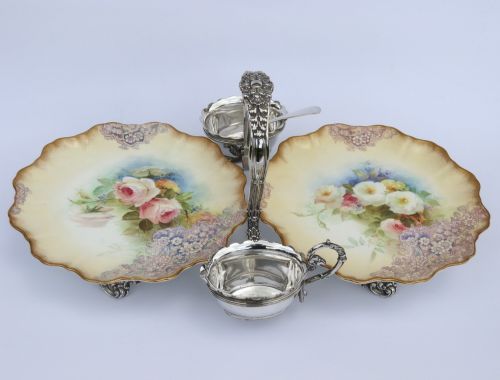

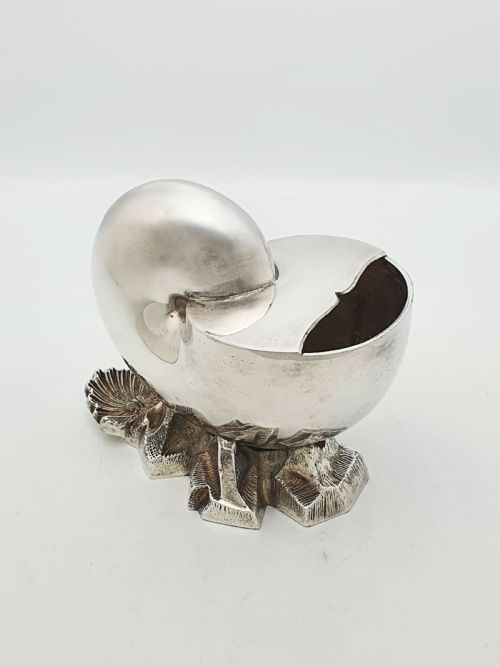
Victorian Silver Plated Tableware
Victorian silver plated tableware brings functional elegance to the dining table through durable metalwork combined with glass and ceramic elements.
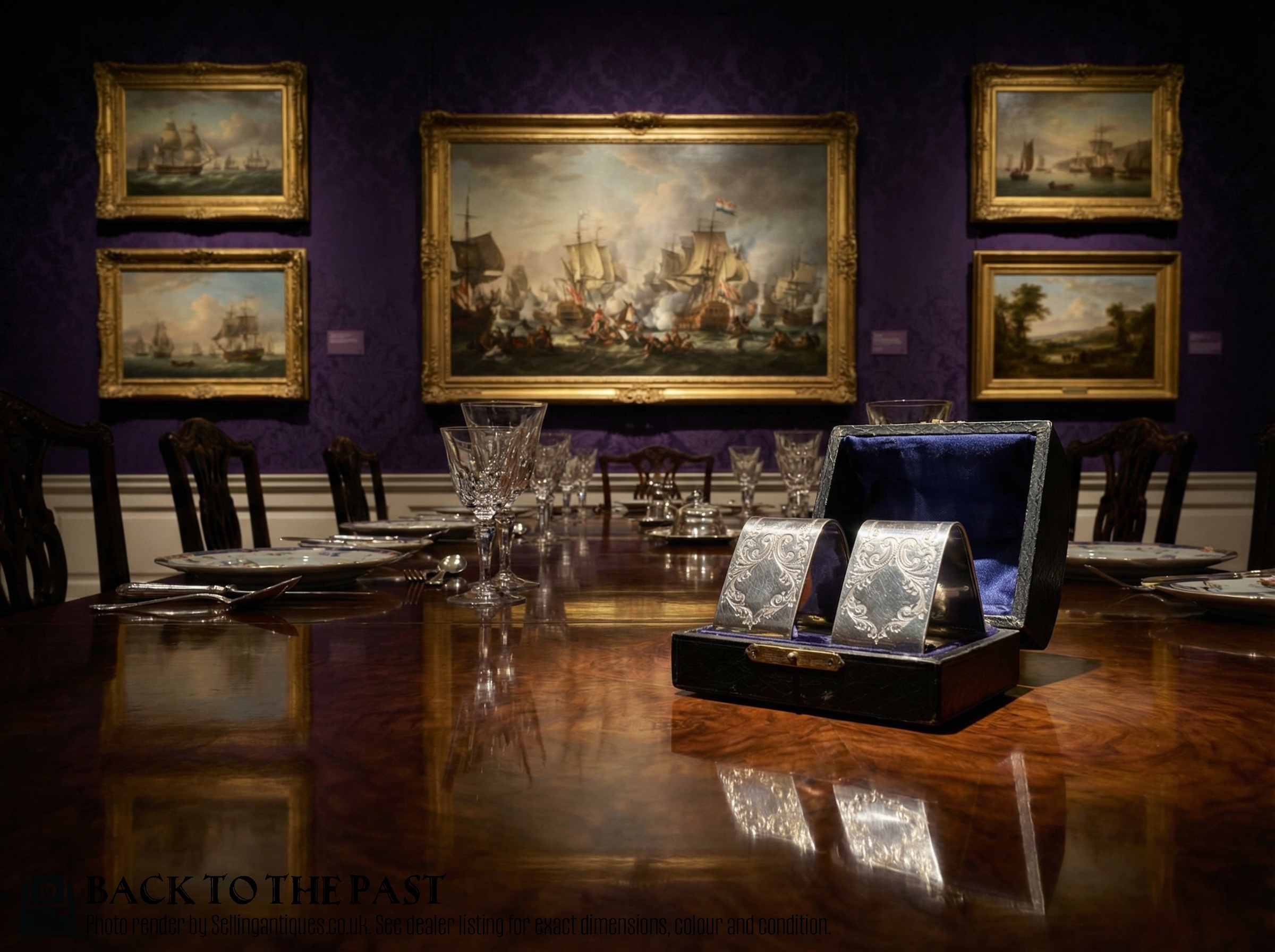
Victorian Silver Plated Tableware
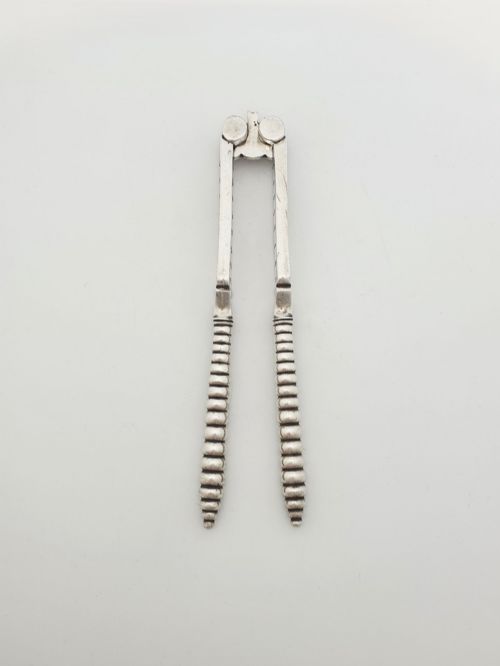
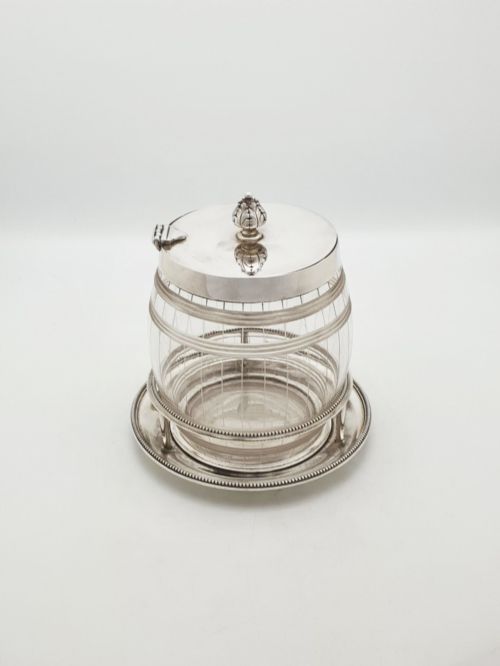
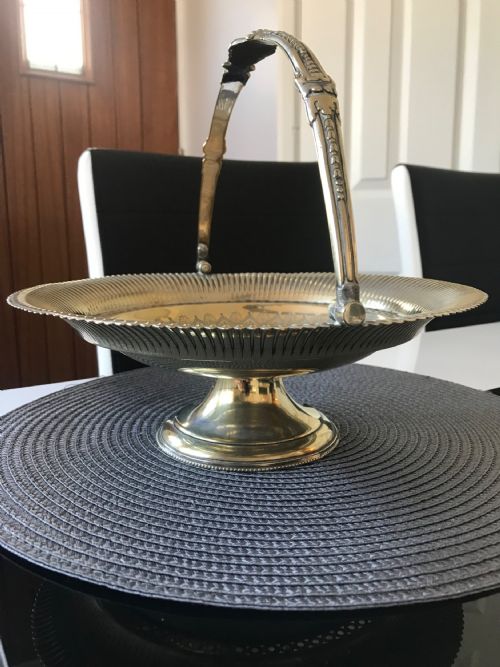
Victorian silver plated tableware encompasses diverse dining items created during the nineteenth century and the Edwardian period, ranging from toast racks and biscuit barrels to cruet sets and spoon warmers.
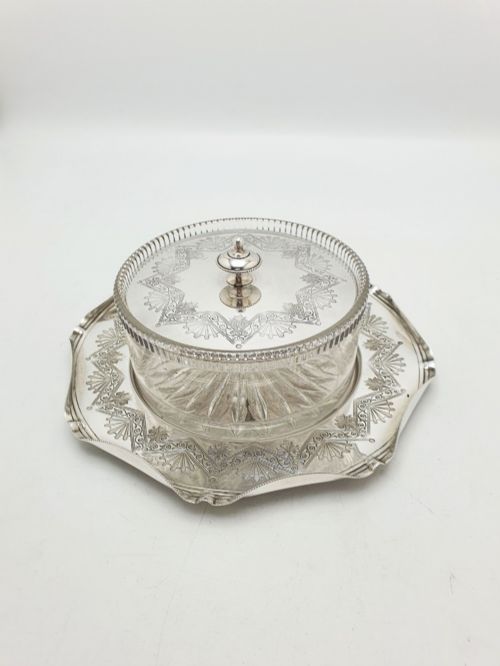
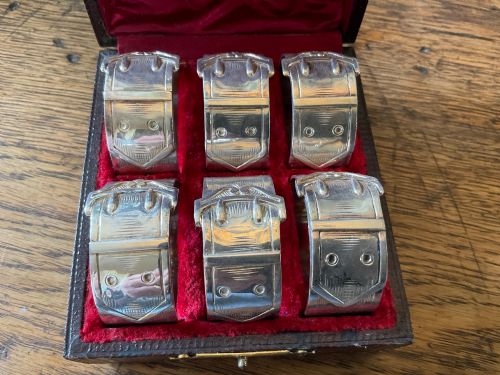
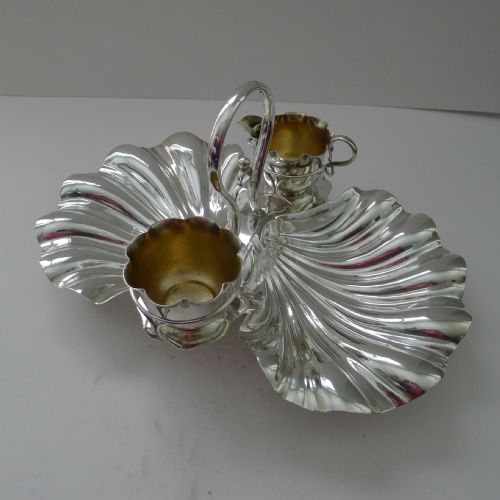
Buyers meet practical serving pieces like butter dishes with glass liners, sauce boats, and napkin rings alongside novelty items modelled as animals or shells.
These objects reflect the dining habits of the period, providing specific vessels for condiments, desserts, and breakfast service.
Materials and Construction
Makers utilised electroplated nickel silver as a base metal, applying a layer of silver over sturdy alloys to achieve the appearance of solid silver at a lower cost.
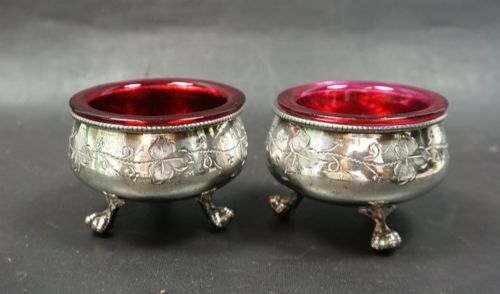
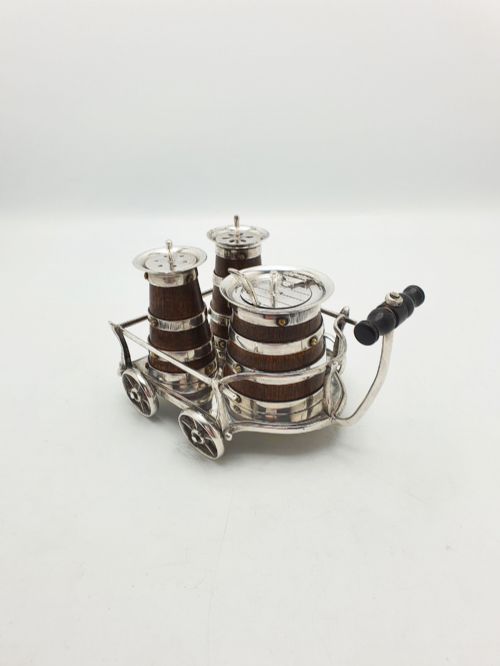
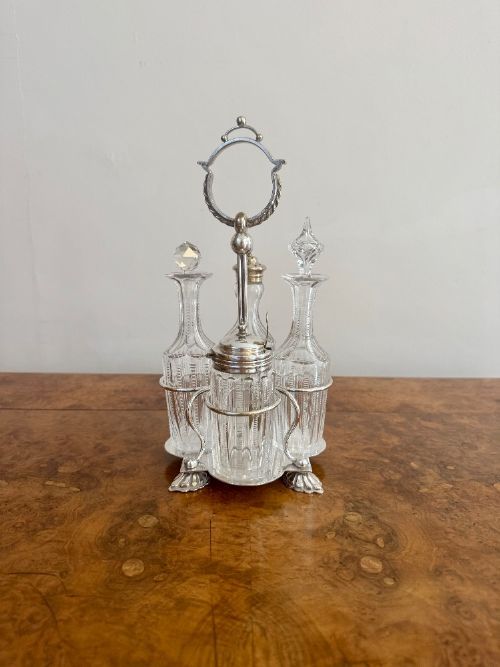
Many serving pieces incorporate cut glass, cranberry glass, or ceramic liners such as Jasperware and majolica, held within pierced metal frames or wirework stands.
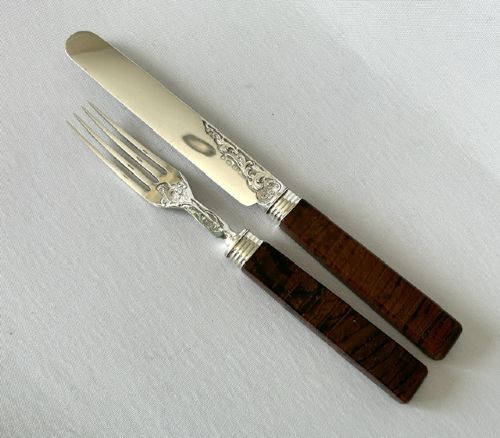
Complemented by organic materials like oak and walnut, these items combine metalwork techniques with fitted glass and wood elements.
Listings feature items spanning the Victorian period, the Edwardian era, and the nineteenth century, incorporating cut glass, wood, and cranberry glass.
Standard and Execution
The standard of a piece depends on the crispness of its chasing, the complexity of its design, and the integrity of its plated surface over the base metal.
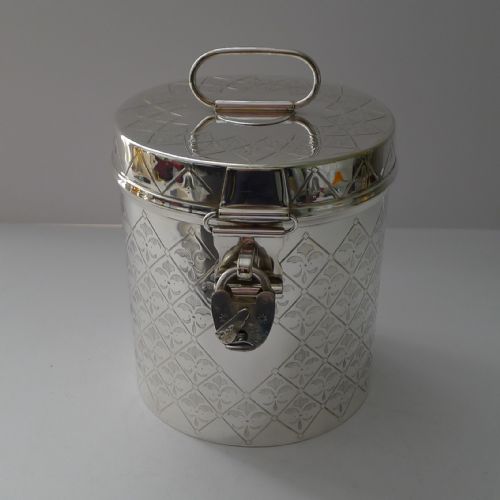
Excellence appears in specialised forms such as locking mechanisms on biscuit boxes, hand-painted ceramic plates within dessert sets, and detailed figural casting on napkin rings or knife rests.
Well-preserved liners in contrasting cranberry glass or majolica enhance the overall integrity of complete serving sets.
Elkington·Mappin and Webb·Daniel Arter·Walker and Hall·Doulton Burslem
The Victorian Silver Plated Tableware Glossary
- Electroplated nickel silver
- A base alloy of copper, nickel, and zinc coated with a thin layer of pure silver through an electrical process.
- Biscuit barrel
- A covered container designed specifically for storing dry biscuits or crackers on the Victorian dining table.
- Cruet set
- A matched collection of bottles or containers holding condiments such as mustard, pepper, oil, and vinegar, typically mounted in a frame.
- Spoon warmer
- A specialised vessel filled with hot water to keep serving spoons warm during the consumption of soup or gravy.
- Toast rack
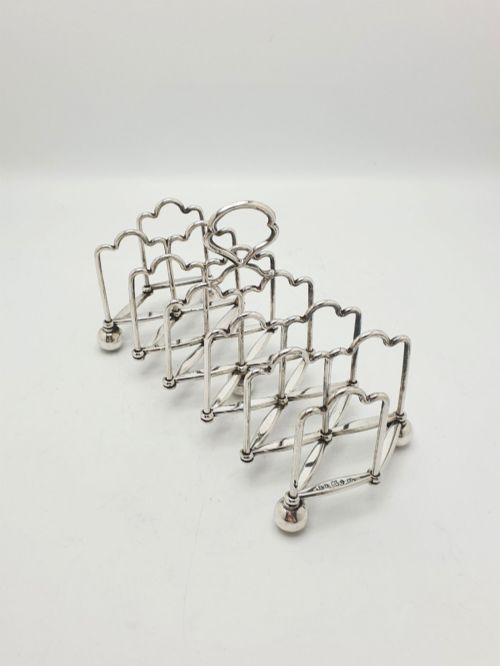
- A metal frame fitted with vertical dividers designed to hold slices of toast upright and prevent them from becoming soggy.
Victorian Silver Plated Tableware: Frequently Asked Questions
What is victorian silver plated tableware?
These items are dining and serving accessories produced in Britain during the nineteenth century using an electroplating technique on base metals.
They include functional objects like toast racks, cruet sets, and biscuit barrels designed for formal or everyday Victorian dining.
How do you clean silver plate?
Cleaning requires a soft cloth and a gentle silver polish formulated specifically for plated items to avoid wearing away the thin silver layer.
Harsh scrubbing and abrasive dips should be avoided, particularly on pieces with glass liners, wooden stands, or painted ceramic components.
Were these pieces used daily?
Households utilised these metal and glass serving items across various meals, from elaborate dinner parties to everyday family breakfasts.
Their durability made them practical for regular use while maintaining an impressive appearance on the dining table.
How do I identify Edwardian pieces?
Items from the Edwardian period often feature lighter, Neoclassical-inspired designs and specific hallmarks or maker marks associated with the early twentieth century.
Comparing stylistic motifs with dated Victorian examples helps distinguish the manufacturing era of the tableware.