
Victorian Silver Plate Stand
A victorian silver plate stand brings polished metal and cut glass together on the dining table, offering both utility and decorative presence.
Victorian Silver Plate Stand
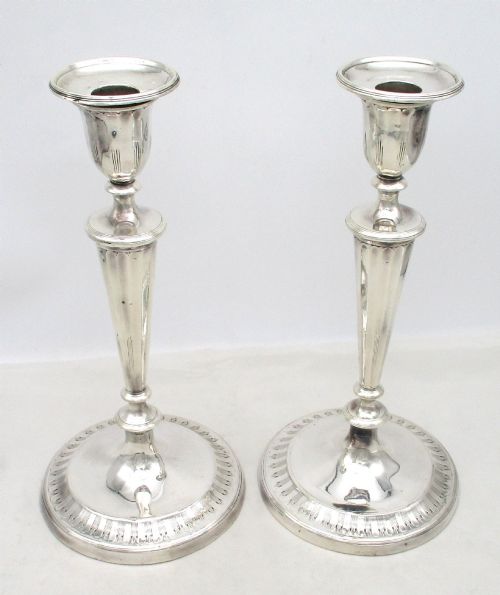
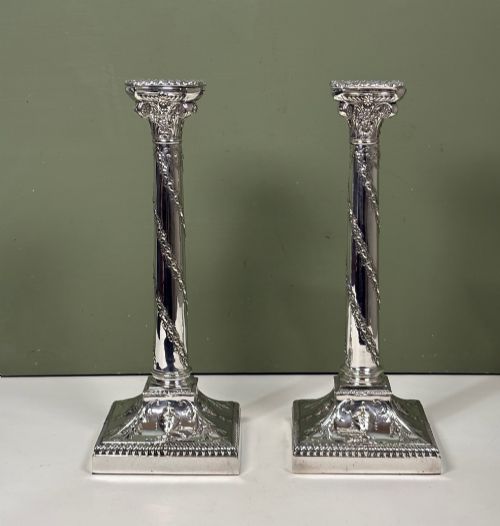
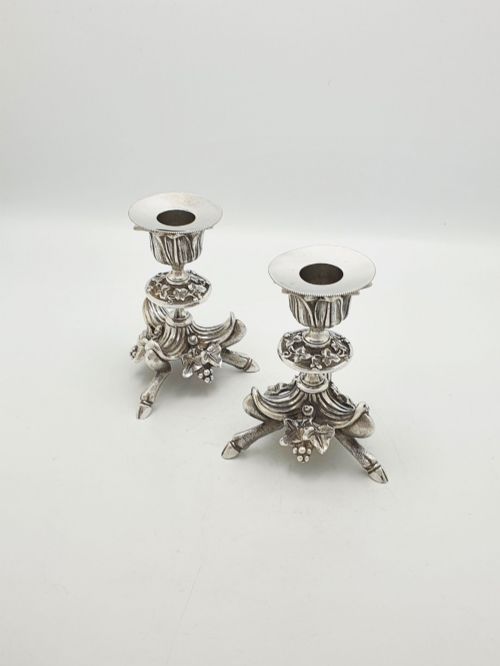
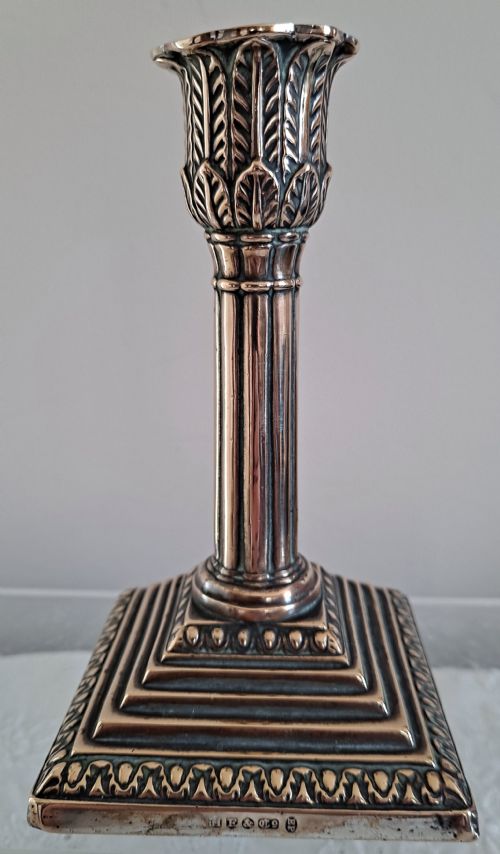
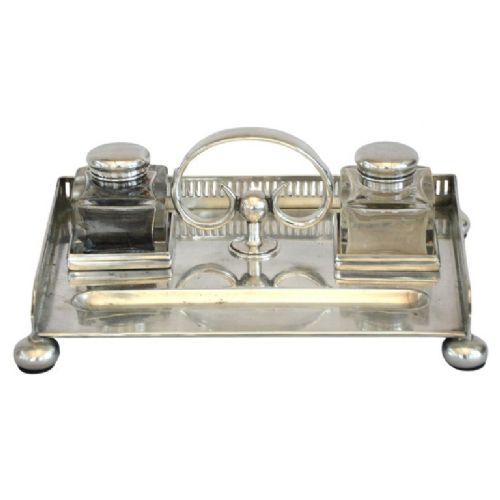
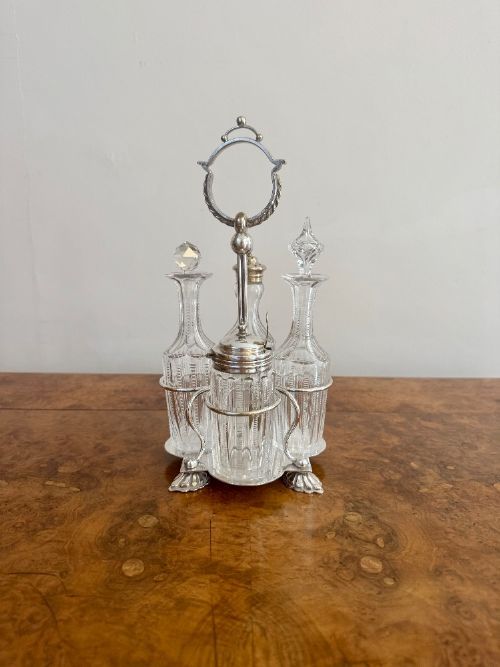
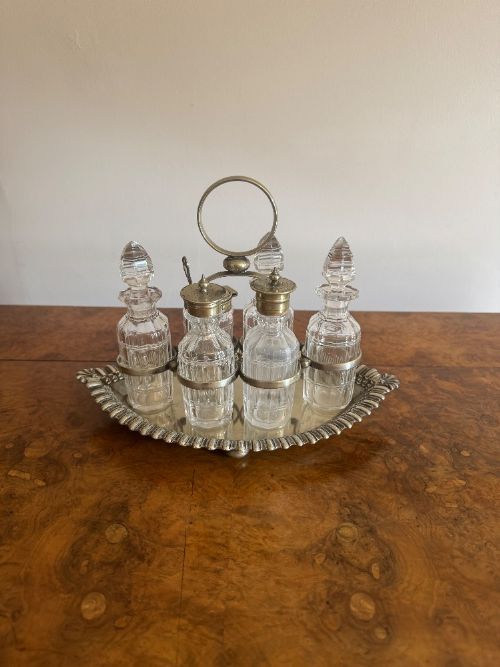
A victorian silver plate stand encompasses a diverse group of functional metalwork designed to hold bottles, glassware, or candles during the nineteenth and early twentieth centuries. Pieces range from tabletop candlesticks and desk inkstands to complex cruet sets and spirit kettles.
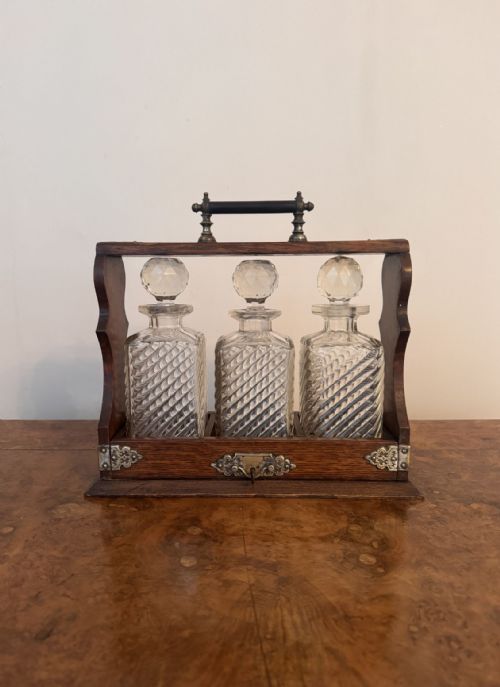
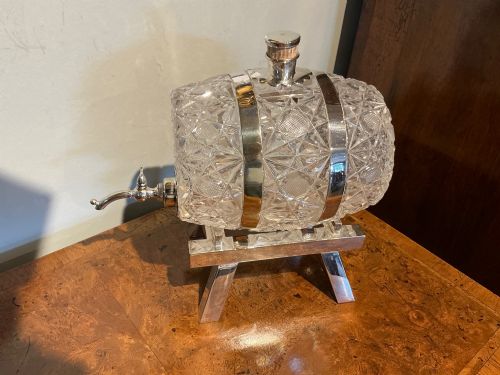
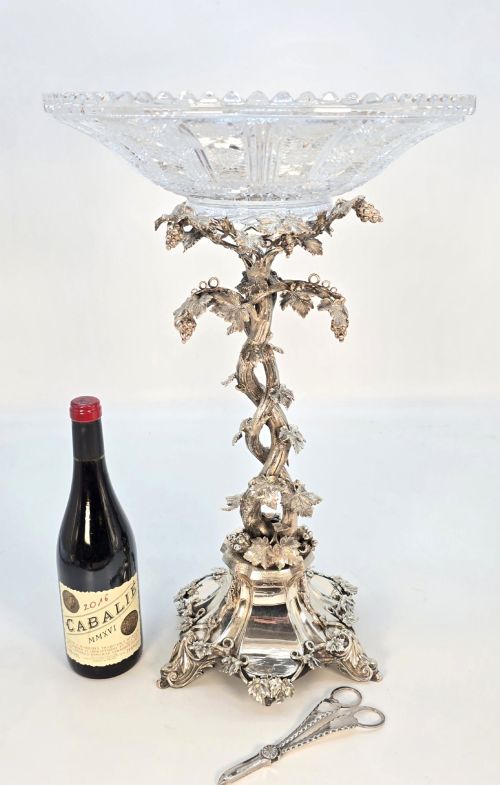
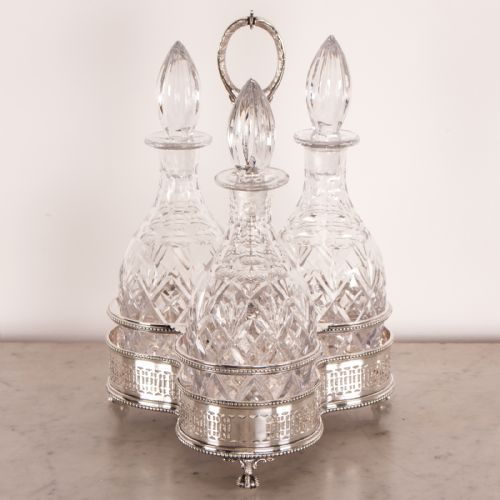
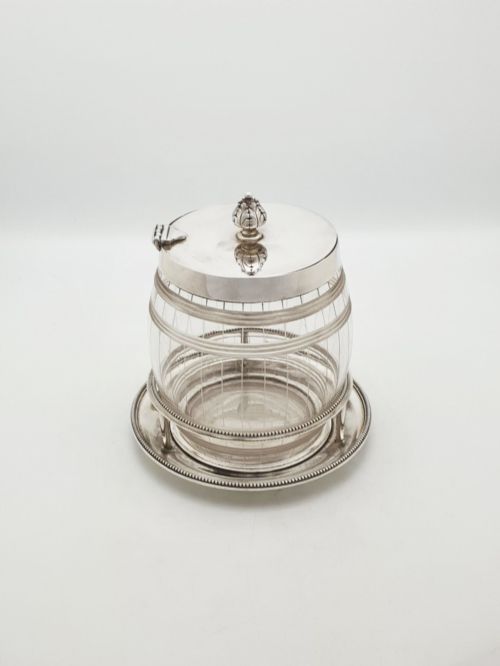
The selection frequently includes table centrepieces, decanter frames, and biscuit barrels mounted in metal frames, reflecting formal dining habits of the period. Makers combined plated metal with cut crystal, amber glass, and oak to create durable domestic items.
How they were made
Makers utilised electroplated nickel silver and Sheffield plating techniques to apply a layer of silver over base metals like brass. This provided the appearance of solid silver at a lower production cost.
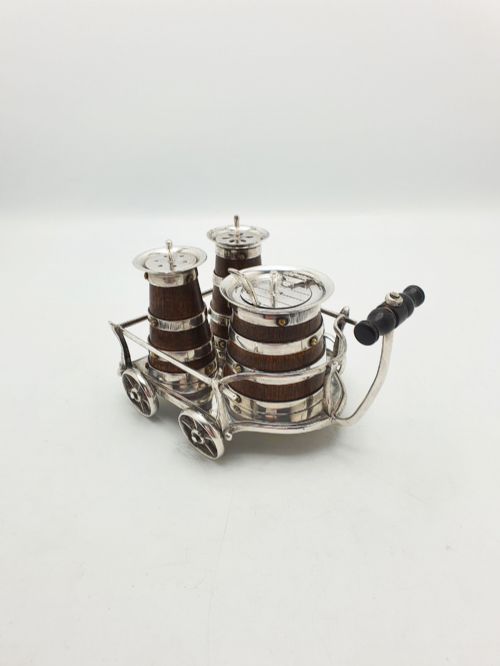
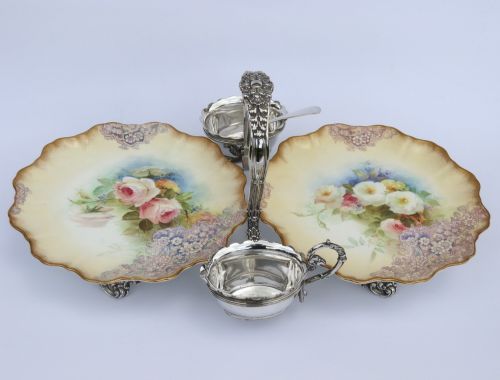
Complicated forms combined metal mountings with fitted glass inserts such as cut crystal decanters, cranberry glass bowls, and vaseline glass dishes. Oak and walnut timber components were frequently integrated into desk accessories and bottle frames.
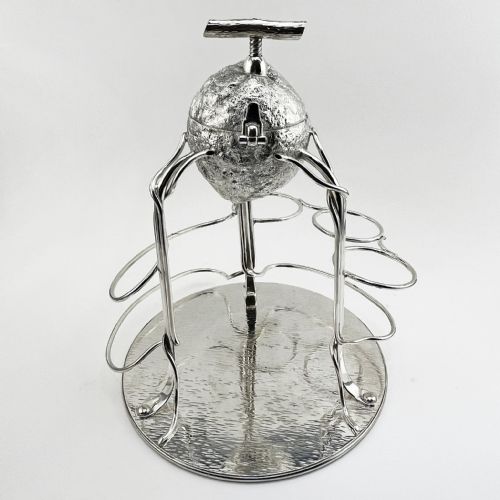
Novelty designs include stands shaped like a standing donkey, a vintage car, and a butler holding bottles.
What varies in quality
The weight and thickness of the underlying metal frame dictate the structural stability and durability of each piece. Heavier castings allow for deeper engraving, crisper Rococo or Neoclassical ornamentation, and sturdier joints.
The integration between the metal frame and its glass component signals overall standard. Superior items feature hand-cut crystal, perfectly fitted glass liners, and maker marks from established silversmiths.
Walker and Hall·Elkington and Co·Hukin and Heath·Mappin Brothers·John Grinsell and Sons·Henry Wilkinson and Co
The Victorian Silver Plate Stand Glossary
- Electroplated nickel silver
- A method of depositing a layer of silver onto a nickel silver base using electrical current. This technique became widespread during the Victorian era for manufacturing tableware.
- Cruet set
- A collection of glass bottles or cruets for holding condiments such as oil, vinegar, salt, and pepper, fitted into a dedicated metal stand. Sets vary from simple two-bottle arrangements to larger framework holding six or seven vessels.
- Tantalus
- A locking beverage stand that secures decanters within a metal frame to prevent unauthorized access to the contents. The framework typically holds two or three cut glass bottles.
- Spirit kettle
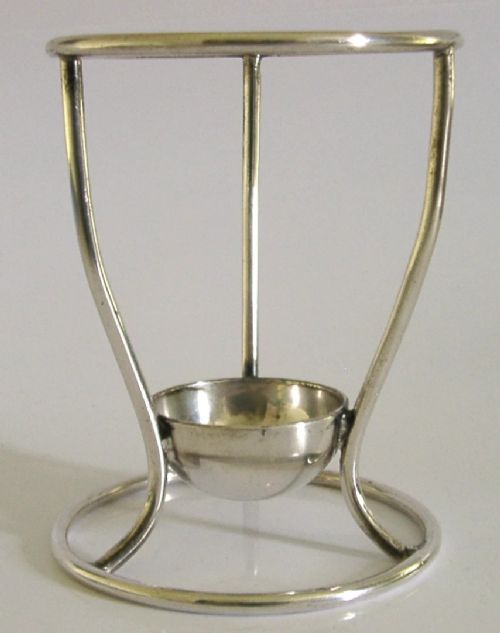
- A portable metal water kettle suspended above a small burner on a matching stand. They were used at the tea table to maintain boiling water for brewing.
- Sheffield plate
- An older manufacturing process where a thin sheet of silver was fused to a copper core by heat and pressure. It predates standard electroplating methods.
Victorian Silver Plate Stand: Frequently Asked Questions
How do I clean tarnished silver plate?
Use a soft cloth and a gentle silver polish formulated specifically for plated items. Avoid aggressive scrubbing that can wear through the thin silver layer to the base metal underneath.
Take care around fitted glass or wooden components to prevent moisture damage during cleaning.
Were these stands used daily?
Many items, such as desk inkstands and cruet sets, served practical daily functions in middle and upper class Victorian households. Others were reserved for formal dining and entertaining guests.
Matching glass inserts and original condiment bottles often indicate how completely a set was utilised.
How can I identify the period?
Stylistic clues such as Neoclassical motifs, Rococo Revival scrolls, or heavy oak mounts offer broad chronological markers. Maker marks stamped into the metal provide more precise dating.
Design registrations and patent numbers often narrow the manufacturing window to specific decades.
Can I use missing glass inserts?
Finding exact replacement glass for antique frames requires patience because period dimensions vary significantly. Many collectors search for period-appropriate cut glass or cranberry glass bowls to complete empty stands.
Measurements of the inner collar help determine compatibility with loose vintage glassware.