




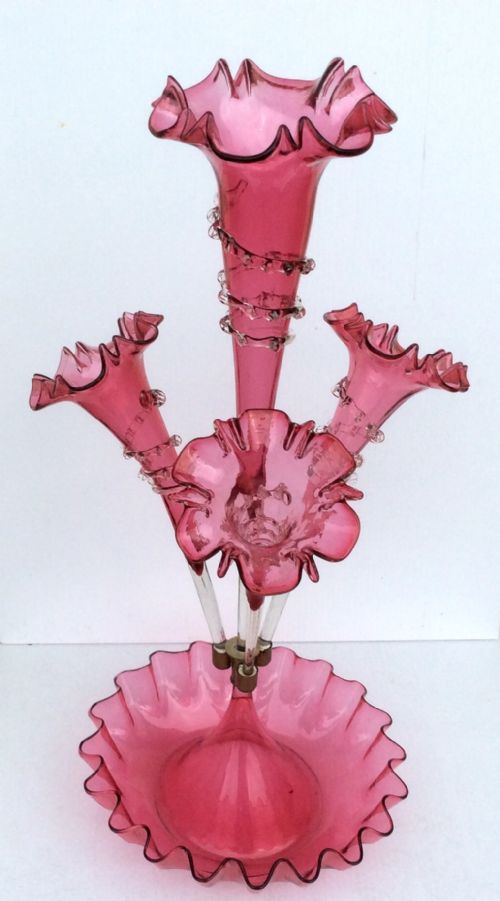

Cranberry Glass Centerpiece
These striking cranberry glass centerpiece items bring a rich flush of crimson and ruby colour to a table, prized for their vibrant glasswork and decorative mounts.
Cranberry Glass Centerpiece
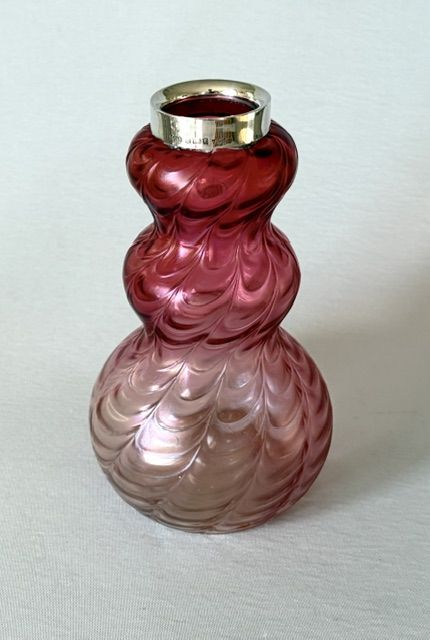
When you search for a cranberry glass centerpiece, you encounter items designed to anchor a dining table or sideboard with strong colour and form. The selection on this page centres on pieces from the nineteenth century and the Edwardian era, spanning the 1860s through to 1910.
How they were made
The glass relies on the addition of gold to the molten batch to achieve its characteristic deep pink, cranberry, or ruby hue. Once blown or shaped, pieces often feature frilled rims, gilding, or applied clear glass details.
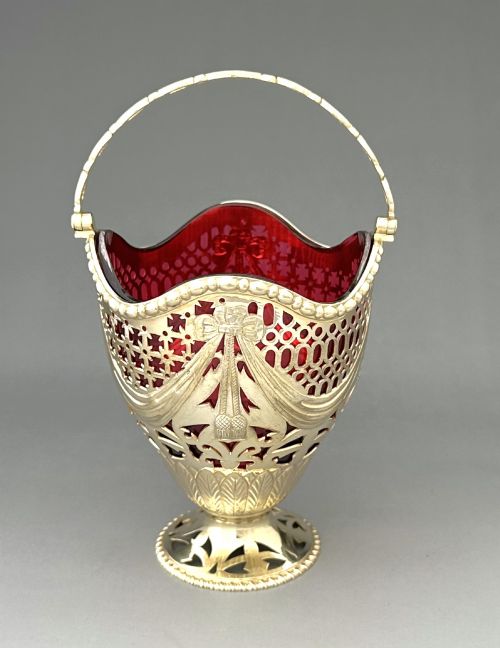
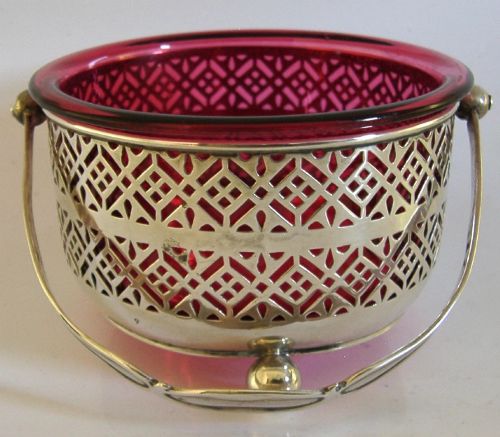
Metal mounts and stands use traditional techniques such as piercing, casting, and plating to frame the glass vessels. Swing handles and fitted frames hold liners securely, combining structural metalwork with delicate blown glass.
Cranberry Glass Centerpiece Retail Price Guide 2026
Typical asking prices for cranberry glass centerpiece among the pieces listed under this phrase on Sellingantiques today, from the lower quarter to the upper quarter. They describe what is for sale here now, not the wider market.
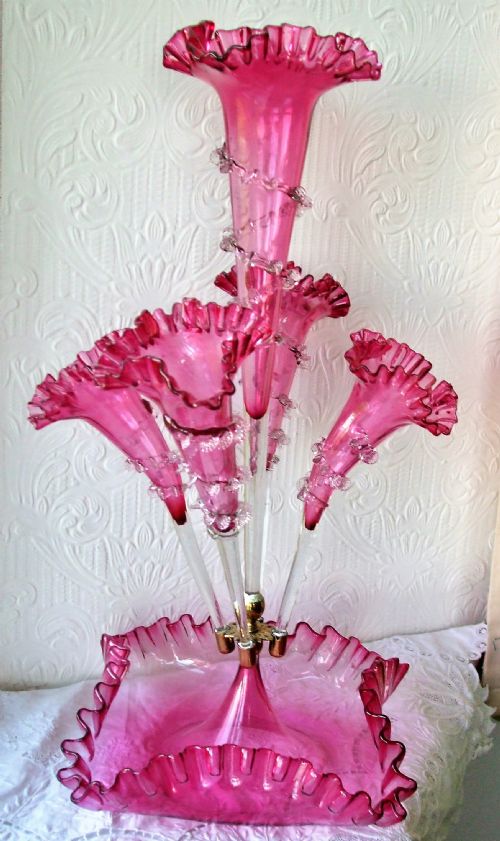
Some epergnes feature tiny hanging baskets that dangle precariously like glass fruit, daring you not to admire the balance.
What varies in quality
The depth and evenness of the colour in the glass distinguish standard production from finer examples. Richness of tone, combined with crisp execution in frilled rims and applied decoration, marks out superior pieces.
The quality of the accompanying metalwork, whether silver-gilt, sterling silver, or silver-plated brass, influences the overall standard. Pierced baskets and cast frames with refined detail elevate the piece beyond simpler designs.
The Cranberry Glass Centerpiece Glossary
- Cranberry Glass
- A type of transparent glass coloured with gold chloride, producing shades from pale pink to deep ruby. It remains the defining material for this category of tableware.
- Epergne
- A large table centrepiece featuring a central trumpet vase surrounded by smaller hanging baskets or dishes. Victorian examples in cranberry glass are particularly elaborate.
- Tazza
- A shallow ornamental cup or saucer elevated on a stem and foot, used for serving fruit or sweets. These items often showcase gilded decoration and coloured glass.
- Silver-Gilt
- Silver that has been coated with a thin layer of gold on its surface. This finish adds a warm yellow lustre alongside the cranberry glass liner.
Cranberry Glass Centerpiece: Frequently Asked Questions
What is a cranberry glass epergne?
An epergne is a multi-vessel table centrepiece designed to hold flowers or fruit during formal meals. Victorian versions in ruby and cranberry glass typically feature a central trumpet with smaller hanging baskets.
These structures create a striking vertical display that was popular for nineteenth-century dining tables.
How do I clean cranberry glass?
Clean cranberry glass gently using warm water and a mild detergent, avoiding abrasive cloths or harsh chemicals. Take special care with pieces that feature gilding or delicate applied glass frills.
Remove metal stands before washing the glass liners to prevent tarnishing the silver plate or sterling mounts.
Were these pieces used for dining?
Sugar baskets and tazzas served a practical function on the dining table for sweetmeats, fruit, or sugar. They allowed hosts to display provisions in decorative vessels during formal gatherings.
Epergnes served primarily as ornamental centrepieces, though their hanging baskets could hold small sweet items or cut flowers.
How do I date a piece?
Dating relies on stylistic clues, manufacturing techniques, and any accompanying hallmarks on silver or plated mounts. Victorian examples often display ornate, frilled epergne structures, while Edwardian items lean toward pierced silver baskets.
Comparing the form and metal mounts helps place the item within the nineteenth and early twentieth centuries.