


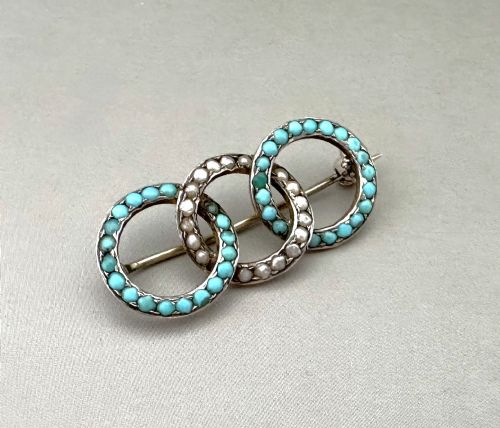
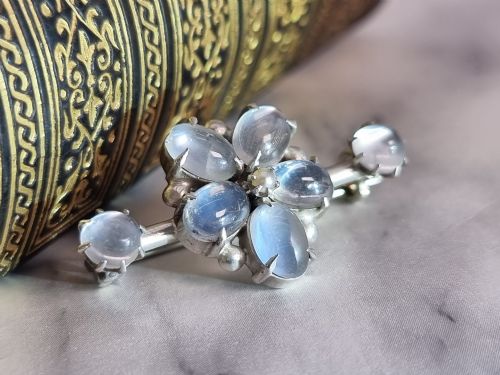
Victorian Silver Pin
A victorian silver pin search reveals charming novelty cushions and stone-set brooches designed for daily wear.
Victorian Silver Pin
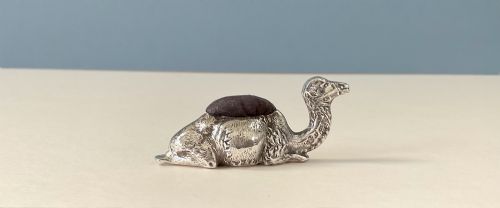
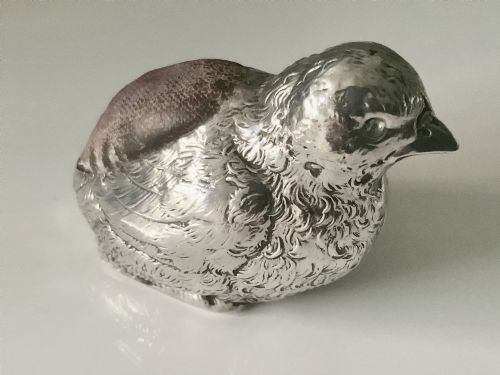
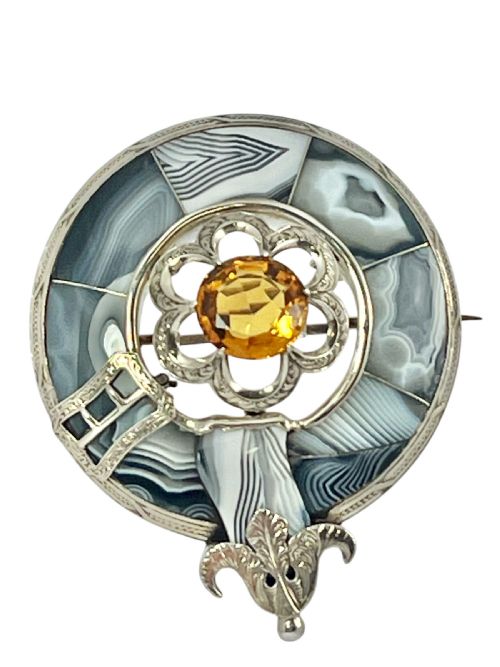
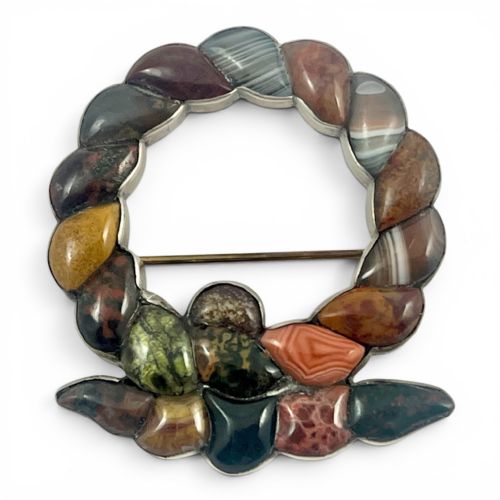
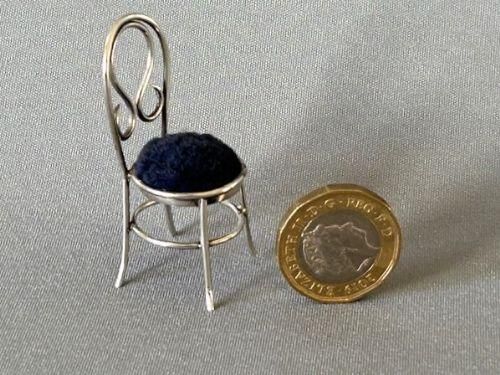
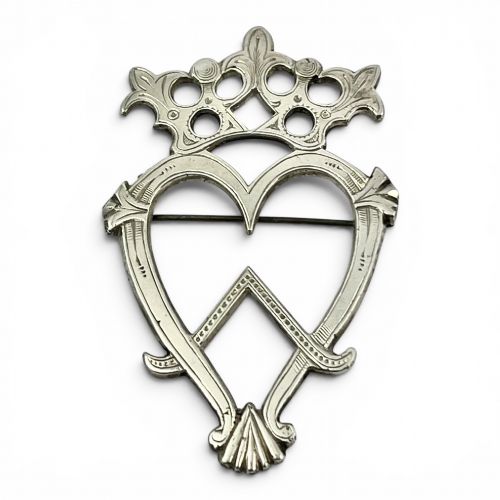
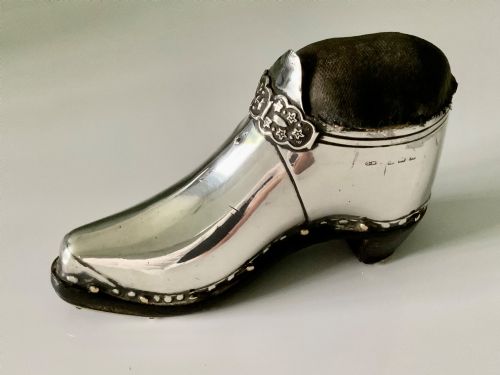
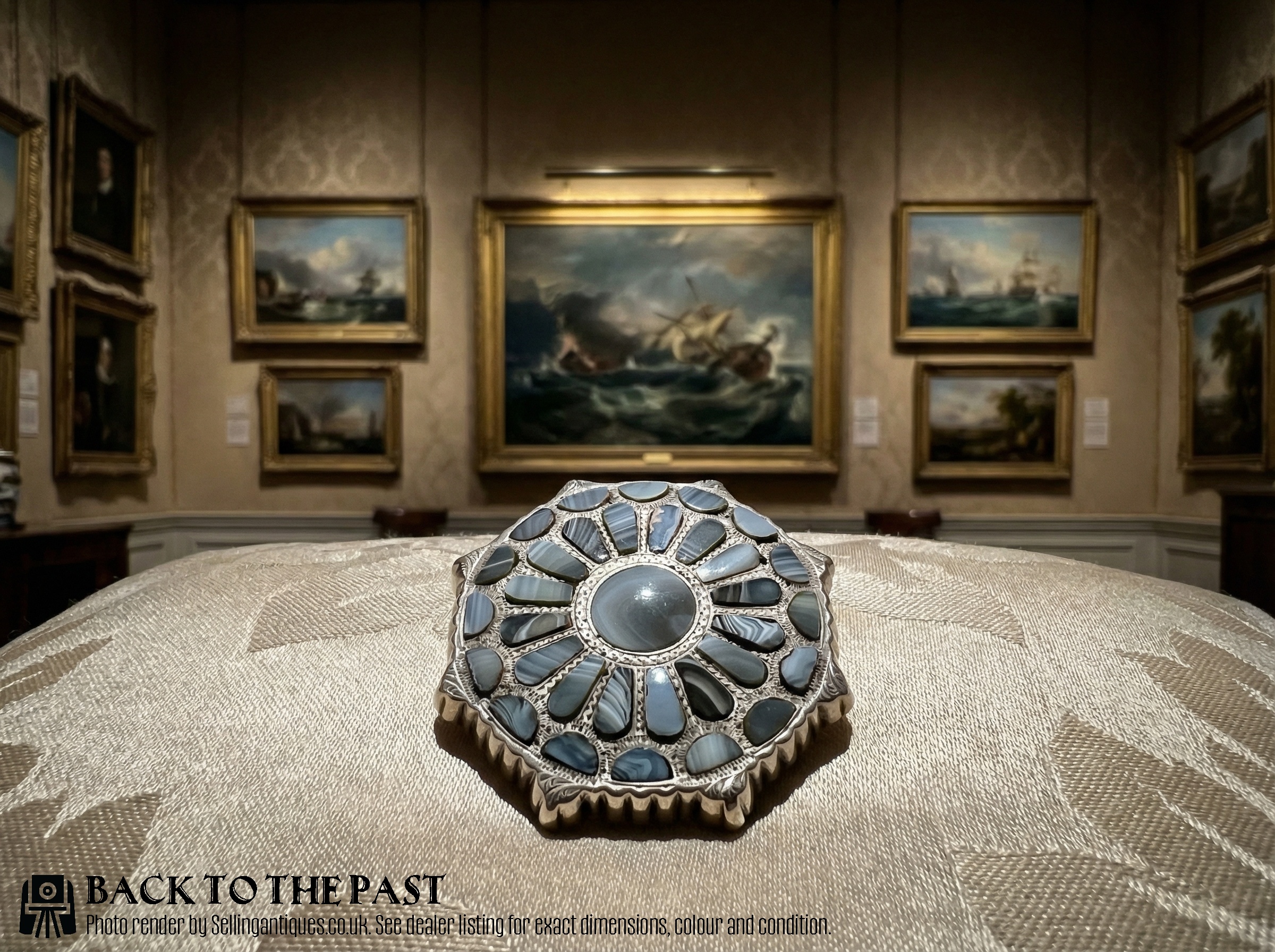
A victorian silver pin most frequently brings up small, highly detailed novelty pin cushions and Scottish pebble brooches. These objects reflect the ornamental tastes of the nineteenth century, blending practicality with distinct sculptural forms.
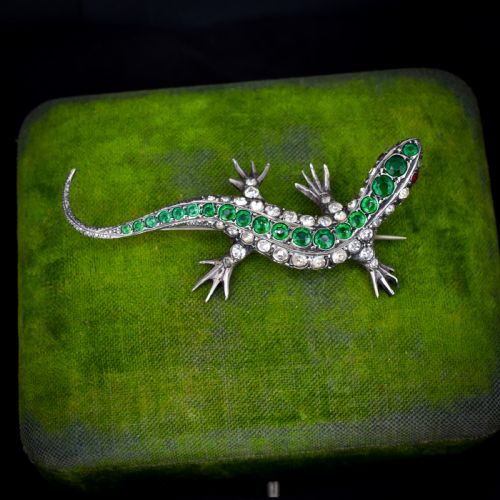
Novelty pieces take whimsical shapes such as animals, chairs, boots and household items cast in sterling silver. Alongside these, regional brooches incorporate local stones like agate and citrine mounted in silver settings.
Materials and Technique
Silversmiths utilised sterling silver alongside base metals, employing casting, embossing and piercing techniques to shape animals, vessels and dishes. Many pieces incorporate fitted velvet or fabric inserts to hold sewing needles and pins securely.
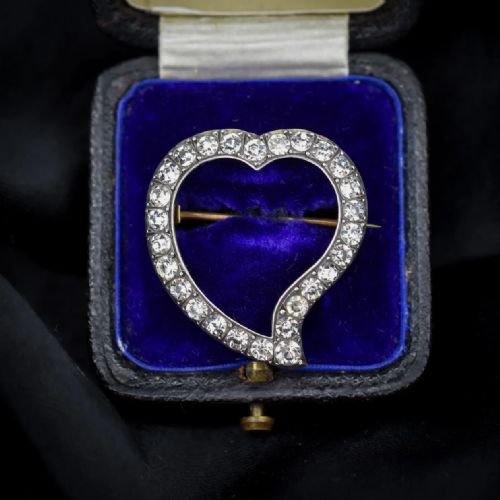
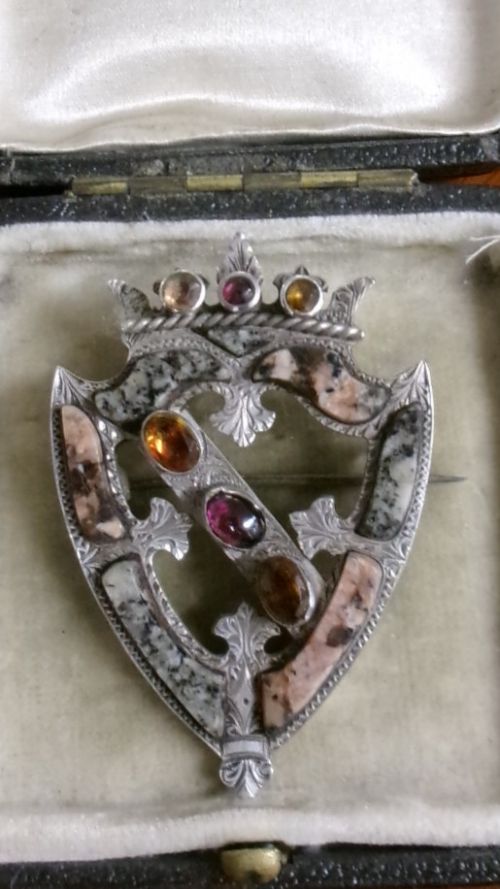
Scottish revival items combine silver mounts with hardstones such as agate, jasper and malachite, often featuring hand-carved horn or glass elements. Gemstones like diamonds, paste, turquoise and moonstones accent brooches and clasps.
Victorian Silver Pin Retail Price Guide 2026
Typical asking prices for victorian silver pin among the pieces listed under this phrase on Sellingantiques today, from the lower quarter to the upper quarter. They describe what is for sale here now, not the wider market.
Listings feature silver, velvet, agate, jasper, diamonds and glass across Victorian and Edwardian periods.
Assessing Quality
Quality rests upon the crispness of the casting and the depth of detail in chased or embossed novelty items. Superior examples retain their original structural integrity, crisp hallmarks and intact velvet cushions.
Stonework in pebble brooches demonstrates quality through secure stone settings, well-matched natural banding in agates and finely polished surfaces without visible fractures.
H H Curtis·William Comyns·William Hutton·Henry Bourne·Mappin and Webb·Levi and Salaman·George Unite·Atkin Brothers
The Victorian Silver Pin Glossary
- Agate
- A variety of chalcedony displaying distinct natural banding, frequently utilised in Scottish revival jewellery.
- Novelty pin cushion
- A silver container cast in a humorous or recognizable shape, housing a fabric pad for pins.
- Paste
- Hand-cut glass used as a substitute for gemstones in antique brooches and decorative ornaments.
- Silver gilt
- Sterling silver that has been coated with a thin layer of gold for a two-tone finish.
- Sterling silver
- An alloy consisting of silver and other metals, standardly marked for purity in British items.
Victorian Silver Pin: Frequently Asked Questions
What is a victorian silver pin cushion?
These small decorative objects were placed on dressing tables to hold sewing pins safely. Silversmiths cast them into imaginative shapes including animals, shoes and furniture.
Collectors prize them for their sculptural detail and clever engineering. They combine functional utility with miniature sculpture.
How do I identify Scottish agate brooches?
Scottish silver brooches feature polished hardstones like banded agate and jasper set into heavy silver frames. They often take the form of dirks, shields or traditional Celtic motifs.
Originating during the Victorian enthusiasm for the Scottish Highlands, these pieces showcase regional pebble work. The stones are cut and polished to highlight natural mineral patterns.
Were these items used daily?
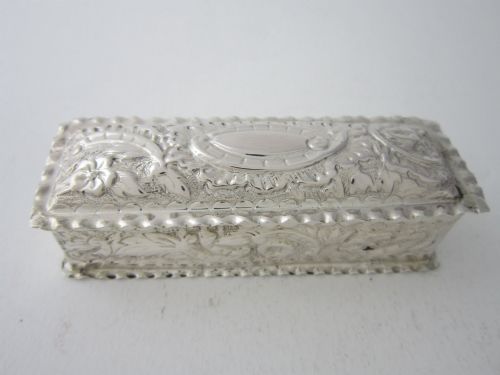
Victorian households utilised pin cushions, trinket dishes and brooches as part of daily grooming and sewing routines. Silver trinket boxes and bonbon dishes served practical storage functions.
Over decades of use, many fabric cushions were replaced, though silver mounts survived intact. Their durability ensured they survived as decorative antiques.
How are periods and styles told apart?
Early Victorian pieces often display heavier cast work and naturalistic floral motifs. Later Edwardian and Arts and Crafts examples lean towards lighter constructions and stylized organic lines.
Hallmarks stamped directly onto the silver provide precise manufacturing years and assay office locations. Stylistic shifts also separate mid-century Scottish revival items from later novelty items.