


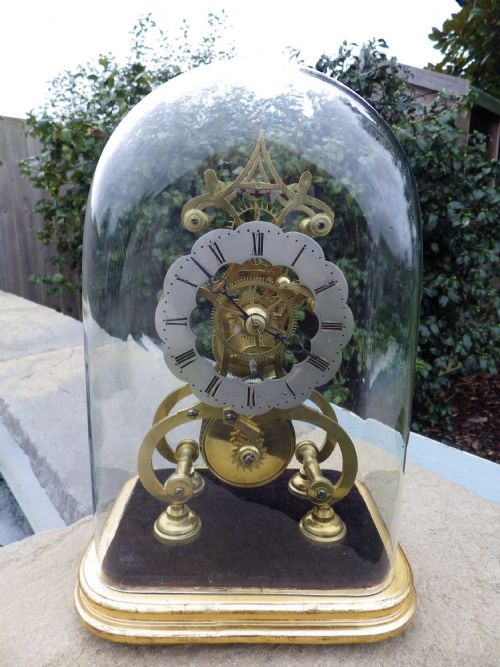


Victorian Silver Dome
Victorian silver dome pieces bring grand nineteenth-century dining and display to modern rooms.
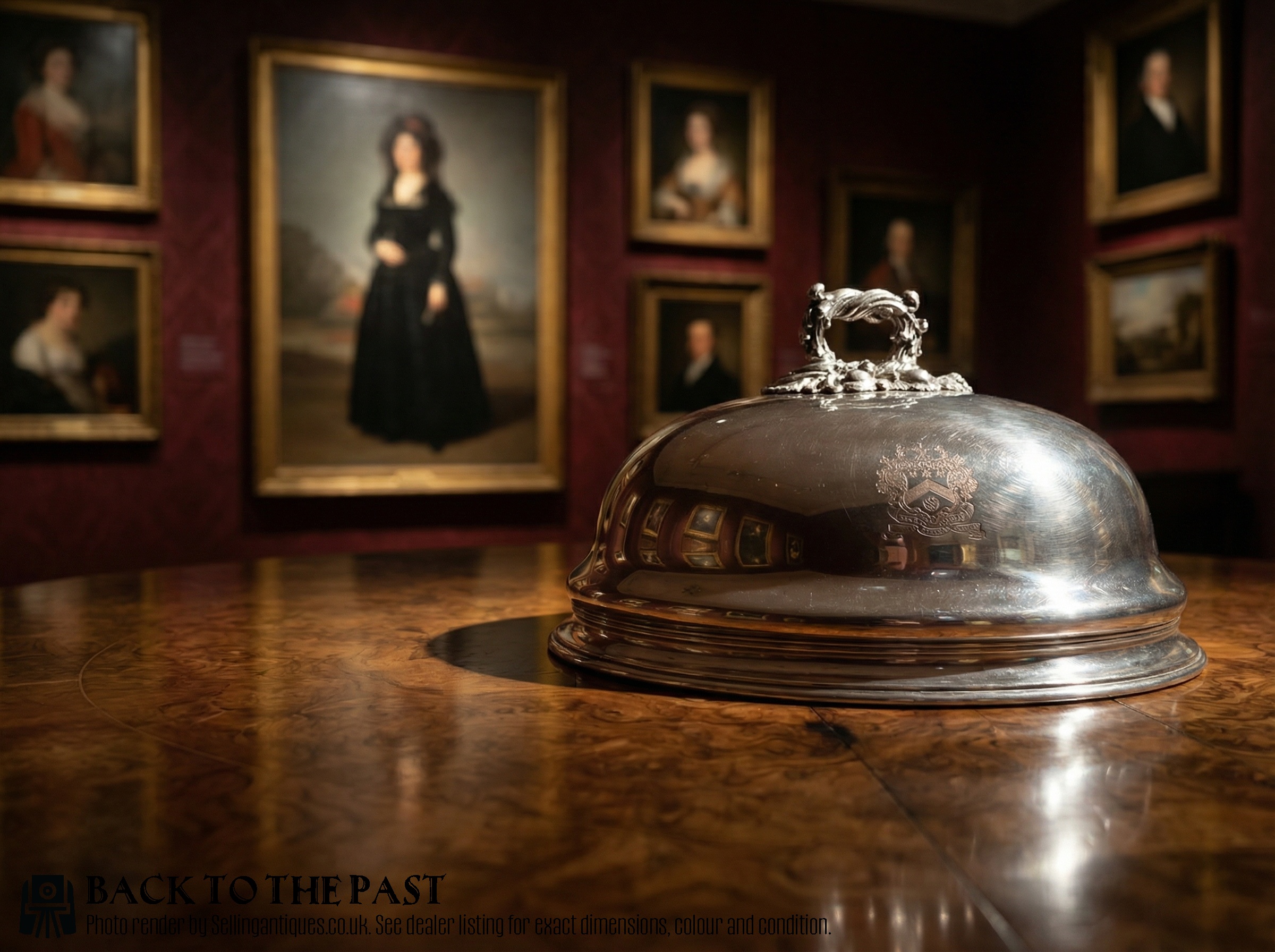
Victorian Silver Dome
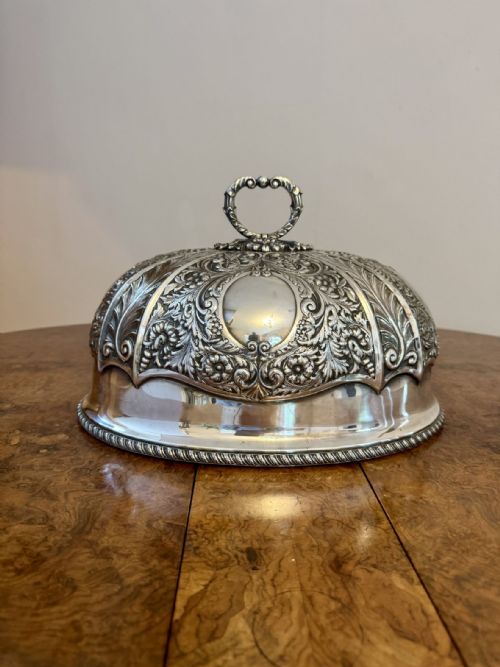
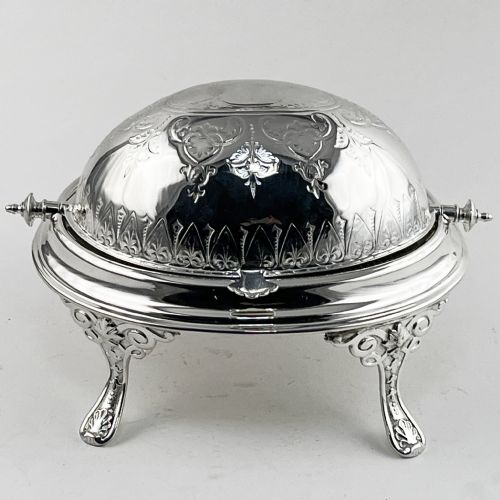
When you search for a victorian silver dome, you encounter substantial serving items and protective covers designed for formal dining tables. These objects primarily include meat domes and cloches alongside revolving breakfast dishes and cheese covers.
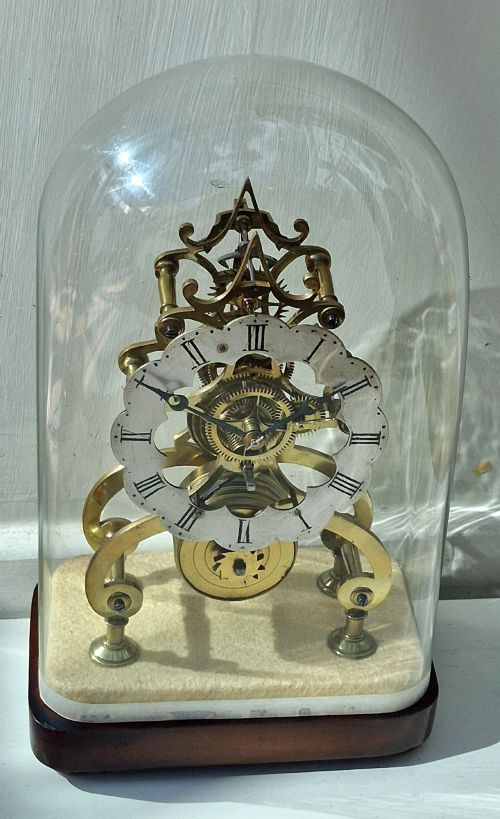
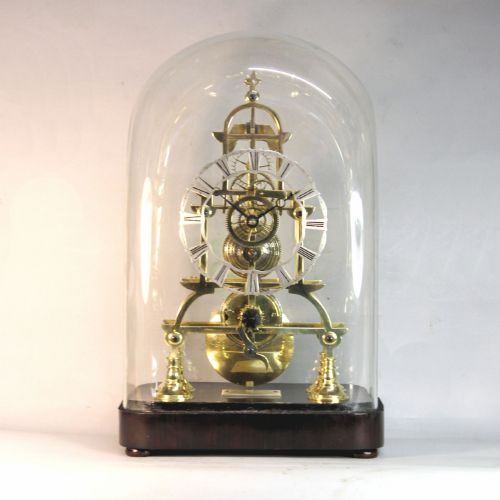
The selections span the Victorian and Edwardian eras, incorporating materials such as silver plate, electroplated nickel silver, and Old Sheffield Plate. Alongside serving vessels, the record includes clock covers and decorative boxes.
Most examples originate from English workshops, though French makers also appear. Buyers select these pieces to anchor dining displays or provide period utility.
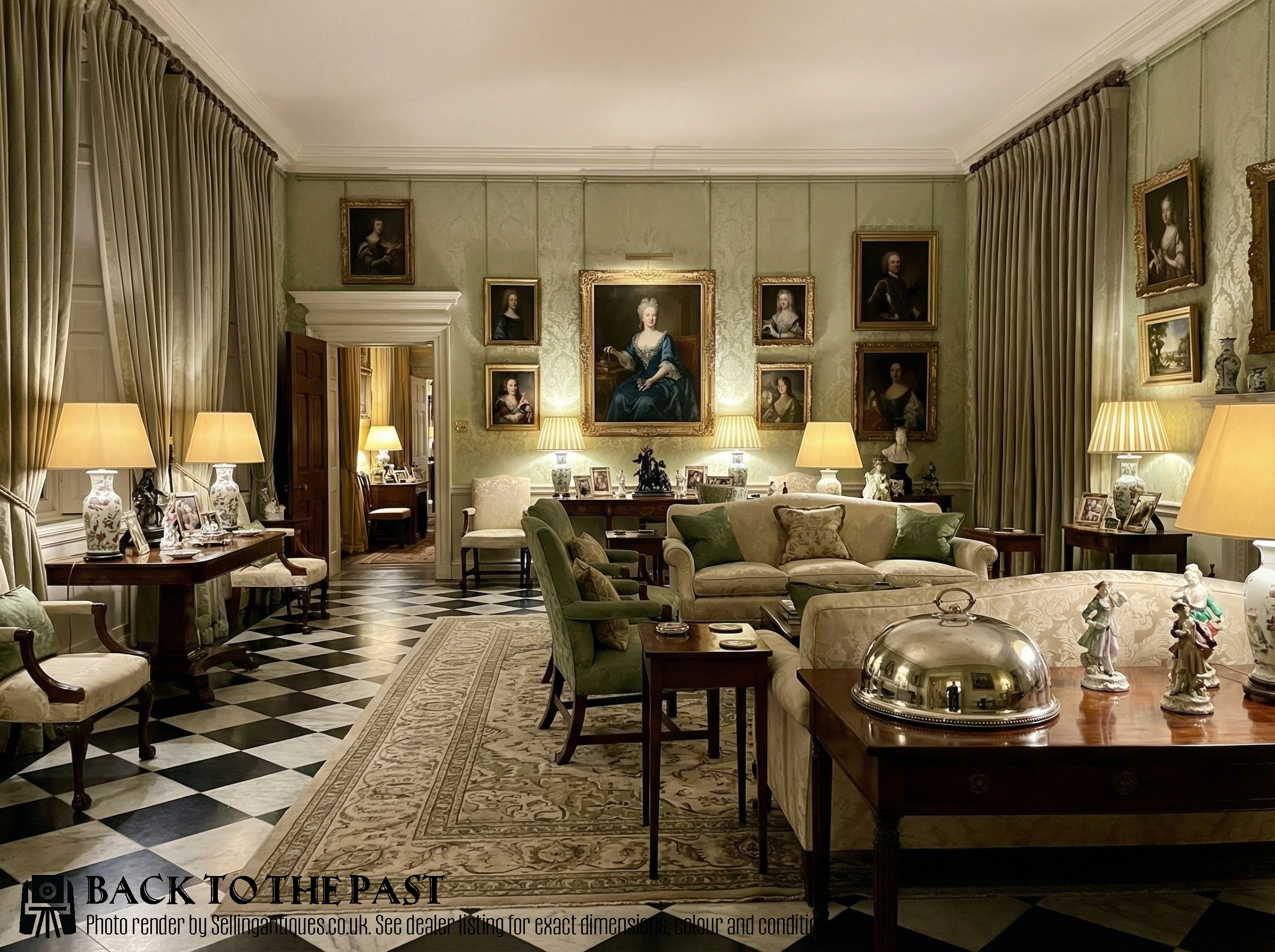
Materials and construction
Makers utilised silver plate and electroplated nickel silver over base metals to achieve the appearance of solid silver at a functional scale. Techniques involved heavy plating onto supportive cores to withstand daily dining room use.
Glass, brass, marble, and mahogany also feature in related domestic pieces like clocks and inkstands. Metal components rely on careful soldering, repoussé decoration, and precise hinged mechanisms for revolving lids.
Several heavy meat domes feature cast animal handles shaped like eagles, adding a majestic touch to nineteenth-century Sunday roasts.
Differentiating quality in domestic silver and domes
The distinction between standard utility items and finest works rests on the weight of the metal and the crispness of applied cast mounts. Superior pieces display substantial gauge silver plating that retains its integrity across large expanses.
Execution of decorative details such as engraved crests, applied handles, and mechanical hinges dictates overall merit. Finer items exhibit seamless operation in revolving lids and heavy gauges of silver plate.
Richard Winter of Chieveley·Thwaites of London·Mappin and Webb·Allen Colyer·Durand
The Victorian Silver Dome Glossary
- Silver Plate
- A thin layer of silver fused or electroplated onto a base metal core such as copper or nickel silver. This technique allowed domestic items to present a precious exterior at a practical cost.
- EPNS
- Electroplated Nickel Silver, a durable base metal alloy coated with silver via an electrical bath. It became the standard method for producing sturdy nineteenth-century tableware.
- Cloche
- A bell-shaped cover traditionally placed over plates to keep food warm at the table. These are frequently formed from silver plate or glass.
- Old Sheffield Plate
- An early method of fusing a thin sheet of silver to a thicker copper ingot before rolling them into sheets. This technique predates modern electroplating.
- Revolving Dish
- A serving vessel featuring a roll-over lid that conceals contents until opened by rotating underneath. These mechanisms require precise alignment to function smoothly.
Victorian Silver Dome: Frequently Asked Questions
What are victorian silver domes used for?
These items served primarily to cover large joints of meat or warm dishes on formal dining tables, keeping heat in and protecting food between courses.
Today, collectors utilise them as striking tableside centerpieces or decorative display elements in dining rooms and kitchens.
How do I clean silver plated domes?
Cleaning requires gentle silver polish formulated for plated items, applied with a soft cloth to avoid wearing through the thin silver layer to the base metal.
Harsh chemical dips and abrasive scouring pads must be avoided entirely to preserve the original plate and surface finish.
What is the difference between silver plate and EPNS?
Silver plate is a general term for any base metal coated in silver, whereas EPNS specifically denotes electroplated nickel silver as the underlying substrate.
Nickel silver provides a sturdy, corrosion-resistant white metal base that supports the outer silver coating during heavy daily use.
Are these domes suitable for daily use?
Many silver plated meat covers and revolving dishes remain robust enough for regular serving duties provided they receive gentle hand washing.
Care should be taken with vintage hinges on revolving breakfast dishes and delicate handles to ensure longevity.