

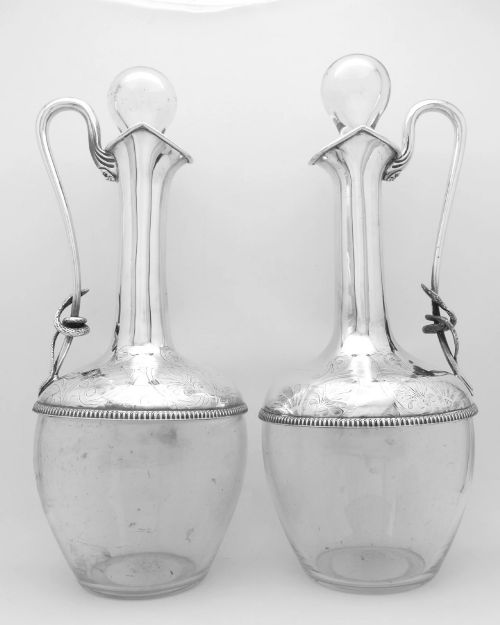


Victorian Silver Claret Jug
A victorian silver claret jug brings nineteenth-century dining ceremony to the table, combining cut glass bodies with gleaming metal mounts.
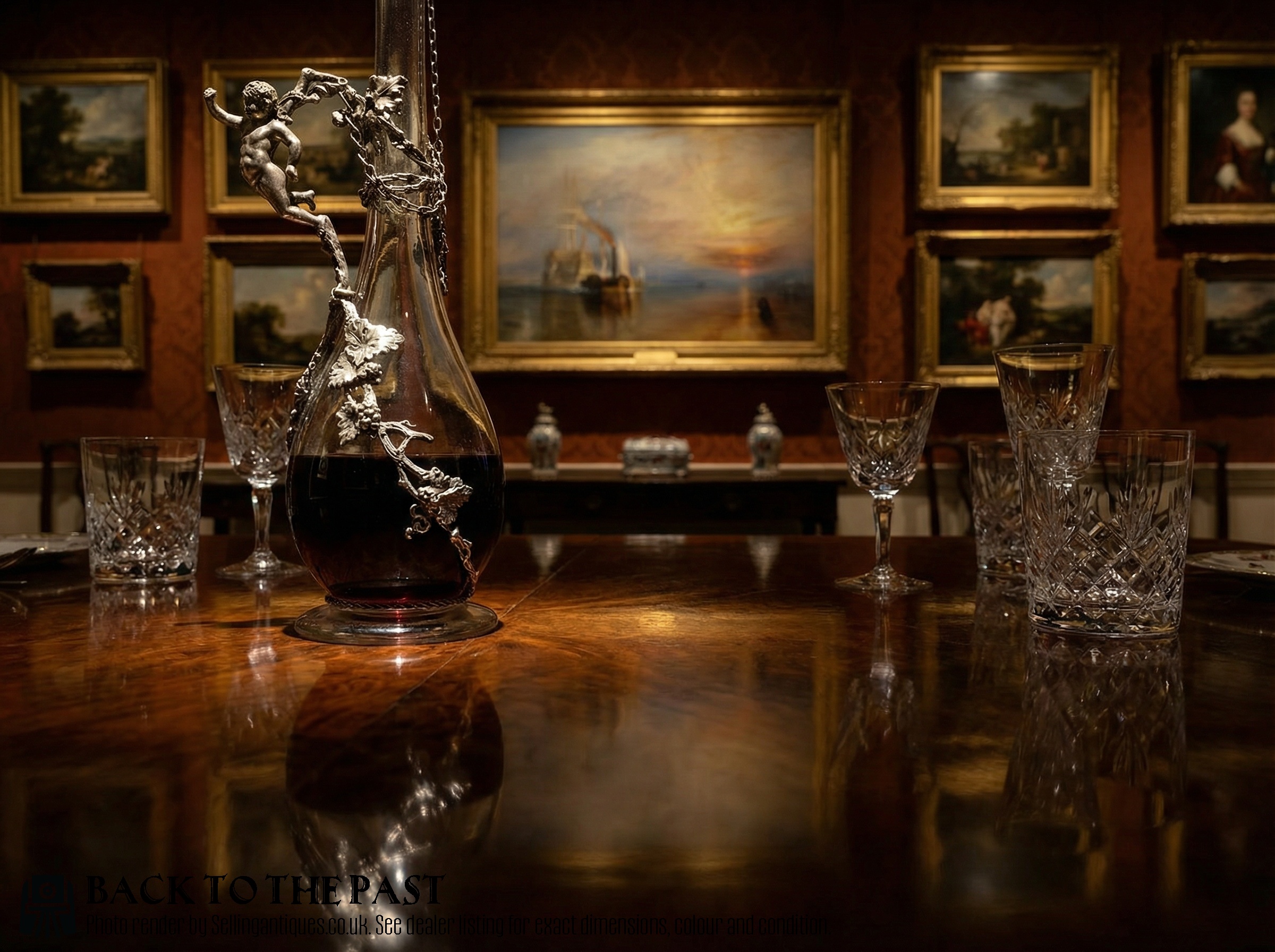
Victorian Silver Claret Jug
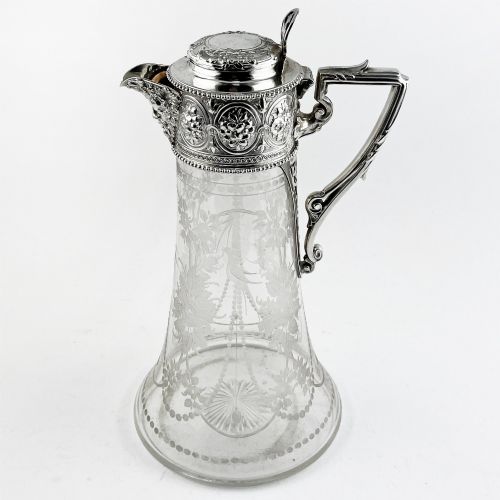
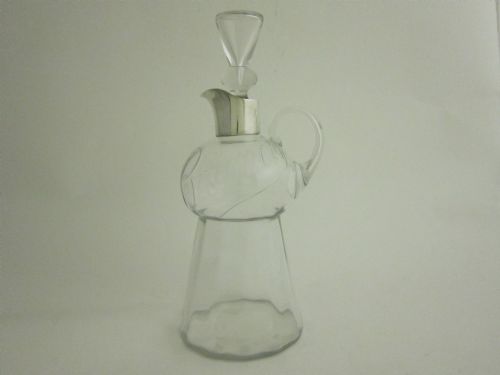
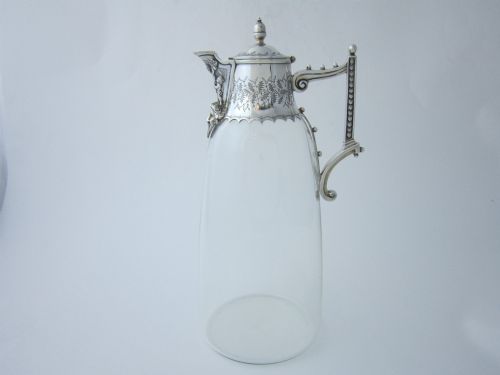
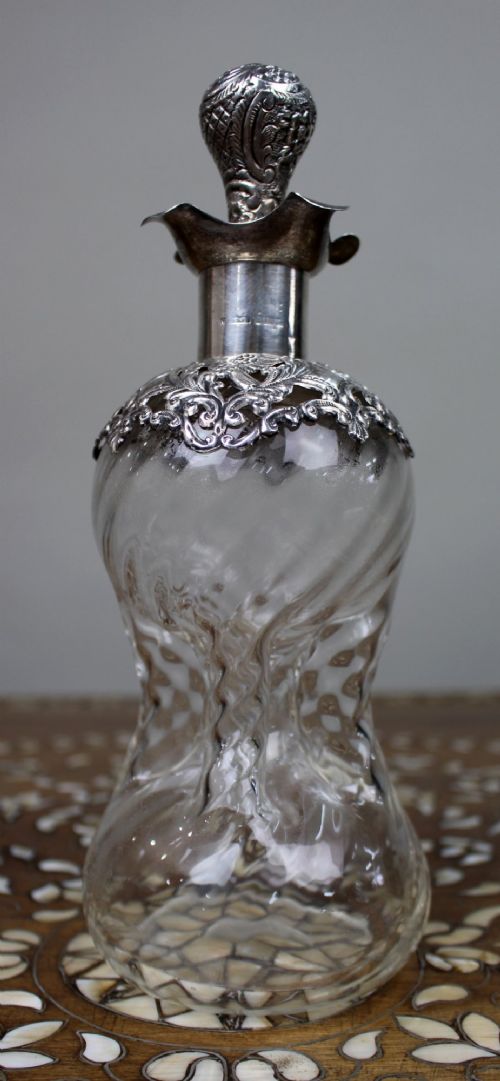
A victorian silver claret jug is a serving vessel designed for pouring wine at the formal dinner table during the nineteenth century. These pieces typically combine a glass body with metal mounts, hinges, and lids.
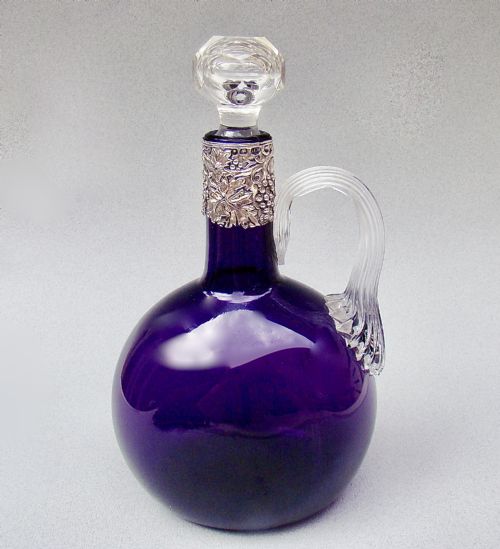
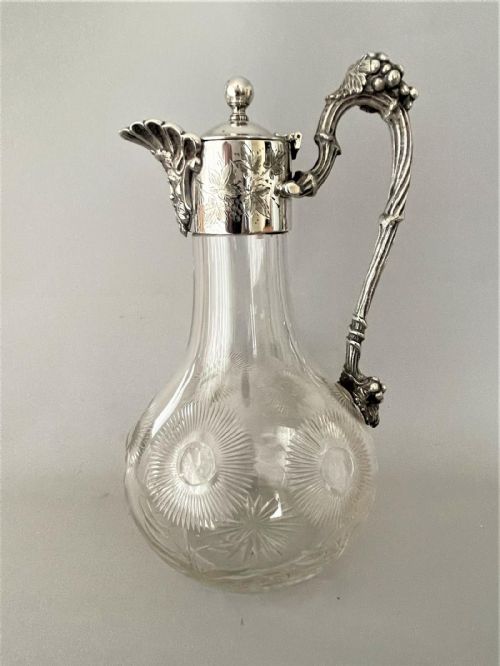
The most common version found here pairs a silver-plated mount with a cut crystal or patterned glass body. Other examples use solid sterling silver alongside amethyst, cranberry, or clear glass bodies.
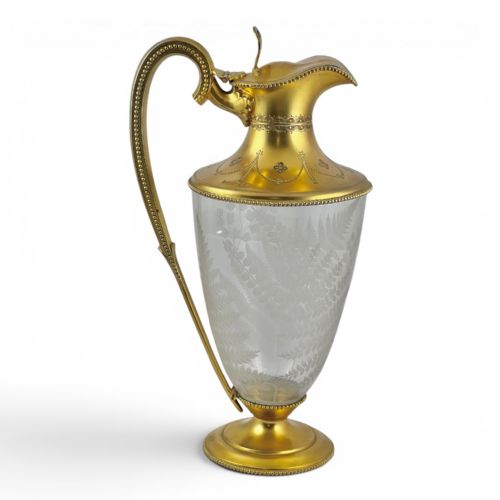
Makers produced these vessels in various forms, including ewers, carafes, and pitchers. Aesthetic Movement and Art Nouveau designs appear alongside traditional Victorian styles.
How They Were Made
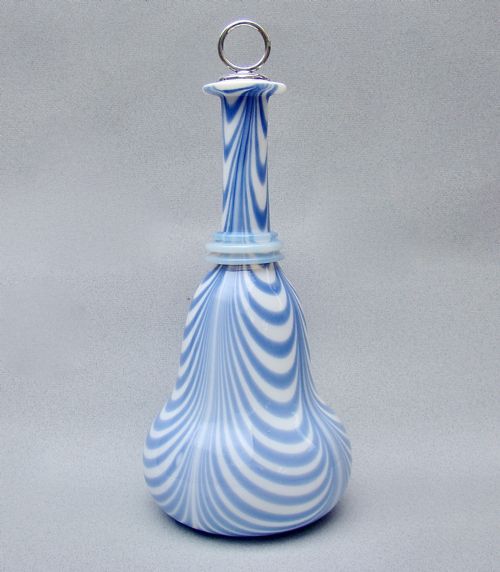
Glass bodies were mouth-blown and frequently finished with deep wheel-cutting, etching, or hobnail patterns to catch the light. Coloured glass variants utilised mineral additives within the molten batch.
Metal mounts combined sterling silver or silver plate with cast details such as Bacchus masks, serpent handles, and floral engraving. Silversmiths soldered hinged lids securely to the collars to seal the contents during pouring.
Victorian Silver Claret Jug Retail Price Guide 2026
Typical asking prices for victorian silver claret jug among the pieces listed under this phrase on Sellingantiques today, from the lower quarter to the upper quarter. They describe what is for sale here now, not the wider market.
Some Victorian wine jugs feature fierce lion finials guarding the lid while serpents coil around the handle to form the spout.
What Varies in Quality
The crispness of the glass cutting and the weight of the crystal body distinguish finer examples from standard production. Heavy hand-cut vessels demonstrate greater skill than light, moulded counterparts.
Mount quality depends on the weight of the silver or silver plate and the complexity of the cast ornament. Articulated hinges, secure thumbpieces, and defined chasing separate superior vessels from simpler factory work.
Asprey and Co. Ltd·Henry Matthews·Henry Bourne·Mappin and Webb·Elkington and Co·Hukin and Heath·John Grinsell·Reily and Storer·John Northwood·Stevens and Williams
The Victorian Silver Claret Jug Glossary
- Claret jug
- A specialised pouring vessel created for serving red wine at the Victorian table. These pieces feature hinged lids and secure handles for ease of service.
- Silver plate
- A manufacturing method applying a layer of silver over a base metal such as copper or Britannia metal. This technique allowed makers to produce elaborate vessels at a lower cost than solid silver.
- Sterling silver
- An alloy consisting of pure silver and other metals to increase durability while maintaining a standard purity level. Marked pieces display assay office hallmarks indicating the town and year of creation.
- Cut glass
- Glassware decorated by holding the vessel against a rotating abrasive wheel to carve geometric or floral motifs. Deep cutting creates sharp facets that refract light across the surface.
- Ewer
- A large jug with a wide spout and a curved handle, often modelled on classical pottery forms. Victorian makers adopted this shape for decorative wine and water service.
- Finial
- A decorative knob or figure attached to the top of the lid. Common Victorian examples include naturalistic animal forms and scrolling foliage.
Victorian Silver Claret Jug: Frequently Asked Questions
What is a victorian silver claret jug used for?
These vessels were originally manufactured to hold and pour claret wine during formal nineteenth-century dining occasions.
Today, collectors use them to serve wine, display on sideboards, or utilise as decorative water jugs.
How do I clean a glass and silver claret jug?
Wash the glass body gently using warm water and mild soap, taking care to keep moisture away from vintage cement or cork liners inside the mounts.
Polish the silver mounts with a soft cloth and appropriate silver cleaner, avoiding abrasive pastes that might scratch the metal or glass.
How do I date a silver mounted claret jug?
Solid silver mounts carry hallmarks stamped by official assay offices, which include letters indicating the exact year of manufacture and symbols denoting the city.
Silver-plated pieces rely on registry marks, maker stamps, stylistic clues, and manufacturing techniques to determine their approximate decade of production.