
Victorian Silver Centrepiece
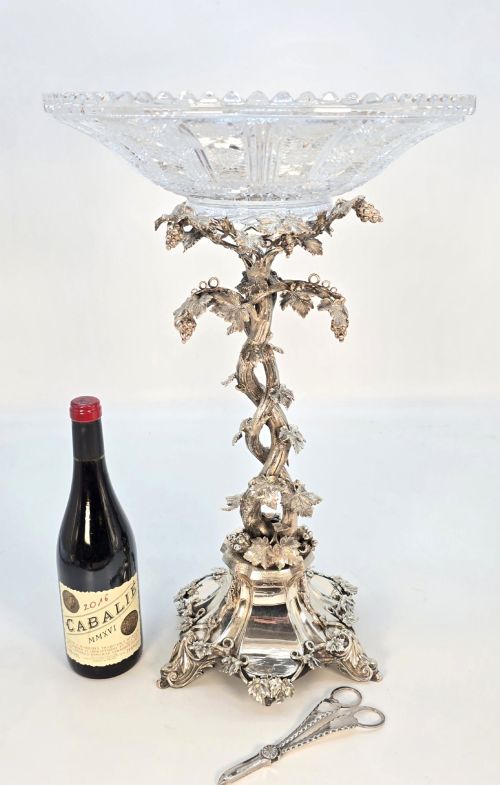
A victorian silver centrepiece anchors a formal dining table with height, candlelight, or displayed fruit.
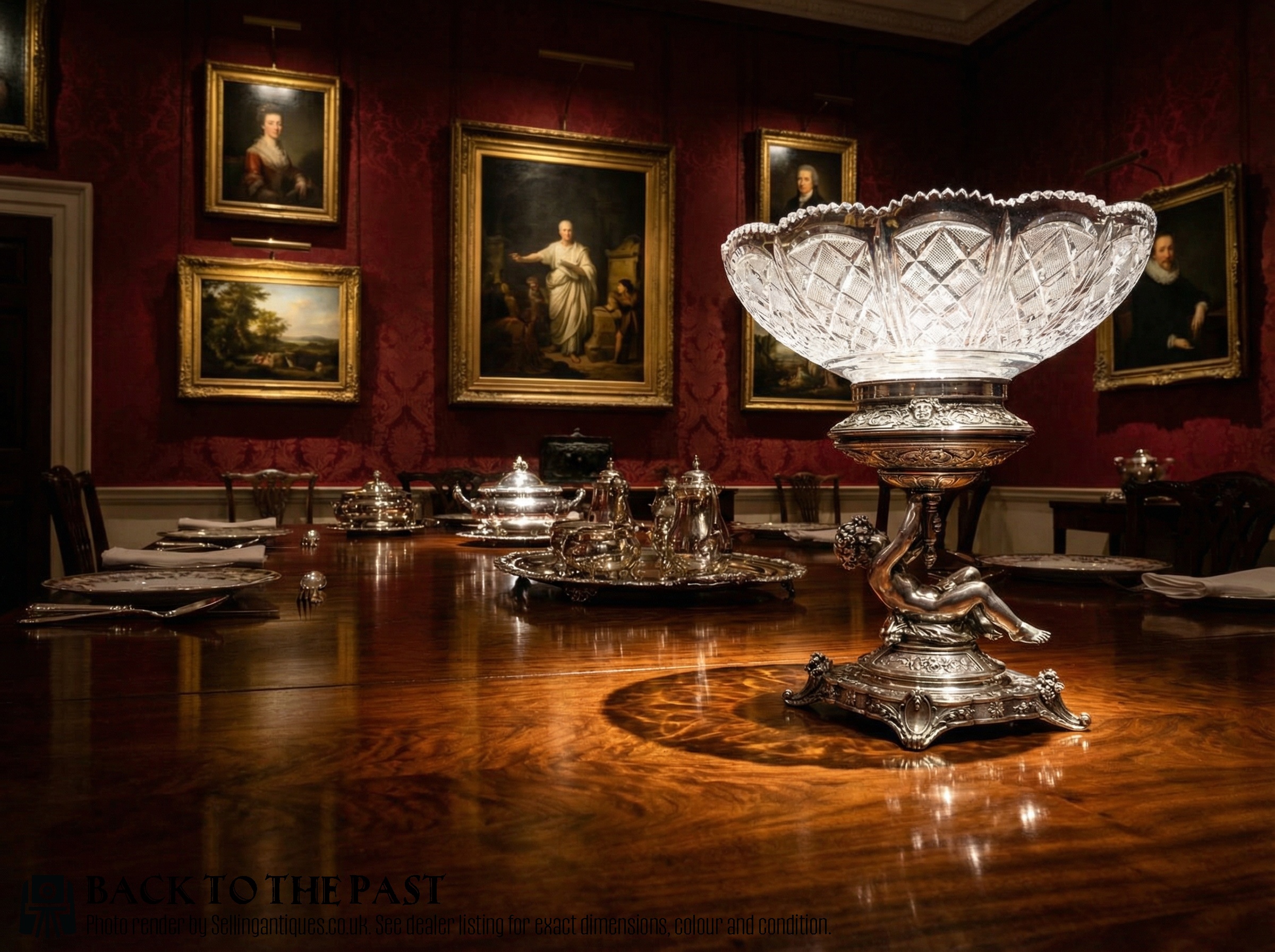
Victorian Silver Centrepiece
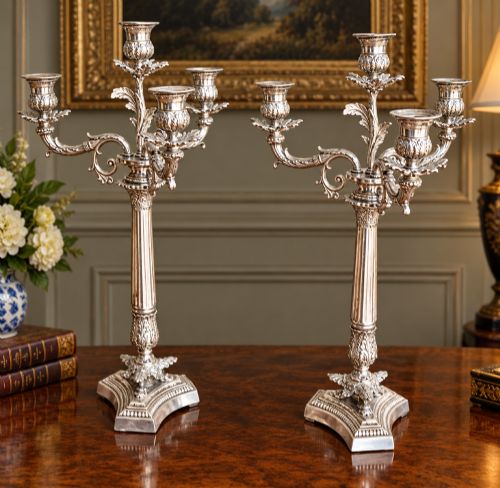
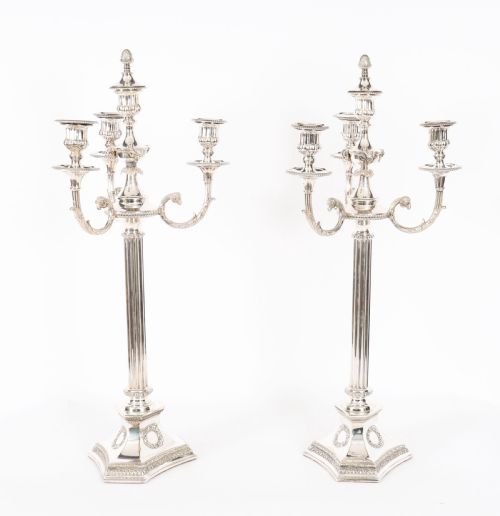
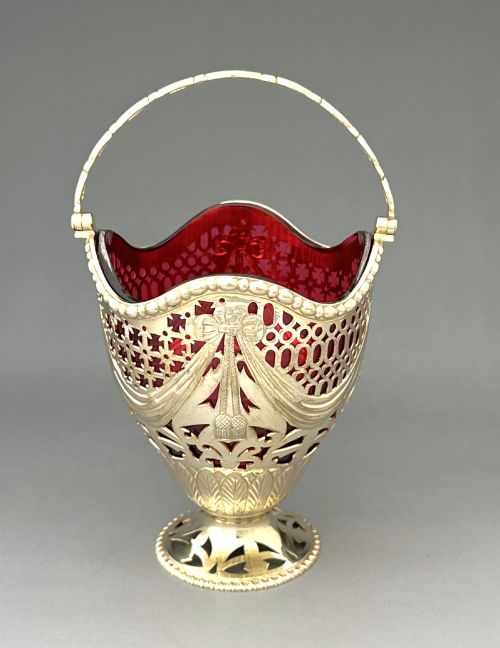
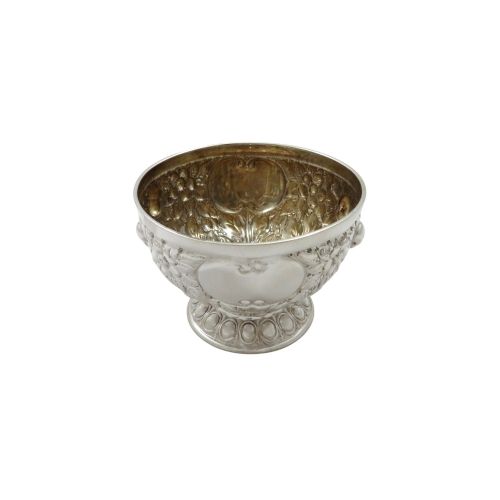
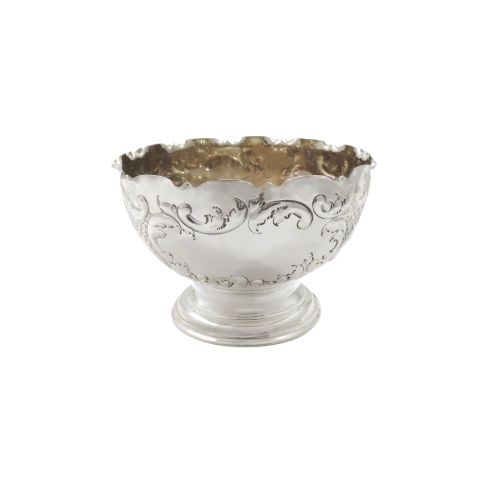
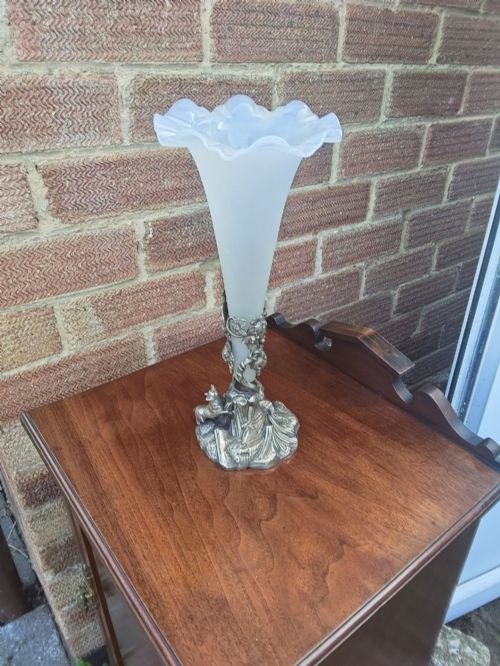
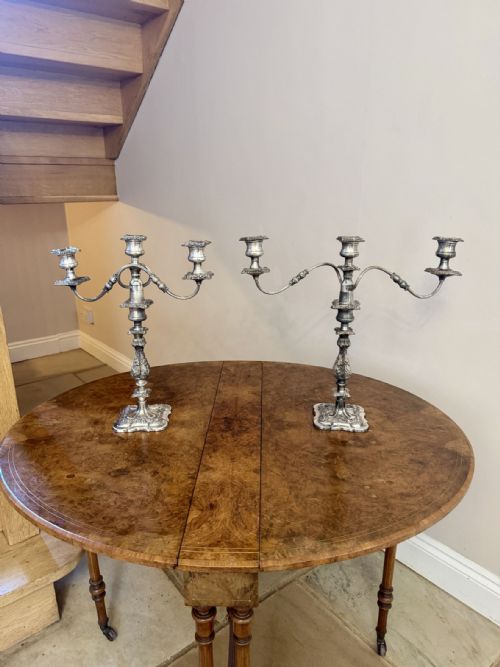
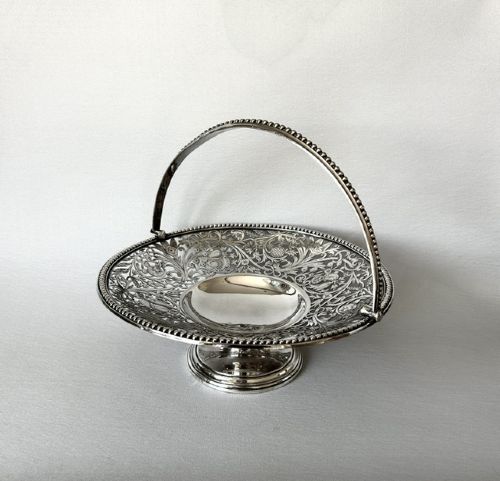
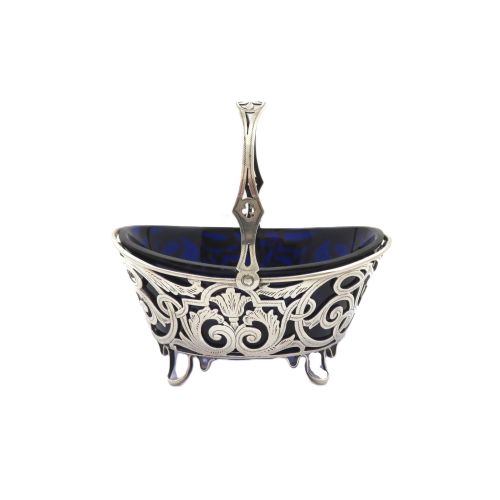
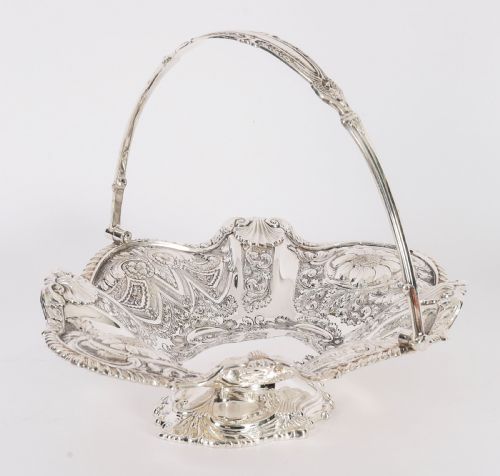
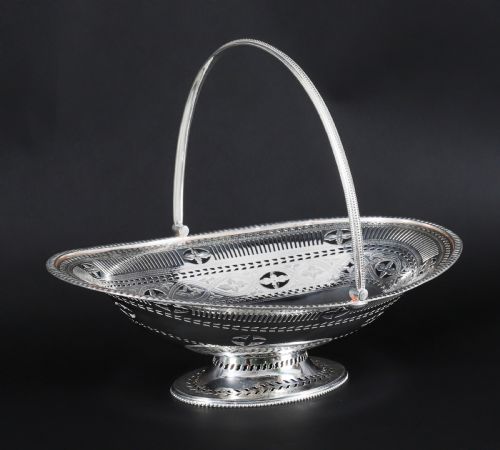
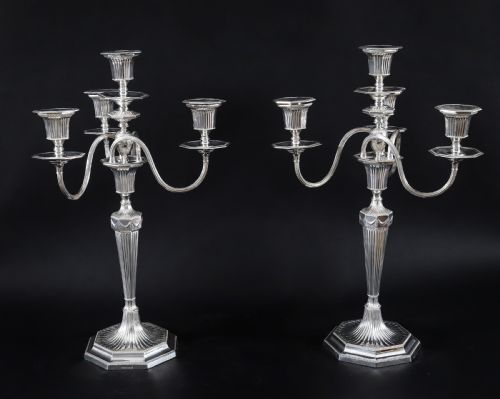
A victorian silver centrepiece takes many physical configurations across dining tables and sideboards, most frequently appearing as multi-light candelabras, heavy fruit baskets, or glass-lined bowls. These items date primarily from the nineteenth century, encompassing periods from the eighteen-sixties through to nineteen hundred.
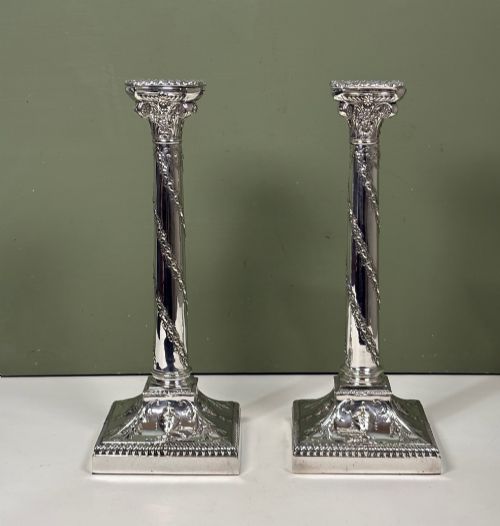
The objects serve decorative and functional roles in dining arrangements, often incorporating matching candlesticks or elaborate epergnes. Surviving examples demonstrate the era's taste for substantial centrepieces that command the visual space of a room.
Materials and construction
Makers utilised sterling silver and silver plate over base metals, frequently pairing metalwork with cut glass, cranberry glass, or vaseline glass inserts. Electroplated nickel silver and standard silver plate provided durable alternatives to solid silver for large structural forms.
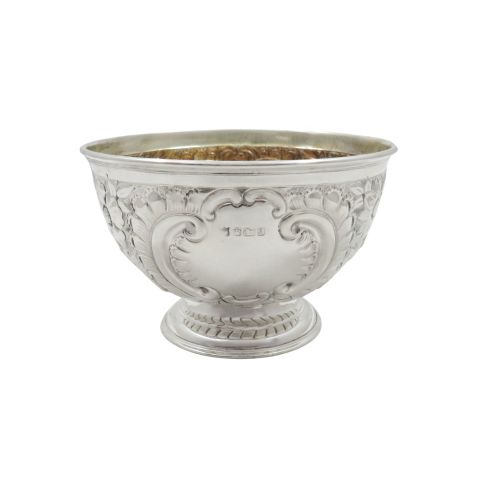
Techniques combined casting, piercing, and repoussé decoration with applied details like coral handles, figural mounts, and engraved floral patterns. Structural components such as detachable sconces and pedestal feet required precise assembly to support heavy glass bowls and multi-branch candelabras.
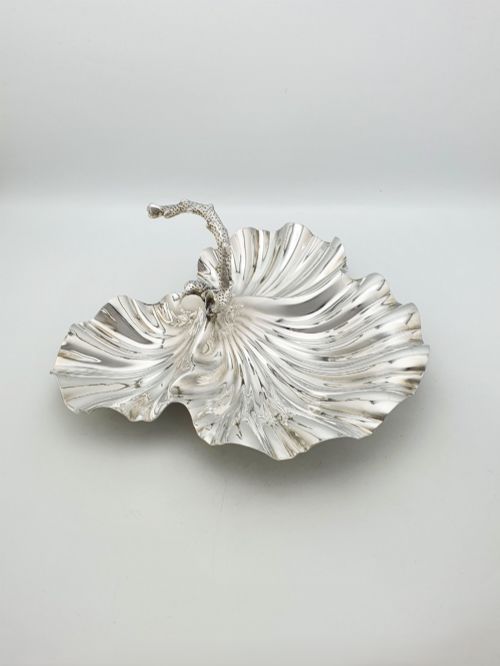
Several items double as spoon warmers shaped delightfully like nautilus shells or silver gilt marine creatures.
Distinctions in craftsmanship
Superior examples display crisp casting in figural elements and deep, clean piercing on fruit baskets, whereas lesser pieces show softer surface details. The weight of the metal and the thickness of the silver plating differentiate high-end workshop production from commercial output.
Integration between the metal frame and the glass insert indicates standard of design, with bespoke cut crystal or coloured glass fitting securely into cast holders. Maker attribution to notable silversmiths or retailers further elevates the standing of an individual centrepiece.
George W. Scott And Sons Ltd·Hawksworth Eyre·Garrard And Co·Walker And Hall·Thomas Bradbury·Elkington And Co·Mappin And Webb·Henry Wilkinson And Co
The Victorian Silver Centrepiece Glossary
- Candelabra
- A branched candlestick holding multiple lights. These lighting pieces often form matching pairs or serve as the central element of a table service.
- Epergne
- An ornamental centrepiece featuring a central dish surrounded by smaller hanging baskets or arms. They frequently incorporate coloured glass liners.
- Repoussé
- A metalworking technique where the design is hammered into relief from the reverse side. This method creates textured surface patterns on bowls and tazzas.
- Silver Plate
- A thin layer of silver bonded to a base metal such as copper or nickel. Many nineteenth-century dining items utilise this method for durability.
- Vaseline Glass
- A type of glass coloured with uranium dioxide, producing a characteristic yellow-green shade. It appears frequently in nineteenth-century table vessels.
Victorian Silver Centrepiece: Frequently Asked Questions
What is a silver centrepiece used for?
A victorian silver centrepiece was placed in the middle of a dining table during formal meals to display fruit, flowers, or sweetmeats.
They also functioned as decorative art objects when not in use for dining, reflecting the status and taste of the household.
How do I clean silver plate?
Cleaning requires a soft cloth and a specialised silver polish formulated to preserve the thin plated layer over the base metal.
Harsh abrasives must be avoided to prevent wearing away the silver coating and exposing the underlying metal.
Are glass liners original?
Many pieces retain their original cut glass, cranberry, or vaseline glass liners, which were custom-moulded to fit the metal framework.
Replacement liners appear frequently due to breakage, though matched period glass maintains the integrity of the object.
How do I date a centrepiece?
Dating relies on maker marks, assay office hallmarks on sterling pieces, stylistic clues, and registration numbers stamped into the metal.
Stylistic shifts from neoclassical revival to naturalistic or rococo designs also help narrow down the decade of manufacture.