


Victorian Silver Cane
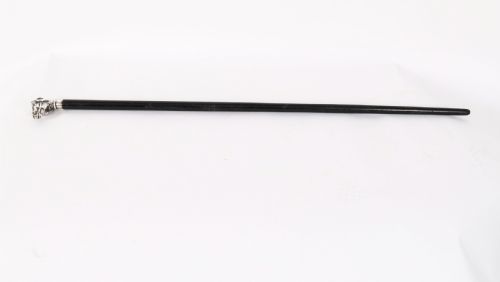
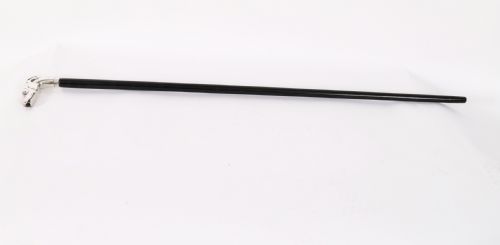
When you search for a victorian silver cane, you are looking at nineteenth-century gentleman's walking sticks finished with metal handles and mounts.
Victorian Silver Cane
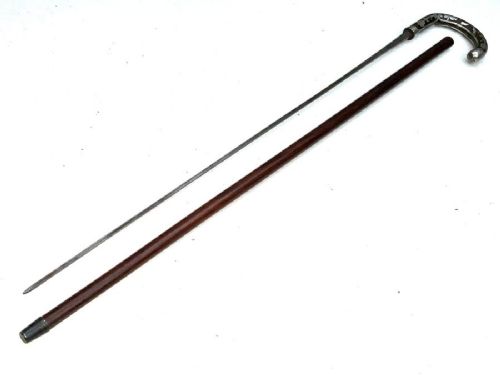
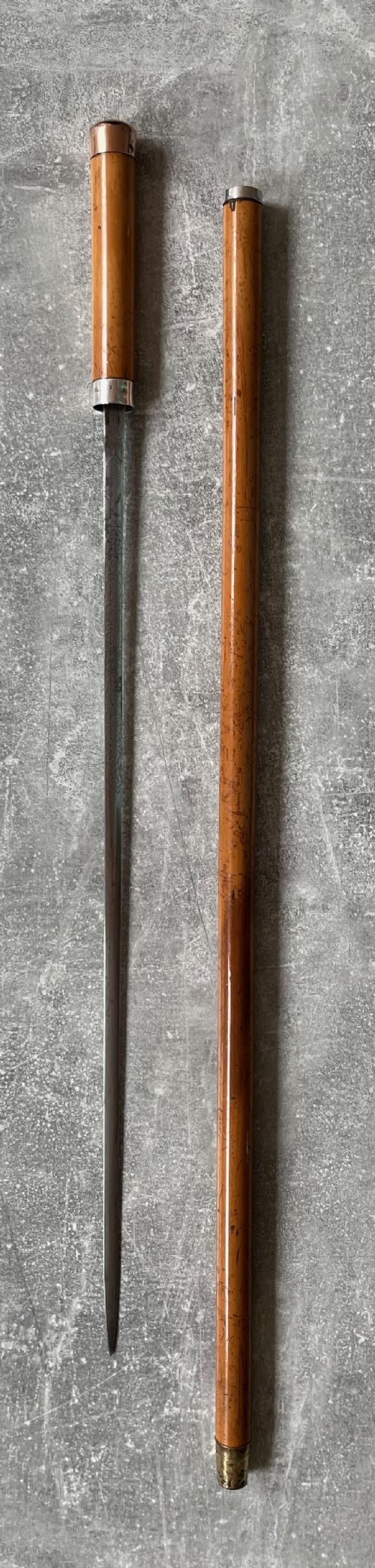
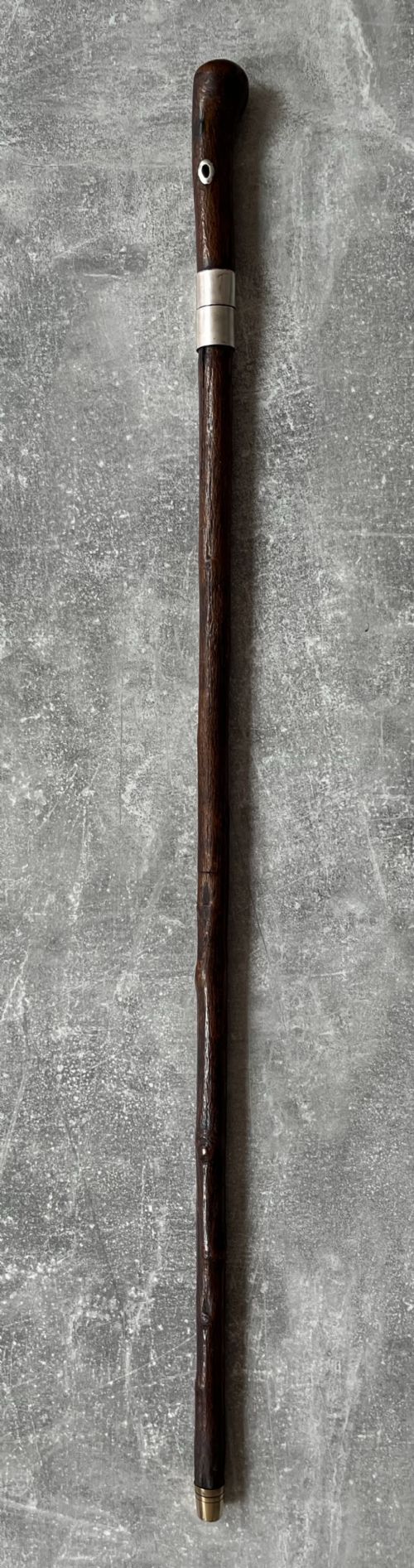
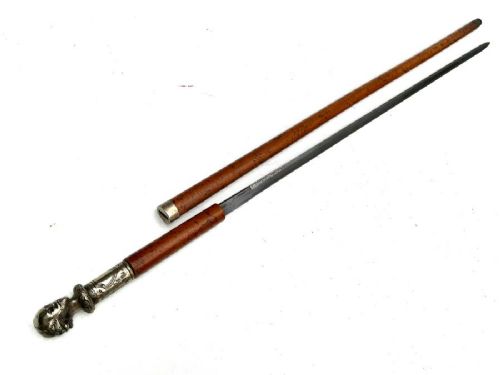
A victorian silver cane is a nineteenth-century walking stick featuring a metal handle, collar, or pommel, often fashioned from sterling silver or silver plate. These items include standard walking sticks as well as concealed sword sticks, gadget canes with hidden compartments like snuff boxes or corkscrews, and specialised items incorporating watch movements.
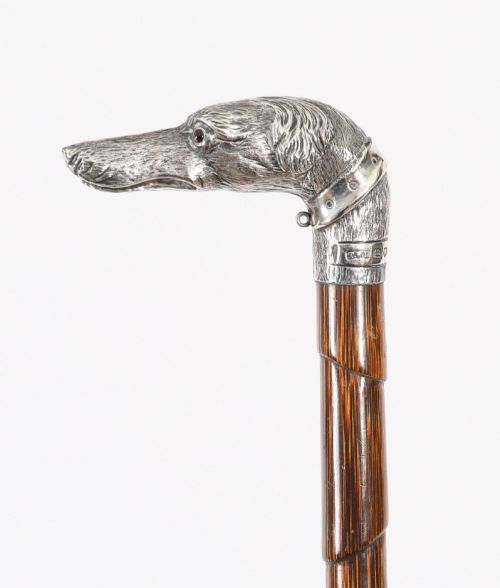
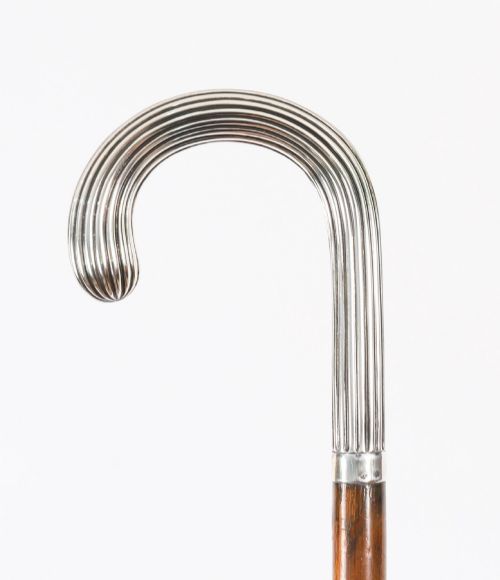
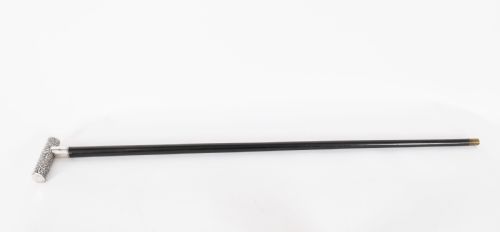
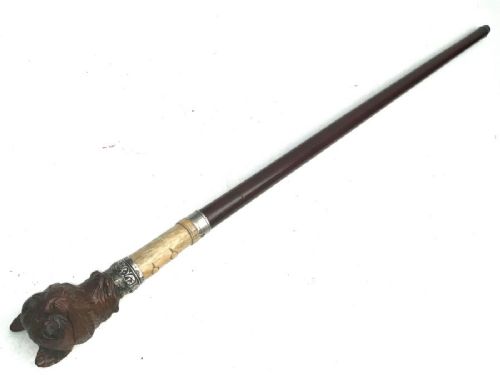
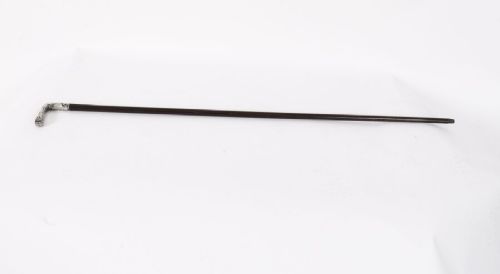
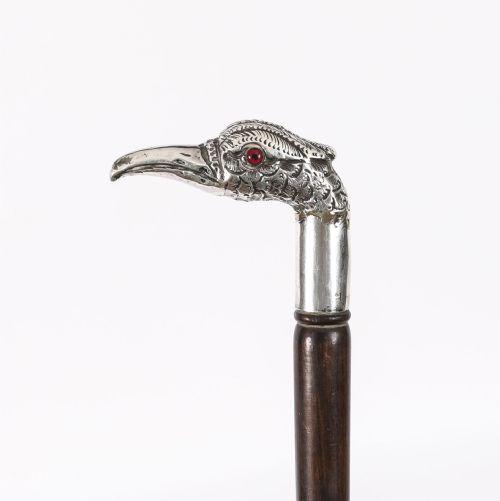
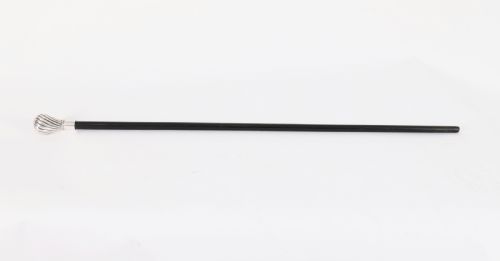
The versions most commonly met on this page combine wood shafts such as malacca, ebonised wood, hazel, or snakewood with chased or plain silver handles shaped into animals like greyhounds, horses, boars, and ducks, or geometric pommels.
How They Were Made
Shafts were shaped from natural timbers including malacca, bamboo, rosewood, coromandel, and ebonised wood, sometimes covered in leather or snakeskin. These wooden or horn shafts were fitted with metal collars, ferrules, and hollow handles hammered and chased from sheet silver or cast in moulds.
Blades housed inside sword sticks utilised tempered steel from makers such as Wilkinson or Toledo, fitted securely into the wooden body beneath the silver mount or handle.
Several walking sticks hide entire watch movements or four-leaf clover motifs inside their silver pommels.
What Varies in Quality
Quality depends upon the definition and depth of hand-chasing on the silver handle, particularly in animal head pommels where finer examples show detailed fur texture, glass eyes, or engraved crests. The choice of shaft material also dictates standard, with dense exotic hardwoods and structured malacca rating higher than simple stained timbers.
The integration of hidden mechanisms, such as functional watch movements, corkscrews, or concealed blades with maker marks, separates standard walking aids from complex gadget canes.
Brigg·Wang Hing And Company·James Dixon And Sons·Roberts And Belk
The Victorian Silver Cane Glossary
- Pommel
- The rounded or decorative handle at the top of a cane. This part typically displays the silver hallmarking and sculptural detail.
- Malacca
- A slender rattan cane imported from Southeast Asia known for its mottled brown finish and jointed nodes. It served as a preferred lightweight shaft material.
- Ferrule
- The metal cap fitted to the bottom tip of a walking stick to prevent wear. It protects the wood against impact on stone pavements.
- Sword stick
- A walking cane containing a concealed blade locked within the wooden shaft. These items combine personal defence with daily walking support.
Victorian Silver Cane: Frequently Asked Questions
How are periods told apart on these canes?
Periods are identified through hallmarks stamped directly onto the silver handles or collars, which record assay office locations and specific date letters.
Stylistic shifts also indicate eras, moving from ornate mid-nineteenth-century floral chasing to leaner aesthetic movement or Edwardian designs.
How were these walking sticks used originally?
Gentlemen carried them daily as practical walking aids and essential items of formal dress throughout the nineteenth and early twentieth centuries.
Certain variants served secondary purposes, incorporating hidden blades for protection or concealed compartments for snuff and tools.
What woods are typical for the shafts?
Shafts frequently utilise tropical timbers like malacca, bamboo, rosewood, and coromandel, prized for their resilience and flexibility.
European woods such as hazel, fruitwood, and ebonised beech also appear across standard and gadget walking sticks.
How do you care for a silver handled cane?
Silver handles require gentle cleaning with a soft cloth to preserve hand-chased details without wearing away thin plating or hallmarks.
Wooden shafts benefit from occasional light conditioning to maintain the finish and prevent the natural material from drying out.