


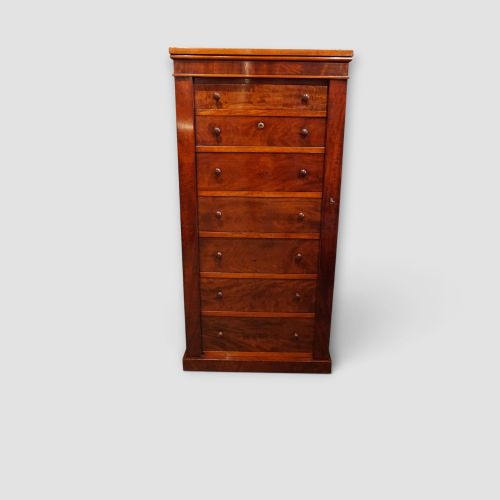
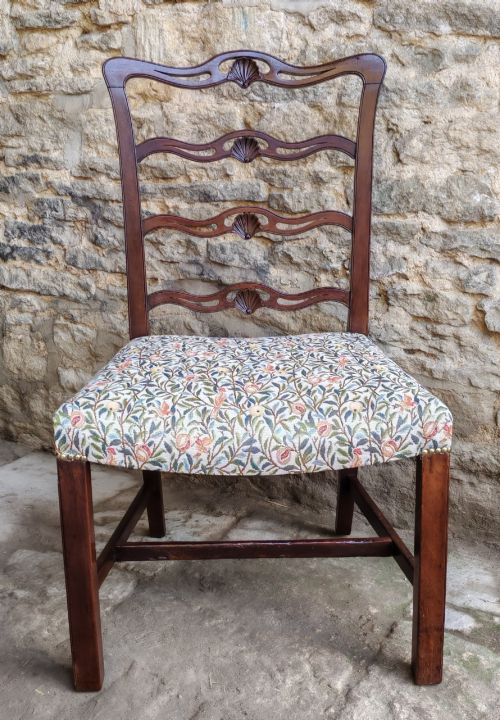
Victorian Side Desk
When you search for a victorian side desk, you find compact writing surfaces and smaller tables utilised for correspondence in period rooms.
Victorian Side Desk
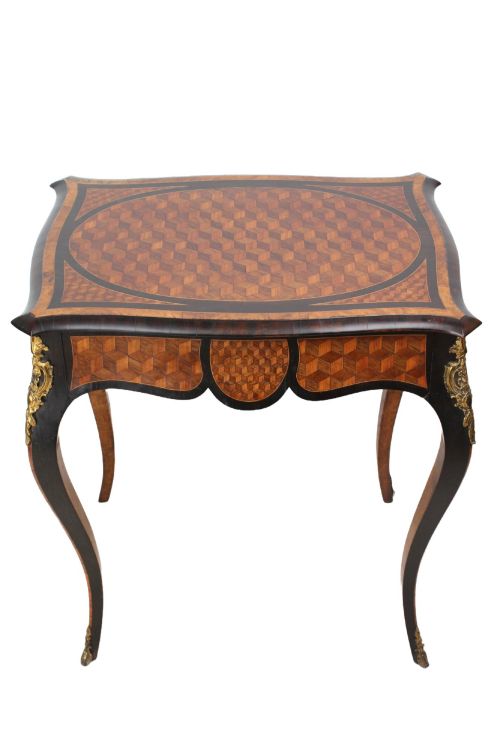
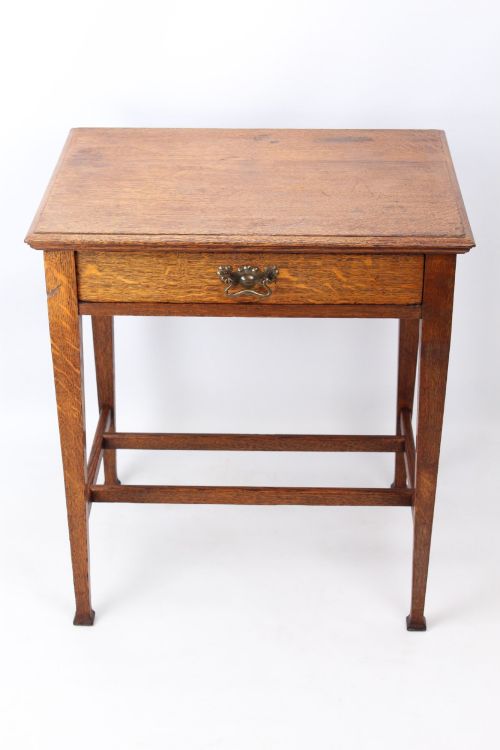
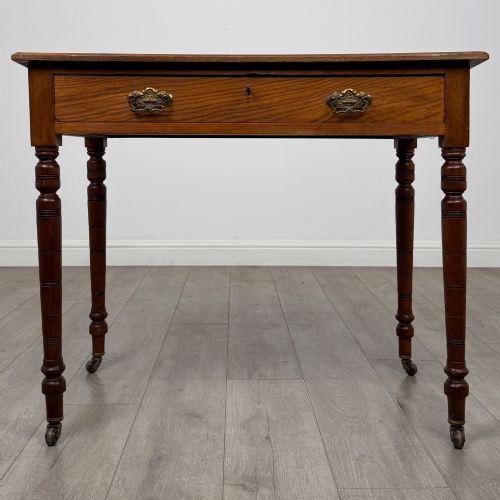
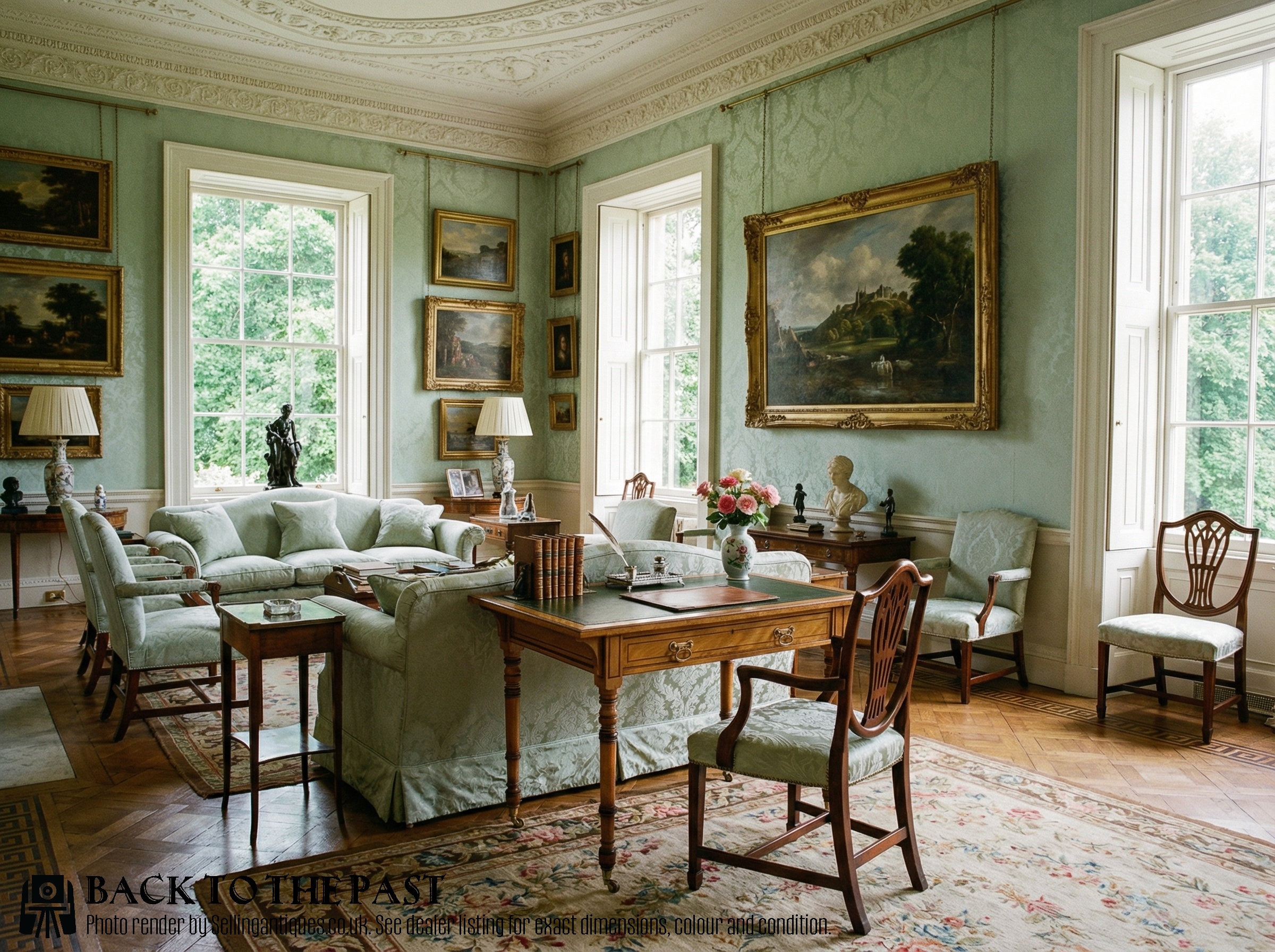
A victorian side desk encompasses compact writing tables, occasional tables with drawers, and smaller kneehole formats designed for domestic correspondence. These pieces bridge the gap between large library furniture and delicate dressing tables, appearing frequently in mahogany, walnut, and pine.
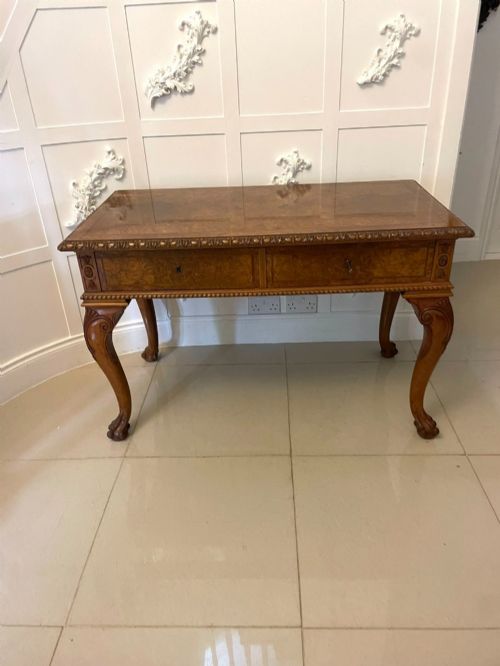
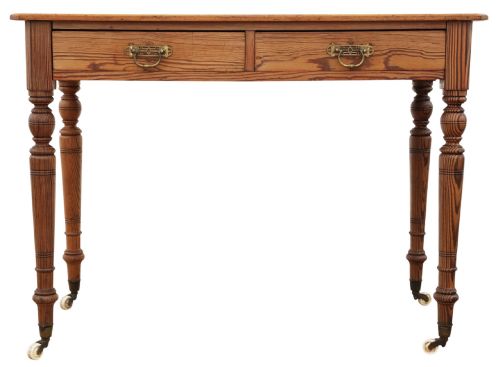
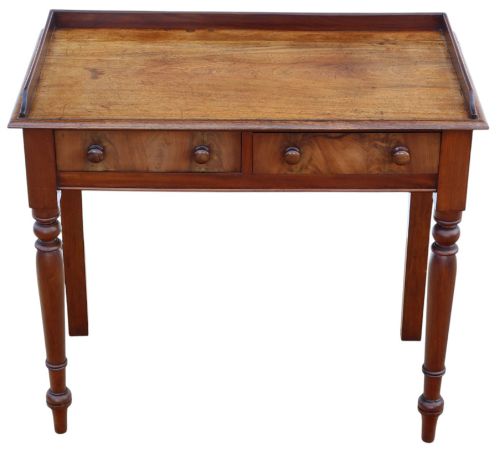
Makers adapted traditional forms to suit smaller nineteenth-century rooms, resulting in freestanding tables finished on all sides or fitted drawer units tailored for a single writer. The selection on this page demonstrates the wide variety of woods and regional English, Scottish, and continental workshop styles available from the era.
Materials and Techniques
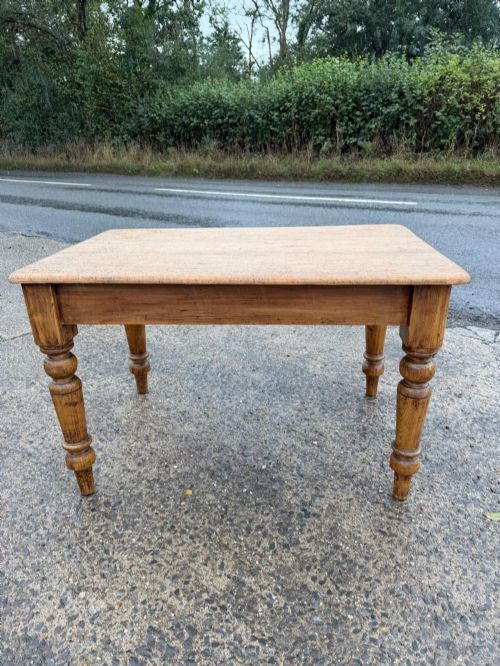
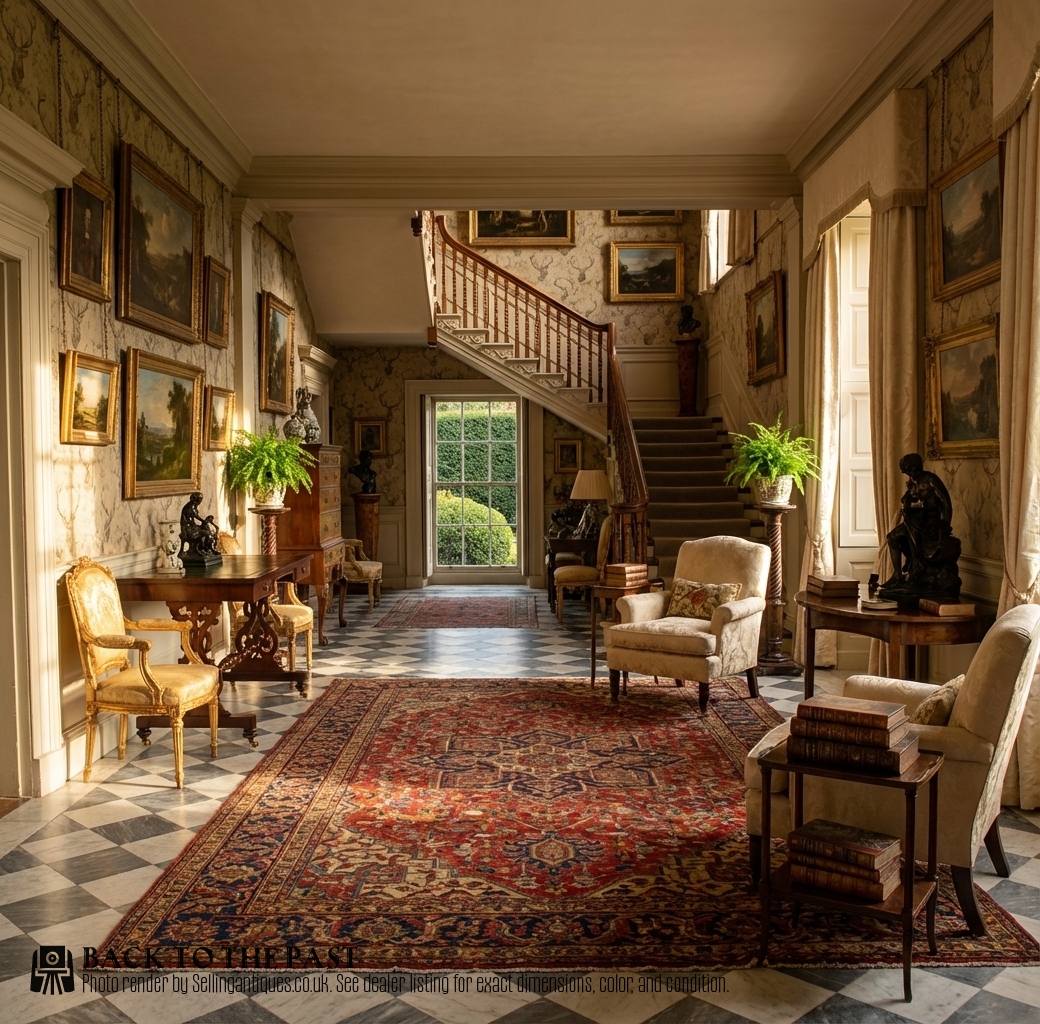
Cabinet makers utilised dense native and exotic timbers including mahogany, walnut, rosewood, and oak, often applying figured veneers to main writing surfaces and drawer fronts. Secondary woods like pine appear in drawer linings and internal framing.
Construction techniques include traditional dovetail joints on drawers, turned legs, and occasionally inlaid stringing or parquetry work. Many examples incorporate fitted leather writing inserts tooled with gold leaf borders.
Victorian Side Desk Retail Price Guide 2026
Typical asking prices for victorian side desk among the pieces listed under this phrase on Sellingantiques today, from the lower quarter to the upper quarter. They describe what is for sale here now, not the wider market.
Listings feature woods ranging from rich mahogany and walnut to lighter satinwood, oak, and painted pine.
Judging Quality
The standard of timber selection largely dictates the quality of a victorian side desk, with heavily figured burr veneers and solid mahogany displaying superior depth compared to plain secondary timbers. Finely cut dovetails and crisp carved detailing indicate skilled workshop production rather than mass output.
Original hardware such as brass locks, handles, and intact leather inserts preserve the integrity of the piece. Consistency in the secondary framing woods and minimal structural alteration separate standard utility tables from finer parlour items.

JAS Shoolbred·Mappin & Webb's·Maple and Co·Edward’s And Robert’s·Charles Andrea Nosotti·Gill & Reigate·Gillows
The Victorian Side Desk Glossary
- Frieze
- The horizontal structural section directly beneath the top surface of a table or desk, frequently housing one or more drawers.
- Partners desk
- A large double-sided writing table designed with drawers and cupboards on both faces so two people could work opposite each other.
- Davenport desk
- A compact nineteenth-century writing desk featuring a sloping, hinged top and a pedestal of side drawers.
- Parquetry
- Geometric wood mosaic work used to create patterned decorative designs on tabletops and desk surfaces.
- Satinwood
- A durable, light-yellow timber native to India and Sri Lanka, highly prized for fine cabinet work and contrasting inlay.
Victorian Side Desk: Frequently Asked Questions
What is a victorian side desk used for?
These pieces served primarily for letter writing, household accounts, and daily correspondence in sitting rooms or bedrooms.
Their modest proportions allowed them to sit against walls or beside larger pieces of furniture without dominating smaller Victorian domestic spaces.
How do I tell a side desk from a dressing table?
Side desks generally feature simpler frieze drawers without the fixed mirror superstructures typically associated with dressing tables.
Many retain leather writing surfaces or inkwell compartments rather than open wells for cosmetic jars.
Are these desks suitable for daily laptop use?
Their compact dimensions and shallow drawer depths mean modern laptops fit comfortably on top, though knee clearance varies by model.
Buyers should check internal drawer heights if storing contemporary electronic equipment inside.
How do I date a nineteenth-century desk?
Cabinet construction methods, timber choices, and prevailing aesthetic movements help establish a reliable decade for manufacture.
Heavier mahogany pieces often point to earlier decades, while ebonised finishes and satinwood inlay align with later Victorian tastes.