



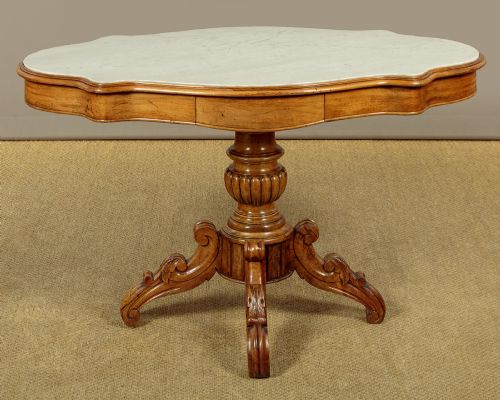
Victorian Shaped Top Table
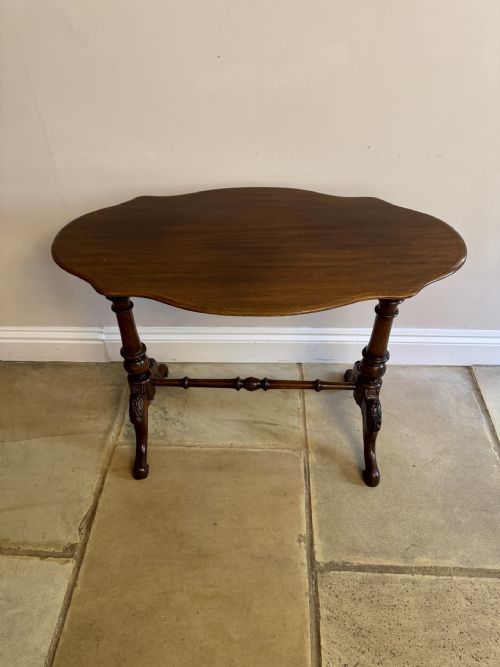
A victorian shaped top table brings varied curves and rich timber figures into a room, offering functional surfaces built with nineteenth-century cabinet-making skill.
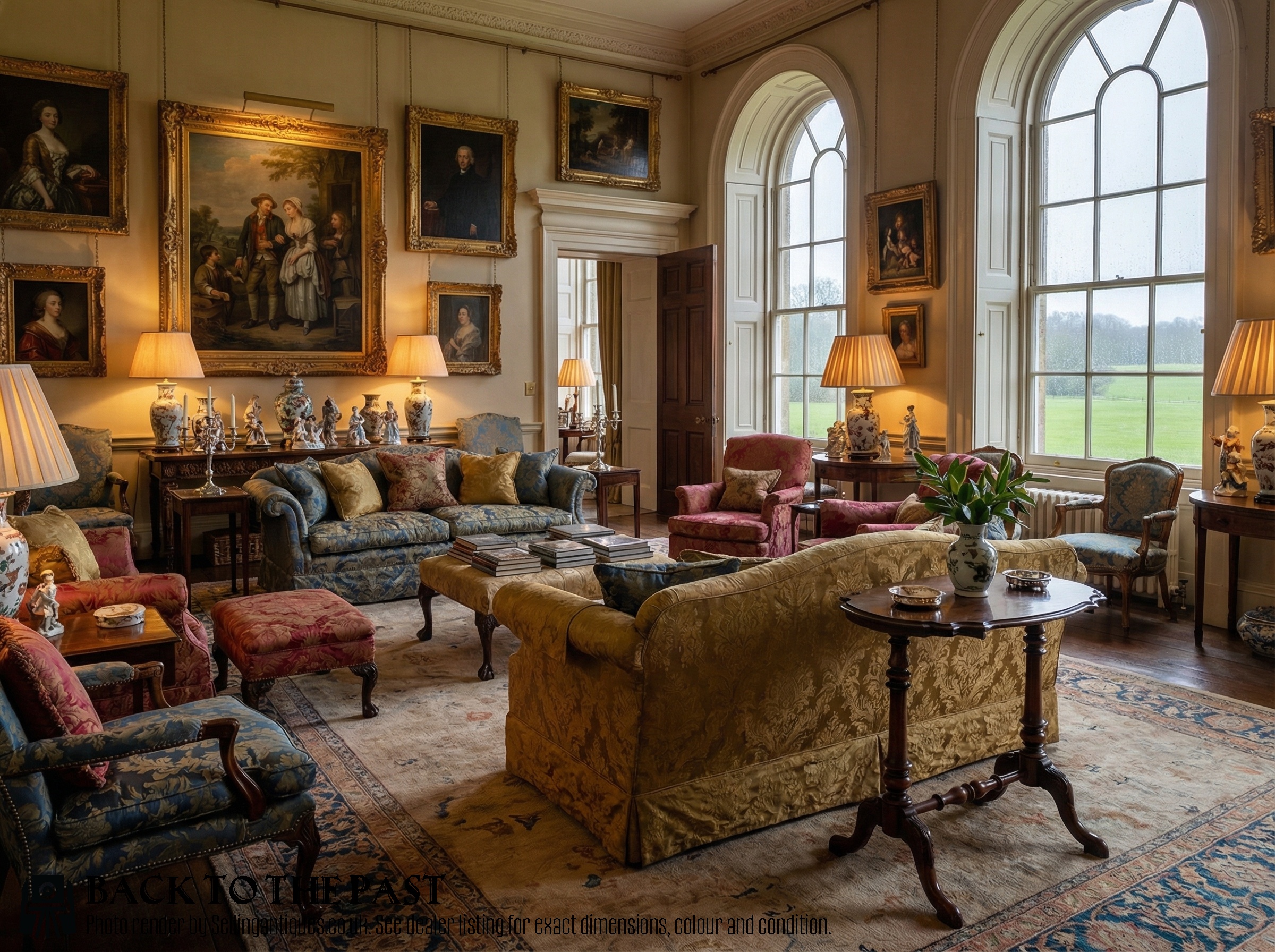
Victorian Shaped Top Table
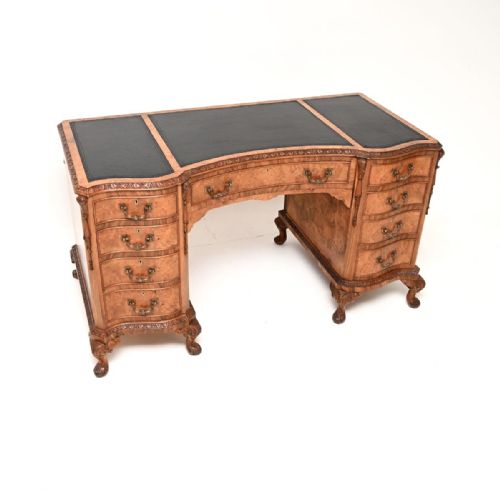
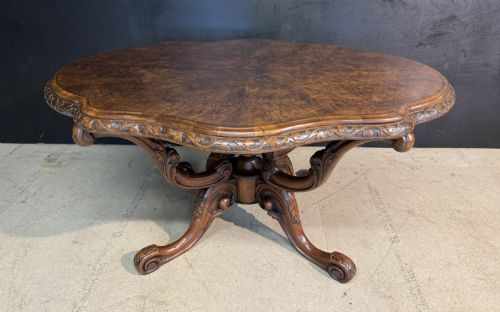
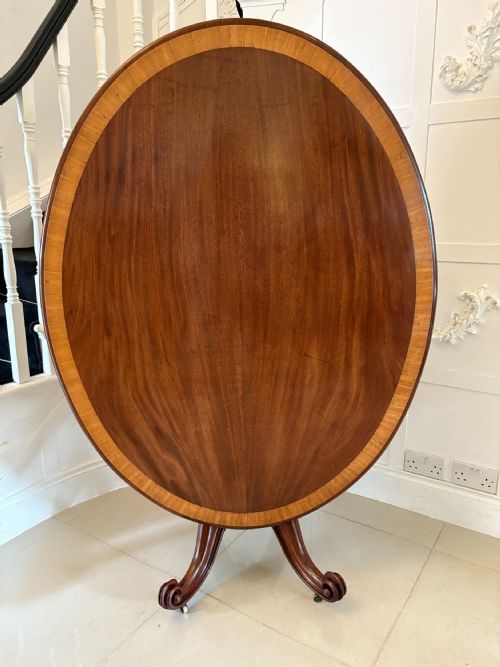
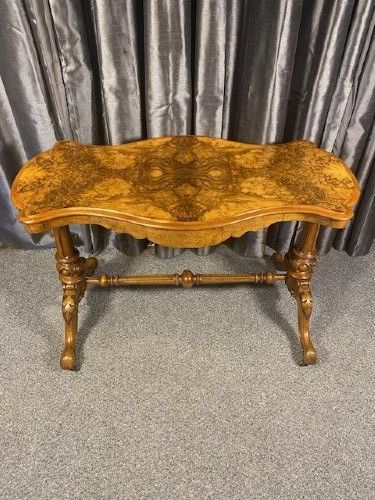
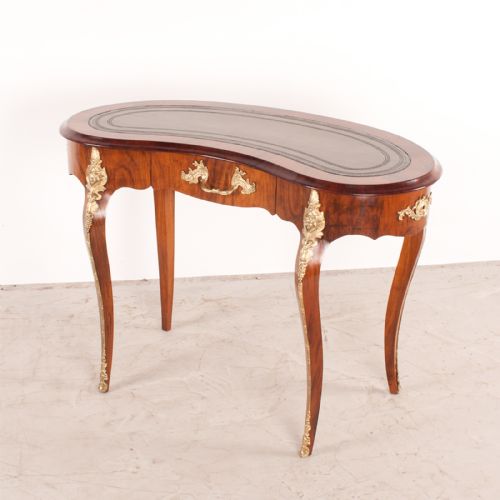
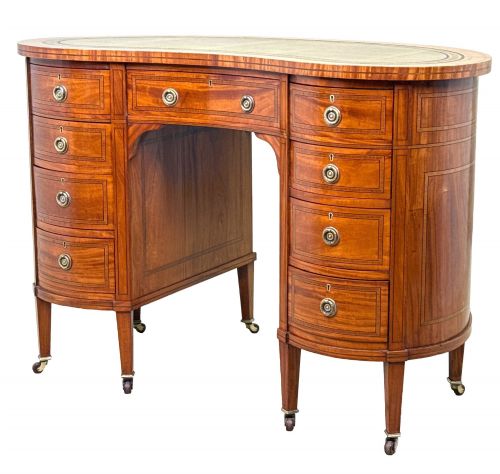
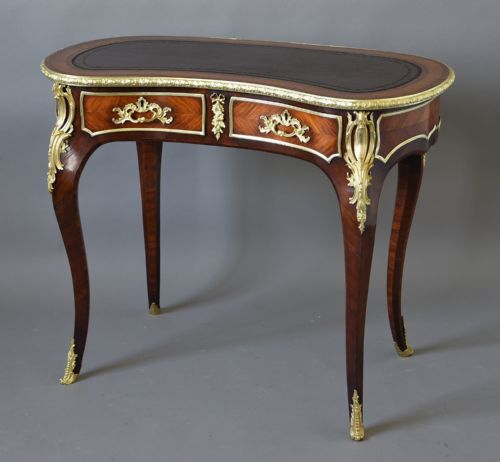
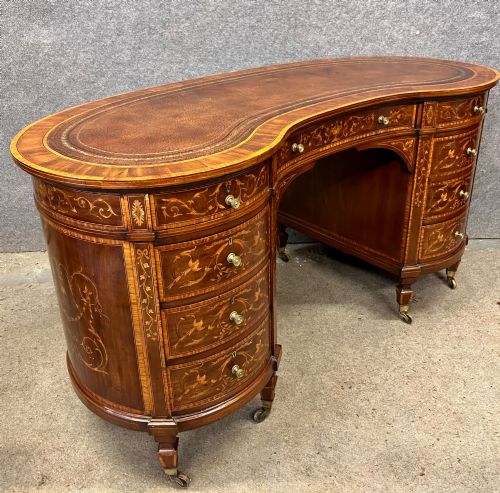
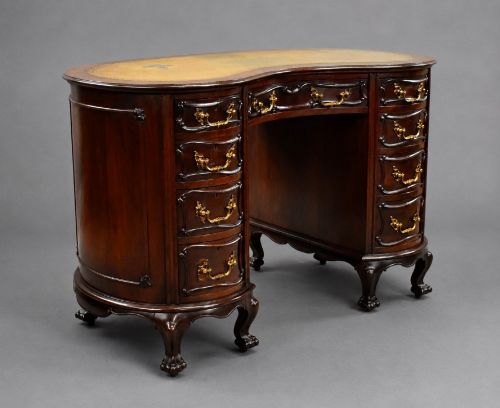
A victorian shaped top table encompasses diverse forms spanning centre tables, desks, card tables, and occasional pieces originating largely in the nineteenth century. Buyers encounter kidney-shaped writing tables, serpentine card tables, and oval pedestal designs frequently across this selection.
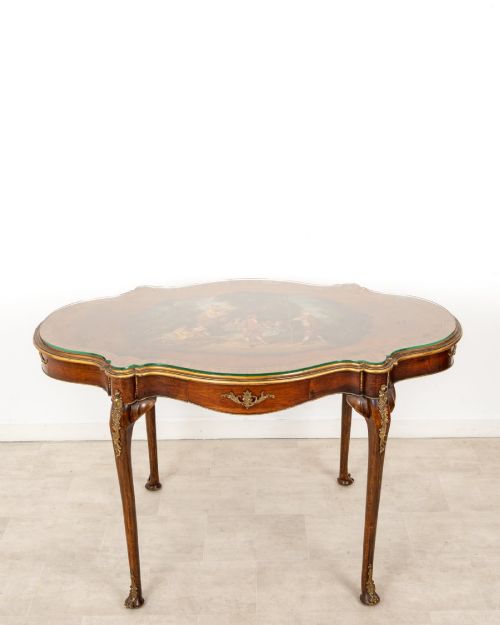
The materials span burr walnut, mahogany, rosewood, and satinwood, often enhanced with marquetry inlay or ormolu mounts. Makers adapted French styles alongside traditional English forms, creating distinct silhouettes with curved outlines.
Originating predominantly from the Victorian era alongside related nineteenth-century and Edwardian periods, these tables serve practical functions as desks, lamp tables, or centrepieces. Their varied top shapes define their character, distinguishing them from standard rectangular furniture.
How they were made
Cabinet-makers utilised dense hardwoods such as mahogany and rosewood, applying burr walnut veneers to curved surfaces to create rich grain patterns. Frames incorporate solid timbers supporting intricate marquetry and inlaid details.
Metal mounts in ormolu and brass accent many pieces, while leather inserts define writing surfaces on desks and tables. Construction relies on traditional joinery techniques adapted to undulating serpentine and kidney-shaped outlines.
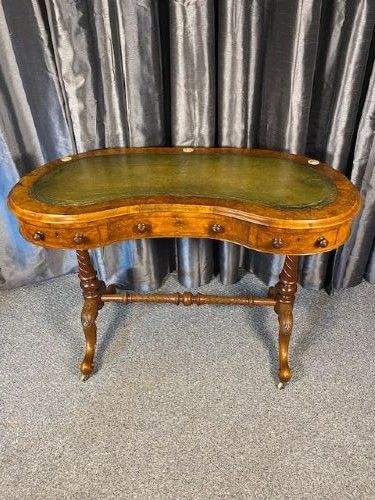
Writing desks shaped like kidneys offered ladies a comfortable curve to sit against while managing household correspondence.
What varies in quality
The refinement of the timber figure and the precision of the marquetry inlay determine the distinction between ordinary and superior examples. Artisans who selected highly figured burr walnut or satinwood achieved a depth of pattern that elevates the appearance of the entire piece.
The fluidity of the shaped outline and the integration of ormolu mounts dictate the overall success of the design. Master craftsmen maintained crisp lines along serpentine edges and curved legs, whereas lesser examples lack that deliberate proportion.
Wolfe & Hollander
The Victorian Shaped Top Table Glossary
- Kidney shaped
- A curved, indented desk or table top resembling a kidney bean. This form became popular for nineteenth-century ladies writing tables.
- Burr walnut
- A knotted timber growth sliced into thin decorative veneers. It displays complex, swirling grain patterns across table tops.
- Ormolu
- Gilded bronze mounts applied to furniture for decoration. French revival pieces utilise these metal details extensively.
- Serpentine
- A gently undulating line curving outward and inward. Table tops and desk fronts often feature this flowing profile.
- Marquetry
- Inlaid wood pieces arranged to form pictorial or geometric designs. Craftsmen embedded contrasting timbers into the primary surface.
Victorian Shaped Top Table: Frequently Asked Questions
How were these tables used originally?
Victorian households utilised these tables for specific social and domestic tasks. Kidney-shaped examples served primarily as writing desks for correspondence.
Other variants acted as centre tables for display, lamp tables for illumination, or fold-over card tables for evening entertainment.
How do I care for a veneer surface?
Polished timber surfaces require simple dusting with a soft, dry cloth to maintain their finish. Avoid placing furniture near direct heat sources or strong sunlight to prevent veneer lifting and fading.
Occasional application of appropriate wax polish nourishes the old wood without building up heavy residues.
How are different periods identified?
Identifying periods relies on observing construction methods, timber choices, and stylistic influences. Mid-nineteenth-century pieces often display robust mahogany or figured walnut with restrained carving.
Later Victorian and Edwardian examples frequently incorporate lighter satinwood, delicate marquetry, or overt French revival styling.