


Victorian Seascape Oil
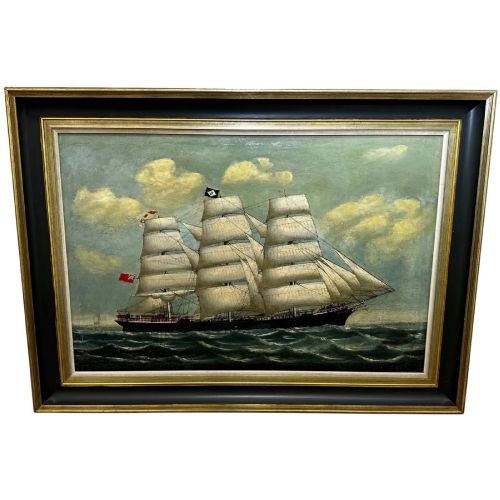
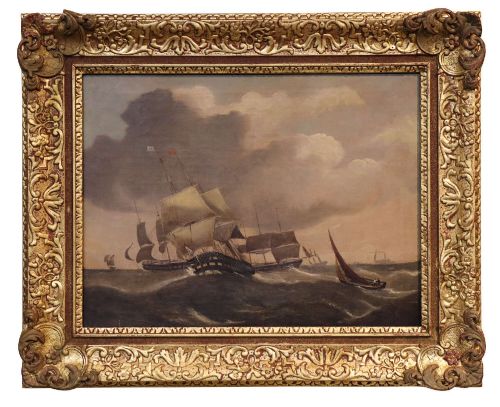
A victorian seascape oil captures the dramatic pull of coastal weather, bustling harbour life and merchant shipping across nineteenth-century canvas.
Victorian Seascape Oil
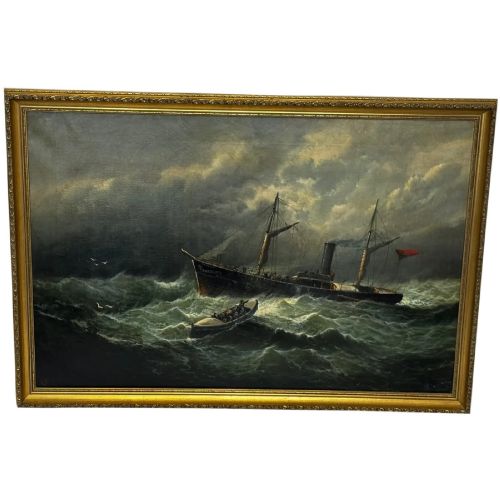
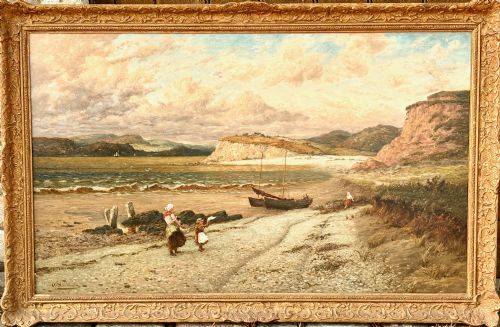
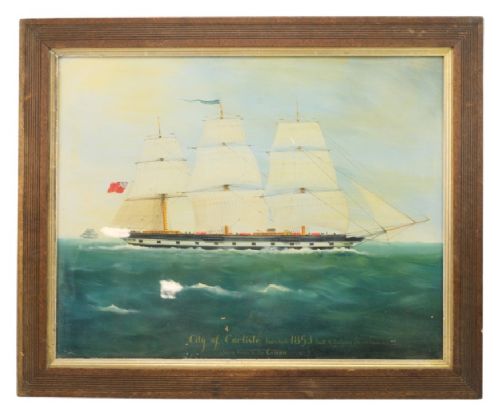
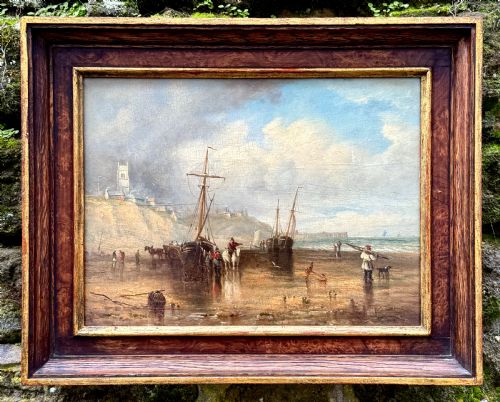
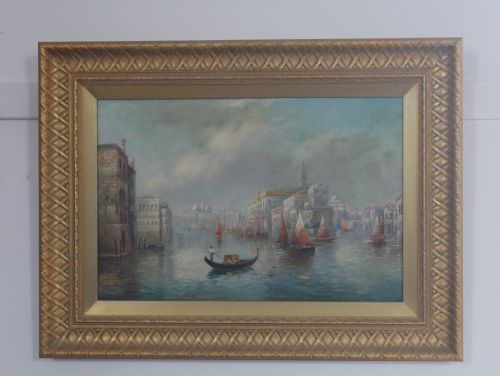
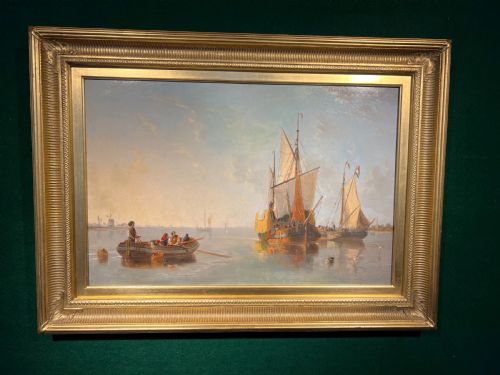
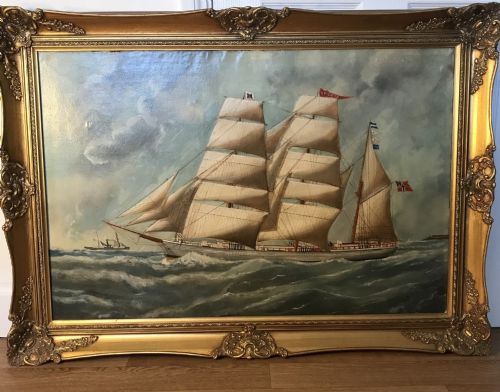
A victorian seascape oil typically depicts coastal scenes, choppy seas, merchant vessels and busy harbour entrances dating from the nineteenth century. These artworks reflect a period deeply connected to maritime trade, naval power and seaside leisure.
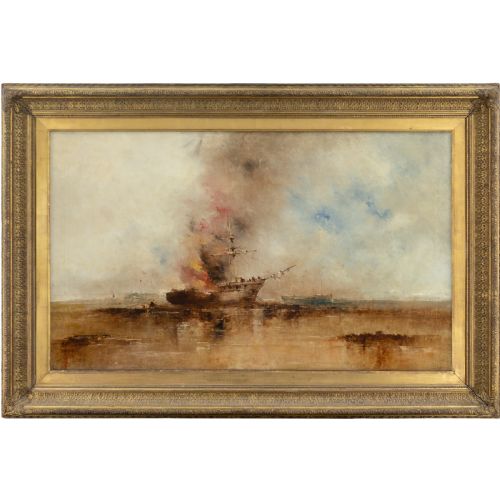
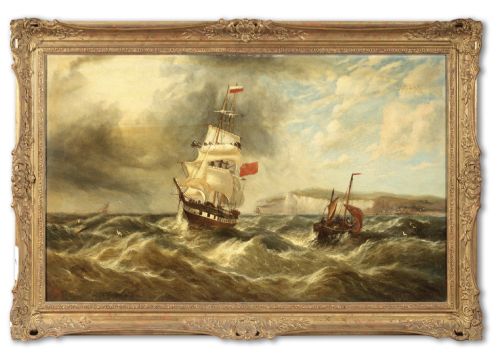
Most examples found in this collection utilise traditional canvas or board supports, often framed in decorative giltwood. Subjects range from calm estuaries and fishing boats to dramatic shipwrecks and heavy gales off the British coast.
Materials and technique
Artists applied oil paint to stretched canvas or wooden board, building up texture with brushes and palette knives to render turbulent water and billowing sails. Gold leaf and heavy gilt wood frames were frequently utilised to enhance the presentation of the finished paintings.
Pigments captured the changing light of marine environments, from misty dawn calms to the dark palettes of stormy North Sea waters. Many works bear the signatures of named nineteenth-century painters or remain attributed to recognised regional schools.
Listings feature nineteenth-century oil paintings on canvas and board, highlighting coastal scenes, shipping and maritime weather.
Assessing quality and execution
Quality rests in the artist's handling of water movement, atmospheric light and maritime rigging accuracy. Finer paintings convey convincing depth in stormy waves and precise architectural detail in harbour buildings or shipping vessels.
The condition of the original oil paint surface and the integrity of the period gilt frame contribute substantially to the standing of each piece. Skilled brushwork distinguishes competent regional records from masterworks of marine art.
William McAlpine·John Rose Miles·William Broome·Francis Moltino·Bernard Benedict Hemy·Thomas Creswick·John Wilson Carmichael·Lai Fong·Joseph Farquharson·John Moore of Ipswich·William Henry Williamson·John Holland·Abraham Hulk I·Charles William Wyllie·William Edward Webb·Gustave De Bréanski·Daniel Sherrin·Stanley Leader·William Greaves·T.S. Wallis·Charles Sim Mottram·Henry E Tozer
The Victorian Seascape Oil Glossary
- Canvas
- A heavy woven fabric stretched across a wooden frame to serve as a foundation for oil painting. It provides a flexible yet durable surface favoured by nineteenth-century artists.
- Giltwood
- Wood carved and coated with thin layers of gold leaf or metallic gilt paint. This material forms the ornate frames frequently accompanying Victorian fine art.
- Marine art
- Painting or visual depiction that focuses on ships, shipping, coastal views and the sea. This genre encompasses both calm coastal scenes and dramatic maritime weather.
- Sea stack
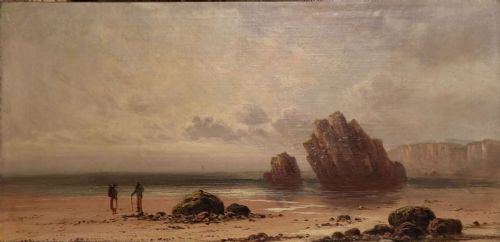
- A geological landform consisting of a steep and often vertical column or columns of rock in the sea. They frequently appear in coastal paintings to emphasise rugged shorelines.
Victorian Seascape Oil: Frequently Asked Questions
What subjects appear in these paintings?
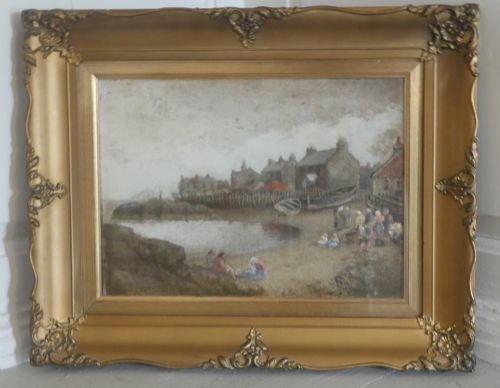
These works feature British merchant ships, fishing boats, rocky coastlines, busy village harbours and dramatic maritime rescues.
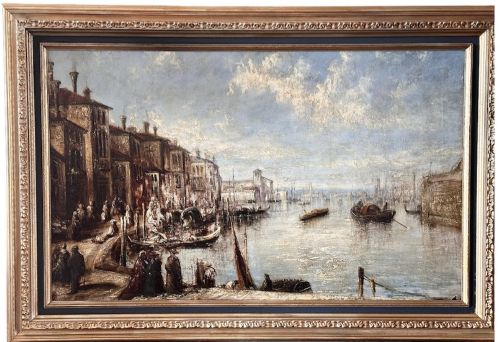
Scenes frequently document specific locations such as Venice, the River Thames, Morecambe Bay and various coastal ports.
How should I display an antique oil painting?
Hang paintings away from direct sunlight, excessive heat sources and damp walls to protect the canvas and oil pigments.
Keep the original gilt frame dusted gently with a dry, soft cloth without applying liquid cleaning products.
How do I identify the date of a maritime painting?
Look for artist signatures, exhibition labels on the reverse, and stylistic clues within the rigging of depicted vessels and maritime clothing.
Period frames often provide helpful context, though paintings were sometimes reframed later in the nineteenth century.
Are these paintings signed by the artist?
Many examples bear the artist signature or monogram directly on the canvas, while others remain attributed to specific schools or circles.
Unsigned works are often identified through stylistic comparisons with known nineteenth-century marine painters.