





Antique Ocean Scene
An antique ocean scene captures the restless motion of the sea on canvas or paper, bringing the atmosphere of nineteenth and early twentieth-century coasts directly into a room.
Antique Ocean Scene
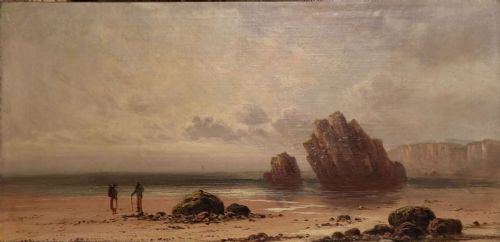
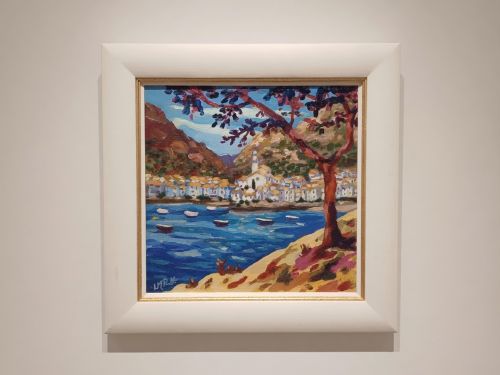
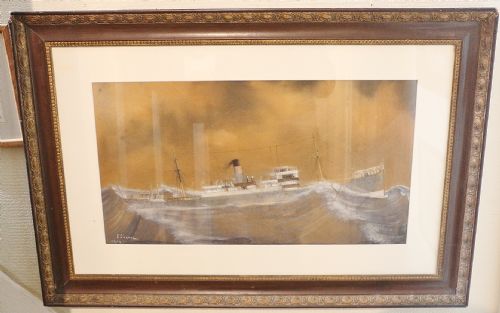
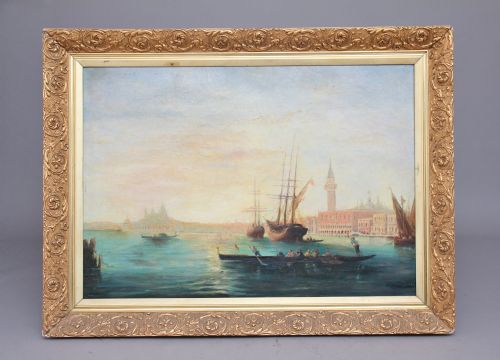
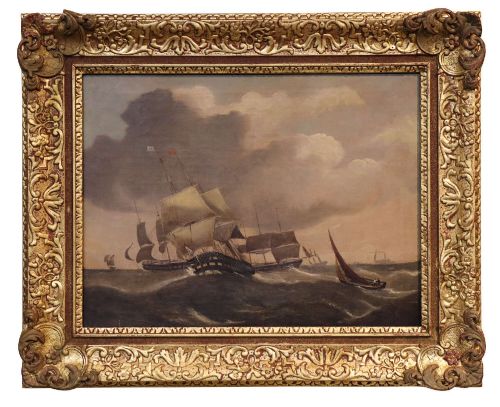
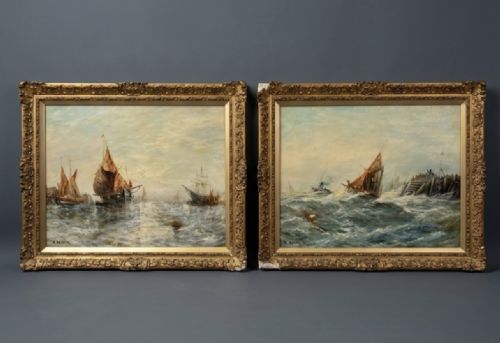
An antique ocean scene comprises oil paintings, watercolours, and works on board depicting coastal harbours, choppy seas, and marine vessels. These works record maritime life, from rocky shores and fishing boats to dramatic shipwrecks and serene lagoons.
The pieces on this page span the nineteenth century through the early twentieth century, taking in Victorian marine art, Edwardian coastal views, and early modernist British and European impressionism. Most examples arrive framed, often in period gilt wood or ebonised surrounds.
How they were made
Painters of this subject worked primarily in oil paint on canvas or board, or applied watercolour washes to heavy paper. Oil allowed for heavy impasto to render foaming surf and heavy seas, while watercolour captured the translucent light of harbours and estuaries.
Works were housed in bespoke wooden frames, frequently finished with heavy gilding or simple mouldings designed to complement the palette of the marine subject within.
Several Victorian artists clearly preferred painting stormy seas over calm waters, ensuring generations of viewers stay safely dry while admiring a shipwreck.
What varies in quality
Quality rests in the handling of light and movement, distinguishing dynamic depictions of rough water and atmospheric skies from stiff, formulaic representations of vessels. The confidence of the brushwork in rendering waves, rigging, and coastal architecture marks the hand of a skilled marine artist.
The survival of the original surface, the depth of the pigment, and the integrity of the period frame contribute significantly to the standing of any individual piece.
John E. Aitken·William Banks Fortescue·Gustave De Bréanski·Thomas Bush Hardy·Arthur Joseph Meadows
The Antique Ocean Scene Glossary
- Seascape
- A work of fine art depicting the sea, coastlines, or maritime activity. These pieces focus primarily on water and weather rather than land.
- Impasto
- Paint applied thickly to a canvas or board so that it stands proud of the surface. This technique creates physical texture, often used to render churning water or sea foam.
- Gilt wood
- Timber carved or moulded and coated with a thin layer of gold leaf or metallic gilt paint. It is typical of nineteenth-century picture framing.
- Impressionism
- An art style characterised by relatively small, thin, yet visible brushstrokes and an emphasis on accurate depiction of light. In marine contexts, it captures shifting weather and coastal atmosphere.
Antique Ocean Scene: Frequently Asked Questions
How do I date an antique ocean scene?
Dating relies on stylistic markers, costume in any figures, the type of canvas or paper, and the framing materials. Victorian works often show dramatic narratives or detailed shipping, while later pieces adopt looser impressionistic brushwork.
Signatures, dates inscribed on the reverse, and labels from period framers or exhibitions offer further confirmation of the period.
Where should I hang a marine painting?
These works suit spaces with good natural light, though direct sunlight should be avoided to protect nineteenth-century pigments and watercolours. They pair well with neutral walls that allow the tones of the water and sky to stand out.
Consider room humidity and temperature stability, particularly for oil paintings on canvas and works on paper behind glass.
What is the difference between oil and watercolour marine art?
Oil paintings use thick pigments on canvas or board, offering rich textures and deep tones capable of rendering stormy seas and dramatic light. Watercolours are executed on paper, providing a lighter, more transparent quality well suited to bright coastal harbours.
Watercolours require protective glass framing, whereas oils on canvas remain open to the air beneath their protective varnish.
How do I care for antique canvas paintings?
Keep paintings away from sources of excessive heat and moisture to prevent the canvas from slackening and the wood from warping. Dust the surface gently with a soft, dry brush without applying pressure.
Avoid using liquid cleaners or attempting amateur restoration on aged varnish or paint layers.