

Victorian Seascape Canvas
A victorian seascape canvas captures maritime life and coastal drama through oil on canvas, offering a direct window into nineteenth-century naval history.
Victorian Seascape Canvas
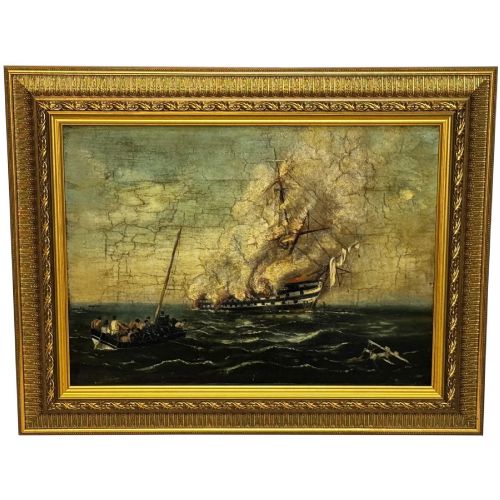
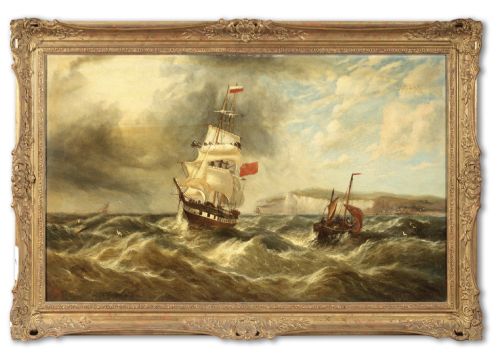
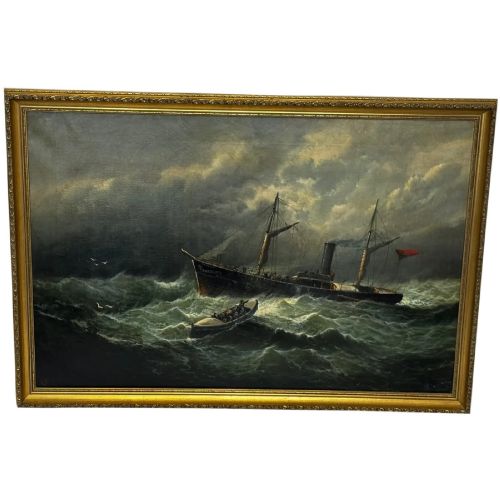
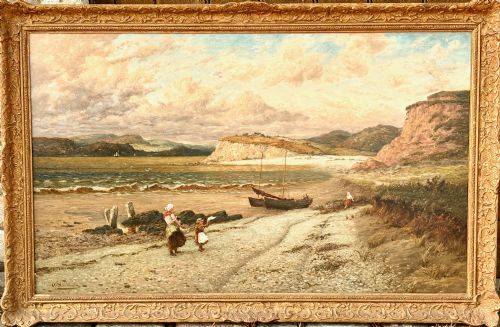
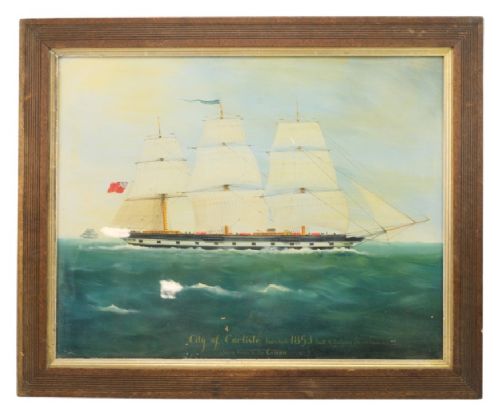
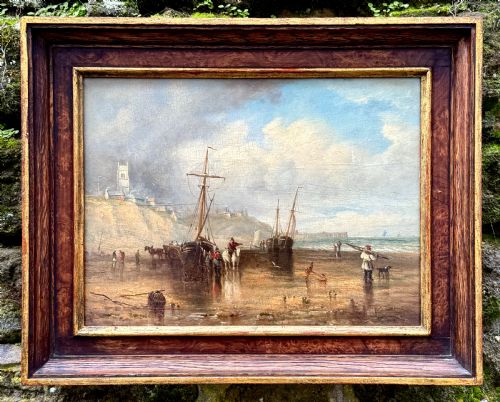
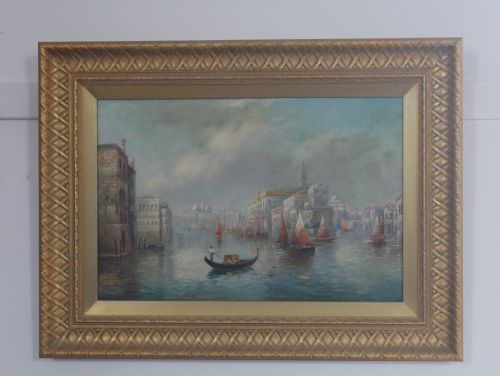
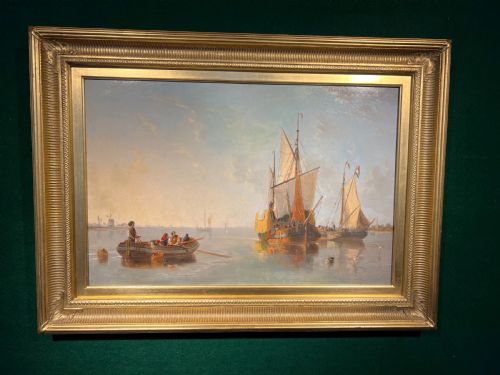
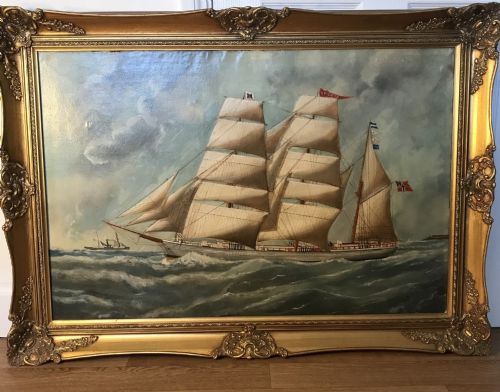
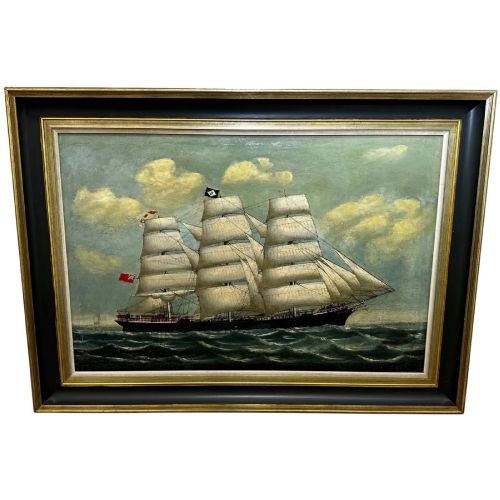
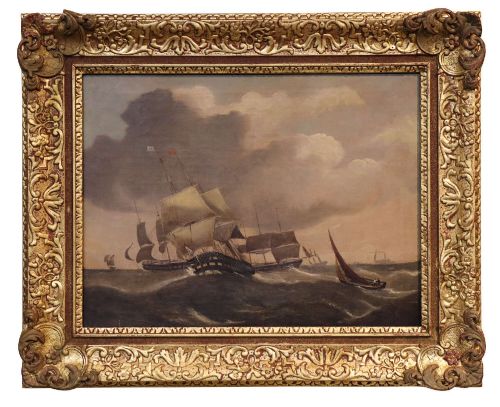
When you search for a victorian seascape canvas, you encounter nineteenth-century oil paintings depicting coastal views, stormy seas, and shipping vessels. These artworks record maritime activity from local fishing boats near village ruins to grand three-masted schooners on rough waters. The majority of pieces belong to the Victorian era and the broader nineteenth century, reflecting the period's fascination with marine art.
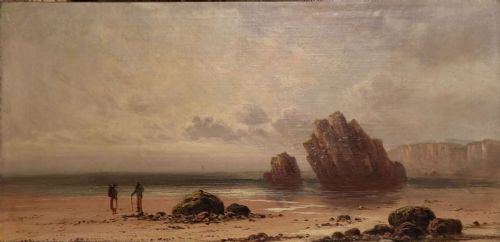
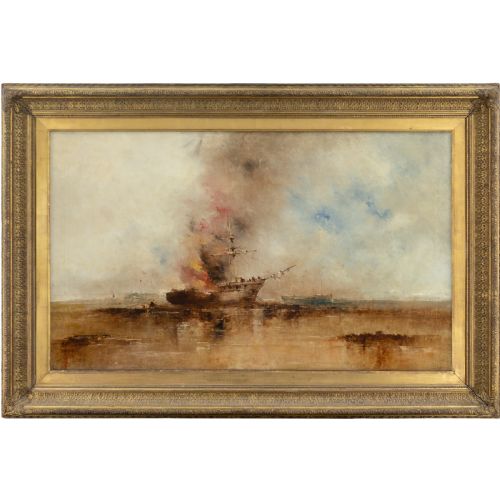
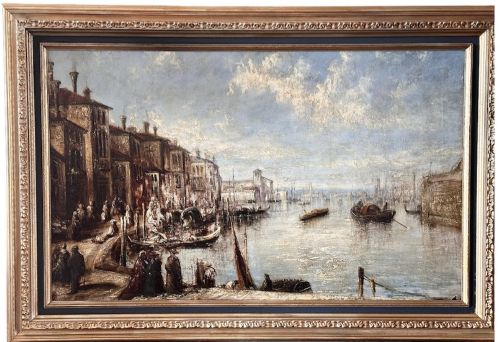
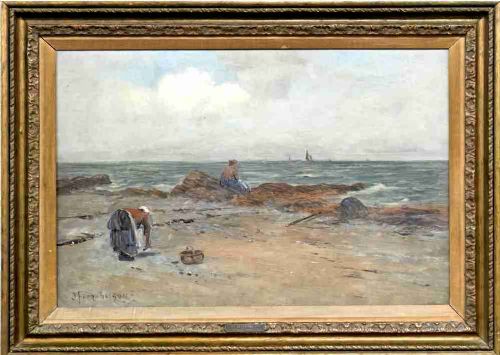
Subjects range from calm river scenes and serene sunsets to dramatic shipwrecks and bustling harbour views. You will find works originating from English, Scottish, and international settings, including specific coastal locations like the Isle of Man, Venice, and Scarborough. These paintings function as both historical records of maritime trade and windows into nineteenth-century realism.
The format of a victorian seascape canvas typically involves oil paint applied to stretched canvas, frequently housed within period frames. Works span from intimate cabinet paintings to expansive canvases measuring several feet across. This diversity allows collectors to find pieces suited to various display spaces while maintaining authentic nineteenth-century provenance.
How They Were Made
Artists painted primarily in oil paint on canvas, building up layers of pigment to capture shifting light on water and the moody tones of coastal skies. Canvas was stretched over wooden frames, providing a stable surface for detailed brushwork that defined everything from distant lighthouses to turbulent waves.
Many surviving works retain their original giltwood or gesso frames, which were ornamented with gold leaf to complement the maritime subject matter. The combination of oil on canvas within decorative wooden frames represents the standard framing and mounting technique of the period.
Materials recorded in the listings include oil on canvas, gold leaf, gesso, and giltwood frames.
What Varies in Quality
Quality in a victorian seascape canvas rests on the artist's ability to render water, light, and atmospheric conditions with conviction. Master hands capture the weight of heavy seas and the specific rigging of vessels with precision, whereas lesser works rely on formulaic waves and generic hulls.
The handling of maritime architecture, such as lighthouses, pier structures, and shipping yards, demonstrates the painter's observational skill. Works by recorded artists or attributed school members often display superior compositional balance and pigment retention compared to anonymous student pieces.
William McAlpine·John Rose Miles·William Broome·Francis Moltino·Bernard Benedict Hemy·Thomas Creswick·John Wilson Carmichael·Lai Fong·Joseph Farquharson·Nicholas Condy·William Henry Williamson·John Holland·Abraham Hulk·Charles William Wyllie·William Edward Webb·Gustave De Bréanski·Daniel Sherrin·Stanley Leader·William Greaves·T.S. Wallis·Charles Sim Mottram·George Gregory·James Webb·John Douglas Perrett·Claude Thomas Stanfield Moore
The Victorian Seascape Canvas Glossary
- Gesso
- A plaster-like material applied to wooden frames as a base for gilding. This mixture provides a smooth surface for gold leaf application.
- Giltwood
- Wood that has been coated with a thin layer of gold leaf. Frames finished in this manner were standard for nineteenth-century fine art.
- Oil on Canvas
- A painting medium where pigments are suspended in drying oils and applied to a woven fabric support. This technique allowed artists to achieve rich colour depths and subtle tonal shifts.
- Marine Art
- Works of art that focus significantly on the sea, ships, and coastal views. This genre encompasses historical naval battles, merchant shipping, and quiet harbour scenes.
Victorian Seascape Canvas: Frequently Asked Questions
How do I identify a Victorian seascape?
Look for nineteenth-century costume, ship types typical of the era, and traditional oil painting techniques on canvas. Signatures, period framing, and artist attribution also help date the work.
Subject matter often includes commercial sailing ships, paddle steamers, or coastal rescue scenes characteristic of nineteenth-century maritime interests.
Where were these paintings displayed?
Nineteenth-century owners typically hung marine paintings in domestic reception rooms, shipping offices, and maritime institutional spaces. These artworks signalled an appreciation for naval trade and coastal exploration.
Today, collectors place them in studies, living rooms, and hallways where traditional lighting highlights the texture of the oil paint and the detail of the gilt frame.
Did artists paint these en plein air?
While artists sketched coastal views outdoors, most finished large-scale canvas works in studio settings based on preliminary watercolours and observations. This method allowed them to manage complex maritime compositions.
Field sketches captured transient weather effects, which were then translated onto larger canvases with detailed rigging and shipping accuracy.
What subjects are most common?
Common subjects include merchant vessels in rough seas, fishing boats near rocky shores, and tranquil harbour views with local figures. Coastal landmarks such as lighthouses and ruined castles frequently anchor the composition.
Scenes of specific historical events, such as troop transports or dramatic shipwrecks, also appear regularly among nineteenth-century maritime works.