

Victorian Rosewood Sofa
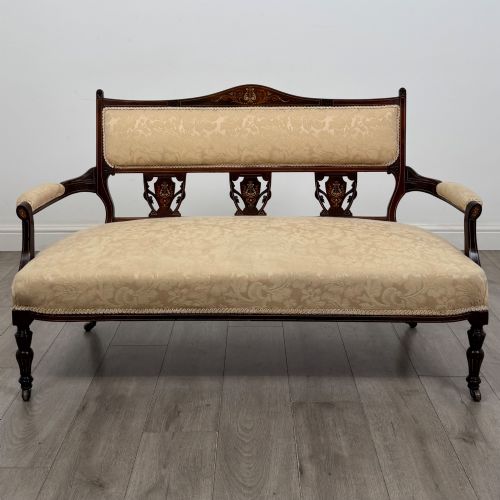
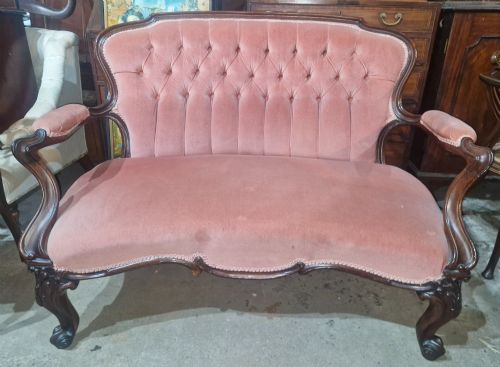
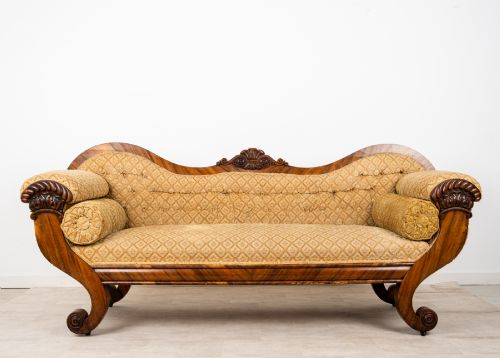
A Victorian rosewood sofa combines rich dark timber with generous upholstery, offering nineteenth-century seating designed to anchor a formal drawing room.
Victorian Rosewood Sofa
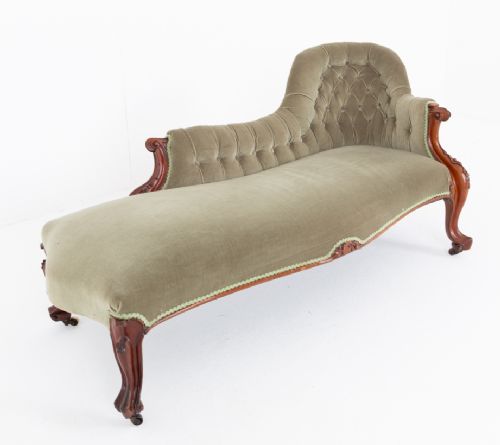
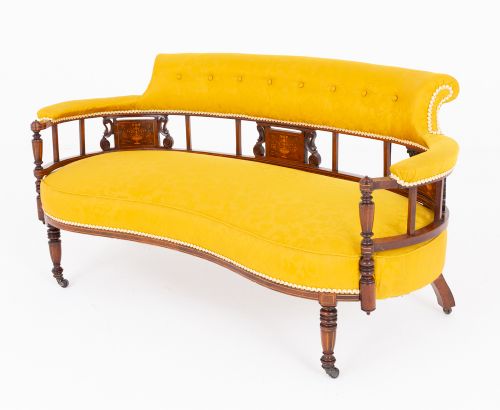
A victorian rosewood sofa encompasses a range of nineteenth-century seating, including cameo back settees, double-ended couches, and showframe sofas. These pieces reflect the evolving tastes of the Victorian period, moving from heavy carved frames to more delicate inlaid designs.
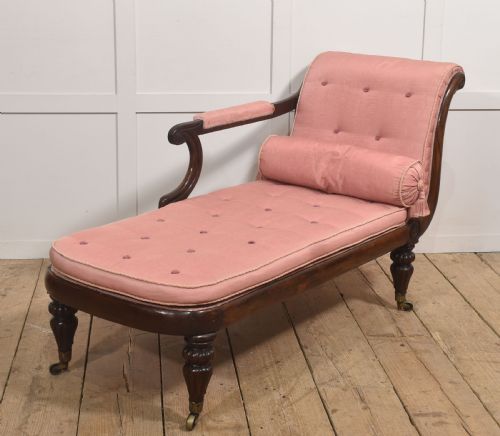
Buyers will encounter various configurations on this page, spanning early Victorian examples through to late Victorian and Edwardian interpretations. Forms range from large country house settees to smaller twin sofas and day beds.
Origin influences the character of these pieces, with English workshops sitting alongside Anglo-Indian variations. Alongside traditional sofas, the selection frequently includes related forms like chaise longues and window seats.
Materials and Construction
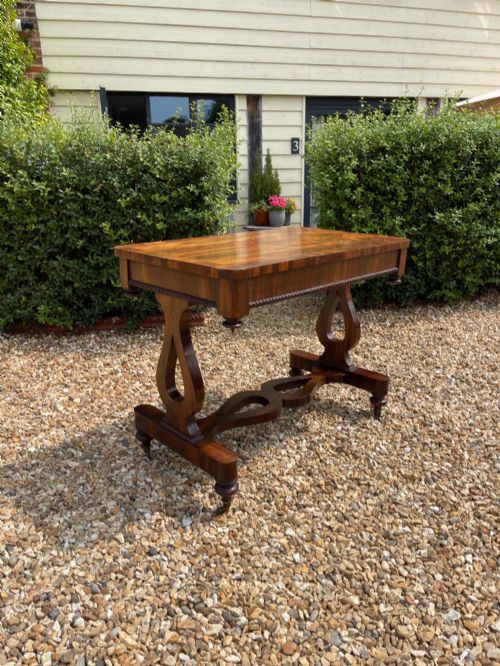
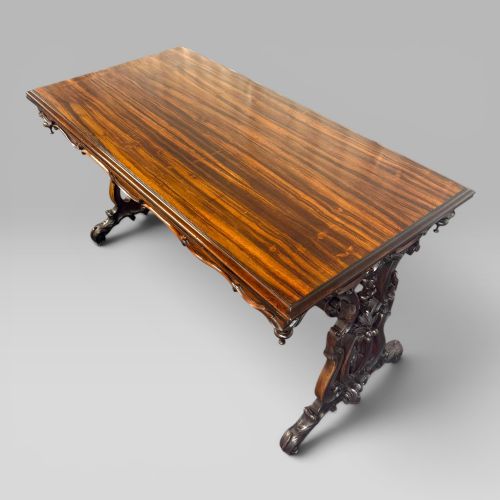
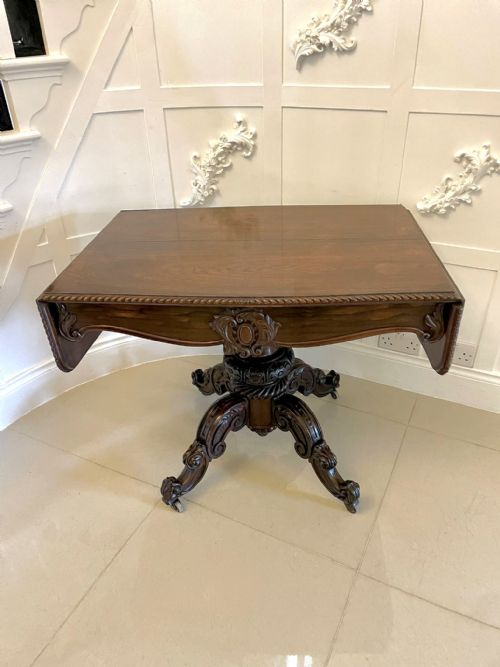
Makers utilised dense rosewood, occasionally incorporating Rio rosewood or zebrawood, selected for its deep grain and rich colour. Timber was often shaped into carved scroll ends, showframes, or applied as fine veneers on tables and cabinet work associated with seating suites.
Upholstery formed a central part of construction, utilising traditional webbing, horsehair stuffing, and heavy fabric or velvet coverings. Artisans also employed decorative inlay using lighter timbers like satinwood, brass accents, and occasional cane seating.
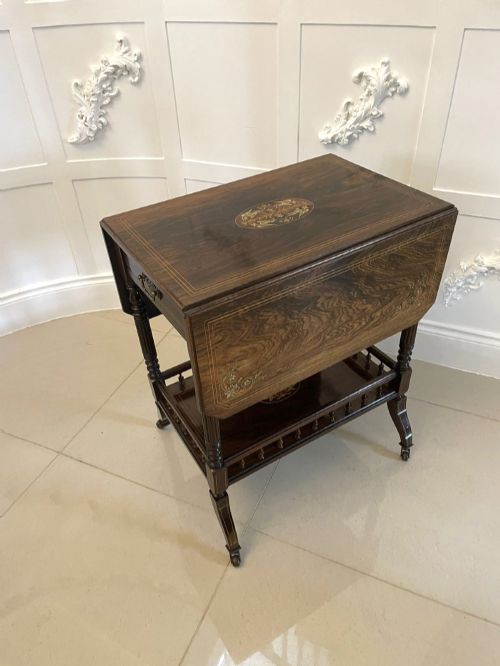
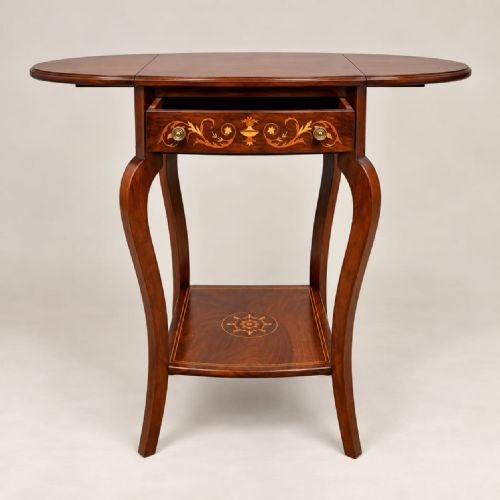
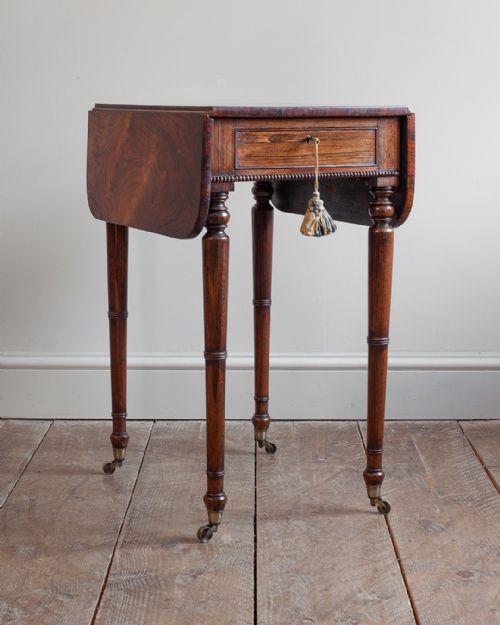
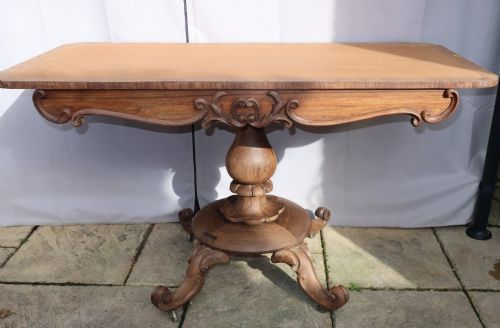
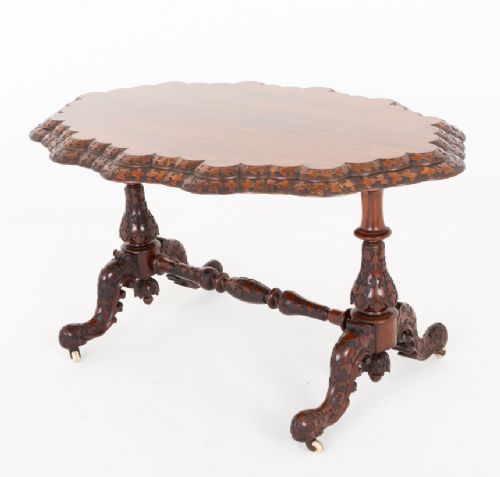
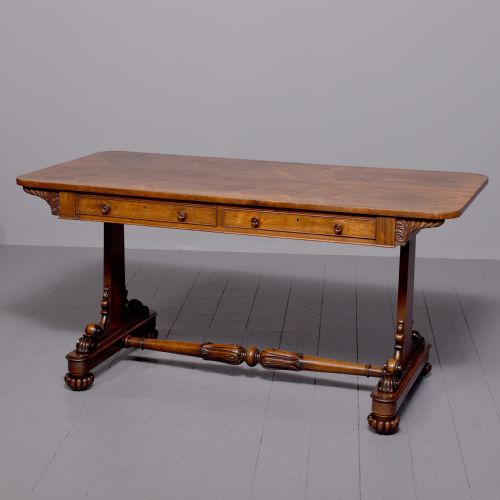
Listings feature nineteenth-century forms ranging from heavy rosewood centre tables to inlaid Pembroke and Sutherland tables.
Evaluating Quality and Craftsmanship
Excellence in a nineteenth-century sofa rests upon the depth and crispness of the timber carving, particularly on scroll ends and showframes. Superior pieces display fluid, hand-carved details that integrate harmoniously with the structural lines of the frame.
The choice and execution of secondary materials dictate the standing of a piece within its period. Finely figured rosewood veneers, precise satinwood inlay, and robust internal framing separate workshop-produced furniture from standard commercial output.
Mein of Kelso·H. Goodall & Sons·Gillow
The Victorian Rosewood Sofa Glossary
- Showframe
- A wooden sofa frame where the polished timber is exposed around the upholstered sections rather than being entirely covered. This highlights the carved detail and quality of the rosewood.
- Cameo Back
- A style of sofa back featuring an oval or shield-shaped upholstered panel framed by carved wood. It became popular during the mid-Victorian era.
- Double-Ended Settee
- A sofa design featuring matching scrolled ends at both sides, allowing a person to recline comfortably in either direction. These are often upholstered in velvet or patterned fabric.
- Aesthetic Movement
- A late nineteenth-century design style focusing on artistic value rather than narrative storytelling. Furniture from this movement often exhibits simpler lines and Japanese-inspired details.
Victorian Rosewood Sofa: Frequently Asked Questions
How do I care for a antique rosewood sofa?
Keep the timber nourished with a quality beeswax and avoid placing the piece in direct sunlight to prevent the deep rosewood grain from fading over time.
Vacuum the upholstered surfaces gently with a soft brush attachment and consult a professional conservator for deep cleaning of period fabrics.
Were these sofas used in formal rooms?
Yes, larger settees and cameo back sofas served as principal seating in Victorian drawing rooms and formal parlours, where entertaining guests took place.
Smaller window seats and day beds were frequently placed in bedrooms, dressing rooms, or quieter withdrawing spaces.
How can I tell early Victorian from late Victorian pieces?
Early Victorian furniture generally displays heavier proportions, robust scrolling, and deep carved mahogany or rosewood frames inspired by earlier Regency and William IV traditions.
Late Victorian examples often incorporate lighter frames, delicate marquetry inlay, and stylistic influences from the Aesthetic movement.