


Victorian Rosewood Casket
A victorian rosewood casket brings warmth and polished grain to a dressing table, serving as a sturdy keeper for letters or trinkets.
Victorian Rosewood Casket
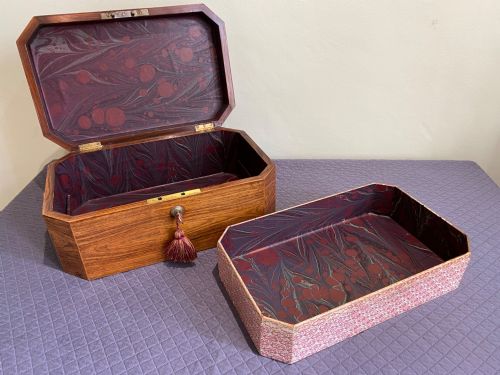
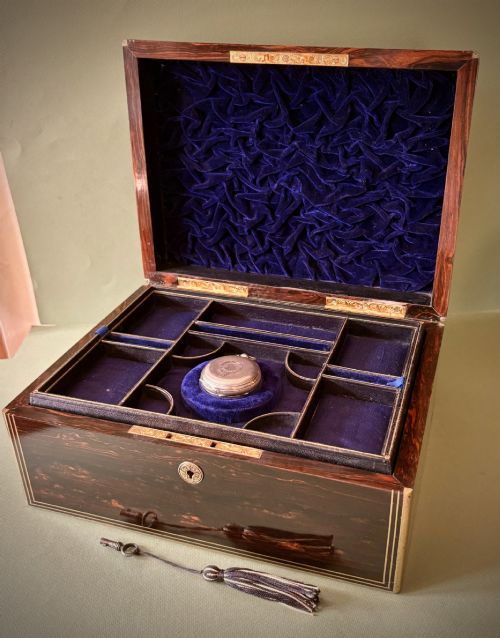
A victorian rosewood casket typically takes the form of a jewellery box, sewing box, or work box designed for domestic use in the nineteenth century. These pieces often feature fitted interiors with trays, compartments, and velvet linings to organise small personal possessions.
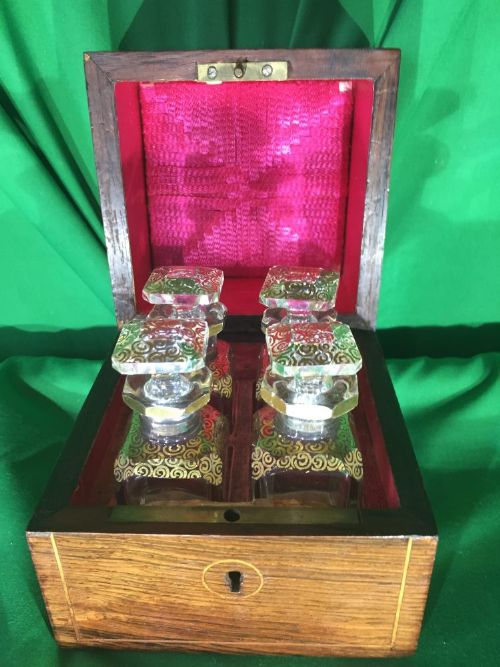
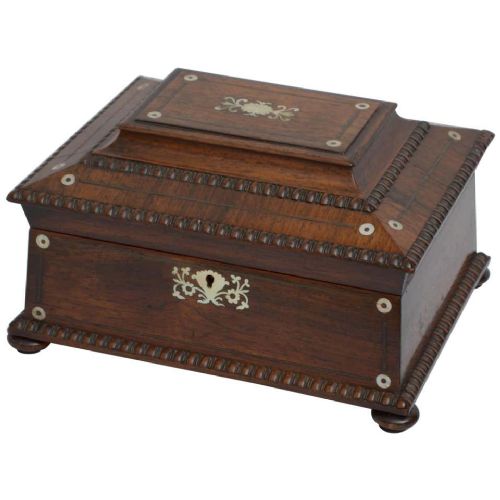
The most common versions on this page are rectangular or sarcophagus-shaped boxes dating from the middle to late nineteenth century. Many examples incorporate specialised compartments for gloves, stationery, or scent bottles alongside the primary storage space.
How they were made
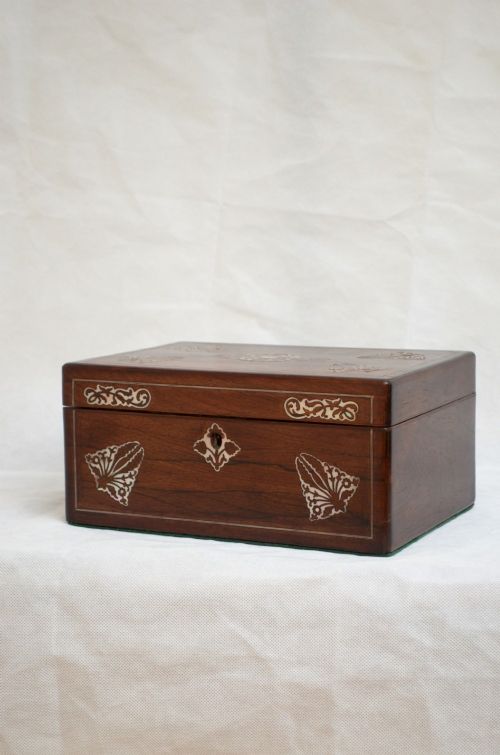
Craftsmen built the foundational carcase in dense rosewood, often selecting timber with rich, dark grain patterns. They frequently embellished the exterior surfaces with contrasting inlays of mother-of-pearl, boxwood, and brass stringing.
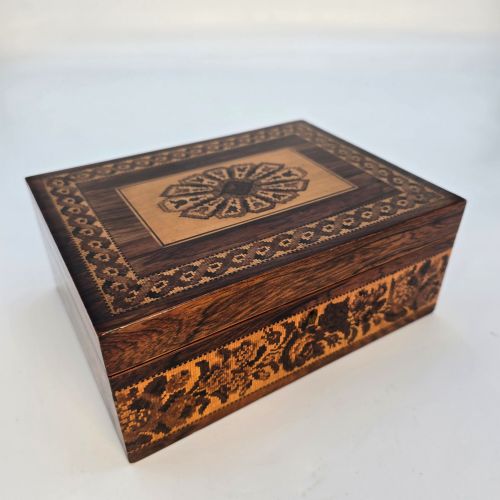
Tunbridge ware makers applied intricate mosaic marquetry to form geometric or pictorial panels on the lids and sides. Specialist workshops also incorporated cast metal mounts, ormolu accents, and silk or velvet linings inside.
Victorian Rosewood Casket Retail Price Guide 2026
Typical asking prices for victorian rosewood casket among the pieces listed under this phrase on Sellingantiques today, from the lower quarter to the upper quarter. They describe what is for sale here now, not the wider market.
Listings feature nineteenth-century rosewood boxes enhanced with mother-of-pearl, brass stringing, and boxwood inlay.
What varies in quality
Quality rests upon the precision of the marquetry and the crispness of the inlaid brass or mother-of-pearl motifs. Finer boxes display tightly fitted internal trays and intact original linings that demonstrate superior cabinet-making standards.
The architectural form of the carcase also dictates distinction, particularly in sarcophagus shapes or complex domed profiles. Well-preserved hinges, working locks, and balanced proportions separate standard utility pieces from exceptional examples.
Edmund Nye
The Victorian Rosewood Casket Glossary
- Tunbridge Ware
- A type of woodwork featuring tiny wood mosaic tiles arranged to create pictorial or geometric designs. These intricate patterns typically decorate the lids of small boxes and caskets.
- Sarcophagus
- A box shape characterised by a sloping, stepped profile that mimics ancient stone tombs. This architectural form became popular for large luxury work boxes during the nineteenth century.
- Marquetry
- The art of applying decorative veneer pieces to a structural carcase to form detailed patterns. Makers utilised various woods to achieve contrasting tones across the surface.
- Ormolu
- Gilded bronze or metal mounts applied to furniture and boxes for decorative effect. These metallic accents often frame panels or form small feet and handles.
Victorian Rosewood Casket: Frequently Asked Questions
What were these caskets originally used for?
These caskets served primarily as secure receptacles for jewellery, letters, sewing implements, and small personal valuables. Wealthy households relied on them to keep dressing tables orderly and private items hidden.
Many featured specialised internal partitions, velvet pin cushions, or fitted slots for glass scent bottles and writing tools. Their portable nature allowed owners to carry them between rooms.
How do I distinguish Tunbridge Ware examples?
Tunbridge Ware is identifiable by its distinctive mosaic surface decoration made from thousands of tiny tinted wood blocks. These microscopic tesserae form detailed floral motifs, butterflies, or geometric borders.
Most pieces featuring this technique originate from nineteenth-century workshops in Kent. The intricate pictures appear crisp and flush against the surrounding rosewood veneer.
Are original interiors common?
Original fitted trays and silk or velvet linings survive in varying conditions depending on past use. Many boxes retain their initial layout, while others have received careful new linings during restoration.
Buyers often encounter compartments designed specifically for spools, needles, or rings. Removable trays frequently reveal hidden storage wells beneath.
How should I care for rosewood?
Rosewood benefits from stable indoor humidity and protection from direct sunlight to prevent the timber from fading. A soft, dry cloth is sufficient for routine dusting of the polished surface.
Avoid applying harsh chemical polishes or excessive moisture to the wood or inlaid mother-of-pearl. Gentle handling preserves the delicate brass stringing and antique hinges.