


Victorian Rococo Revival Table
A victorian rococo revival table brings flowing natural curves, asymmetric lines, and rich burr walnut or mahogany into a room with genuine nineteenth-century flair.
Victorian Rococo Revival Table
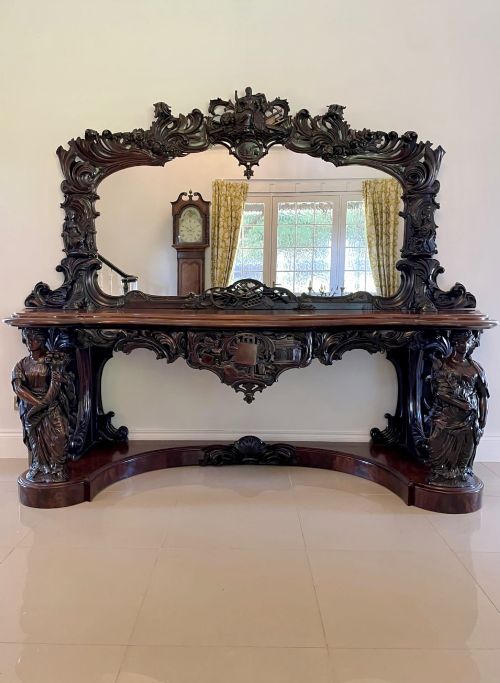
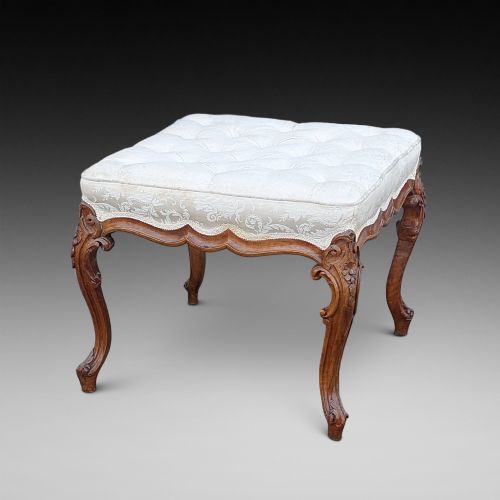
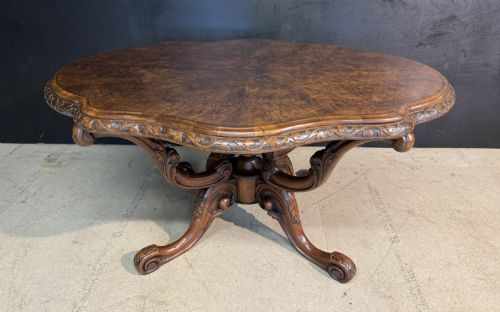
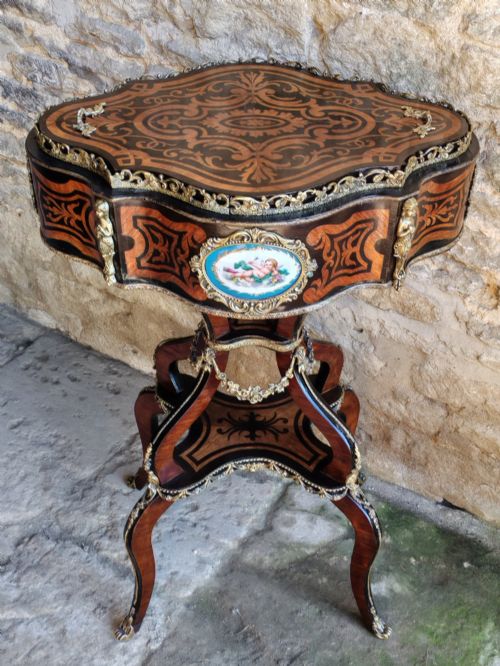
A victorian rococo revival table encompasses several distinct forms designed to anchor a principal room, primarily centre tables, console tables, card tables, and occasional tables. These pieces emerge predominantly from the nineteenth century, carrying the decorative ambition of the Victorian era alongside continental French influences.
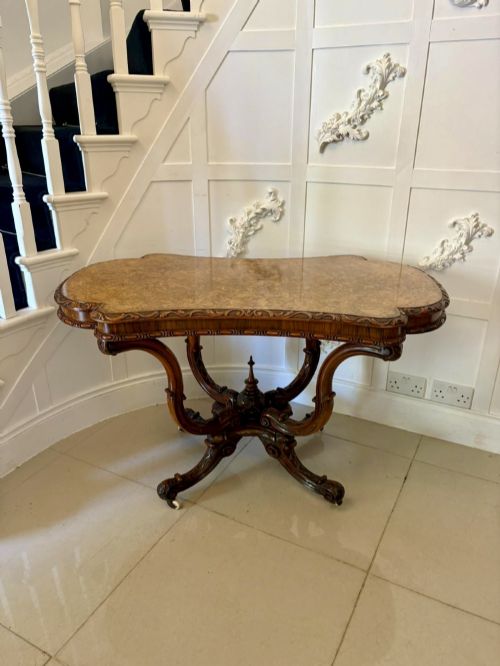
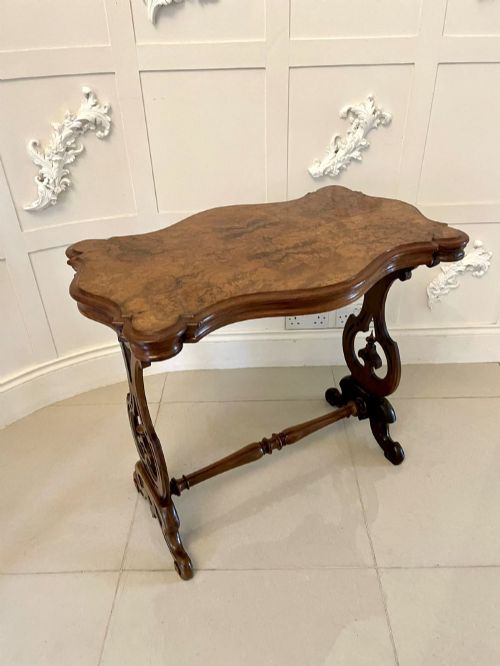
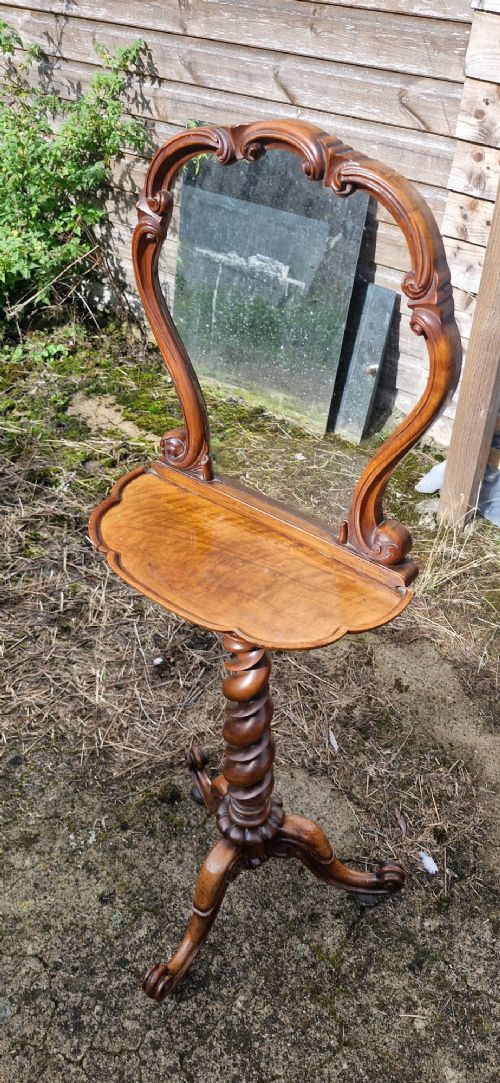
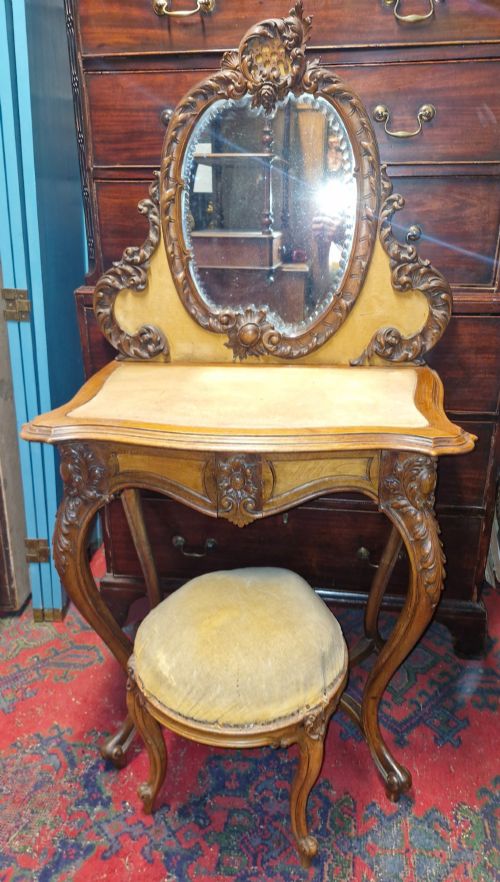
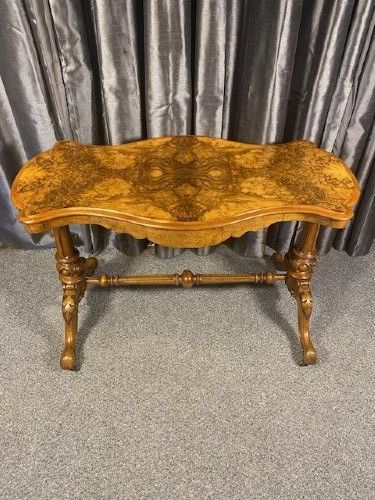
Centre tables and card tables in burr walnut dominate the selection, frequently featuring shaped tops and marquetry inlay. Alongside these, buyers encounter writing desks, dressing tables, and smaller wine or lamp tables matching the same stylistic lineage.
How they were made
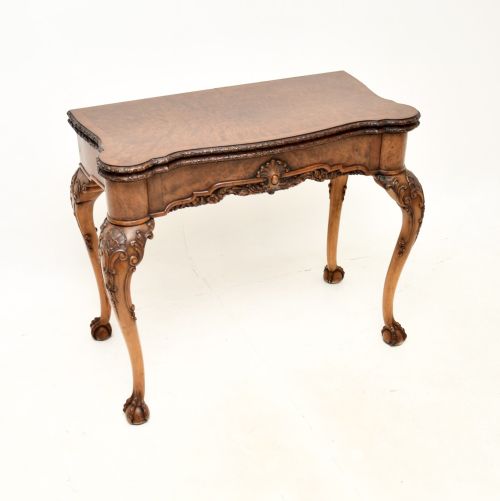
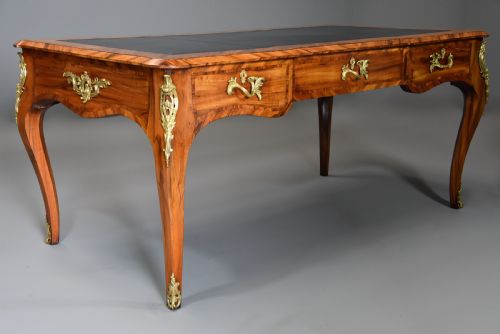
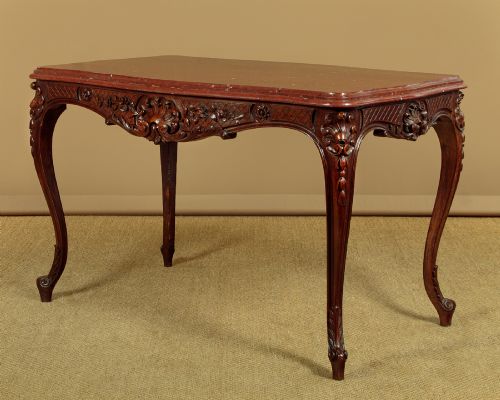
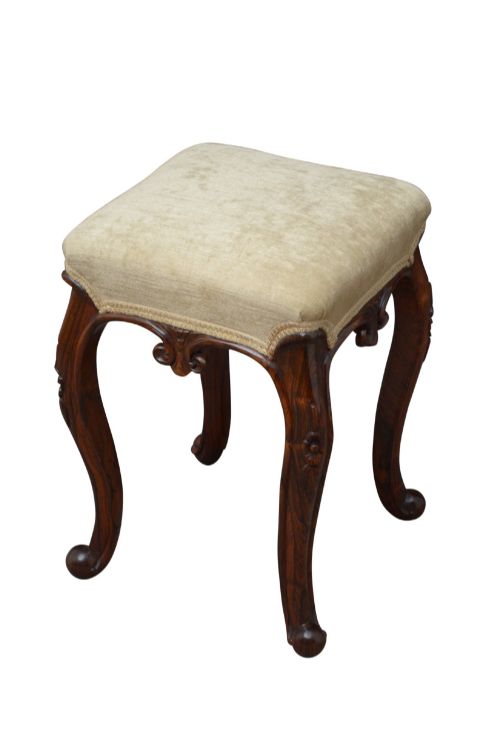
Cabinet makers utilised choice timbers such as burr walnut, mahogany, satinwood, and kingwood, often applying intricate marquetry or utilising the rich grain of burr veneers across shaped tops. Structural elements rely on carved solid walnut or mahogany, shaping cabriole legs that sweep down to scrolled feet.
Ornate mounts in ormolu, gilt bronze, and gilt metal accent the wooden forms, while specific pieces incorporate inset marble tops or leather writing surfaces. Joinery and carving remain hand-worked, matching the flowing contours characteristic of the revival styles.
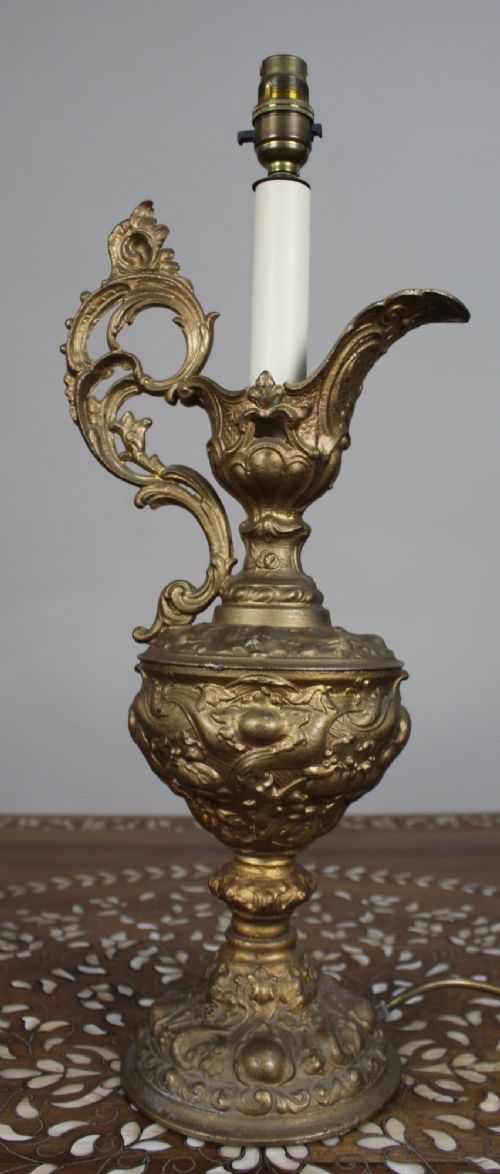
Even elephants make an appearance in the broader metalwork offerings, reminding us that nineteenth-century decorators enjoyed a touch of the exotic.
What varies in quality
The distinction between standard examples and exhibition pieces rests in the depth and crispness of the hand carving, the choice of timber veneer, and the intricacy of the marquetry inlay. Superior tables display highly figured burr walnut with seamless veneer matching across complex shaped tops and skirts.
Hardware and metal mounts also signal grade, where finely chased gilt bronze or ormolu mounts integrated into the woodwork reflect superior workshop execution compared to simpler cast metal elements.
Ansonia New York·Leroy Paris
The Victorian Rococo Revival Table Glossary
- Cabriole leg
- A furniture leg that curves outward and then tapers inward, ending in a pad or scroll foot. This form mimics animal legs and defines much of the seating and table design.
- Burr walnut
- A wood harvested from the wart-like growths on walnut trees, yielding turbulent, highly figured grain patterns. Cabinet makers prized it for decorative veneering on table tops.
- Marquetry
- The art of applying decorative pieces of veneer to a structure to form intricate designs or pictures. It appears frequently on the surfaces of Victorian card and centre tables.
- Ormolu
- Gilt bronze ornamentation applied to furniture and clocks, cast and hand-chased before receiving a gold gilding. It provides bright metallic contrast against dark woods.
Victorian Rococo Revival Table: Frequently Asked Questions
What is a centre table?
A centre table stands finished on all sides to sit in the middle of a room rather than against a wall, serving as a display surface.
In nineteenth-century homes, these held lamps, books, or decorative objects and formed the focal point of a drawing room.
How do I care for burr walnut?
Burr walnut requires protection from direct sunlight and excessive heat fluctuations to prevent the delicate veneer from drying and cracking.
Routine dusting with a soft, dry cloth and occasional light waxing maintains the natural lustre of the polished wood surface.
How do I distinguish rococo revival from other styles?
Rococo revival pieces rely on asymmetrical scrolls, C-scrolls, shell motifs, and naturalistic floral carvings rather than strict geometric lines.
This aesthetic draws directly from eighteenth-century French Louis XV design, translated through nineteenth-century Victorian manufacturing techniques.