

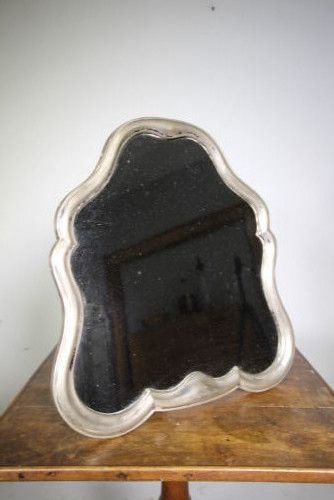


Victorian Rococo Mantel Mirror
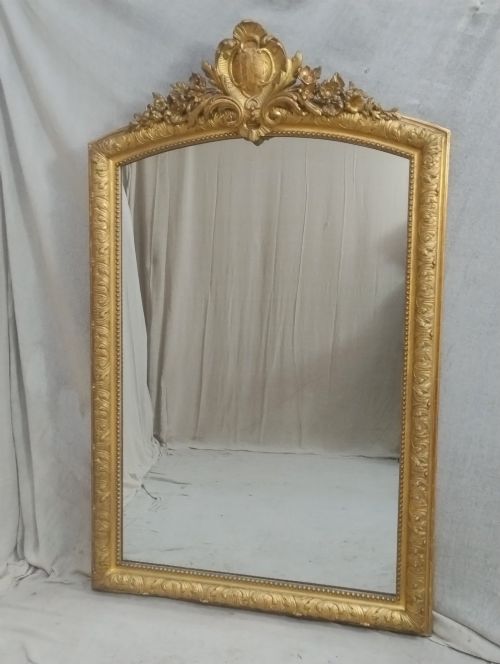
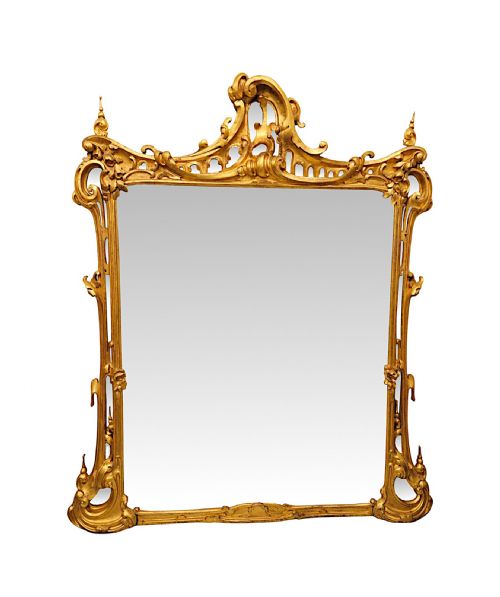
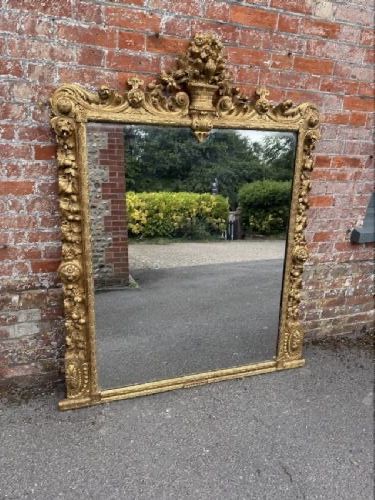
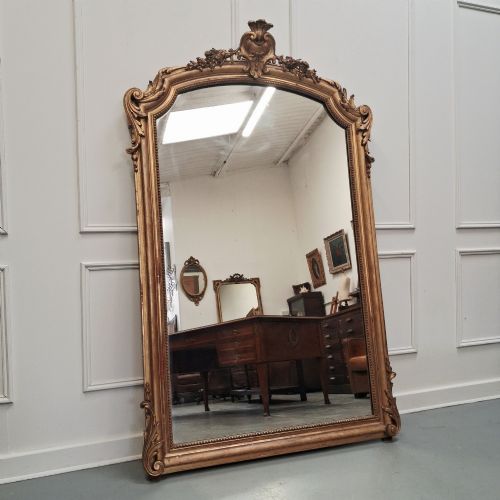
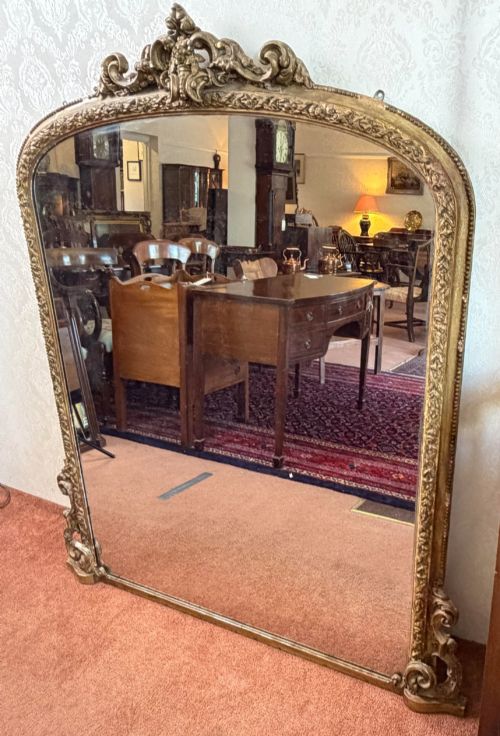
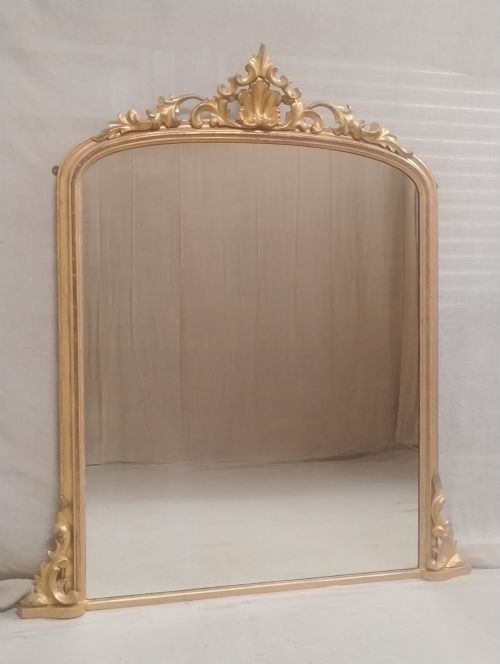
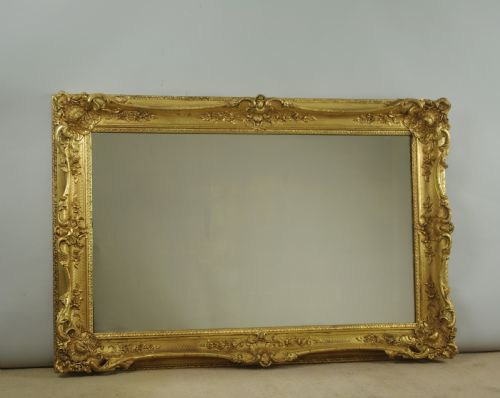
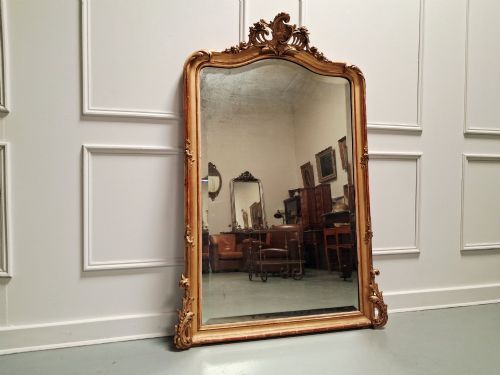
These substantial victorian rococo mantel mirror examples bring architectural presence to a room, offering ornate frames designed to sit proudly above a fireplace.
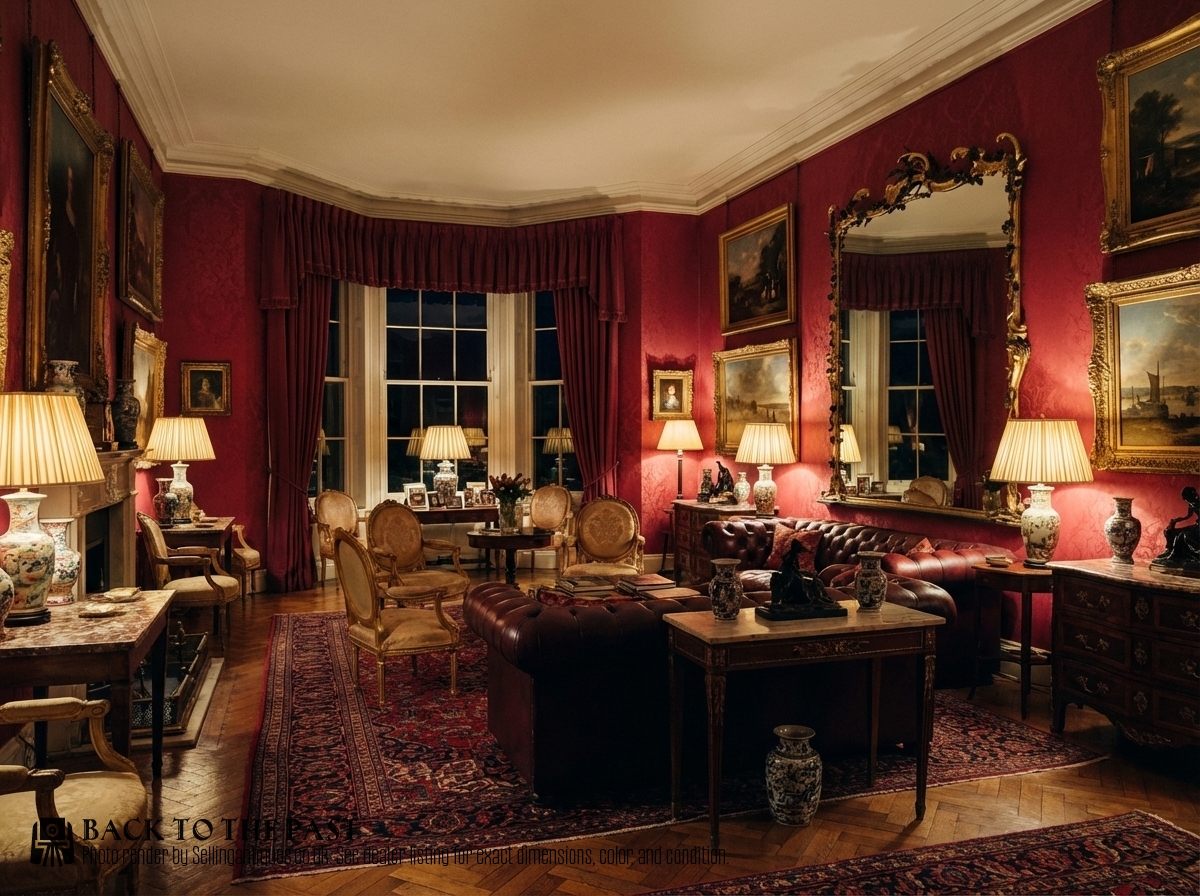
Victorian Rococo Mantel Mirror
A victorian rococo mantel mirror sits low and wide on a chimney breast, shaped to match the hearth below with generous proportions and arched crests.
The pieces on this page draw from 19th-century revival styles, presenting English and French interpretations alongside Chinese Chippendale influences.
Makers shaped these frames for grand drawing rooms and country houses, producing substantial overmantel mirrors intended to reflect light and expand the sense of space.
Materials and Construction
Carved wood provides the structural foundation for these large frames, often layered with gesso to build up high-relief scrolls, floral motifs, and central cartouches.
Artisans applied gold leaf and liquid gilt paint across the prepared surfaces, creating reflective metallic finishes that catch daylight and candle glow.
Heavy mirror glass is set securely into the rebated backs of the frames, sometimes following arched tops or shaped perimeters designed during the Victorian era.
Certain exuberant frames feature fierce cast brass mask crests glaring down from the top of the glass.
Markers of Quality
Depth and crispness in the carved wood and gesso ornamentation separate ambitious workshop output from simpler moulded decoration.
The application of gold leaf and the handling of painted or distressed surfaces dictate the visual richness of the frame.
Scale and proportion govern the success of these mirrors, where large architectural overmantels rely on balanced symmetry and secure structural integrity.
The Victorian Rococo Mantel Mirror Glossary
- Gesso
- A plaster-like mixture applied to wood frames and carved into intricate decorative motifs before gilding. It provides a smooth ground for gold leaf.
- Giltwood
- Timber coated with gold leaf or metallic powder. This finish defines the opulent appearance of nineteenth-century decorative mirrors.
- Overmantel Mirror
- A large mirror specifically proportioned to hang on the wall directly above a fireplace mantelpiece. These pieces often anchor the decorative scheme of a formal room.
- Cartouche
- An ornamental tablet or frame resembling a rolled-up scroll, frequently placed at the central crest of a rococo mirror.
- Rococo Revival
- A nineteenth-century design movement drawing on eighteenth-century French motifs characterised by asymmetry, C-scrolls, and naturalistic shell or floral elements.
Victorian Rococo Mantel Mirror: Frequently Asked Questions
Where should a mantel mirror hang?
These mirrors traditionally anchor the space directly above a fireplace, resting on the mantel shelf or secured to the wall just above it.
Their generous scale and reflective glass also allow them to function successfully on principal walls in large reception rooms.
How do I clean a giltwood frame?
Dust the intricate carved gesso and gilt surfaces gently using a soft, dry brush to avoid disturbing the delicate metallic leaf.
Moisture and household cleaning sprays must be kept away from antique gilded frames to prevent lifting the original finish.
Are these mirrors heavy to hang?
Substantial timber construction and large sheets of glass make these pieces exceptionally heavy, requiring professional installation.
Secure wall fixings anchored directly into structural masonry are essential to support the weight safely.
What defines the rococo style?
The style relies on flamboyant, naturalistic ornamentation featuring flowing C-scrolls, asymmetric flourishes, and shell motifs.
Nineteenth-century makers reinterpreted these fluid eighteenth-century lines with impressive physical scale.