

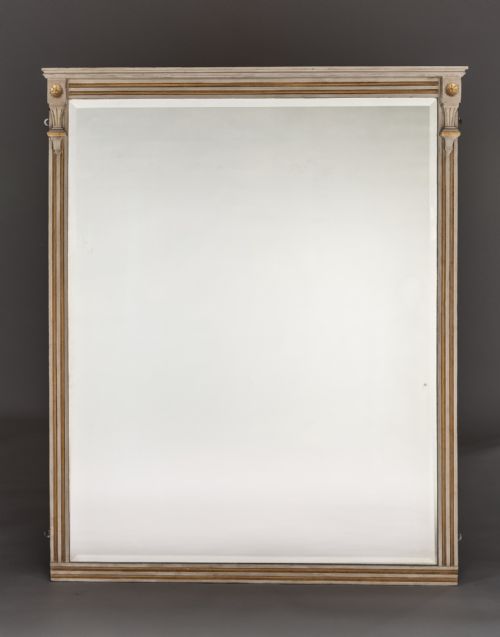
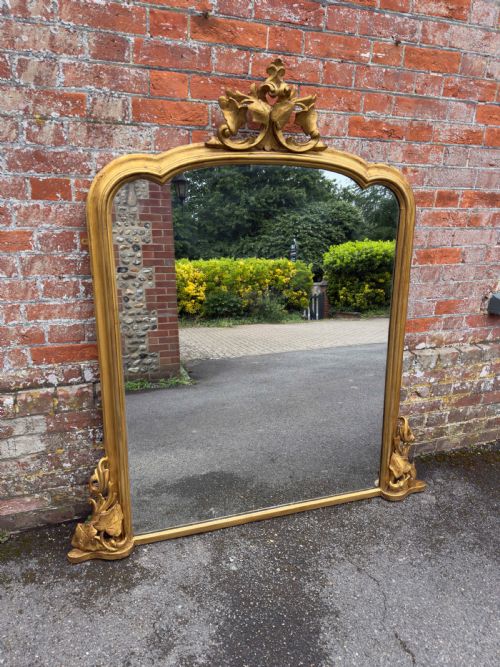
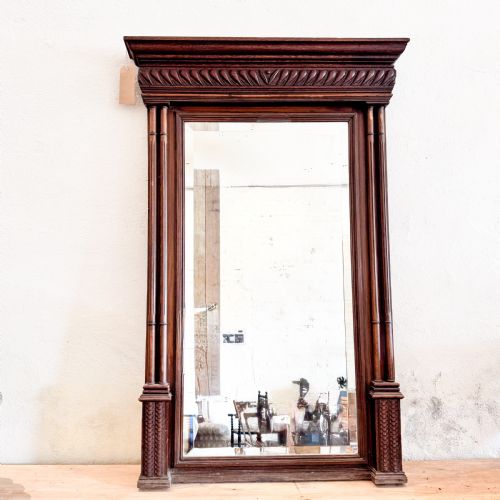

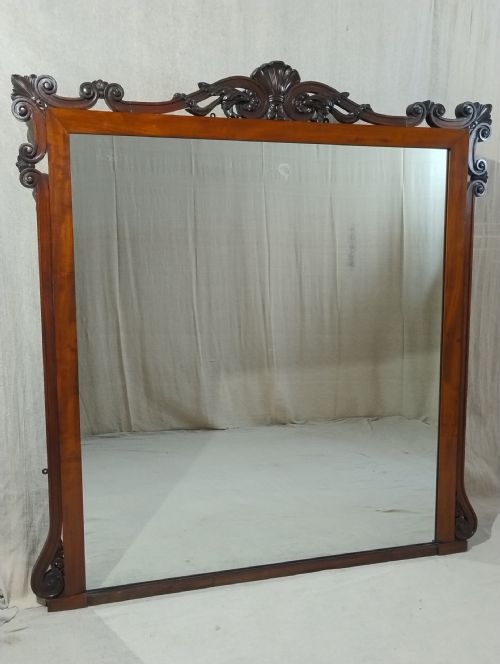

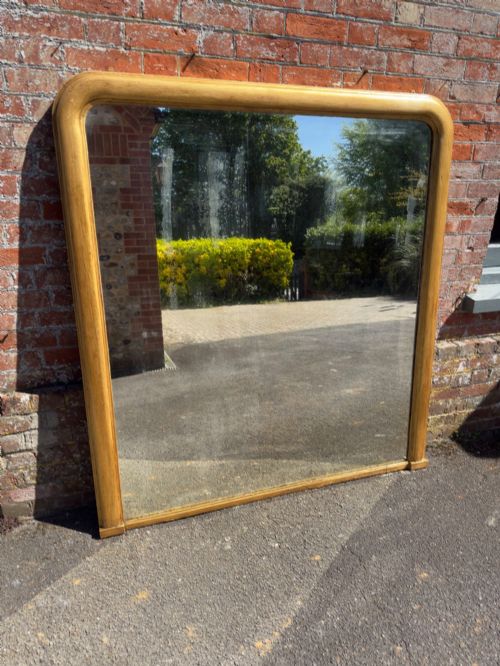
Large Victorian Chimney Glass
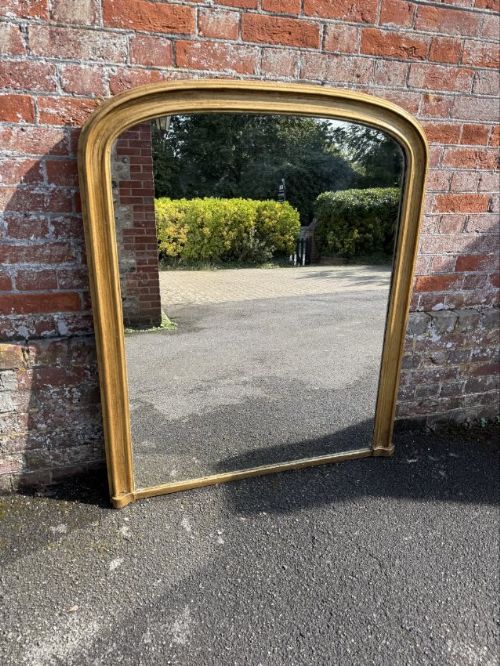
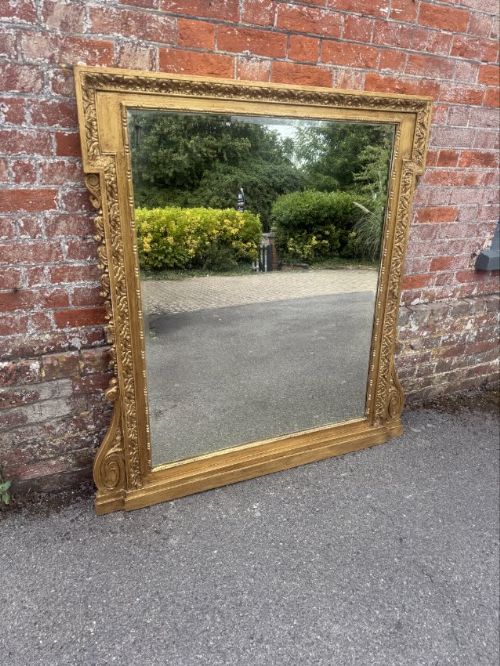
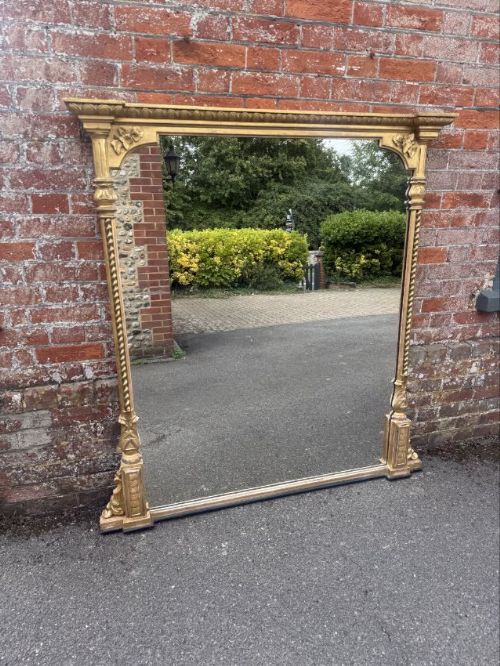
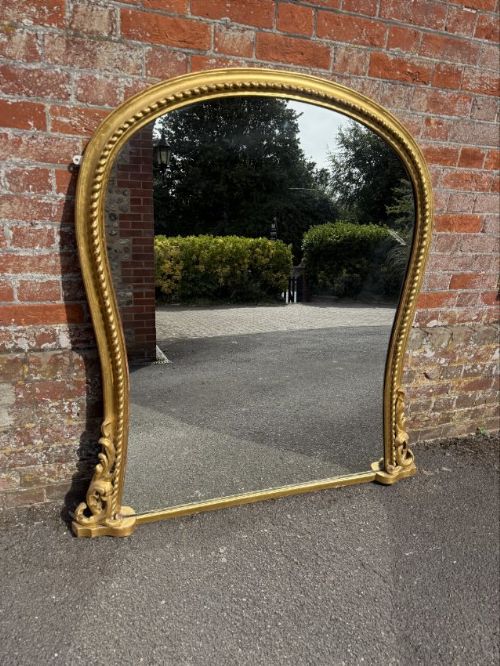
A large victorian chimney glass brings scale and light to a room, functioning as an architectural focal point above a fireplace.
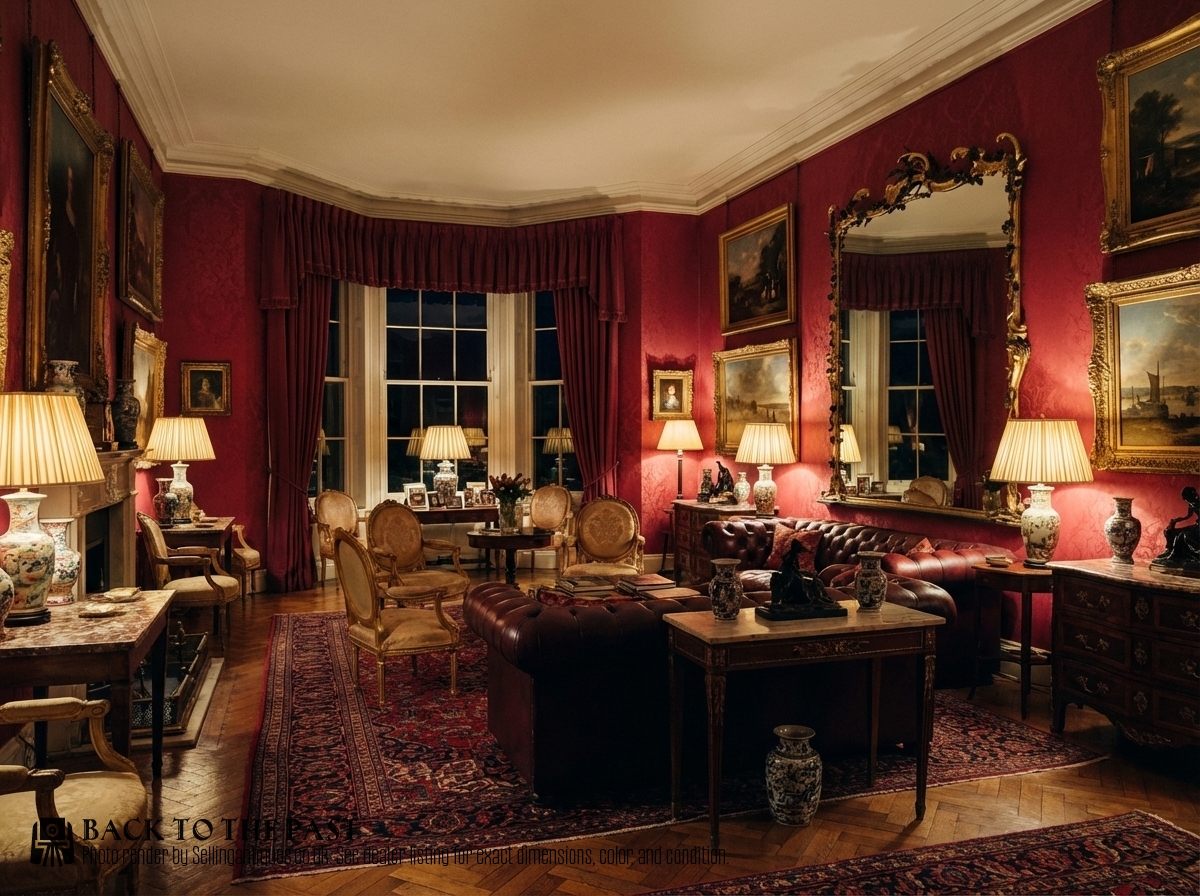
Large Victorian Chimney Glass
These items are substantial wall hanging reflections designed specifically to sit above domestic fireplaces during the nineteenth century. Most examples found here take the form of overmantel mirrors spanning multiple decades from the eighteen-fifties through to the end of the century.
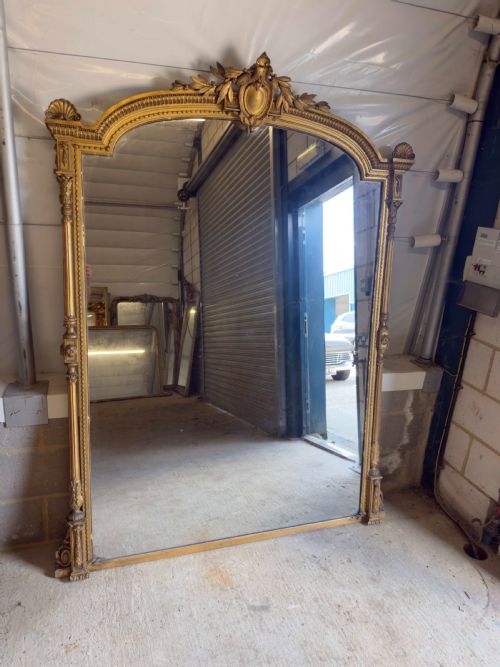
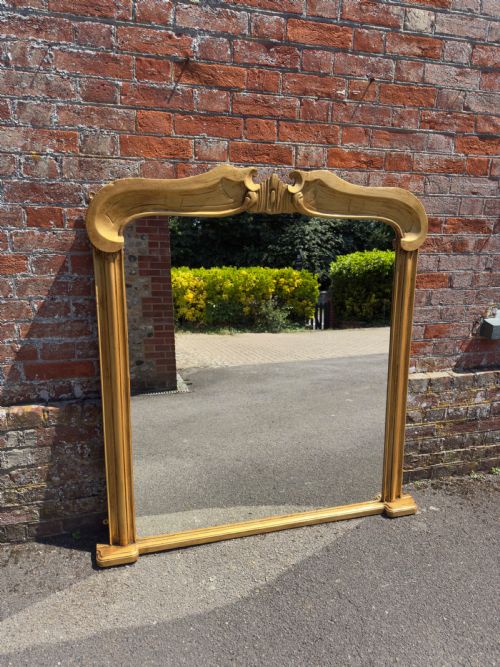
The dominant formats feature heavy wooden frames shaped at the top with arches or curves, intended to draw the eye upward in a reception room. Makers constructed these mirrors to reflect candlelight and natural illumination around high-ceilinged period interiors.
How they were made
Framemakers built the structural core primarily from carved wood, oak, mahogany, or walnut, applying layers of gesso to create crisp surface relief. Artisans then gilded these prepared surfaces using gold leaf or applied paint and parcel-gilt finishes.
Decorative details included applied composition ornaments, rope twist borders, ribbed columns, and neoclassical motifs pressed into moulds. Mirror glass was set into these substantial frames to handle the structural demands of grand proportions.
Current listings feature nineteenth-century pieces spanning the eighteen-fifties to the nineteen-twenties, incorporating oak, mahogany, walnut, gesso, and giltwood materials.
What varies in quality
The depth and complexity of the hand-carved woodwork separate standard examples from finer commissions. Heavy gesso application that retains sharp, crisp definition without chipping indicates superior workshop execution.
Original mercury or plate glass retention and intact historic gilding distinguish better-preserved pieces. The architectural harmony of the pediment and the weight of the timber frame dictate the overall success of the object.
The Large Victorian Chimney Glass Glossary
- Overmantle mirror
- A large reflective glass piece specifically proportioned to hang on the wall directly above a fireplace mantelpiece. These frames often incorporate arched or shaped tops to match nineteenth-century interior heights.
- Gesso
- A plaster-like material applied to wooden frame foundations to build up smooth surfaces for subsequent gilding or painting. Artisans carved intricate decorative motifs directly into this dried compound.
- Giltwood
- Timber that has been coated with a thin layer of gold leaf or gold paint to simulate solid precious metal. This finish catches candlelight and natural illumination within Victorian reception rooms.
- Composition
- A mouldable mixture of whiting, resin, glue, and linseed oil pressed into decorative ornaments for frames. It offered a cost-effective alternative to hand-carving deep relief details.
- Pediment
- The decorative architectural crowning element situated at the top of the mirror frame. Rococo and neoclassical styles utilise shaped pediments to anchor the visual weight of the piece.
Large Victorian Chimney Glass: Frequently Asked Questions
Where should a chimney glass be hung?
These mirrors traditionally anchor the space directly above a fireplace mantelpiece, where their proportions balance the hearth below. Placing them at this height effectively reflects light from opposing windows across the room.
Ensure the wall construction safely supports heavy timber frames and substantial glass weight. Secure fixings attached directly to wall studs provide the necessary stability for large nineteenth-century pieces.
How do I identify a Victorian piece?
Examine the construction materials behind the frame, where nineteenth-century pieces typically utilise dense timbers like oak, mahogany, or walnut beneath gesso layers. Stylistic cues such as heavy arched tops, rope twist borders, and classical revival motifs point directly to this era.
Backboards and fixings also offer clues regarding age through period-appropriate screws and weathered wooden panels. Comparing framing techniques helps distinguish mid to late nineteenth-century manufacture from later reproductions.
What styles are available in these mirrors?
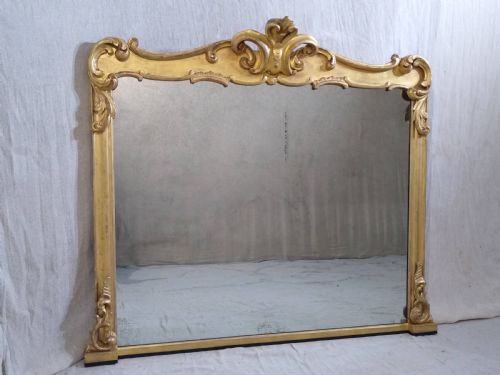
The selection spans architectural iterations including neoclassical designs, rococo revival curves, and gothic oak framing. Many examples feature arched tops, shaped pediments, and gilded rope twist borders.
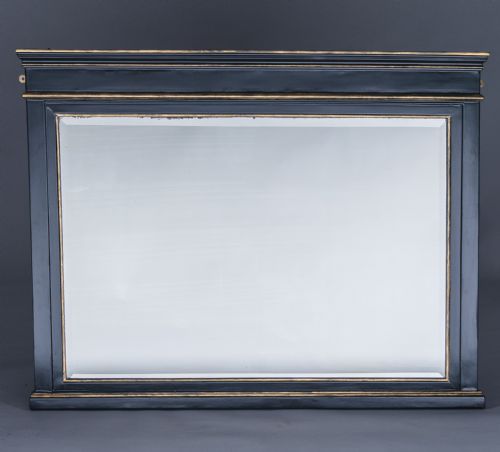
Some pieces incorporate painted and parcel-gilt surfaces or ebonised wood finishes reflecting Victorian aesthetic preferences. French chateau influences also appear across several grand wall mirror formats.
How do I clean an antique mirror?
Dust the carved wood and gesso frame gently with a soft, dry brush to protect delicate gilded or painted surfaces. Avoid using harsh chemical solvents near historic finishes.
Clean the glass plate sparingly with a mild solution applied to a cloth rather than sprayed directly onto the surface. This prevents moisture from seeping behind the mirror plate and damaging the backing.