
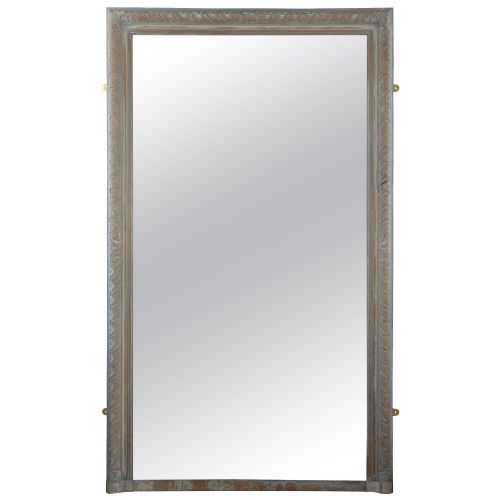

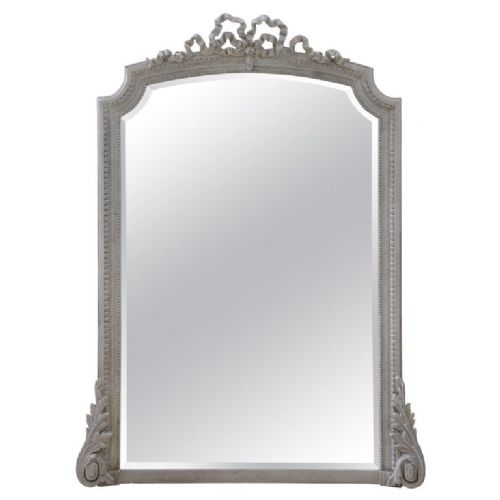


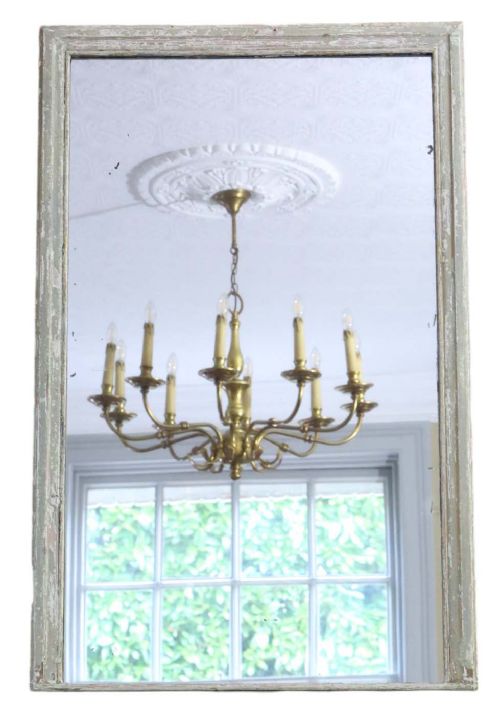

Distressed Grey Wall Mirror
A distressed grey wall mirror brings architectural weight and a muted, weathered tone to a room, drawing the eye with centuries of character.
Distressed Grey Wall Mirror
A distressed grey wall mirror provides a reflective surface housed within a painted wooden frame, often showing the softened patina of age. These pieces serve to bounce light around a room while anchoring the wall with a substantial presence.
The selection centres on nineteenth-century forms, originating predominantly from English and French workshops. Buyers will encounter large overmantel mirrors alongside tall leaner mirrors and shaped top wall variations.
Many examples draw on traditional stylistic influences such as Louis Philippe, Rococo, and Empire designs. The combination of painted wood and grey tones creates a neutral yet visually rich furnishing for contemporary or period interiors.
How they were made
Frames are constructed from carved wood, frequently layered with gesso to build up ornamental relief details before the application of paint. This ground provides a smooth base for moulding decorative elements like scrolls, ribbons, and architectural cornices.
Glass is set within the rebate, with certain period pieces retaining original mercury glass panels that exhibit characteristic spotting and depth. The finishing process relies on hand-applied paint layers that weather naturally over time.
Some antique mirrors come with accidental echoes of past drawing rooms trapped quietly behind the glass.
What varies in quality
The depth and crispness of the hand-carved wooden ornament distinguish finer examples from simpler production. Superior pieces display harmonious proportions between the glass plate and the surrounding frame moulding.
The integrity of the gesso work under the paint surface matters significantly, as does the preservation of original mirror glass plates. Greater skill in the original joinery ensures the heavy frames remain structurally stable over generations.
The Distressed Grey Wall Mirror Glossary
- Gesso
- A plaster-like mixture applied to wood frames to create a smooth surface for carving and painting. It allows craftsmen to build up delicate relief ornamentation before finishing.
- Overmantel mirror
- A large horizontal looking glass designed specifically to hang above a fireplace mantelpiece. These pieces often feature arched tops or shaped frames to suit the proportions of chimney breasts.
- Trumeau mirror
- A decorative wall mirror combined with a painted panel or artwork, originating from eighteenth and nineteenth-century interior design. The frame is typically built into the wooden panelling of a room.
- Mercury glass
- A type of silvered glass produced by pouring a liquid mercury amalgam between double-walled glass spheres or backing flat plates. It creates a dark, reflective depth with distinct mottled foxing.
- Cushion mirror
- A looking glass featuring a convex frame profile that slopes inward toward the central glass plate. This frame style catches light from multiple angles across its bevelled surfaces.
Distressed Grey Wall Mirror: Frequently Asked Questions
How do I hang a heavy overmantel mirror?
These substantial frames require secure fixing directly into wall studs or masonry using heavy-duty mirror brackets. Professional installation is strongly recommended due to the combined weight of the wood, gesso, and glass.
Ensure the hanging wire or integrated D-rings match the load capacity of the hardware. Distribute the weight evenly across multiple points to prevent frame distortion.
Where should I place a wall mirror?
Positioning a mirror opposite a window maximises natural daylight and creates the illusion of extended space. Placing one above a fireplace remains a traditional choice that anchors the room's central axis.
Consider the reflections the glass will capture from seating areas or lighting fixtures. Positioning the mirror at eye level ensures balanced visual weight on the wall.
How do I care for antique glass?
Clean the glass surface gently using a soft microfibre cloth and a mild, ammonia-free cleaning solution. Avoid spraying liquid directly onto the glass to prevent moisture seeping behind the plate.
Old mirror backing and silvering are fragile and easily damaged by harsh chemicals. Treat the foxing and age spots on historical glass with care to preserve their character.
How do I identify a French nineteenth-century mirror?
French pieces often display distinctive decorative motifs such as Rococo scrolls, ribbon crestings, or neoclassical columns. The joinery techniques and proportions reflect continental design preferences of the period.
Examining the backboards and construction fixings reveals the manufacturing methods of the era. The presence of gesso over carved softwood indicates traditional French workshop practices.