





Traditional English Overmantel Glass
Traditional English overmantel glass brings scale and light to a room, offering the grandeur of nineteenth-century frames.
Traditional English Overmantel Glass
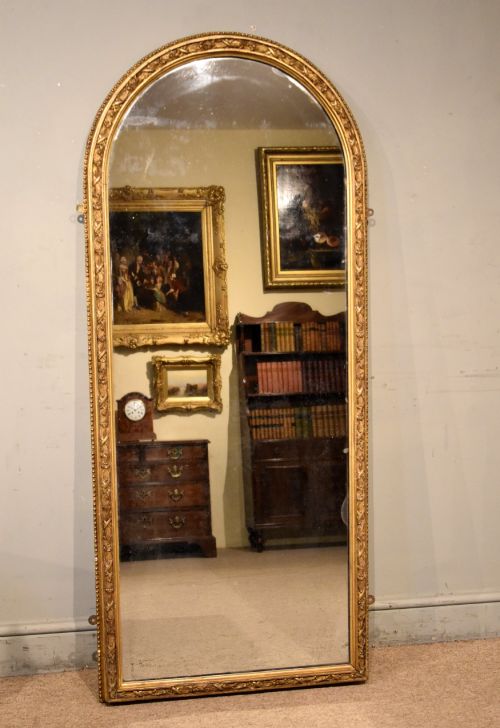
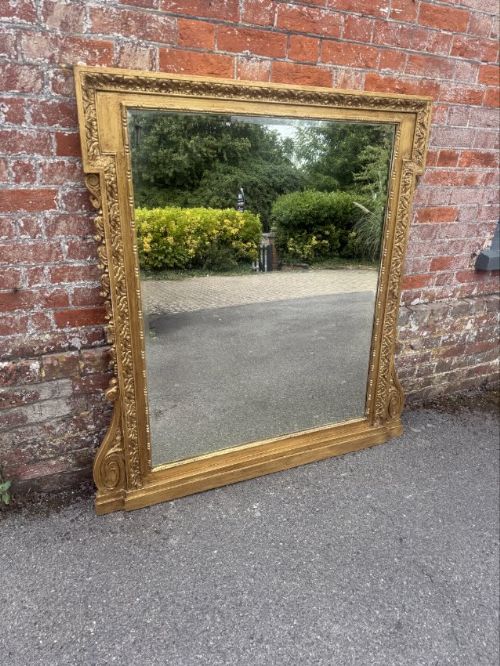
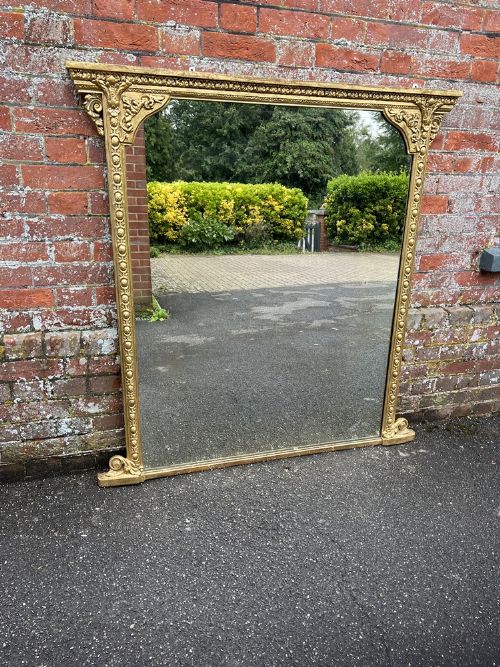
Traditional English overmantel glass consists of large nineteenth-century mirrors designed to sit above fireplace mantelpieces. These pieces shape the vertical space of a room, reflecting light across interiors.
The items found here belong to the Victorian period, spanning decades from eighteen sixty to eighteen eighty. They appear in forms such as overmantel mirrors and pier mirrors.
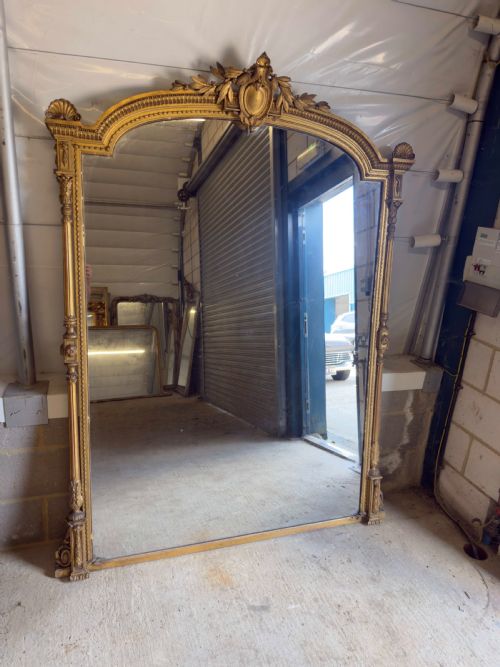
Most examples present architectural silhouettes, including arched tops and shaped tops. Their presence defines English country interiors with established nineteenth-century character.
How they were made
Makers constructed the structural frames using carved wood, oak, and gesso to build substantial profiles. These materials provided a stable base for complex surface ornamentation.
Finishers applied gold leaf, giltwood, and parcel gilt surfaces to catch the light within a room. Painted details and original gilt treatments complete the visible decoration on these nineteenth-century pieces.
Traditional English Overmantel Glass Retail Price Guide 2026
Typical asking prices for traditional english overmantel glass among the pieces listed under this phrase on Sellingantiques today, from the lower quarter to the upper quarter. They describe what is for sale here now, not the wider market.
Every single mirror listed here shares a nineteenth-century origin, meaning they all witnessed the era of gas lighting and horse-drawn cabs.
What varies in quality
The intricacy of the carved wood and gesso ornamentation determines the visual distinction of an overmantel mirror. More complex framing demands greater skill from nineteenth-century craftsmen.
The preservation of original gilt surfaces and gold leaf influences the character of the piece over time. Intact historical finishes maintain the depth intended by the maker.
The Traditional English Overmantel Glass Glossary
- Overmantel mirror
- A large mirror designed specifically to be hung on the wall directly above a fireplace mantelpiece. These pieces often feature wide frames suited to nineteenth-century domestic interiors.
- Gesso
- A plaster-like material applied to wood frames and carved before gilding. This substance allowed artisans to create raised decorative motifs.
- Giltwood
- Wood that has been coated with gold leaf or a gold-coloured finish. It provides a reflective surface that catches natural light in a room.
- Parcel gilt
- A finishing technique where only specific parts of an object are gilded while other areas are painted or left exposed. This creates contrast across the frame.
Traditional English Overmantel Glass: Frequently Asked Questions
How do I hang a heavy overmantel mirror safely?
These large nineteenth-century frames require secure wall fixings distributed across sturdy anchor points to support the combined weight of wood and glass. Professional installation ensures the piece remains stable against the wall.
Position the mirror at a height that complements the fireplace below while balancing the vertical proportions of the room.
Where should I place an overmantel mirror?
Historically, these mirrors hung above fireplace mantels to reflect candlelight and natural daylight deeper into nineteenth-century rooms. Placing them in similar positions continues to maximise light distribution.
They also function effectively on main walls where their scale anchors surrounding furniture arrangements.
How do I clean nineteenth-century mirror glass?
Clean the glass surface gently with a soft cloth and a mild cleaning solution applied to the cloth rather than sprayed directly onto the frame. This prevents moisture from damaging vulnerable gesso and gilt surfaces.
Keep wooden frames dusted with a dry cloth to protect the underlying nineteenth-century finish.
What defines a Victorian overmantel mirror?
Victorian pieces from this group date between eighteen sixty and eighteen eighty, utilising carved wood, gesso, and gold leaf. Their designs often incorporate arched tops and shaped crests.
These characteristics reflect the decorative preferences of English country interiors during the nineteenth century.