


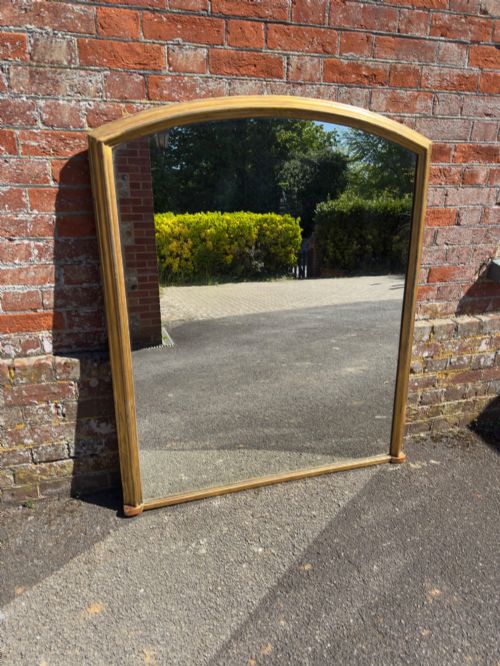


Large Arched Decorative Mirror
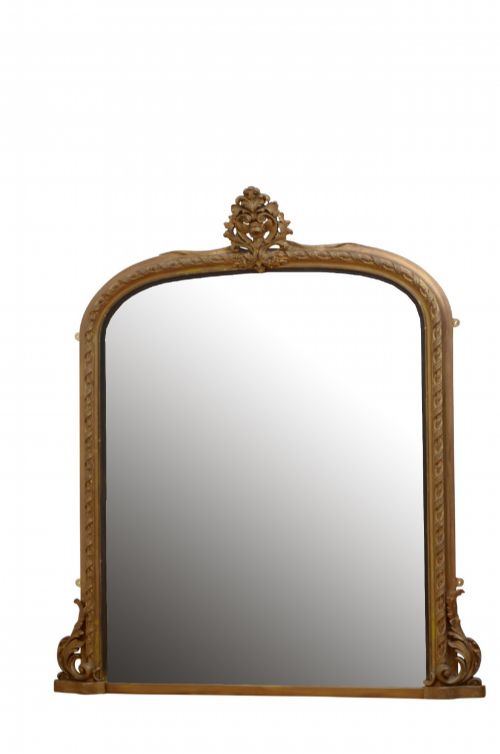
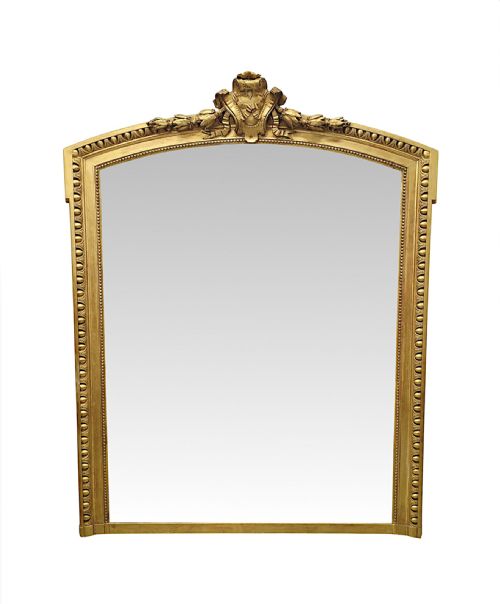
A large arched decorative mirror brings weight and historic light to a room, functioning primarily as an overmantel or grand wall piece.
Large Arched Decorative Mirror
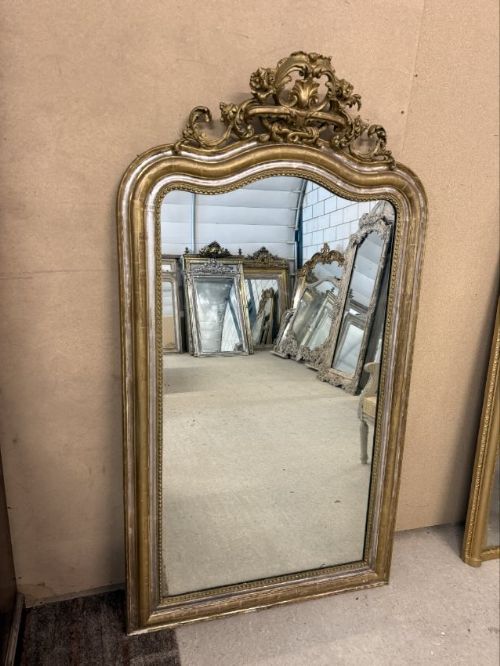
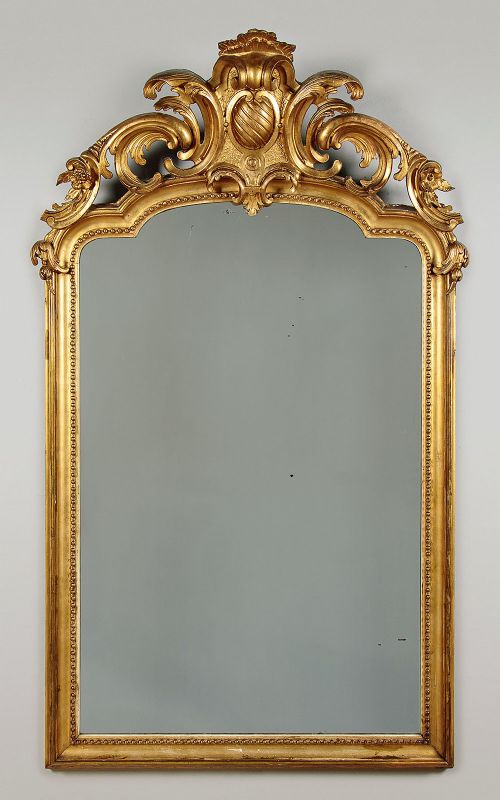
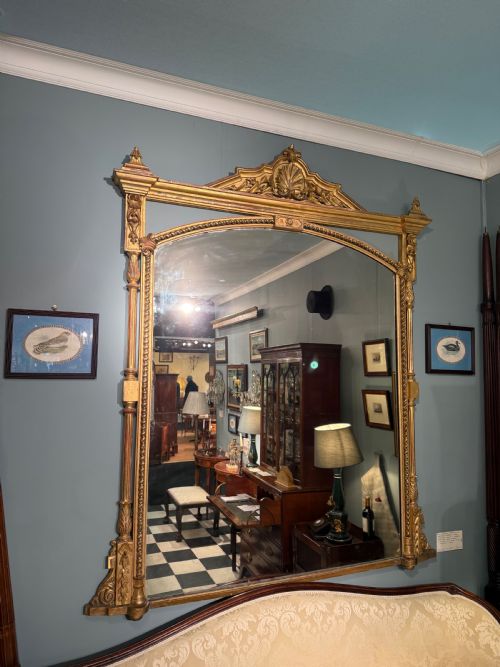
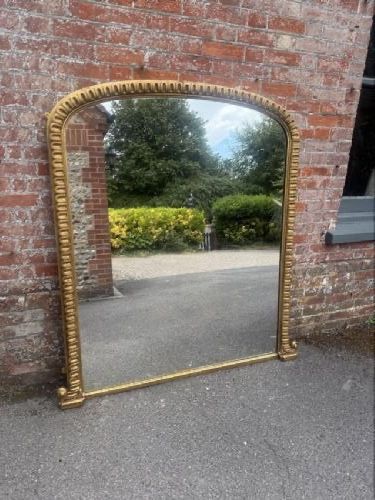
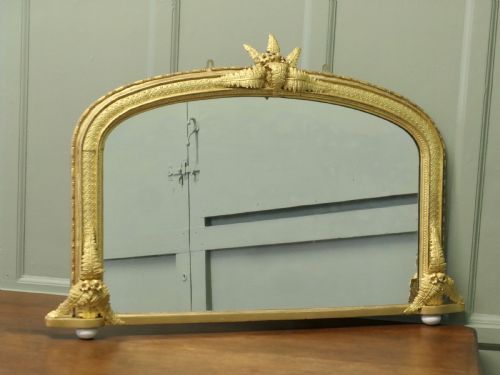
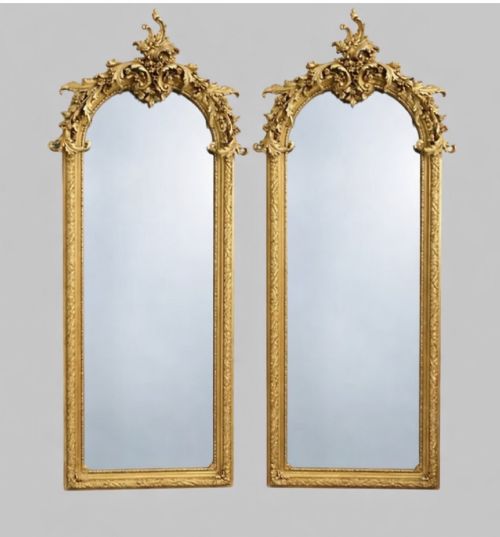
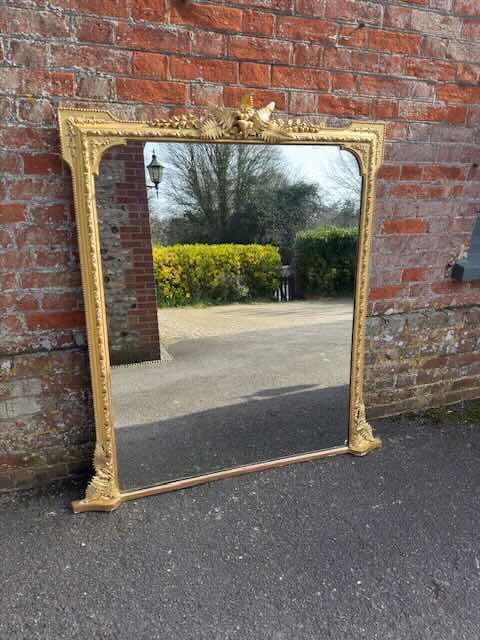
When searching for a large arched decorative mirror, a buyer encounters substantial nineteenth-century items designed to command attention above a fireplace or along a principal wall. The most common forms on this page are overmantel mirrors and wall mirrors originating from English and French workshops.
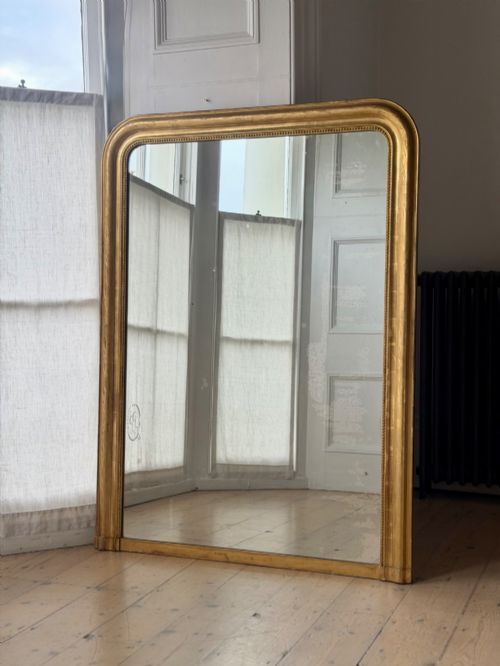
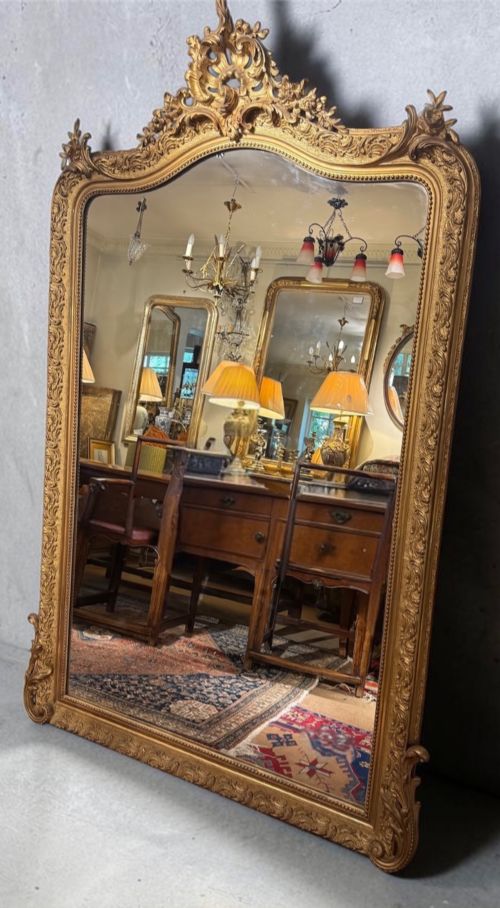
The aesthetic draws heavily on classical and revival vocabularies, including Victorian, French Rococo, and Louis Philippe influences. These objects combine functional reflection with architectural presence, often featuring curved upper profiles that soften heavy plaster and timber frames.
Originating predominantly from the Victorian era and the broader nineteenth century, these mirrors reflect period interior design where scale and reflected light enlarged smaller urban rooms. Surviving examples range from restrained painted frames to heavily gilded architectural statements.
How they were made
Makers constructed the core frames primarily from carved wood, applying layers of gesso to build up intricate relief ornament such as shell motifs, rope twists, and central cartouches. This plaster-like medium allowed artisans to achieve sharp detail before applying finishes.
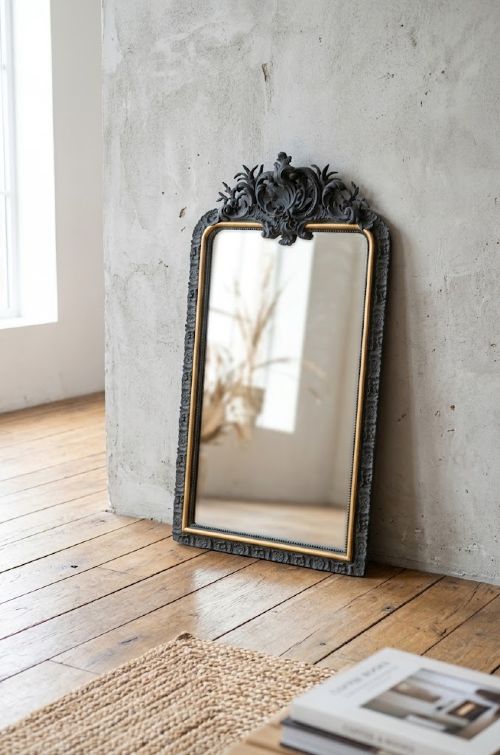
Surface decoration relied on gold leaf, liquid paint, or ebonisation, often applied over red bole to impart warmth to the underlying metal. French and English pieces frequently utilised silvering and gilding combinations to catch ambient light from oil lamps and windows.
Large Arched Decorative Mirror Retail Price Guide 2026
Typical asking prices for large arched decorative mirror among the pieces listed under this phrase on Sellingantiques today, from the lower quarter to the upper quarter. They describe what is for sale here now, not the wider market.
Several mirrors feature camel cresting, proving that nineteenth-century artisans occasionally looked to distant deserts for interior inspiration.
What varies in quality
The depth and crispness of the hand-carved wood and gesso ornamentation separate standard production from superior examples. Better pieces retain sharp relief in motifs like acanthus leaves and cartouches without the softening caused by excessive overpainting.
The integrity of the original glass plate and the subtlety of the frame finish dictate overall merit. Original mercury silvering showing gentle ageing displays greater authenticity than a later replacement plate.
The Large Arched Decorative Mirror Glossary
- Overmantel mirror
- A large mirror specifically designed to hang or rest upon the mantelpiece above a fireplace. These pieces often feature horizontal or arched formats tailored to domestic hearths.
- Gesso
- A plaster-like mixture applied to wooden frame bases to create a smooth surface for gilding or carving. Artisans moulded intricate relief details into this compound.
- Giltwood
- Timber coated with gold leaf or metallic powder to simulate solid gold. This finish characterises the most decorative nineteenth-century frames.
- Cartouche
- An ornamental tablet or oval frame motif resembling a rolled-up scroll, frequently placed at the apex of mirror frames. It often bears central carving or cresting.
- Louis Philippe
- A mid-nineteenth-century French style characterised by simpler arched profiles and restrained classical ornamentation compared to earlier flamboyant rococo designs.
Large Arched Decorative Mirror: Frequently Asked Questions
How do I hang a heavy overmantel mirror?
These substantial frames require professional wall fixings secured directly into masonry or robust studwork to bear the considerable weight safely.
Many period pieces were originally intended to rest on a mantelpiece while being anchored securely to the wall at the upper corners to prevent tipping.
Are these mirrors suitable for modern bathrooms?
Historic gilding and traditional gesso frames react poorly to high humidity and direct water exposure, making damp environments unsuitable.
Placing them in dry hallways, reception rooms, or above drawing-room fireplaces preserves the original materials and delicate metallic finishes.
How do I distinguish French and English nineteenth-century frames?
French examples often favour softer painted finishes, silvered highlights, and fluid Louis Philippe curves, whereas English pieces frequently display richer gilding and heavier carved architectural timber.
Regional differences also appear in the joinery techniques and the specific motifs chosen for the crestings and lower corners.
What causes foxing on antique mirror glass?
Foxing occurs when moisture penetrates behind the reflective backing over decades, causing small dark spots and atmospheric speckling to form within the glass.
Many collectors value this natural ageing process as proof of genuine nineteenth-century origin rather than treating it as a defect.