







Victorian Religious Sculpture
Victorian religious sculpture brings devotion into the domestic interior through carved timber, cast metal, and sculpted porcelain.
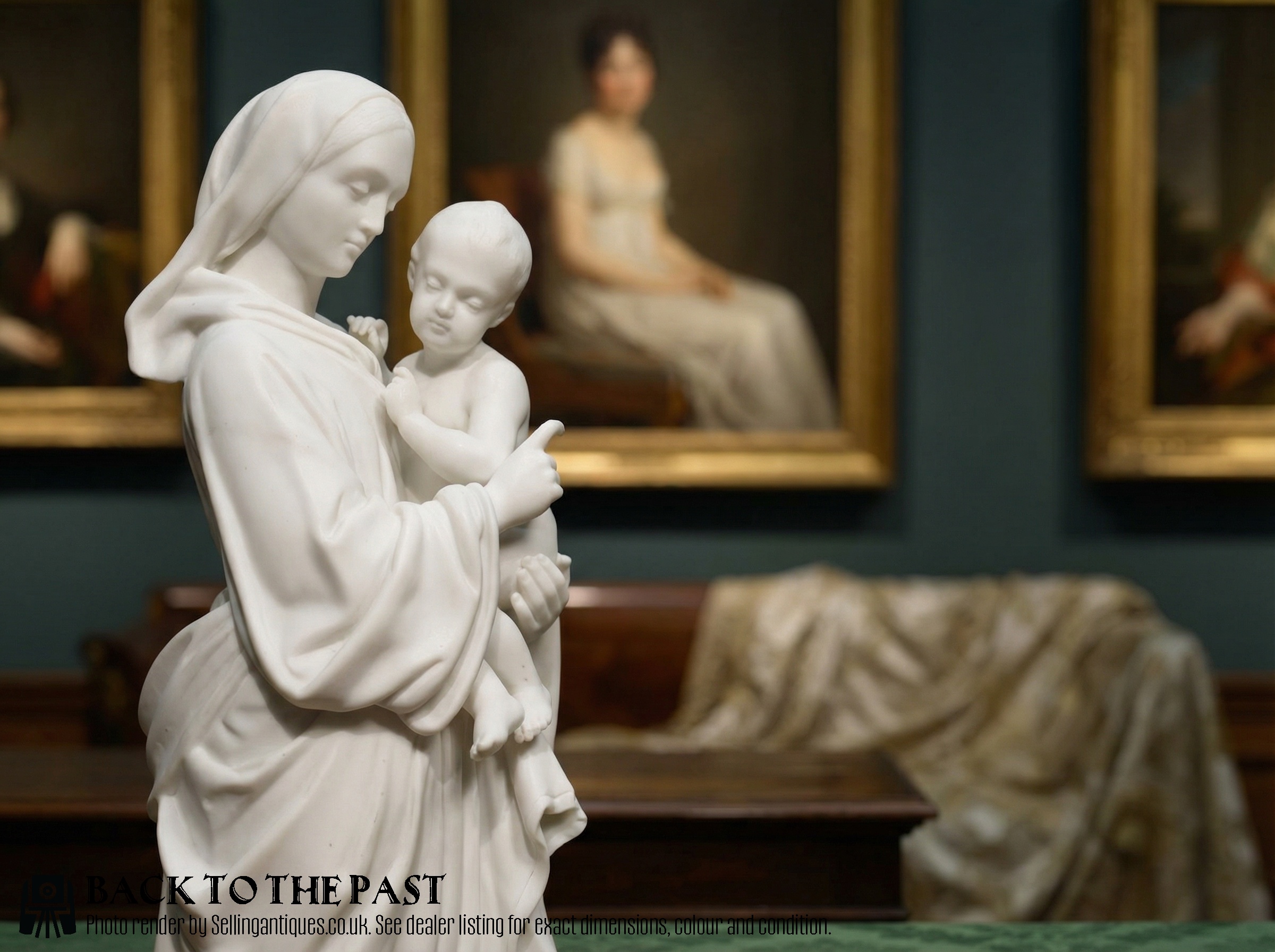
Victorian Religious Sculpture
Victorian religious sculpture spans domestic devotional figures, architectural carvings, and grave markers produced during the nineteenth century. When searching for victorian religious sculpture, collectors encounter figures cast in parian ware and bronze alongside hand-carved studies of saints and monks in oak, walnut, pine, and wood.
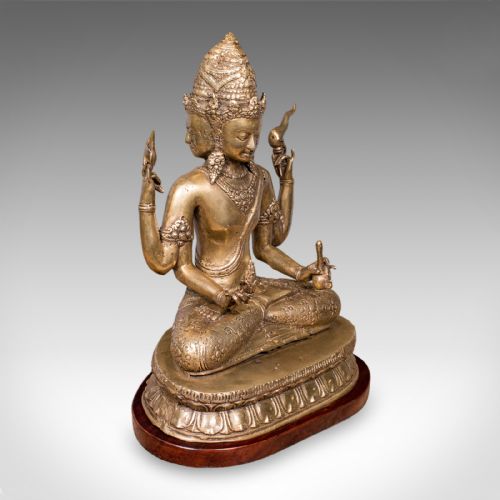
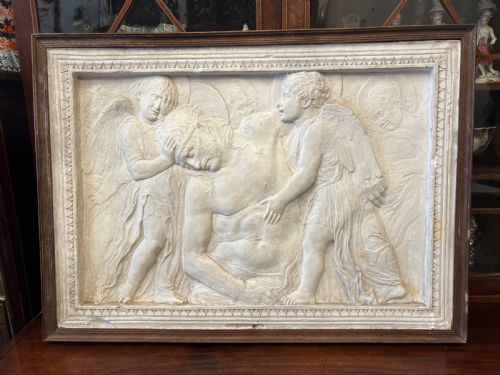
The objects on this page include Italian Grand Tour bronzes, Asian bronze deities, and vernacular folk art models. Architectural carvings and religious shadowboxes also appear, reflecting both high-style Gothic Revival tastes and regional religious folk art.
Materials and Construction
Carvers shaped figures from hard and soft woods such as oak, walnut, pine, and general timber, utilising hand-chiselling techniques for architectural fragments and devotional statues. Plaster and cast iron served for sculptural copies and heavy markers, capturing intricate details of drapery and expression.
Foundries produced patinated bronze items and cast iron grave markers, while ceramic works utilised parian ware and porcelain. Painted surfaces and patination added finish and depth to the various wood, metal, and plaster mediums.
Victorian Religious Sculpture Retail Price Guide 2026
Typical asking prices for victorian religious sculpture among the pieces listed under this phrase on Sellingantiques today, from the lower quarter to the upper quarter. They describe what is for sale here now, not the wider market.
The page includes objects from the Victorian era alongside specific dates like 1860, 1890, and 1880.
Judging Quality
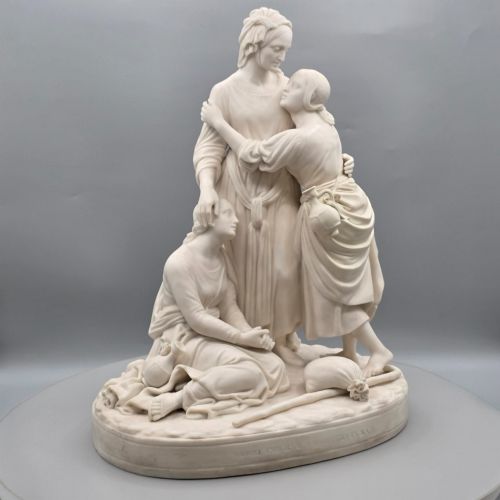
Quality rests in the precision of the carving and the fidelity of the cast, distinguishing commercial output from skilled artisanal work. Crisp detail in the drapery of a carved saint or the clean lines of a parian porcelain group separates superior examples from plainer pieces.
The selection of materials and the depth of the patination dictate the visual presence of bronze deities and wooden studies alike. Finer execution in architectural models and Grand Tour bronzes reflects the maker's mastery over their chosen medium.
Minton
The Victorian Religious Sculpture Glossary
- Parian Ware
- A fine-grained bisque porcelain resembling marble, developed in the nineteenth century and widely utilised for classical and religious figures.
- Grand Tour
- A cultural journey undertaken by wealthy Europeans that inspired the acquisition of small-scale bronzes depicting classical and religious subjects.
- Gothic Revival
- An architectural and artistic style drawing inspiration from medieval forms, prevalent in nineteenth-century ecclesiastical and domestic design.
- Patinated Bronze
- A metal sculpture treated with chemical solutions to produce a coloured surface layer, enhancing contrast and protecting the alloy.
Victorian Religious Sculpture: Frequently Asked Questions
What materials were used in these sculptures?
Nineteenth-century devotional objects were produced in a wide variety of materials. Wood workers utilised oak, walnut, pine, and general timber for carved figures and architectural models.
Metalworkers used bronze, cast iron, and patinated bronze, while ceramic pieces were cast in parian ware and porcelain. Plaster also served for sculptural copies.
How do I identify the Gothic Revival style?
Gothic Revival pieces draw heavily on medieval ecclesiastical aesthetics, featuring pointed arches, deep drapery folds, and architectural motifs. These items often align with nineteenth-century church restoration and domestic devotion.
Makers replicated medieval forms in carved oak, pine, and stone-like parian porcelain.
Were these pieces meant for homes or churches?
Victorian religious sculpture served both domestic and ecclesiastical functions. Smaller parian figures, Grand Tour bronzes, and carved wooden saints were designed for private devotional spaces within homes.
Larger items, such as cast iron grave markers and architectural carvings, originated from outdoor or church settings.
What is a Grand Tour bronze?
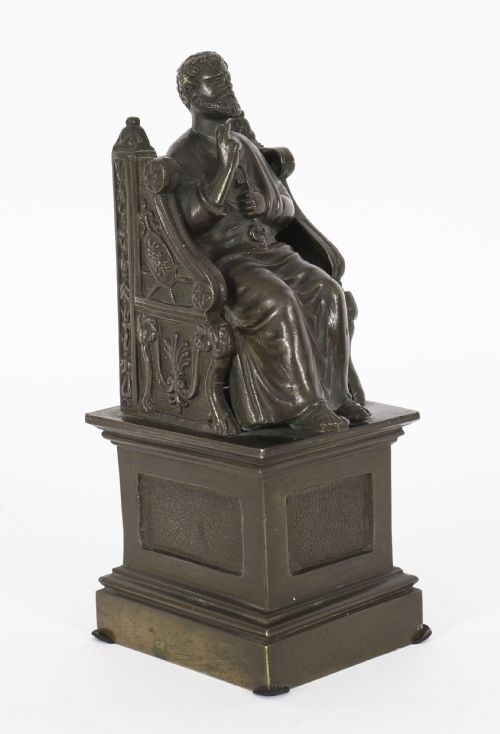
Grand Tour bronzes are small-scale metal sculptures collected by travellers touring European cultural centres during the nineteenth century. They typically depict classical antiquities or religious subjects like saints.
These portable works often feature dark patinated finishes and precise casting.