




Antique Religious Ornament
These antique religious ornament pieces bring centuries of devotion into the room, ranging from carved wood to patinated bronze.
Antique Religious Ornament
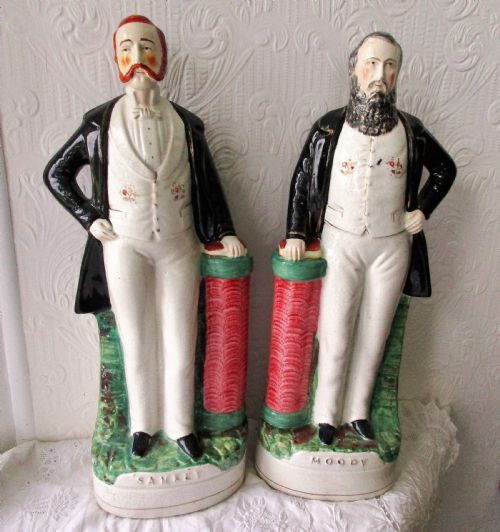
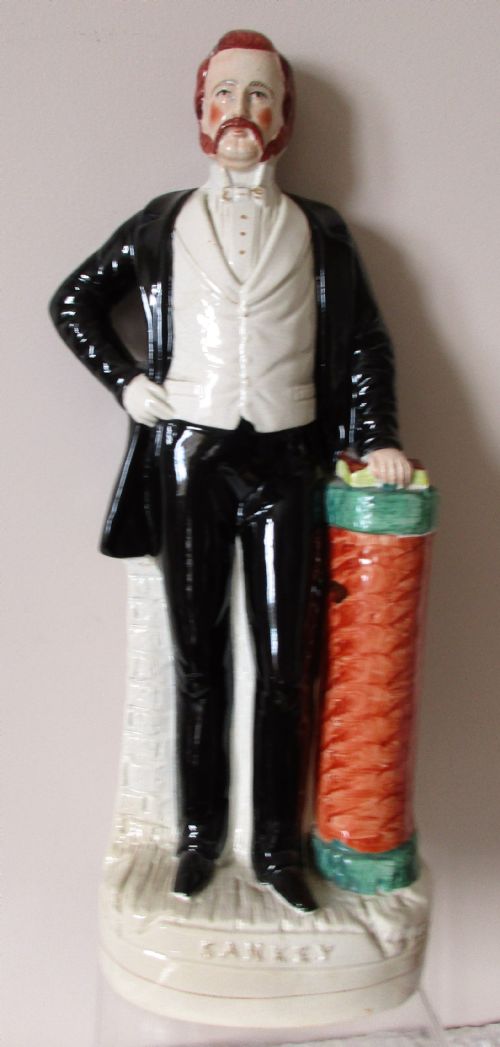
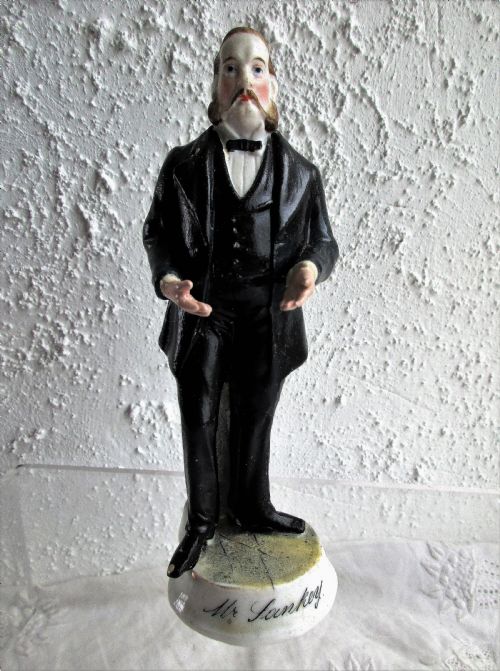
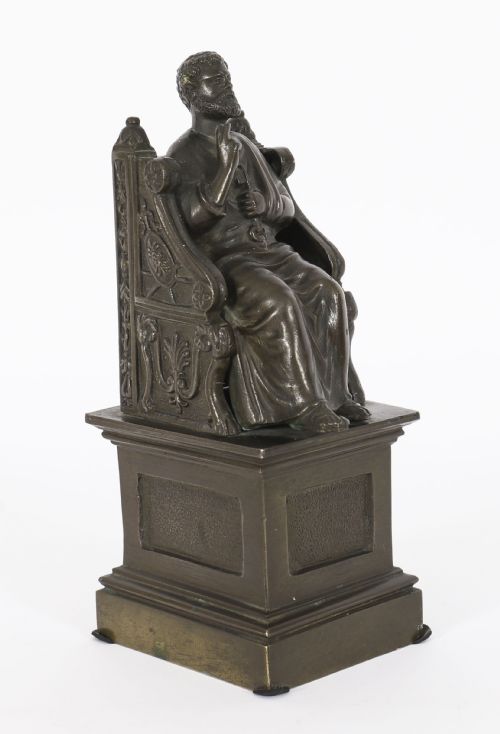
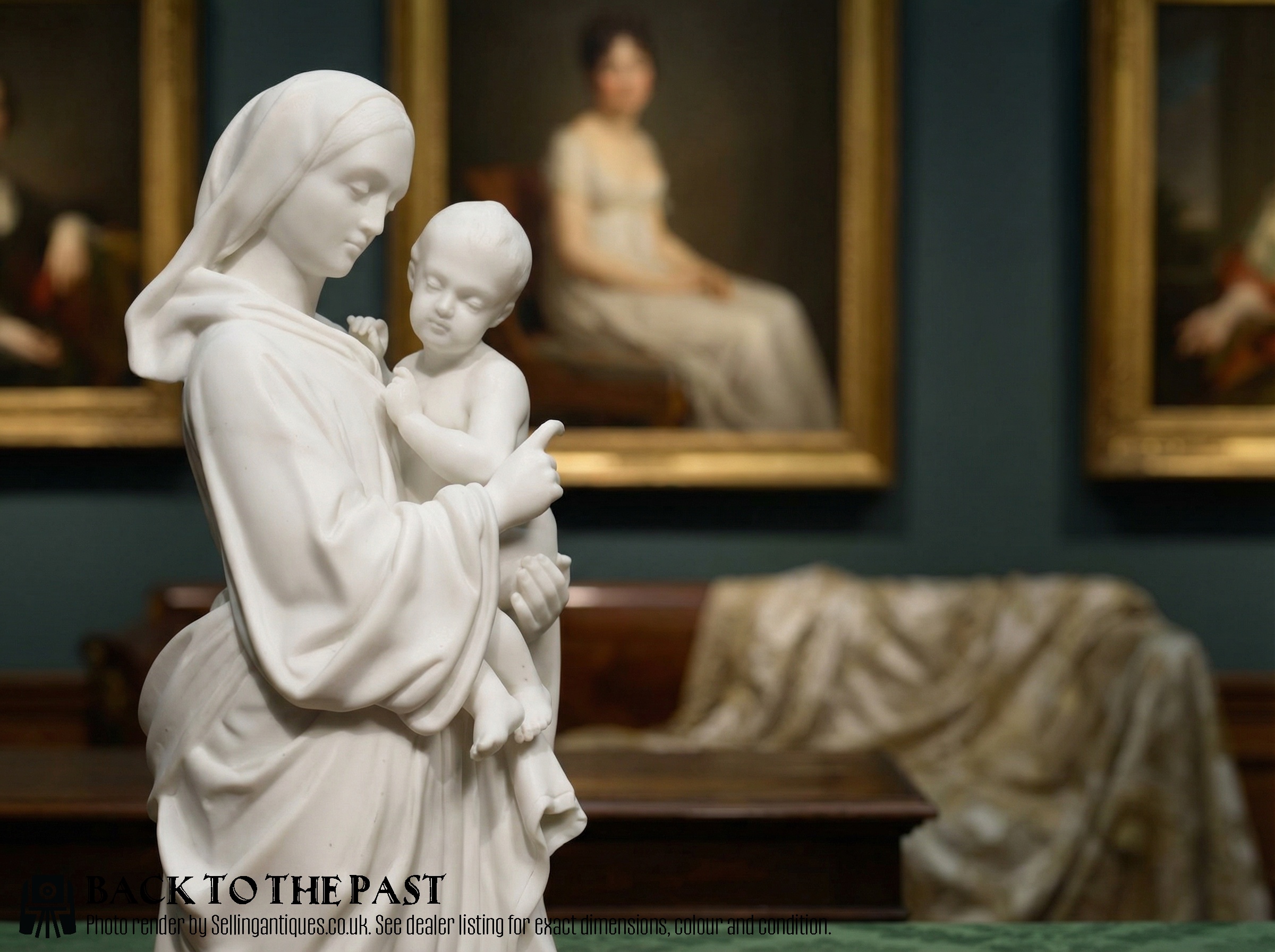
The selection on this page leans heavily towards nineteenth-century British Staffordshire pottery, including portrait figures of evangelists and biblical scenes such as Abraham offering up Isaac. Alongside these earthenwares appear grander bronze sculptures, porcelain figures and carved wooden depictions of deities.
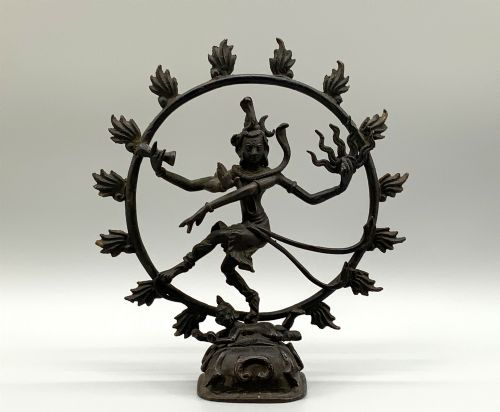
Buyers will also find devotional items originating from diverse cultural contexts, including Indian bronze figures of Shiva Nataraja and large carved wooden Buddha statues. These pieces serve as both historical artefacts and focal points for collections centred on sacred art.
How they were made
Many of the earthenware and pottery pieces rely on traditional moulding and hand-painting techniques, finished with a clear or lead glaze. Staffordshire potteries shaped these figures in clay before applying surface colours and firing them in kilns.
Metal items utilise casting methods, particularly bronze, which is then patinated to achieve a weathered or aged surface. Artisans also worked with wood and stone, carving intricate details by hand to define vestments, facial expressions and symbolic attributes.
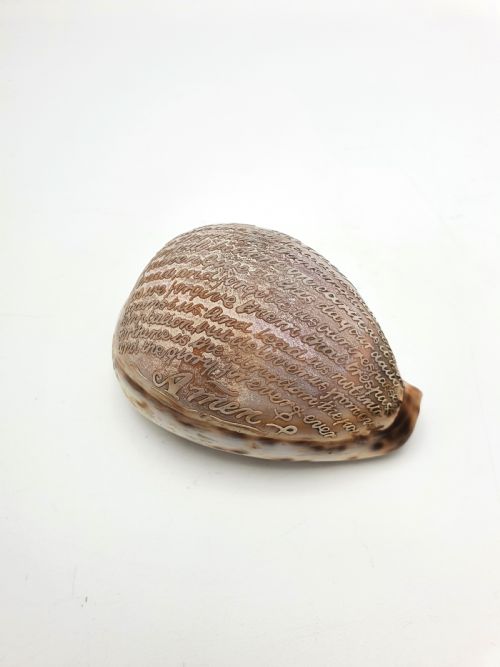
One extraordinary item in the records is a cowrie shell carved entirely with the Lord's Prayer.
What varies in quality
Material choice and casting precision also influence the overall character of the work, with heavy patinated bronzes and early hand-carved stone figures commanding distinct visual presence.
Royal Worcester
The Antique Religious Ornament Glossary
- Staffordshire
- A term for pottery manufactured in the region of Staffordshire, England, famous for producing earthenware figures and portrait pieces during the Victorian era. These items often depict religious scenes and notable personalities.
- Patinated bronze
- Bronze metal treated with chemical solutions or natural processes to create a darkened, aged surface finish. This technique enhances the depth of sculptural details.
- Corpus Christi
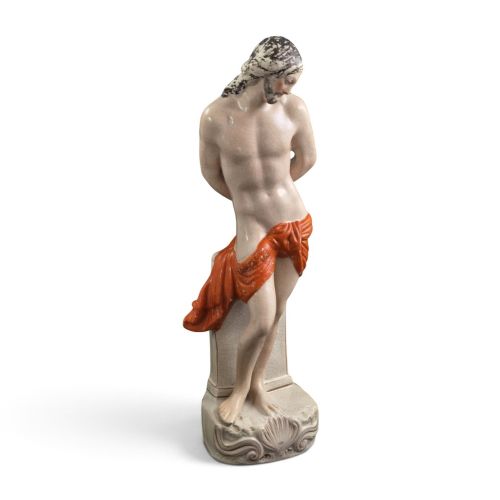
- A Latin term referring to the body of Jesus Christ, frequently depicted in Christian sculpture and ecclesiastical art. Such pieces often form part of larger crucifixes or standalone devotional objects.
- Parianware
- A type of fine biscuit porcelain developed in the nineteenth century to imitate white marble. It was frequently utilised for portrait busts and sculptural figures.
Antique Religious Ornament: Frequently Asked Questions
What periods do these religious ornaments cover?
The selection spans from pre-sixteenth century stone carvings up to twentieth-century wooden sculptures and silver apostle figures. Nineteenth-century pieces, particularly Victorian Staffordshire pottery, form a substantial part of the available range.
Buyers will also encounter eighteenth-century ecclesiastical items and Edwardian silver work alongside Asian art objects.
How were Staffordshire figures displayed?
Staffordshire pottery figures were typically produced as mantelpiece ornaments for middle-class Victorian homes. They served both a decorative function and a moral or religious purpose within domestic interiors.
Portrait figures and biblical scenes were arranged visibly in living spaces to reflect the owner's beliefs or interests.
Are these items made of porcelain or earthenware?
The materials vary considerably depending on the origin and period of the specific piece. Many English figures utilise earthenware with lead glaze or standard glaze finishes, whilst others are formed from fine porcelain or parianware.
Non-ceramic items include bronze, patinated bronze, carved wood, stone and silver.
How do I identify a Grand Tour bronze?
Grand Tour bronzes typically date from the nineteenth century and depict classical or religious subjects encountered by travellers in Europe, such as figures of saints. They feature characteristic patinated bronze surfaces and sculptural qualities associated with Italian workshops.
These pieces were collected as souvenirs of cultural education and travel.