





Victorian Pot Pourri
Victorian pot pourri vessels and boxes hold dried fragrant botanicals to scent a room, combining decorative porcelain or sterling silver with functional pierced lids.
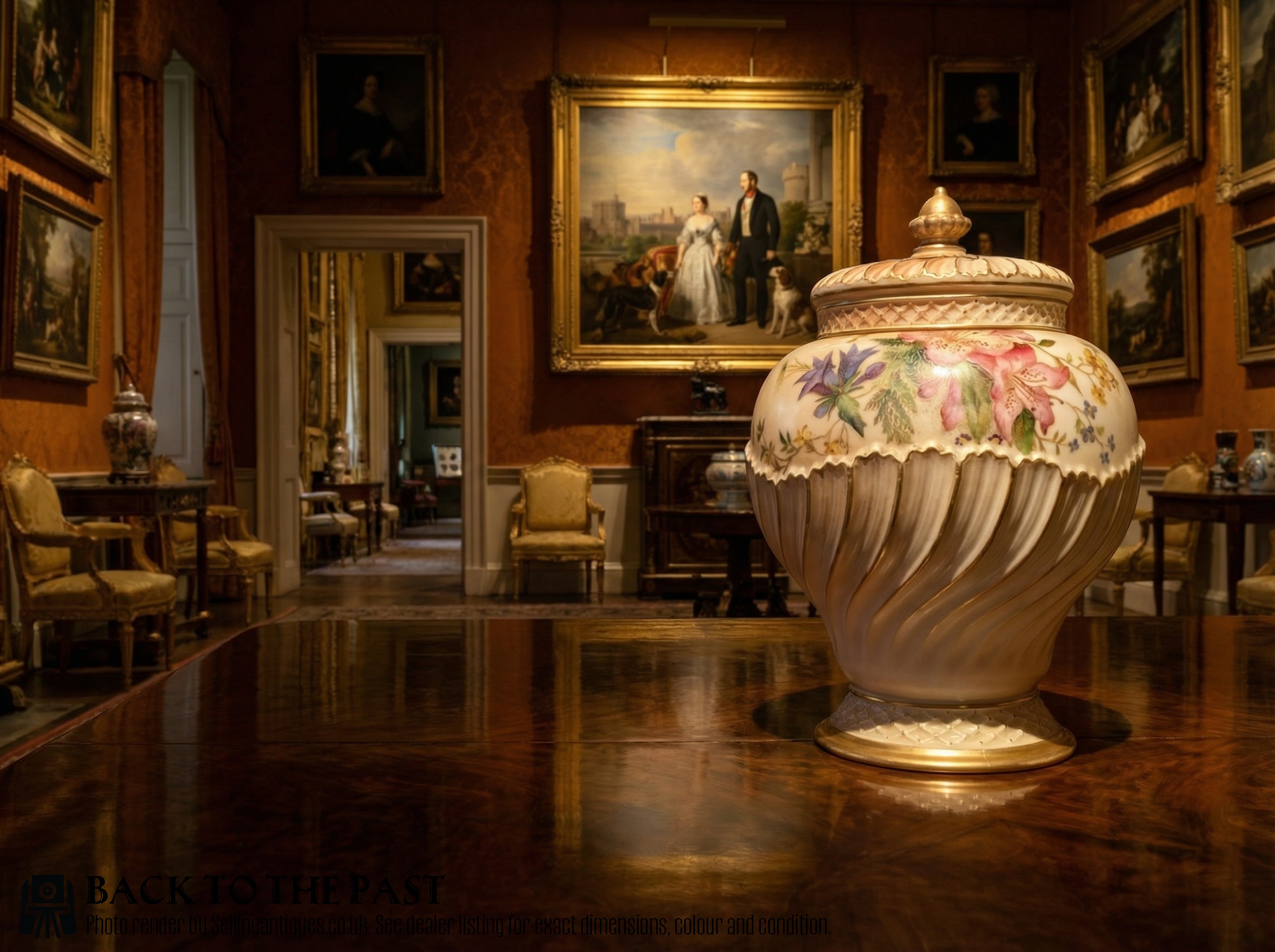
Victorian Pot Pourri
Victorian pot pourri spans decorative porcelain jars, blush ivory pedestal vases with crown covers, and pierced sterling silver boxes. These objects range from the mid-nineteenth century through the Edwardian era, encompassing styles such as Victorian Rococo Revival and Late Victorian.
Porcelain examples frequently emerge from factories like Royal Worcester, Samuel Alcock, and Minton, often displaying floral motifs or enamel work. Silver boxes, meanwhile, rely on intricate pierced work across round and heart shapes to release the scent of dried petals.
Pedestal vases and rose jars dominate the ceramic offerings, whilst smaller hinged boxes serve dual purposes for jewellery and pot pourri. Buyers encountering these pieces on the market will find that blush ivory porcelain and pierced silver lids define the primary forms.
Materials and construction
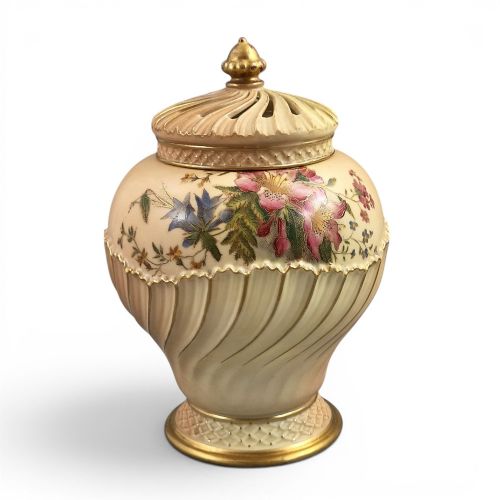
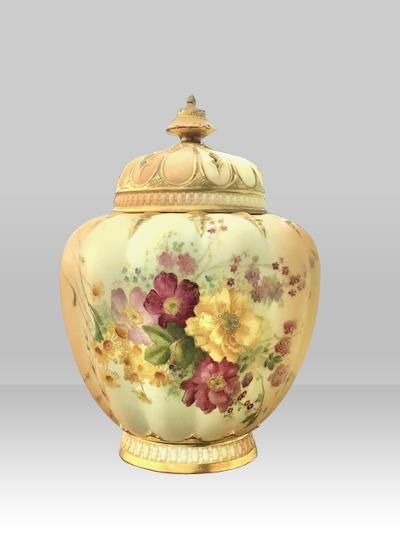
Ceramic pieces utilise porcelain bodies finished with gilding, gold leaf, and delicate enamel painting. Factories applied specialised glaze effects, notably the blush ivory finish seen on many Royal Worcester vessels.
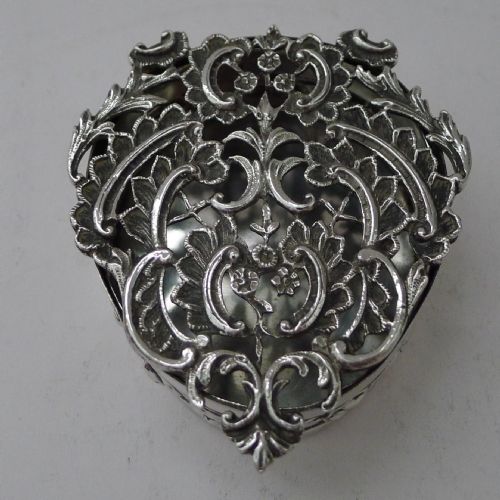
Silver containers employ sterling silver fashioned into boxes with pierced or perforated lids to allow scent dispersion. Makers often incorporated hinged mechanisms and fabric linings into these smaller boxes.
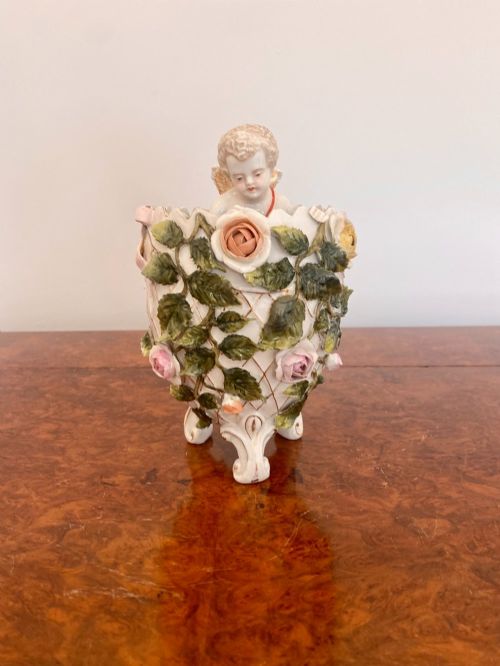
Decoration relied on hand-painting, particularly for floral studies and bird scenes by artists such as C Baldwyn, combined with moulded rococo scrolls and applied flower encrustations.
Victorian Pot Pourri Retail Price Guide 2026
Typical asking prices for victorian pot pourri among the pieces listed under this phrase on Sellingantiques today, from the lower quarter to the upper quarter. They describe what is for sale here now, not the wider market.
Materials across the inventory span porcelain, sterling silver, enamel, and gold leaf, reflecting Victorian and Edwardian manufacturing methods.
Factors of distinction
Quality rests in the crispness of the porcelain moulding, the refinement of the hand-painted decoration, and the weight of the silver. Superior ceramic pieces exhibit detailed hand-painted flora and secure, well-fitted crown covers.
In silver examples, the intricacy and precision of the pierced lattice work on the lid govern the overall merit. Maker attribution also plays a role, with established silversmiths and porcelain works commanding greater attention from collectors.
Royal Worcester·William Comyns·Samuel Alcock·Samuel Jacobs·Minton
The Victorian Pot Pourri Glossary
- Blush ivory
- A matte cream porcelain finish developed by Royal Worcester in the late nineteenth century. It provides a soft background for hand-painted floral decoration.
- Crown cover
- A pierced ceramic lid resembling an open crown, designed to allow the release of fragrance from the pot pourri inside. These fit securely over the neck of the jar or vase.
- Pierced work
- Metalwork cut through with decorative holes or patterns. In silver pot pourri boxes, this technique serves the dual purpose of ventilation and ornamentation.
Victorian Pot Pourri: Frequently Asked Questions
How do you use antique pot pourri?
Antique pot pourri vessels were traditionally filled with dried rose petals, spices, and fixatives to perfume a room. The pierced lid regulates the release of the scent.
Modern owners may continue this practice with dried botanicals or display the vessels empty as decorative ceramic and silver works of art.
How can you tell a Royal Worcester piece?
Royal Worcester pieces often feature specific ceramic bodies such as blush ivory, combined with fine hand-painted floral or bird decoration. Shape numbers and factory marks underneath help confirm the origin and date.
These items frequently include crown covers and gilt detailing characteristic of the factory's output around nineteen hundred.
What is the difference between vases and boxes?
Vases and jars are typically ceramic vessels designed for display on mantelpieces or pedestals, often featuring removable pierced crown covers. They represent larger decorative statements.
Silver boxes are smaller, hinged containers intended for tabletops or dressing tables, frequently combining pierced silver lids with velvet or silk linings.