



Decorative Lid Vase
A decorative lid vase brings sculptural form and fitted covers together, offering a traditional centrepiece for any room.
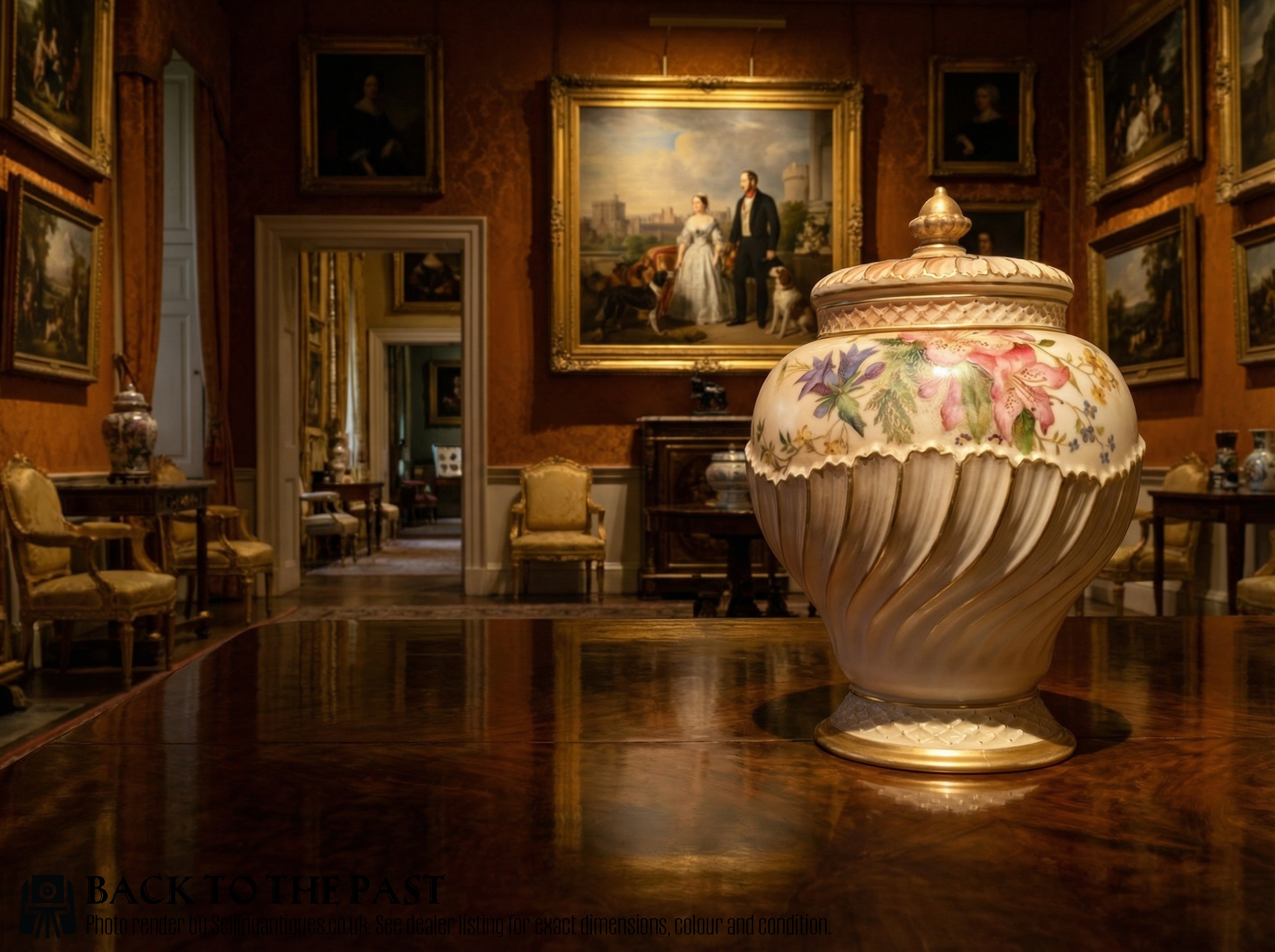
Decorative Lid Vase
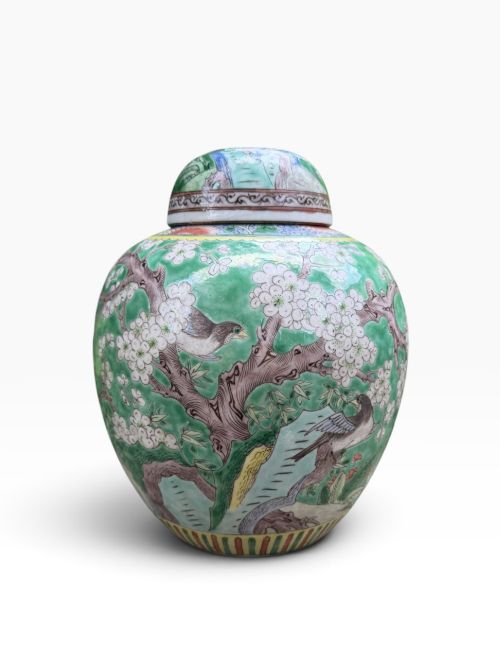
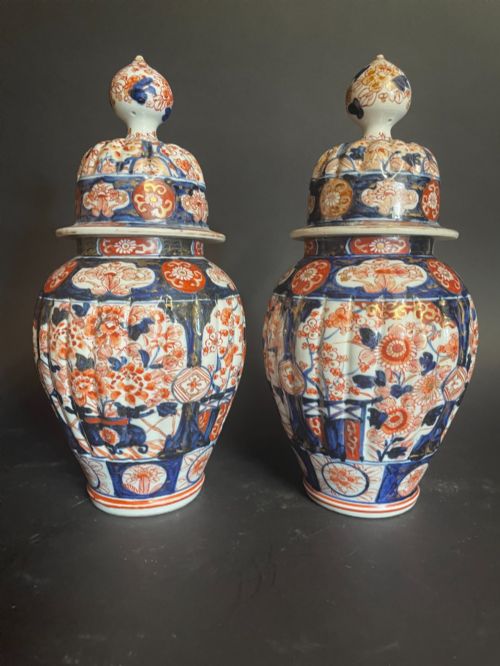
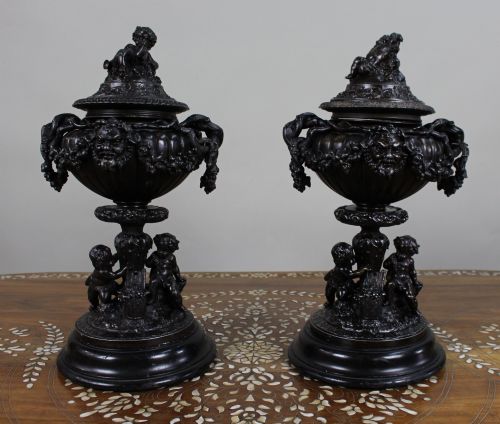
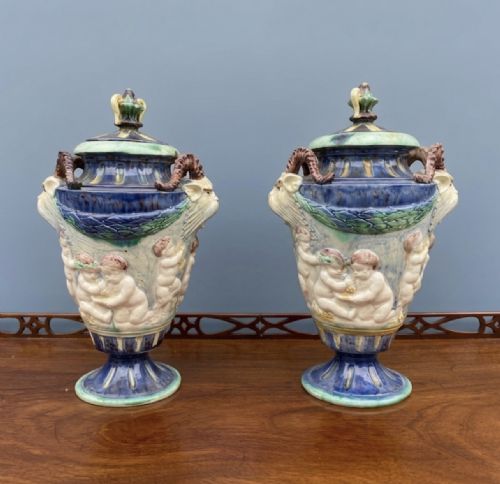
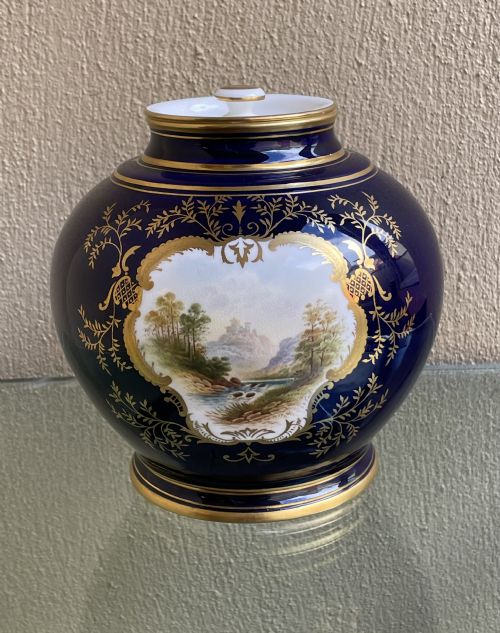
A decorative lid vase combines a covered vessel with ornamental design, appearing across nineteenth-century European and Japanese output. Buyers searching this phrase encounter lidded ginger jars, pot pourri urns, and pedestal vases equipped with matching covers.
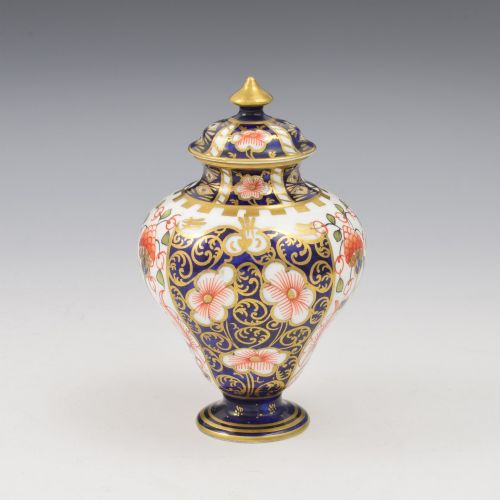
Most examples originate from the nineteenth century, including Victorian, Edwardian, and Meiji period pieces. Makers ranged from major English potteries like Royal Worcester and Coalport to continental porcelain houses and Japanese kilns.
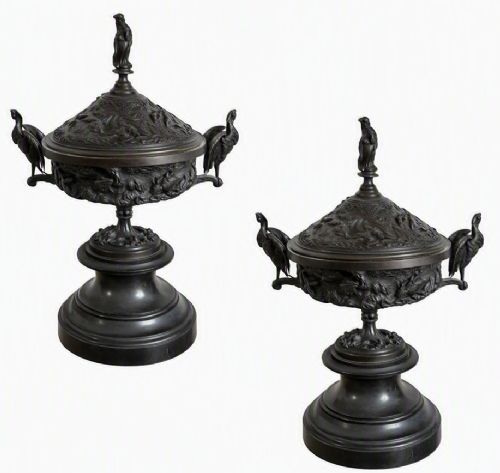
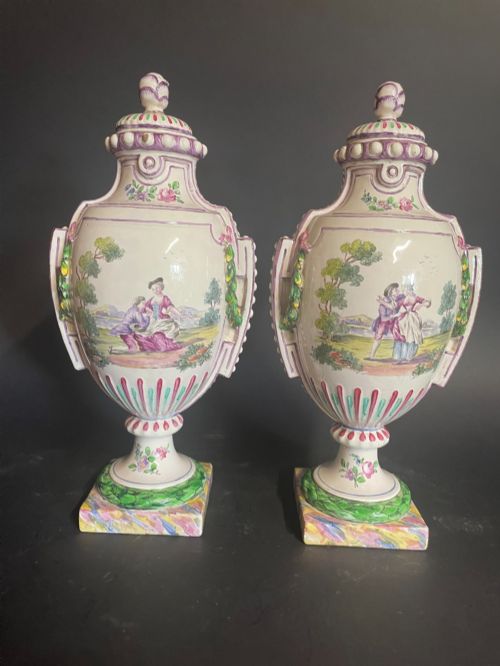
The forms serve both display and containment, frequently appearing in pairs or garnitures alongside matching urns and jars. Their presence anchors a mantelpiece or side table with substantial ceramic or bronze bulk.
Materials and construction
Makers utilised porcelain, earthenware, and ironstone as the primary bodies for these vessels, shaping them on the wheel or casting them in moulds. Hand-painted glazes, enamel work, and gilding decorate the surfaces, alongside applied bronze mounts and champleve enamel.
Japanese pieces from Arita and Kutani employ traditional porcelain and earthenware painted in the Imari palette with iron red and cobalt blue. English factories such as Royal Worcester applied intricate fruit painting over glazed white bodies beneath crown-top pierced covers.
Some nineteenth-century pot pourri vases still hold the faint, century-old aroma of dried spices tucked inside their pierced lids.
Variations in quality
Quality rests upon the execution of the hand-painting and the crispness of the modelled details on handles, masks, and covers. Superior pieces display finely delineated brushwork, balanced proportions between the vessel body and its lid, and secure ormolu or bronze mounts.
Factory standard dictates value, with signed artist pieces from established potteries commanding greater attention than unmarked continental copies. The integrity of the matching lid, unmarred gilding, and the complexity of the glaze separate standard production from exceptional examples.
Jules Moigniez·Royal Crown Derby·Sceaux Faience·Royal Worcester·Coalport·William Moorcroft·Masons Ironstone·Wolfsohn Dresden·Hadley's Worcester·Carlton Ware
The Decorative Lid Vase Glossary
- Pot pourri
- A vase or jar featuring a pierced cover designed to diffuse scent from dried flower petals and spices.
- Imari
- A style of Japanese porcelain decorated in underglaze blue, iron red, gold, and supplementary colours.
- Ormolu
- Gilt bronze mounted onto decorative objects, popular in French and Sevres-style pieces.
- Cloisonne
- Enamelwork in which thin metal wire strips form compartments on a metal base to hold coloured paste.
Decorative Lid Vase: Frequently Asked Questions
What is a decorative lid vase used for?
These lidded vessels function primarily as decorative centrepieces on mantelpieces, sideboards, and pedestals. Historically, certain lidded forms also served to hold pot pourri or dried spices to fragrance rooms.
Their substantial presence and fitted covers provide a finished silhouette that differs from open-topped display vessels. They remain prized as focal points in traditional interior settings.
How do I identify a Meiji period vase?
Japanese pieces from the Meiji period often display dense decorative schemes in the Imari palette or satsuma earthenware with crackle glazes. The workmanship reflects the reopening of trade during the late nineteenth century.
Examining the paste beneath the glaze and any painted or impressed studio marks helps confirm the period of manufacture.
Are these vases always found in pairs?
While many examples on the market survive as pairs or larger garnitures, many others exist as single pieces or solitary ginger jars. Pairs were originally intended to balance formal mantel displays.
Single vases stand alone effectively on smaller tables or in cabinets where symmetry is not required.
How do I care for antique porcelain and bronze?
Keep porcelain and earthenware vessels away from direct sunlight to protect hand-painted enamel and gilding from fading. Dust them gently with a dry, soft cloth without using liquid cleaners.
Bronze and ormolu mounts require minimal intervention, avoiding abrasive polishes that strip the original surface patination.