




Victorian Porcelain Painting Plaque
These Victorian porcelain painting plaques bring intense miniature portraiture and classical scenes onto ceramic panels, framed for display.
Victorian Porcelain Painting Plaque
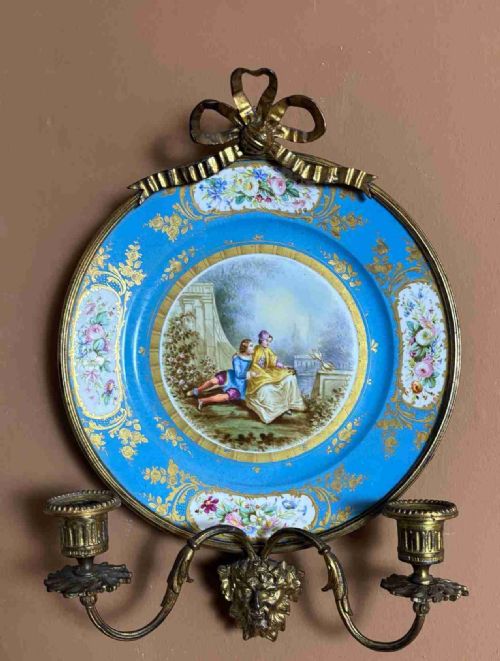
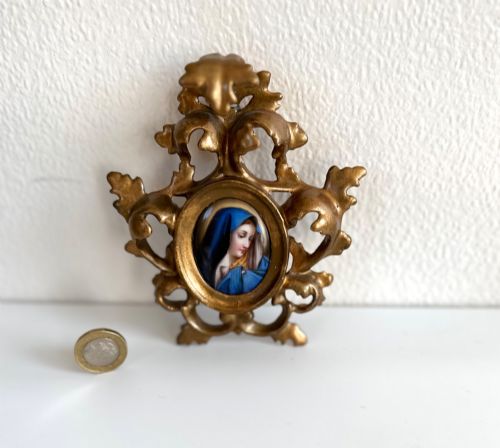
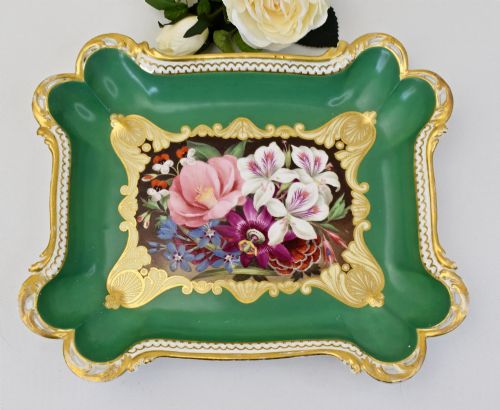
A victorian porcelain painting plaque combines fine ceramic craft with detailed miniature art, often depicting portraits, classical subjects or landscapes. The examples appearing here span the nineteenth century, taking the form of framed wall panels, inset furniture mounts and decorative cabinet plates.
Makers utilised smooth glazed porcelain as a stable canvas for meticulous brushwork. Many pieces reflect revival aesthetics, drawing on Rococo, French Louis XVI and Renaissance compositions rendered in miniature.
Buyers encounter subjects ranging from religious icons to pastoral scenes and royal portraits. These works function as portable gallery pieces designed to catch the light in domestic interiors.
How they were made
The foundation of every piece is high-fired porcelain or earthenware, coated in a white glaze that provides a luminous base for pigments. Artists applied ceramic enamels in successive layers, firing the panels repeatedly to fuse the colours permanently into the surface.
Many works incorporate gilt bronze, giltwood or ormolu mounts to frame the ceramic panel. Skilled hands shaped these metal and wood surrounds to complement the delicate painting within.
Victorian Porcelain Painting Plaque Retail Price Guide 2026
Typical asking prices for victorian porcelain painting plaque among the pieces listed under this phrase on Sellingantiques today, from the lower quarter to the upper quarter. They describe what is for sale here now, not the wider market.
A porcelain painting of young boys eating fruit sits comfortably alongside portraits of Prussian queens and religious icons.
What varies in quality
The fineness of the brushwork dictates the standing of the piece, separating standard decorative wares from master-level studio output. Finer examples show precise control in facial expressions, drapery folds and tonal gradation.
The quality of the mounting hardware alters the overall merit. Heavier cast bronze frames, carved wooden surrounds and signed compositions point to workshops operating at the higher end of the market.
Van Genden·Doe & Rogers·Raphael·KPM·Baldwyn·William Rayworth·William Yale of Stoke
The Victorian Porcelain Painting Plaque Glossary
- Porcelain
- A hard, white ceramic material fired at high temperatures. It offers a smooth, non-porous surface ideal for detailed miniature painting.
- Enamel
- Vitreous pigments applied to the ceramic surface and fired. These colours retain their brilliance and resist fading over time.
- Gilt
- A thin layer of gold applied to wood, metal or porcelain surfaces. It adds reflective warmth and highlights decorative borders.
- Ormolu
- Finely chased and gilt bronze used for decorative mounts and frames. It became particularly popular in French nineteenth-century decorative arts.
- Charger
- A large decorative plate intended for display rather than dining. These pieces often feature elaborate painted scenes across the central well.
Victorian Porcelain Painting Plaque: Frequently Asked Questions
How do I hang a porcelain plaque?
Most antique plaques arrive within secure frames fitted with hanging loops or brackets designed for wall mounting. Ensure the wall fixings match the weight of the combined ceramic and wooden or metal surround.
Keep these pieces away from direct sunlight and areas of high moisture to protect the enamel pigments and any gilded elements on the frame.
Are these plaques signed by the artist?
Certain pieces carry painted signatures or factory marks on the reverse or front surface. Major manufactories often impressed or painted their specific cipher directly into the ceramic body.
Unsigned plaques remain common, particularly when produced in larger studio workshops where the decorator's identity was secondary to the establishment.
How should I clean a painted plaque?
Dust the surface gently with a soft, dry brush to remove particles without disturbing the glaze or frame. Avoid liquid cleaners, chemical sprays or abrasive cloths entirely.
If the glass or frame requires attention, clean the surrounding material separately while taking care not to let moisture seep behind the mount.
What is the difference between a plaque and a cabinet plate?
Plaques are manufactured specifically as flat panels for framing or mounting into furniture surfaces. They lack the traditional recessed well found on standard tableware.
Cabinet plates retain a formal dish shape with a decorative rim, intended to stand upright on display shelves or hanging rails rather than serve food.