





Gilt Bronze Porcelain Plaque
These gilt bronze porcelain plaque pieces bring together French cabinet-making and ceramic art, offering decorative elegance for period interiors.
Gilt Bronze Porcelain Plaque
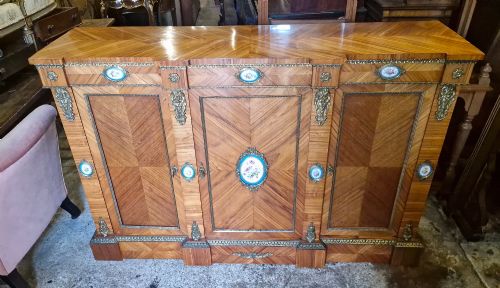
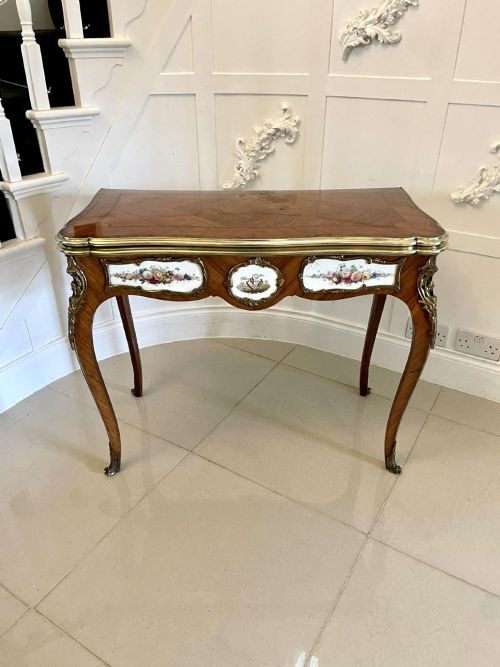
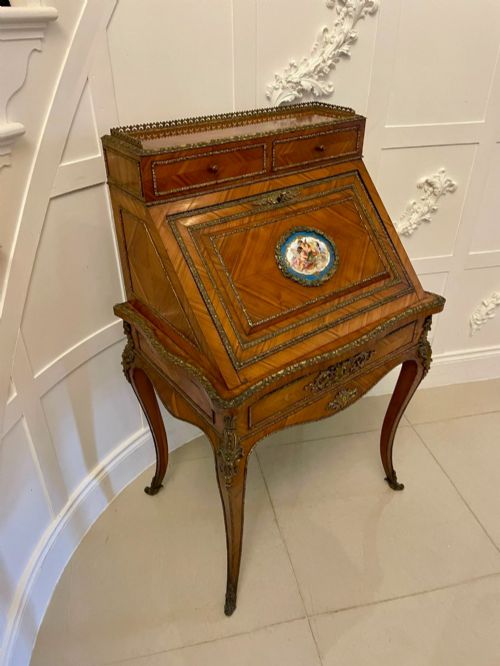
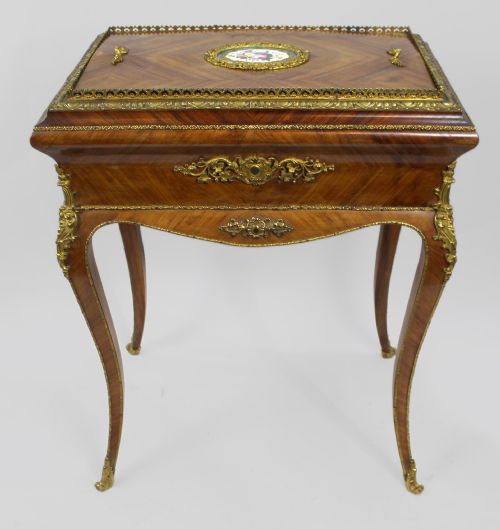
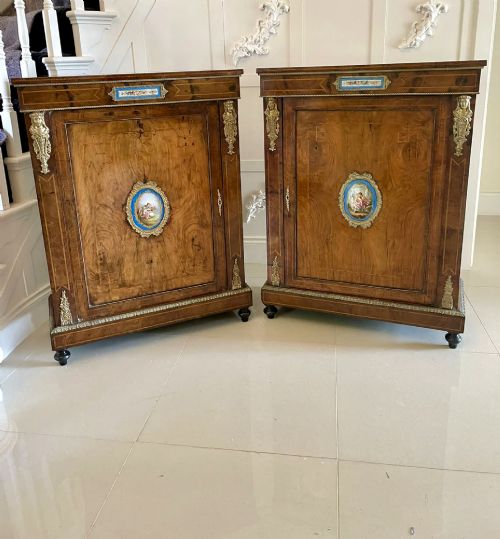
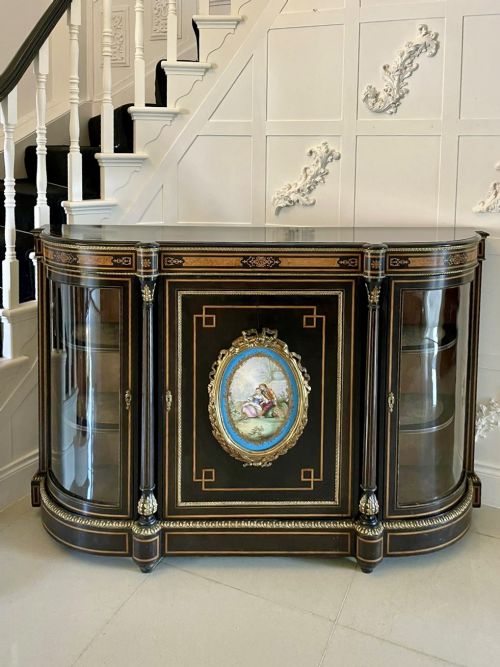
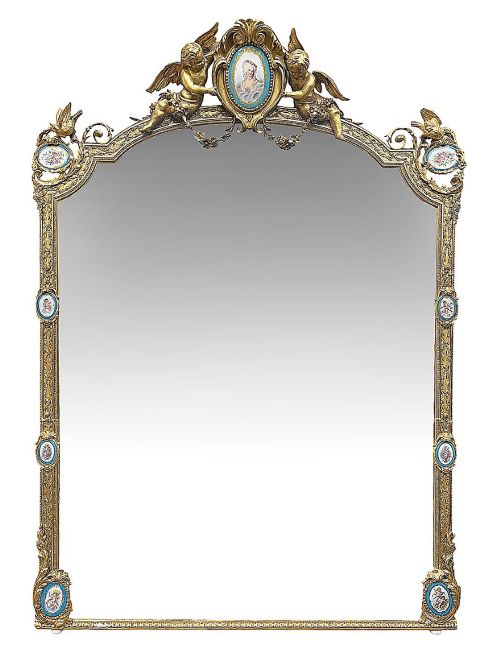
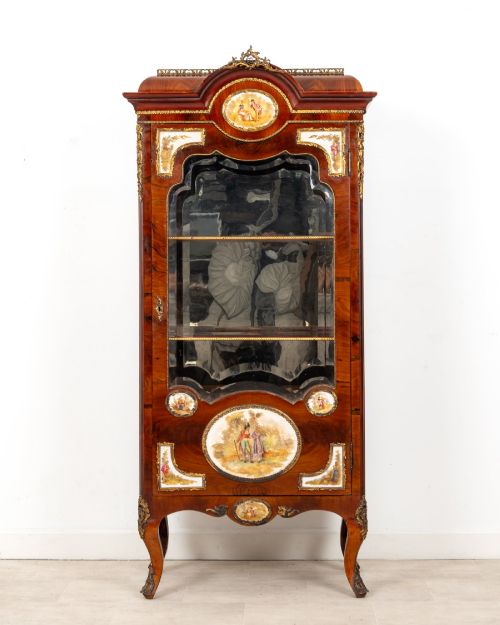
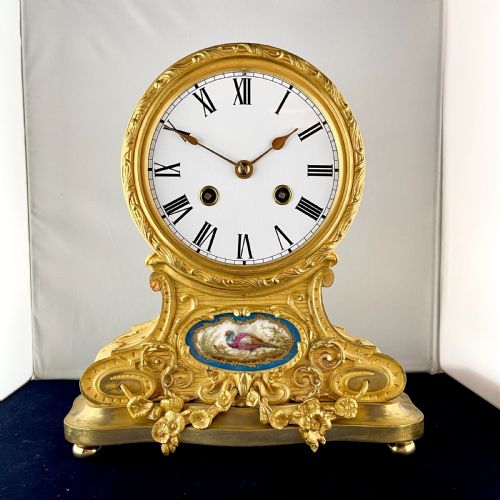
When you search for gilt bronze porcelain plaque, you find nineteenth-century French furniture and decorative objects mounted with ceramic inserts. These pieces typically take the form of side cabinets, mantel clocks, jardiniere stands, and writing desks produced during the Victorian and Napoleon III periods.
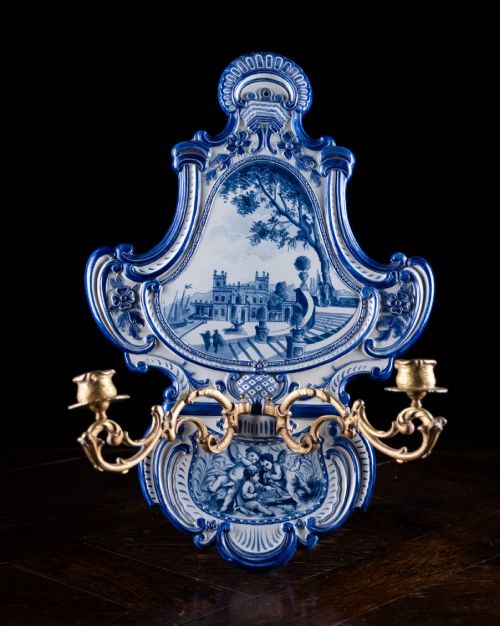
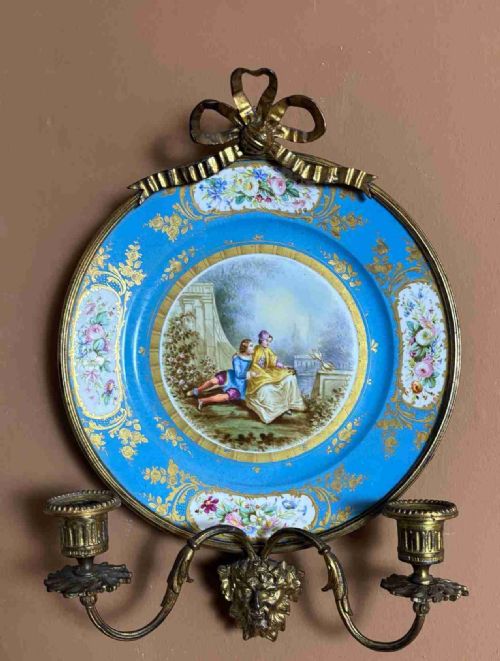
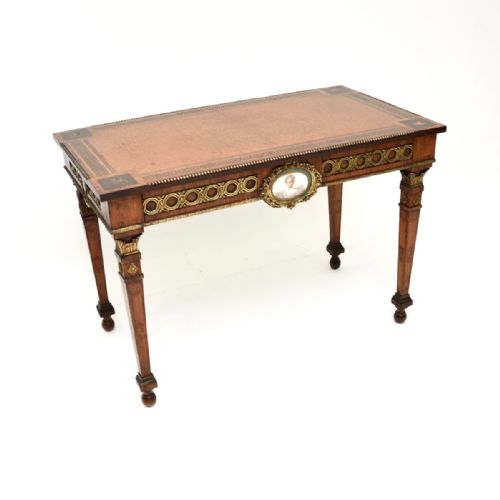
The objects combine functional cabinet-making with ornate metalwork and painted ceramics, reflecting revival styles such as Louis XV and Louis XVI. Makers integrated porcelain plaques directly into timber carcases, surrounding them with cast metal mounts to create decorative focal points on furniture fronts and clock faces.
You are most likely to encounter nineteenth-century French side cabinets, bonheur du jour desks, and mantel clocks featuring Sevres-style ceramic inserts. These items demonstrate the nineteenth-century European preference for incorporating hand-painted porcelain into domestic furniture.
How they were made
The construction relies on combining dense hardwoods like kingwood, rosewood, and satinwood with cast metal mounts and ceramic panels. Craftsmen shaped timber carcases to house porcelain plaques securely, often framing the ceramics with gilt bronze or ormolu mounts fixed via hidden screws and pins.
Metalwork involved casting bronze components, which were then chased to refine surface detail before receiving a gilt finish. Ceramic plaques were painted with classical scenes, portraits, or floral motifs, then glazed and fired in kilns before being fitted into the timber and metal framework of the furniture or clock.
Gilt Bronze Porcelain Plaque Retail Price Guide 2026
Typical asking prices for gilt bronze porcelain plaque among the pieces listed under this phrase on Sellingantiques today, from the lower quarter to the upper quarter. They describe what is for sale here now, not the wider market.
What varies in quality
Quality in these pieces rests on the crispness of the bronze casting and the artistry of the porcelain painting. Finer examples display deeply chased metal mounts with sharp relief, alongside hand-painted ceramic plaques featuring delicate brushwork and rich colour blending rather than printed transfers.
The selection of timber veneers and the precision of the joinery also distinguish finer production standards. Cabinets with carefully matched grain patterns, solid carcase construction, and well-integrated porcelain panels represent the upper end of nineteenth-century workshop output.
Sevres·Berlin KPM
The Gilt Bronze Porcelain Plaque Glossary
- Ormolu
- Gilt bronze mounted onto furniture and clocks. The technique involves applying a mercury-gold amalgam to cast bronze, which is then heated to leave a durable golden layer.
- Bonheur du jour
- A small lady's writing desk featuring a raised cabinet or super-structure with shelves and drawers. These desks frequently incorporate porcelain plaques and ormolu mounts on the writing surface and backing tiers.
- Vitrine
- A glass-fronted display cabinet designed for showing porcelain and small decorative objects. Nineteenth-century versions often pair glass panels with lower wooden cupboards inset with ceramic plaques.
- Cartonnier
- A desktop cabinet fitted with compartments for holding papers and documents. They appear in nineteenth-century studies, sometimes embellished with ormolu mounts and ceramic plaques.
- Jardiniere
- A decorative stand or container designed to hold plants. Examples from this period utilise timber frames, marble tops, and porcelain plaques to ornament the exterior basin.
Gilt Bronze Porcelain Plaque: Frequently Asked Questions
What is a gilt bronze porcelain plaque piece?
These items are nineteenth-century French furnishings and decorative objects inset with painted ceramic panels. Cabinet-makers used porcelain plaques to ornament the doors, friezes, and crests of functional items.
Metal mounts in gilt bronze frame the ceramics, linking the porcelain directly to the wood structure of cabinets, desks, and clocks.
How were these items used originally?
Wealthy households utilised these pieces in formal reception rooms and private studies for display and daily correspondence. Cabinets and vitrines showcased collections of porcelain, while clocks and jardiniere stands ornamented mantelpieces and window bays.
Writing desks provided dedicated spaces for letter writing, combining functional storage with decorative ceramic and metal artistry.
How do I live with them?
Place these items away from direct sunlight and strong heat sources to protect wood veneers and painted porcelain surfaces. Stable indoor humidity prevents timber movement around the metal mounts and ceramic plaques.
Dust the gilt bronze and timber gently with a dry cloth, avoiding abrasive cleaning agents that could damage the surface gilding.
How do I tell periods apart?
Nineteenth-century pieces often draw on Louis XV and Louis XVI revival styles, showing curved rococo lines or restrained neoclassical symmetry. The specific combination of woods like kingwood and ebonised timber points toward Victorian and Napoleon III workshop preferences.
Clock movements and plaque signatures, where present, help narrow down production dates within the nineteenth century.