


Victorian Plant Column
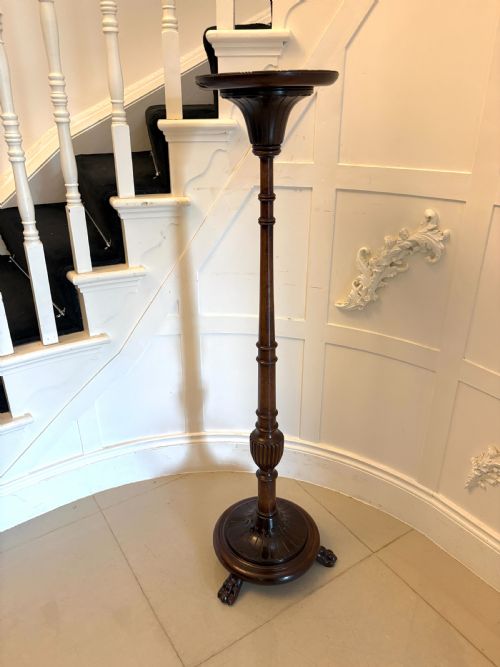
A victorian plant column elevates ferns and urns above the floor, bringing height and structural form to a room.
Victorian Plant Column
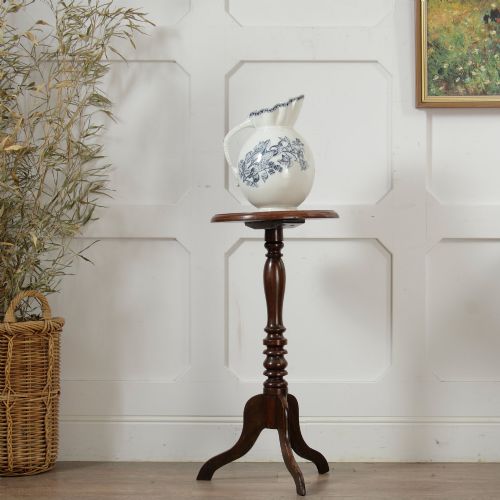
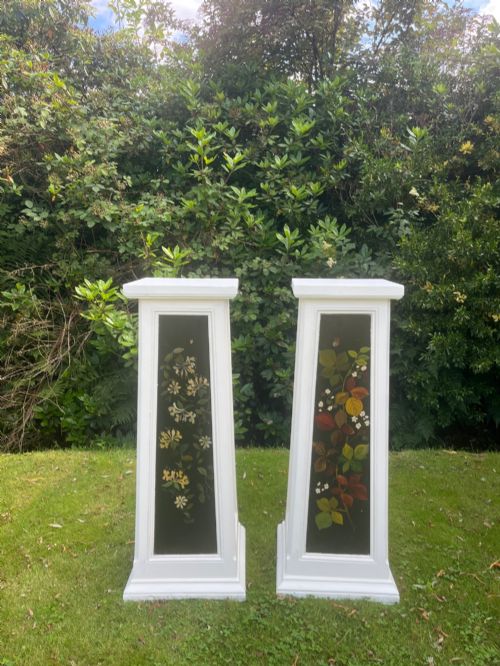
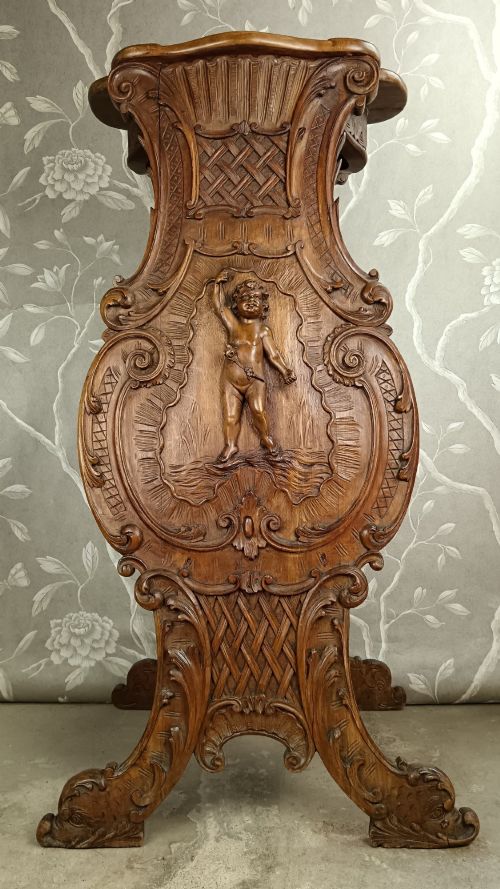
A victorian plant column serves to elevate jardinieres, busts and lamps within nineteenth-century interiors. These stands appear under various descriptions such as torcheres, pedestals and plant stands, spanning the decades from the mid-nineteenth century onward.
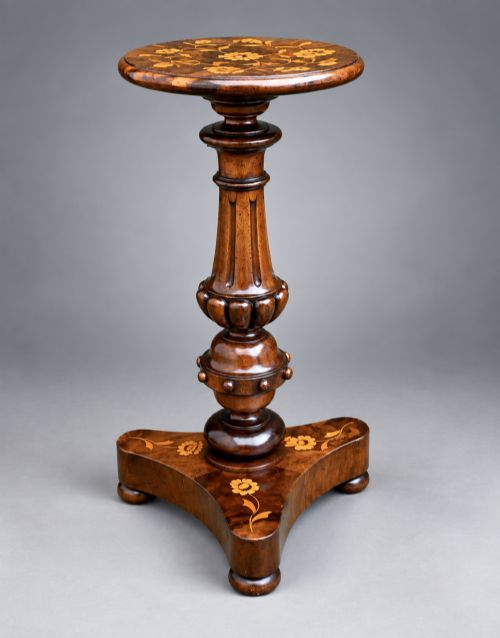
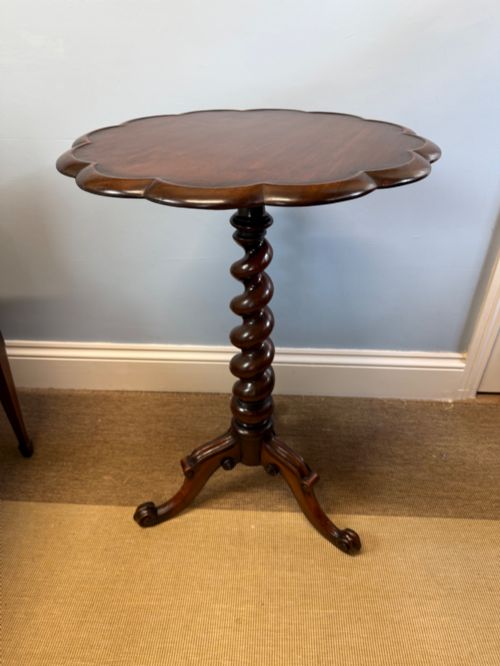
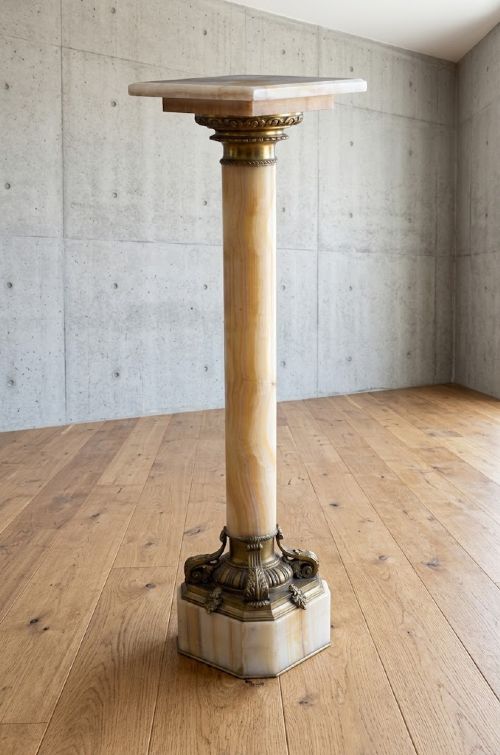
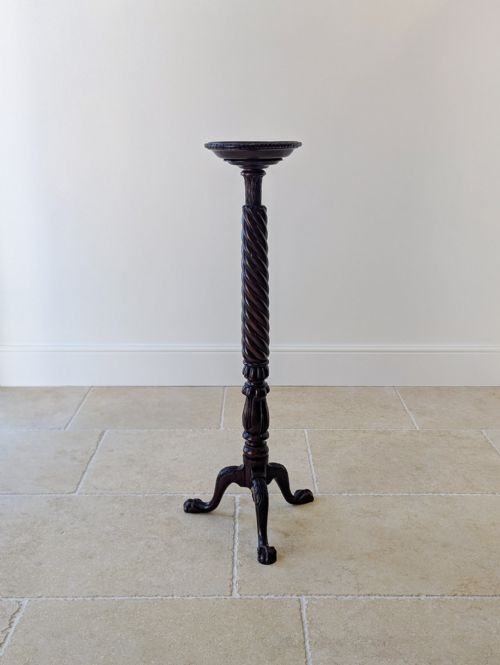
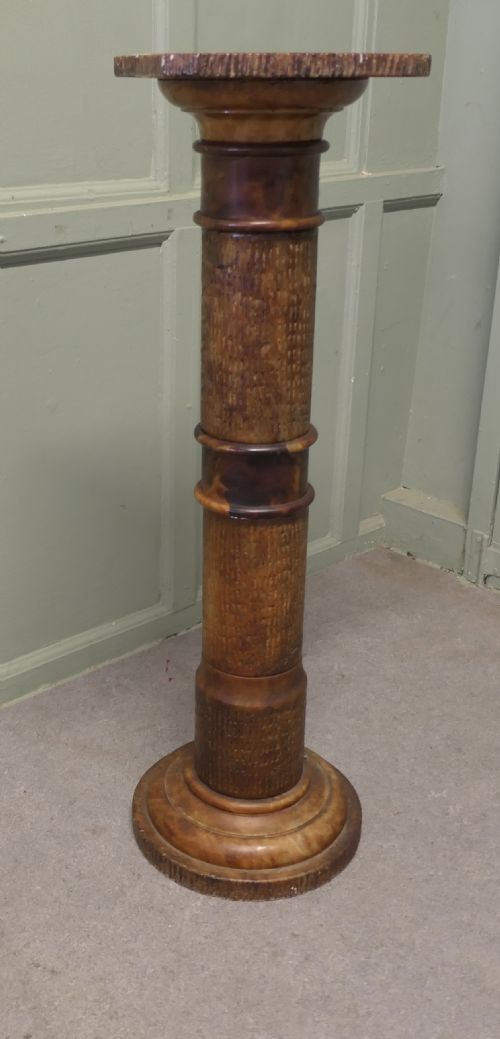
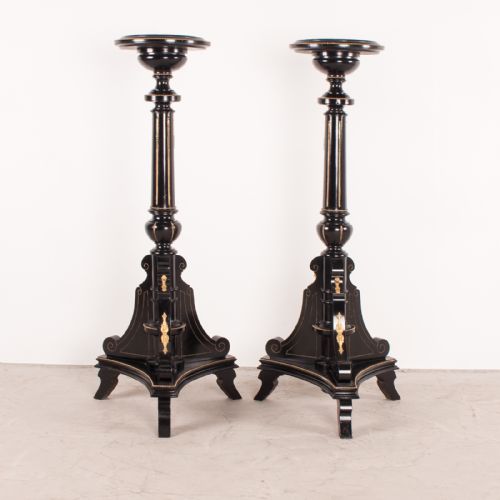
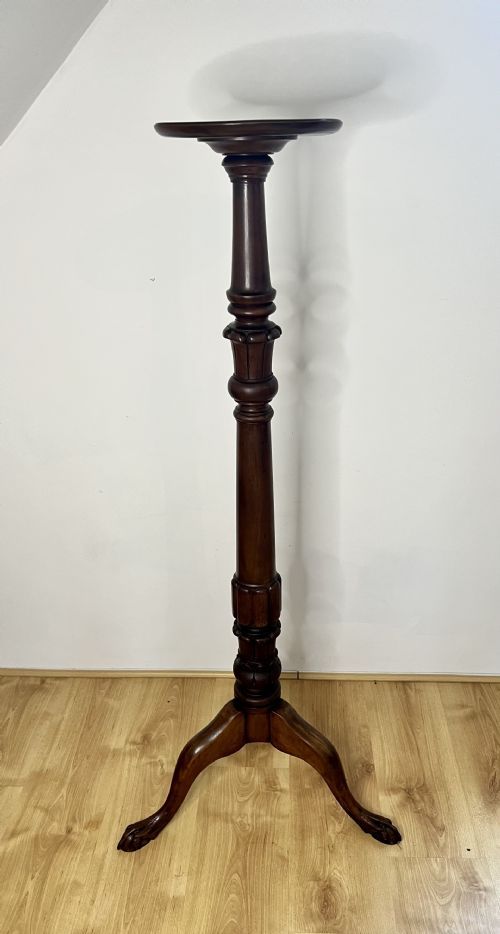
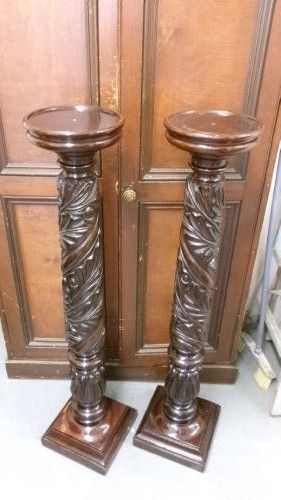
Mahogany and walnut examples dominate the selection, often taking the form of slender columns with circular tops. Makers also utilised marble, brass, cast iron and ebonised wood to create solid foundations for heavy floral displays.
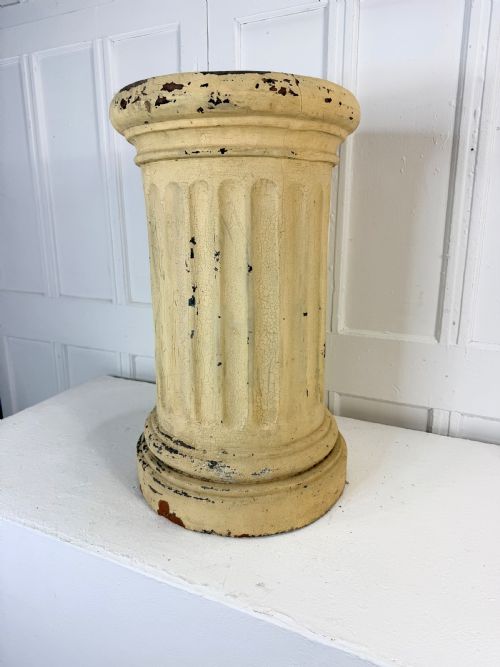
Styles range from straightforward classical revival columns to ornate aesthetic movement designs with tiled inserts and terracotta bodies. Many items serve a dual purpose as wine tables or lamp stands alongside their primary botanical function.
Materials and construction
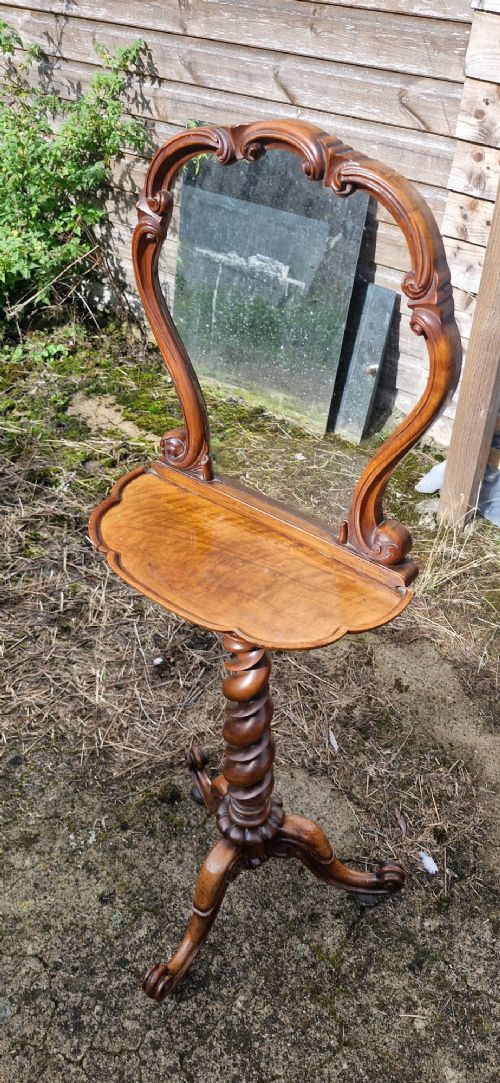
Cabinetmakers shaped dense hardwoods like mahogany and walnut on lathes or carved them by hand into fluted shafts and tripod bases. Timber sections were joined to support substantial weight without flexing under damp planters.
Masonry and ceramic components, including marble columns and Burmantofts art pottery, required specialised casting and firing techniques. Ormolu collars and brass fittings added metallic contrast to stone and timber shafts.
Taxidermy antlers occasionally form the central shaft of a Victorian torchiere, bringing woodland fauna directly into the Victorian parlour.
Distinguishing finer examples
The refinement of the carving distinguishes standard production stands from exceptional commissions. Crisp acanthus leaves, deep fluting and well-proportioned capitals reflect the skill of the original workshop.
Material selection dictates the overall presence of the piece, with richly figured walnut, genuine marble and detailed terracotta demonstrating superior craftsmanship compared to plain painted softwood.
Shoolbred·Gillow and Co·Burmantofts
The Victorian Plant Column Glossary
- Torchere
- A tall stand designed to support a light source or a decorative plant. These slender pieces usually feature a small circular top supported by a single central column or tripod legs.
- Pedestal
- A solid upright structure used to elevate a bust, urn or jardiniere. They appear in stone, terracotta and timber.
- Jardiniere
- An ornamental pot or receptacle for holding plants or flowers. Often positioned directly on top of matching columns.
- Ormolu
- Gilded bronze applied as decorative mounts to furniture and columns. This technique highlights collars and capitals on nineteenth-century stone and wood shafts.
- Aesthetic movement
- A late nineteenth-century design style emphasising visual beauty over narrative content. Pieces in this style often incorporate Japanese motifs, tiles and ebonised surfaces.
Victorian Plant Column: Frequently Asked Questions
What is a victorian plant column used for?
These pieces raise potted plants, ferns and decorative urns off the floor to catch better light and create vertical interest in a room. Nineteenth-century households also utilised them to display bronze busts, lamps and occasional tableware.
Their narrow footprint allows them to occupy awkward corners or empty hall spaces where standard furniture would crowd the room.
How do I identify the period of a stand?
Look closely at the secondary materials, timber grain and stylistic flourishes such as classical revival fluting or aesthetic movement tiles. The integration of brass fittings and specific ceramic bodies points directly to nineteenth-century manufacturing methods.
Comparing the turned elements against standard cabinetmaking patterns helps narrow down the decade of production.
Can these stands support heavy planters?
Most solid hardwood and marble columns were engineered specifically to bear substantial weight from wet soil and ceramic pots. The stable tripod bases and heavy stone shafts prevent tipping under normal indoor conditions.
One should still inspect the stability of the central joint where the shaft meets the base before placing exceptionally heavy items atop the column.
Where should I place a torchere at home?
A torchere fits well in dead corners, beside seating areas or flanking fireplace hearths to add height variation to interior layouts. They work effectively when topped with trailing plants that soften vertical timber or stone lines.
Ensure the location protects delicate surfaces like polished mahogany or painted terracotta from direct moisture damage by using protective saucers inside planters.