
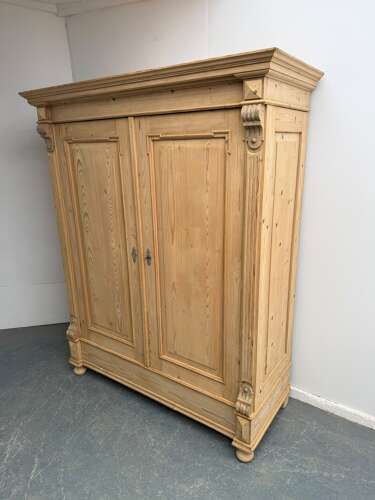
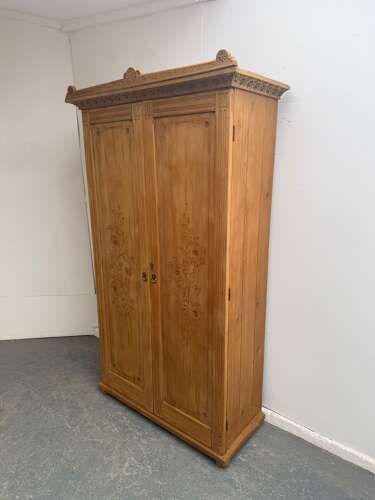
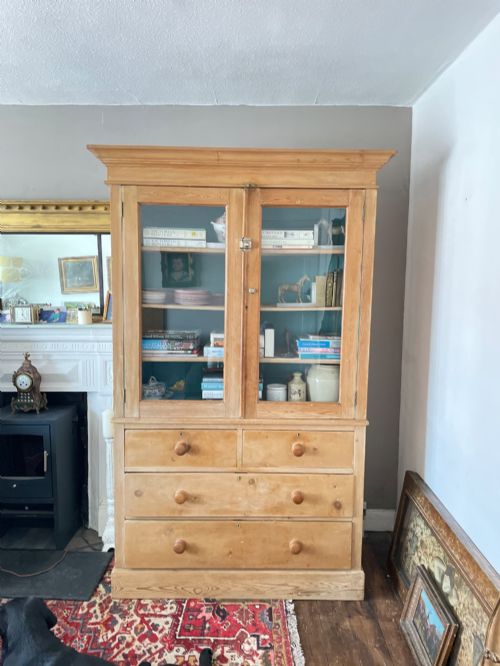
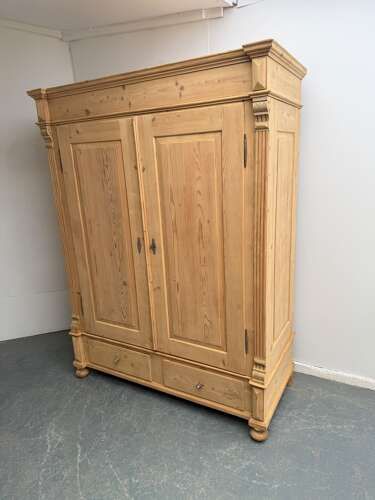
Victorian Pine Two Door Cupboard
These robust victorian pine two door cupboard examples offer enduring utility, combining solid timber construction with straightforward domestic storage.
Victorian Pine Two Door Cupboard
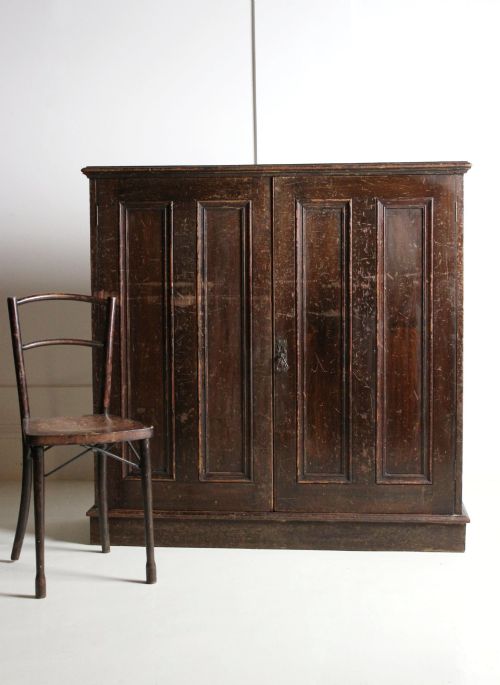
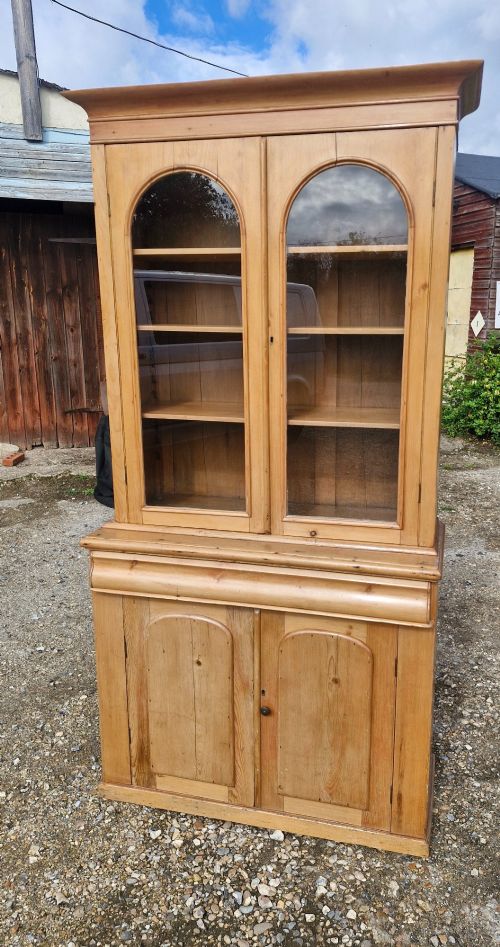
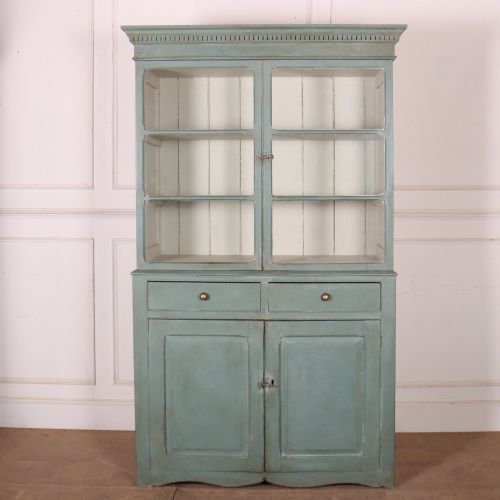
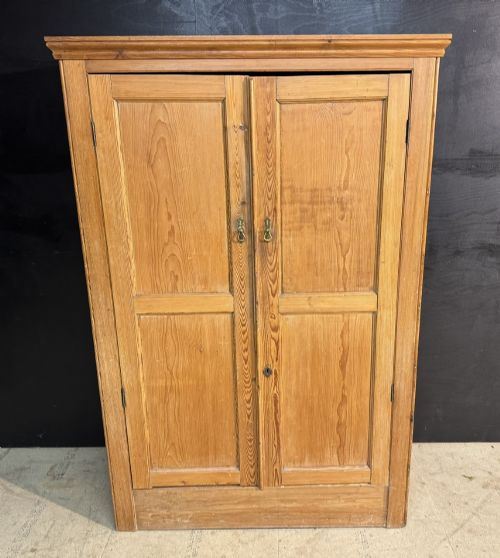
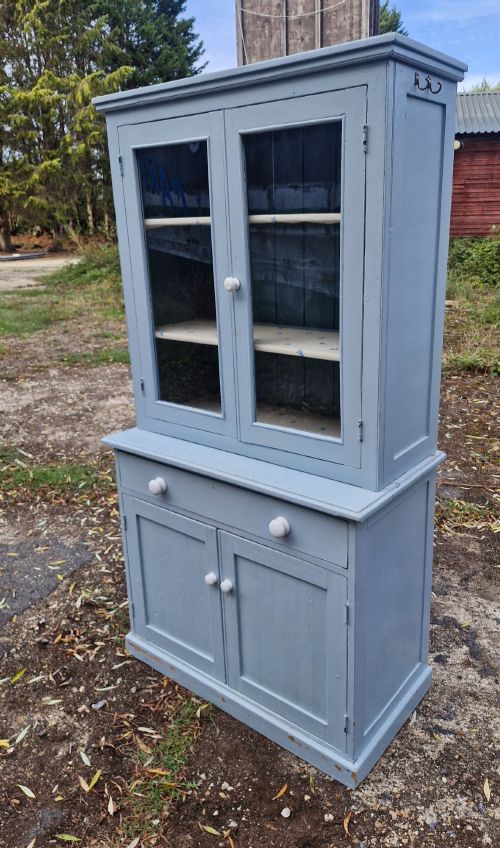
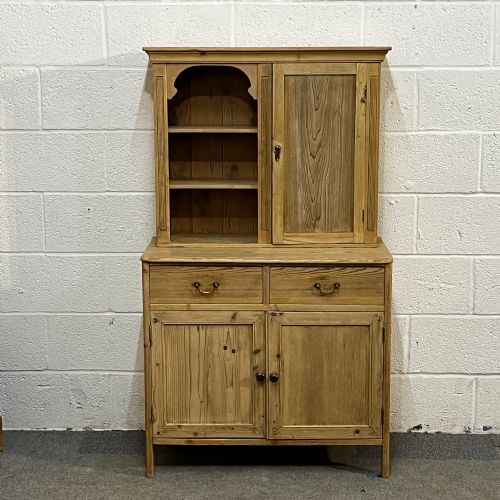
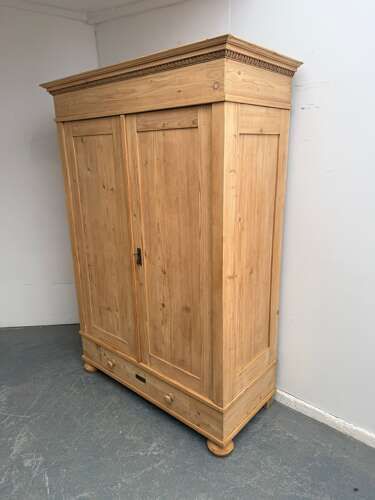
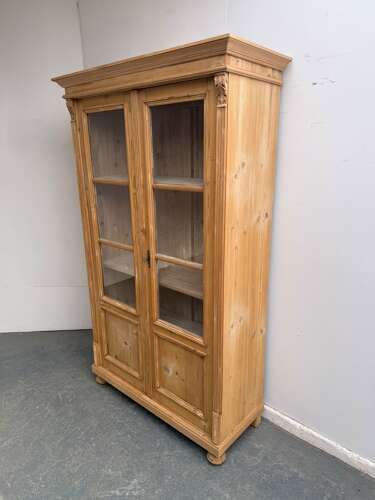
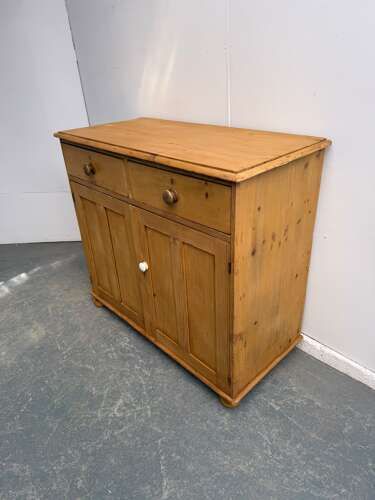
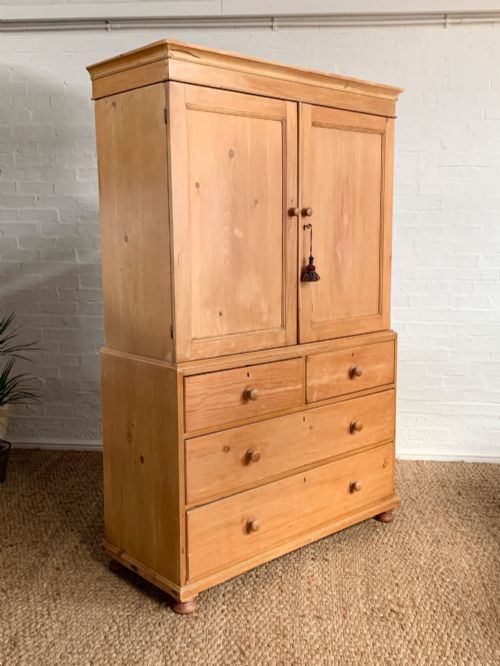
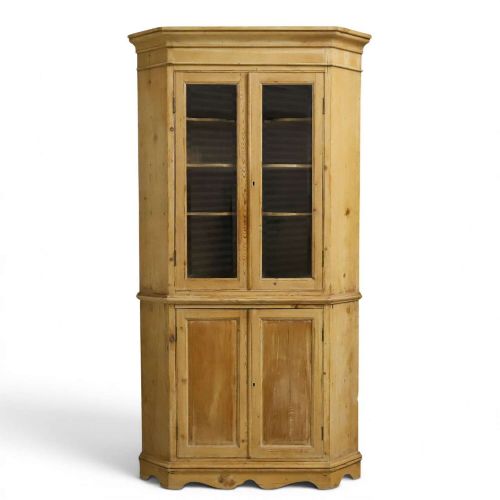
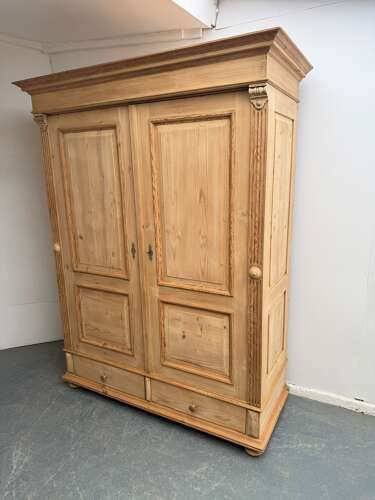
A victorian pine two door cupboard serves as a practical storage solution originating primarily from the nineteenth century. These pieces encompass various forms including wardrobes, dresser bases, glazed cabinets and housekeepers cupboards.
Buyers encounter regional interpretations spanning English, Scottish, Welsh and Hungarian traditions. Styles range from plain rustic farmhouse and country pieces to carved Arts and Crafts designs.
Most examples utilise solid pine timbers and arrive either waxed, painted or stripped back to the raw wood. Two-part forms and knockdown constructions appear frequently among the larger wardrobes and cabinets.
How they were made
Carpenters constructed these items using solid pine, occasionally incorporating iron, brass and metal hardware for hinges and handles. Glass panels feature on bookcase and display cabinet doors.
Surfaces received various treatments including traditional wax finishes, applied paint layers or ceramic details. Many pieces utilise a two-part form or knockdown construction to ease transportation.
Materials recorded across the inventory include painted pine, iron, brass, glass and ceramic elements.
What varies in quality
Construction methods determine durability, with pegged joints and solid timber backs distinguishing superior cabinets from simpler utilitarian items. The presence of original hardware, glass and painted finishes elevates an example.
Proportion and scale influence desirability, particularly in smaller low cupboards or large architectural wardrobes. The integrity of the pine timber itself, whether deeply grained or clean and uniform, dictates the overall character.
The Victorian Pine Two Door Cupboard Glossary
- Knockdown
- A piece designed to be dismantled into sections using wedges or bolts for easier movement between rooms.
- Housekeepers cupboard
- A tall storage piece traditionally used for linens and provisions in large domestic kitchens.
- Dresser base
- The lower section of a kitchen dresser, typically featuring a combination of cupboards and drawers.
- Linen press
- A tall cupboard fitted with internal sliding trays or shelves specifically for storing household textiles.
- Glazed
- Fitted with glass panels in the doors to display contents safely while protecting them from dust.
Victorian Pine Two Door Cupboard: Frequently Asked Questions
How do I clean a waxed pine cupboard?
Dust the exterior regularly with a dry cloth to prevent dirt accumulation on the timber surface. Apply a traditional beeswax sparingly with a soft cloth and buff gently to maintain the sheen.
Avoid using water or modern chemical sprays, as moisture can damage the historic wax finish and stain the pine underneath.
Can I paint a waxed pine cupboard?
Preparation requires removing surface wax completely with a suitable solvent to ensure new paint adheres correctly to the wood. Applying a primer suited for timber prevents natural pine resins from bleeding through the final colour coats.
Many antique pieces appear in both stripped wood and painted finishes depending on historical domestic preferences.
What is a knockdown wardrobe?
A knockdown wardrobe breaks down into flat components such as sides, top, base and doors without permanent gluing. This clever construction method allowed large nineteenth-century furniture pieces to move easily through narrow stairwells.
Assembly typically involves interior wooden pegs, bolts or sliding joints that lock the main sections securely together.
Where were these cupboards used?
Kitchens, hallways and bedrooms housed these versatile storage pieces for everyday domestic provisions and garments. Housekeepers cupboards stood in service wings, while glazed cabinets displayed china in main rooms.
Their practical nature made them essential fixtures across British and European homes of the period.