
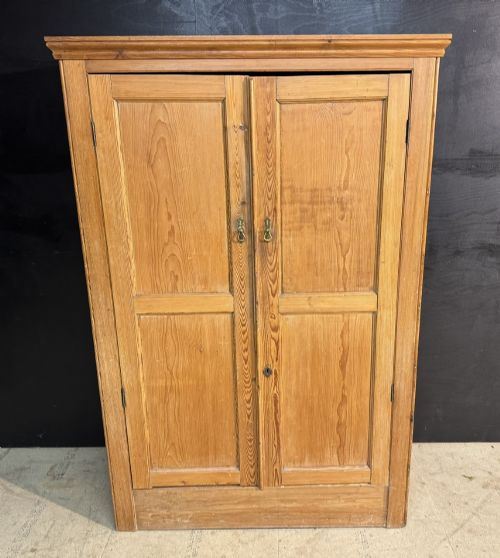
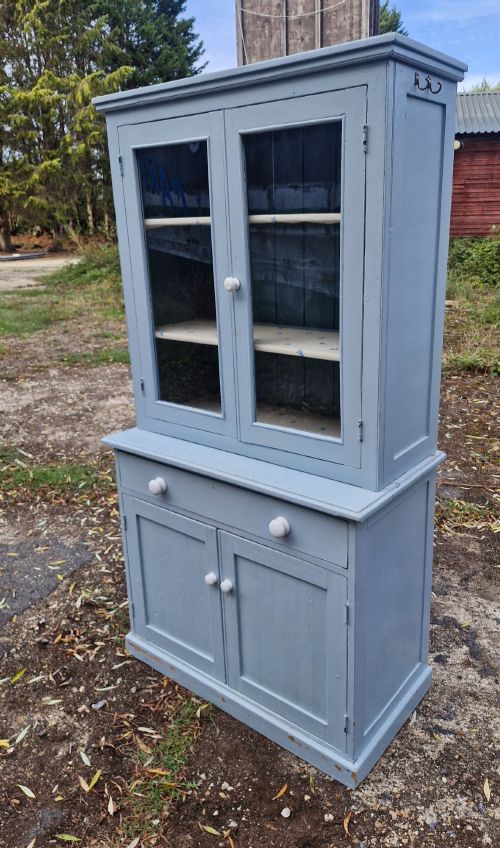

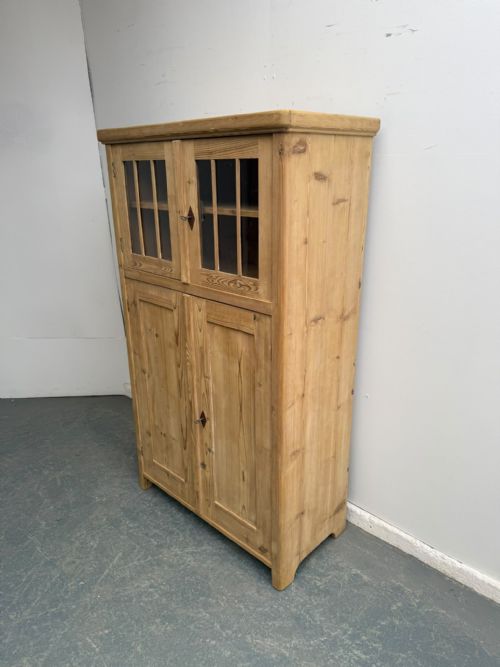
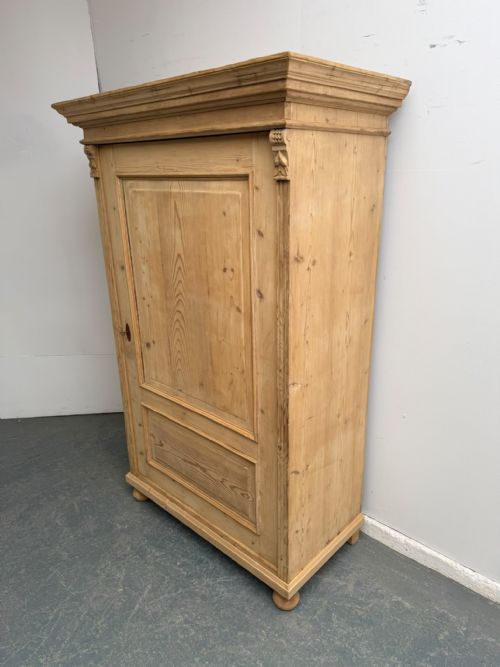
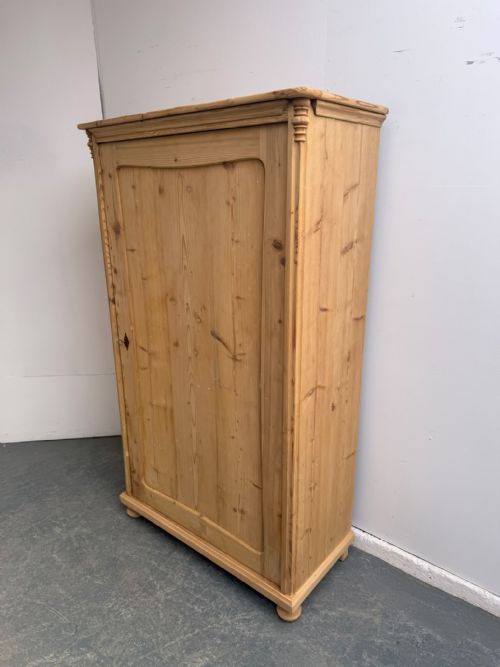


Victorian Pine Larder Unit
A victorian pine larder unit is a heavy, utilitarian domestic cupboard offering generous kitchen storage, built from sturdy timber during the nineteenth century.
Victorian Pine Larder Unit
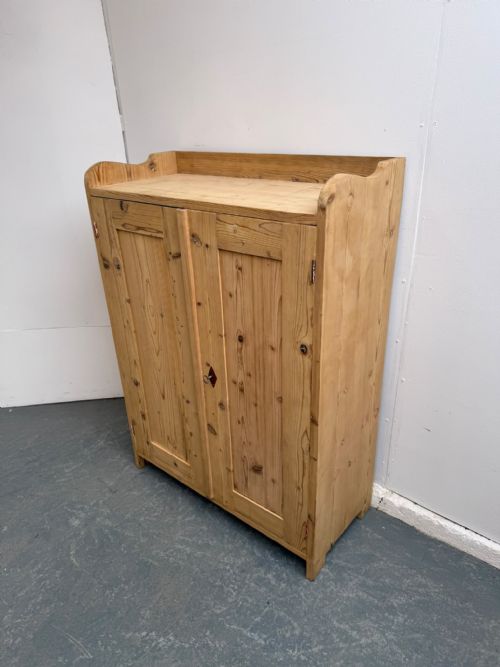
When buyers search for a victorian pine larder unit, they find robust kitchen storage pieces originating from the nineteenth century, including variants such as kitchen dressers, housekeepers cupboards, and glazed storage cabinets. These items reflect traditional domestic use, often featuring one to four doors, integrated drawers, and internal shelving designed to store provisions and household linens.
The versions most commonly met on this page span the Victorian era, dated across the nineteenth century and into the early twentieth century, such as pieces from 1850, 1880, and 1910. Stylistically, they range from plain rustic farmhouse formats to Victorian country designs, encompassing both stripped timber surfaces and painted finishes.
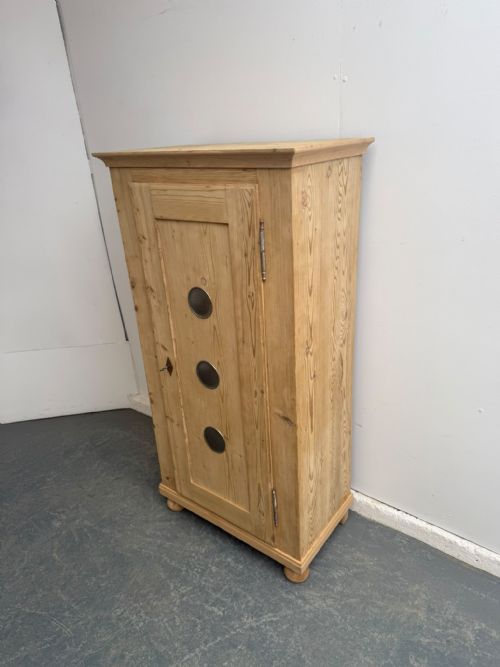
Many of these cupboards are described as suitable for waxing or painting, giving buyers flexibility in finish. Formats vary from single door vented cupboards to wide four door beaded cabinets and two part kitchen cupboards.
What varies in quality
Quality variation in a victorian pine larder unit lies in the complexity of its construction and the integrity of its timber. Pieces featuring specialised internal fittings, such as super-fitted storage arrangements, or multi-door configurations with four drawers demonstrate a higher degree of joinery skill than simple single door cupboards.
The treatment of the pine surface also distinguishes examples, ranging from original or early painted finishes to stripped timber that highlights the grain. Hardware choices, such as brass details versus standard iron fixtures, further delineate the standard of the piece.
Listings feature pine as the primary material, alongside iron, brass, and glass elements across various Victorian and early twentieth-century dates.
The Victorian Pine Larder Unit Glossary
- Pine
- A softwood commonly used for utilitarian nineteenth-century furniture due to its availability and workability. It takes paint and wax finishes readily.
- Fielded panel
- A wooden panel with bevelled or recessed edges designed to fit into a grooved frame, allowing the wood to expand and contract with humidity changes.
- Housekeepers cupboard
- A large tall storage piece historically used for storing household linens, blankets, and dry goods, often featuring multiple doors and internal shelving.
- Vented cupboard
- A storage unit incorporating pierced or mesh panels in the doors to promote air circulation, traditionally used for keeping food fresh.
- Beading
- A narrow strip of rounded or shaped moulding applied to edges or panels to add decorative relief and protect joints.
Victorian Pine Larder Unit: Frequently Asked Questions
What were these cupboards used for?
These cupboards served as primary food and provisions storage in nineteenth-century kitchens before fitted cabinetry became standard. They held perishable goods, dry stores, and household utensils.
Larger housekeepers cupboards also stored household linens, blankets, and tableware, keeping domestic items organised and protected from dust in large homes.
How do I choose between stripped and painted pine?
Stripped pine displays the natural grain and warm tone of the nineteenth-century timber, suiting rustic or traditional interiors. It requires regular waxing to maintain the surface condition.
Painted pine offers a protective colour finish that can match modern kitchen schemes. Many period pieces retain traces of historic paint or are prepared specifically for a new coat.
How do I date a nineteenth-century pine cupboard?
Dating relies on construction methods, hardware types, and stylistic indicators recorded in the period evidence. Pieces from the mid nineteenth century often feature hand-cut joints and heavier timber construction.
Later examples from the end of the century or around nineteen-ten may show machine-sawn components, simpler beading, and standardised iron or brass fittings.
Will a larder unit fit in a modern kitchen?
These units provide substantial vertical storage, making them practical freestanding alternatives to fitted pantries in contemporary spaces. Measuring ceiling height and floor clearance is essential before purchase due to their solid proportions.
Two-part cupboards are easier to maneuver through doorways during delivery and installation compared to single rigid structures.