


Warm Pine Storage Cabinet
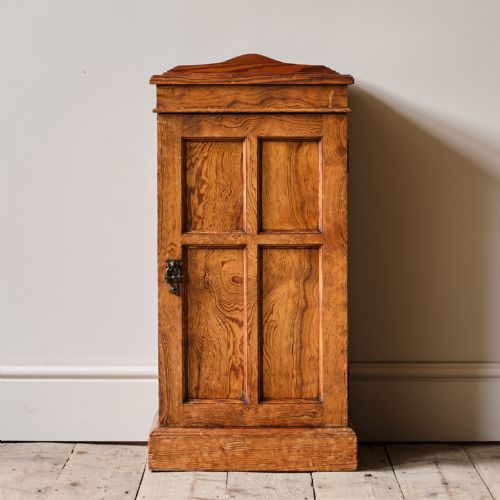
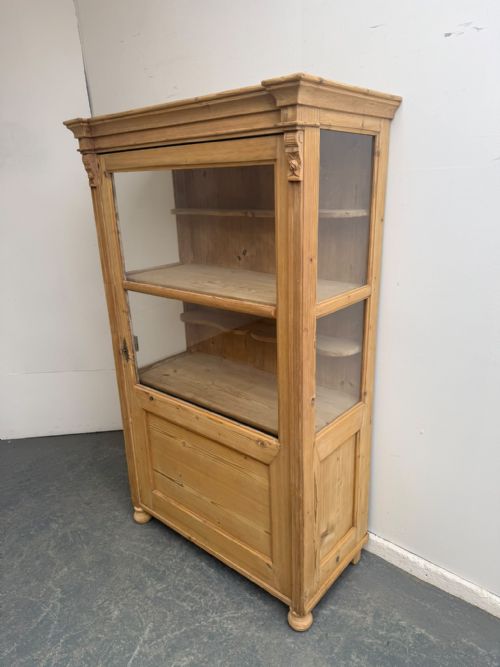
A warm pine storage cabinet brings practical utility and honest timber character into a room.
Warm Pine Storage Cabinet
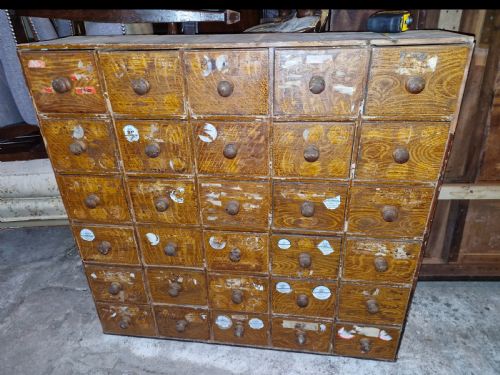
The pieces reflect diverse regional traditions, encompassing English country, Welsh vernacular, Scandinavian country, and nineteenth-century European styles. Formats range from large dresser bases and cabinet bookcases to compact bedside units and apothecary display boxes.
How they were made
Joinery methods reflect traditional workshop practices of the nineteenth century, producing sturdy carcases designed for everyday domestic or commercial utility. Surfaces often display the natural grain of the timber or retain historic painted finishes.
Listings feature items from the nineteenth century, including Victorian, Georgian, and Edwardian periods, constructed in pine, pitch pine, and painted wood.
What varies in quality
Quality depends on the selection of the timber, particularly where figured pitch pine or dense growth rings enhance the visual depth of the wood. The sophistication of regional joinery and the survival of original hardware or painted surfaces also distinguish individual examples.
Proportion and utility drive distinction among functional forms, separating standard utilitarian workshop pieces from more ambitious regional creations like Welsh vernacular dressers or specialised collectors' cabinets.
J T Crockett
The Warm Pine Storage Cabinet Glossary
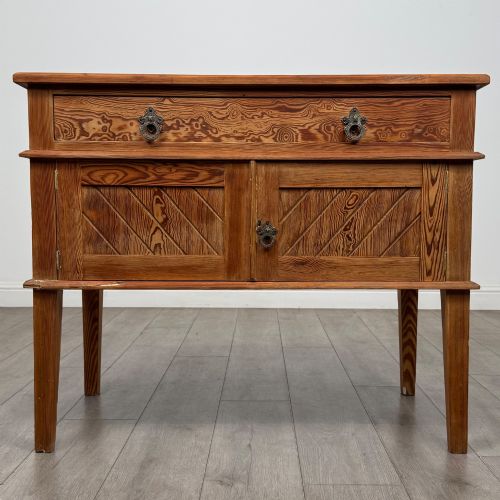
- Pitch pine
- A dense and resinous variety of pine timber often utilised for nineteenth-century cabinetry and casework. It yields a distinctive warm grain pattern when polished.
- Pot cupboard
- A small bedside cabinet originally designed to house a chamber pot. These compact units typically feature a single door enclosing a shelved interior.
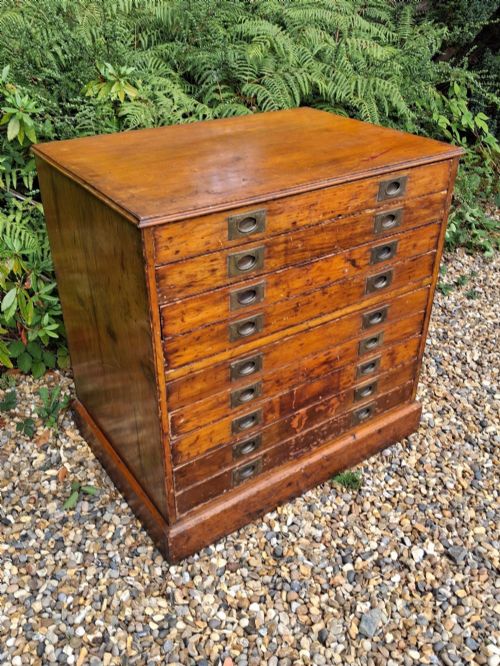
- Campaign chest
- A portable form of furniture made in sections with recessed brass handles for ease of transport. Nineteenth-century examples often utilise pine construction.
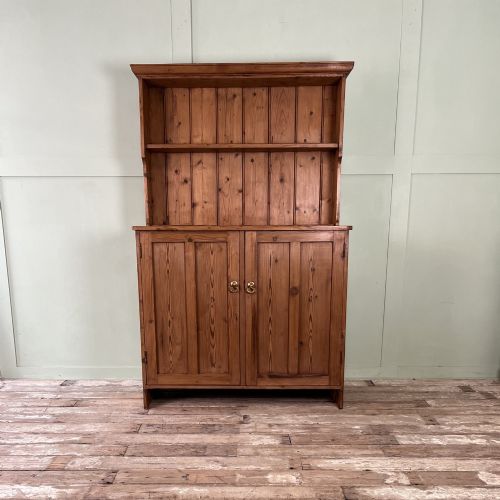
- Dresser base
- The lower portion of a traditional kitchen or dining room storage unit featuring drawers and cupboards. These pieces provide substantial surface area and enclosed storage.
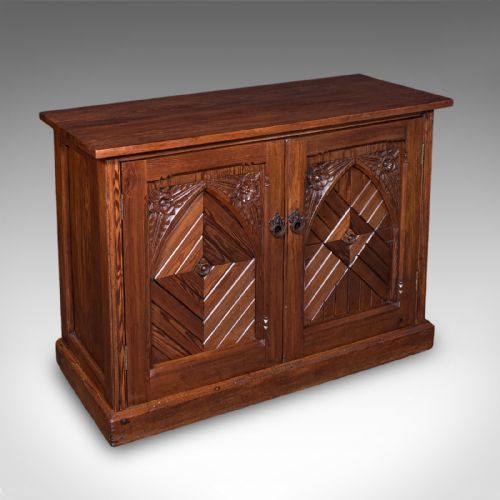
- Gothic Revival
- An architectural and decorative style popular in the nineteenth century characterised by pointed arches and medieval motifs. It influenced the design of various functional cabinets.
Warm Pine Storage Cabinet: Frequently Asked Questions
What is a warm pine storage cabinet?
A warm pine storage cabinet is a piece of nineteenth-century utilitarian furniture constructed from pine or pitch pine. These items include cupboards, chests of drawers, and cabinets designed for household organisation.
They display the natural golden tones and grain patterns characteristic of waxed or polished pine timber. Such furniture originates from various domestic and regional traditions.
How do I date a pine cabinet?
Dating a pine cabinet involves examining the construction methods, hardware, and timber types visible in the piece. Nineteenth-century examples often exhibit hand-cut joinery and period-specific brass or iron fixtures.
Stylistic indicators such as Victorian proportions or regional vernacular characteristics also help establish the era of manufacture. Secondary woods and backboards provide further clues to the age of the cabinet.
Where were these cabinets used?
These cabinets served practical storage functions across various domestic and commercial settings during the nineteenth century. Kitchens, bedrooms, and offices all utilised pine furniture for everyday organisation.
Specialised forms like apothecary boxes and collectors' cabinets were intended for specific professional or leisure pursuits. Their sturdy construction suited active daily use in period homes.
How do I care for antique pine?
Antique pine benefits from regular dusting with a dry cloth and occasional application of traditional wax polish to nourish the timber. Maintaining a stable indoor environment protects the wood from extreme humidity fluctuations.
Avoiding direct sunlight preserves the warm colour and finish of the pine surfaces over time. Gentle maintenance ensures the historic character of the cabinet remains intact.