




Antique Wooden Larder
These antique wooden larder cupboards offer generous vernacular storage, bringing honest utility and weathered painted character straight into a modern kitchen.
Antique Wooden Larder
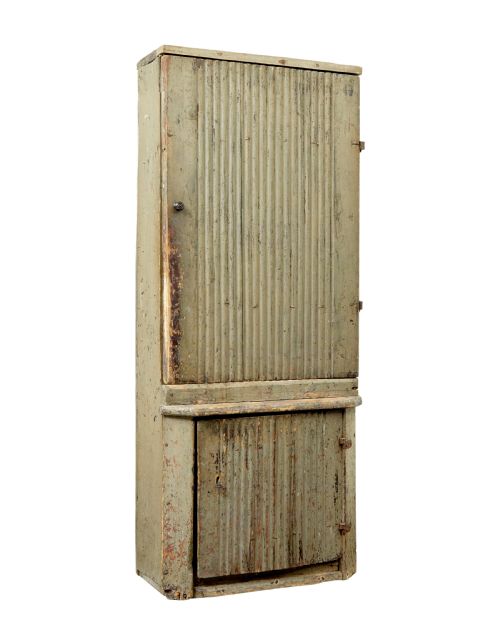
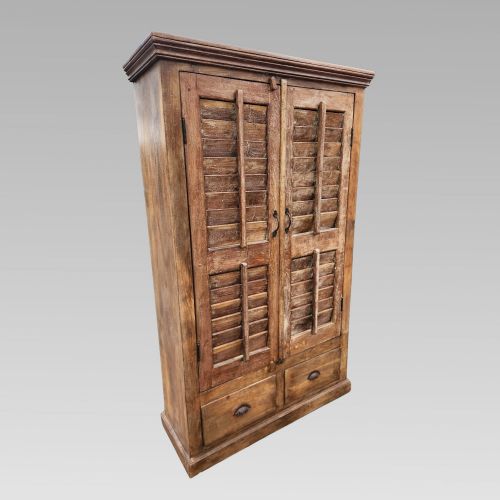
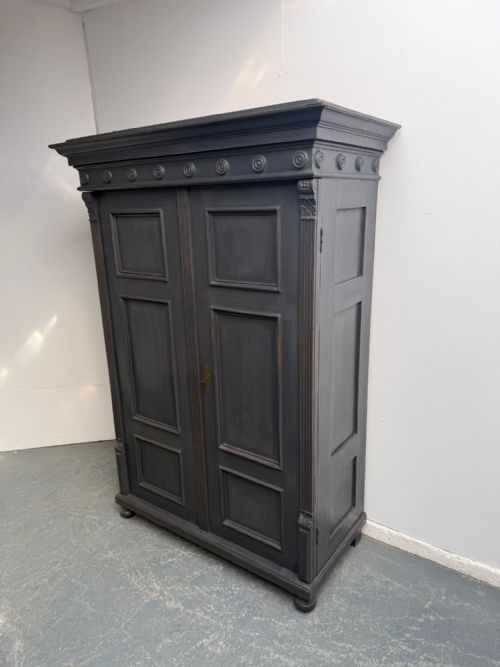
When searching for an antique wooden larder, you encounter utilitarian storage pieces designed for domestic provisions across multiple regional traditions. These items encompass housekeeper's cupboards, food cupboards, and kitchen dressers originating from British, French, Scandinavian, and Japanese workshops.
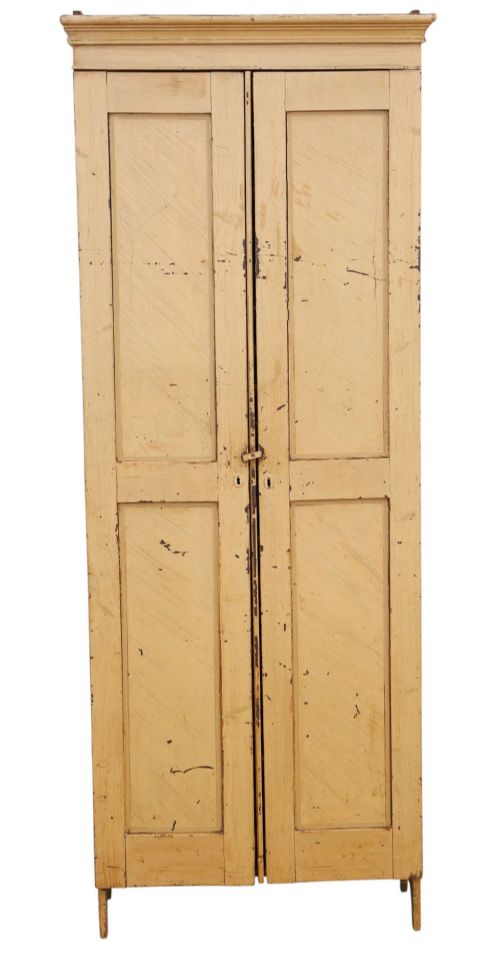
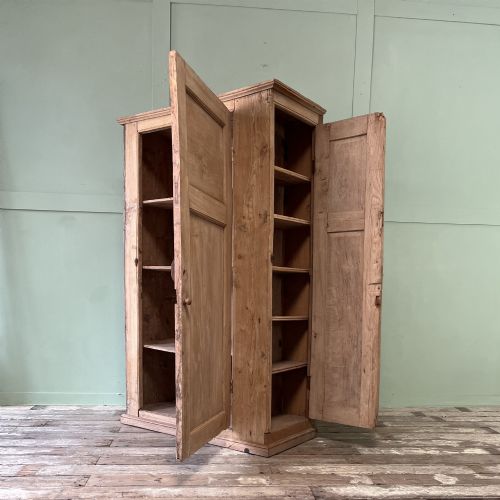
The version you meet most frequently on this page is the 19th-century pine cupboard, often featuring original or later painted surfaces. These taller formats provide deep shelving designed originally for storing provisions, dry goods, and household linens.
Regional variations span from English country and Welsh vernacular pieces to Hungarian and French mountain designs. Each piece reflects the domestic storage needs and local timber availability of its specific period, ranging from the Georgian era through to the 1930s.
Materials and construction
Makers constructed these larders primarily from solid pine, elm, chestnut, and regional softwoods suited to domestic utility. Construction relied on traditional joinery methods that prioritized durability and function over ornate decorative flourish.
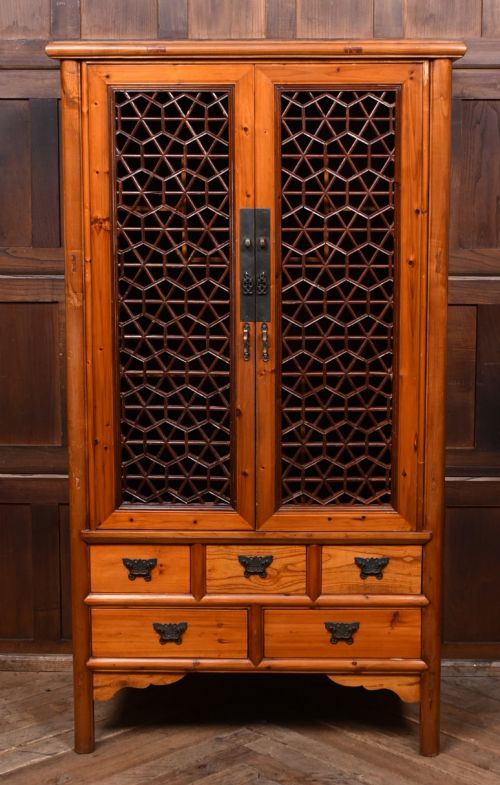
Iron and brass hardware, including hinges, latches, and handles, secured the heavy doors typical of these storage pieces. Surfaces frequently received protective coats of paint, which aged over decades of kitchen use to create distinctive patinated finishes.
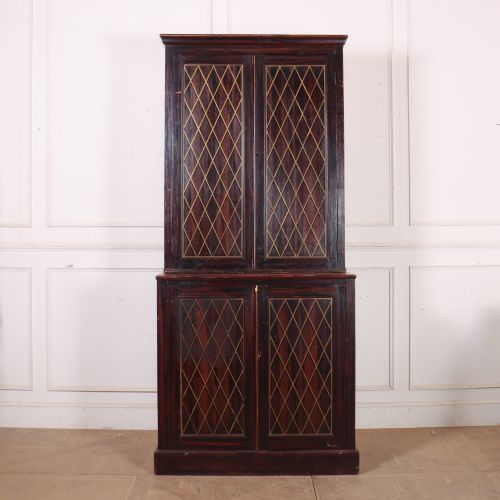
Carved detailing appears selectively on regional examples, such as Scandinavian carved pine or French mountain cupboards, adding local stylistic identity to otherwise strictly utilitarian forms.
Listings span from the 18th century through the 1930s, featuring pine, elm, chestnut, iron, brass, and painted wood.
Assessing quality and character
Quality in these vernacular storage pieces rests upon the integrity of the original timber and the survival of an honest surface finish. Pieces retaining their original paint layers or deep wax patination carry greater depth of character than stripped or heavily altered examples.
Proportion and scale distinguish superior items, particularly where tall narrow formats or multi-door configurations maintain balanced architectural lines. Structural soundness in the internal shelving and heavy doors dictates how successfully the piece transitions into contemporary daily use.
The Antique Wooden Larder Glossary
- Housekeeper's cupboard
- A large storage piece traditionally used in substantial homes for storing linens, dry goods, and provisions under the care of the housekeeper.
- Vernacular
- Objects designed and built by local craftsmen to satisfy practical domestic needs rather than following formal academic architectural styles.
- Patination
- The surface sheen and colour acquired by wood and paint over decades of handling, exposure to light, and use.
- Pine
- A softwood widely utilised in British and European country furniture for its accessibility and workability in large utility pieces.
Antique Wooden Larder: Frequently Asked Questions
What is an antique wooden larder used for today?
These cupboards serve as substantial freestanding kitchen pantries, linen stores, or general living space storage units. Their deep shelves accommodate modern kitchen provisions, crockery, and household items with ease.
Their generous internal capacity brings both practical organisation and strong visual character to contemporary dining rooms and kitchens.
How do I care for painted pine furniture?
Maintain painted surfaces by dusting regularly with a soft, dry cloth and avoiding harsh chemical cleaning agents. Protect the old paint and wax finishes from direct heat sources and excessive moisture.
Applying a traditional beeswax periodically helps nourish exposed timber elements without disturbing historical paint layers.
How can I tell the period of a larder?
Dating relies upon examining construction methods, timber selection, hardware types, and nail technology used in the assembly. Georgian and 18th-century pieces often display hand-planed internal boards and forged iron hinges.
Later Victorian and Edwardian examples generally incorporate machine-sawn timber and standardised brass or iron fittings.
Are these cupboards suitable for small kitchens?
Many examples on this page are built to tall, narrow proportions specifically to maximise vertical storage while minimising floor space consumption. Housekeeper's cupboards and single-piece corner cabinets offer clever ways to fit traditional storage into compact rooms.
Checking the exact dimensions ensures the piece fits comfortably without overwhelming your spatial layout.