




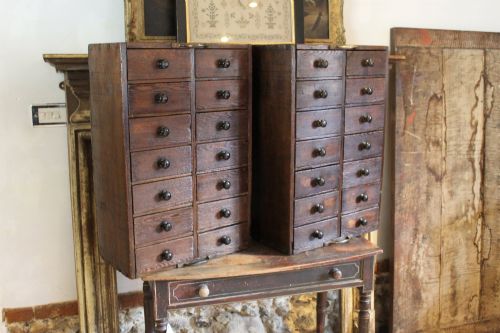


Victorian Pine Collectors Drawers
These Victorian pine collectors drawers offer multiple small compartments designed for orderly storage, bringing practical utility and period character to any interior.
Victorian Pine Collectors Drawers
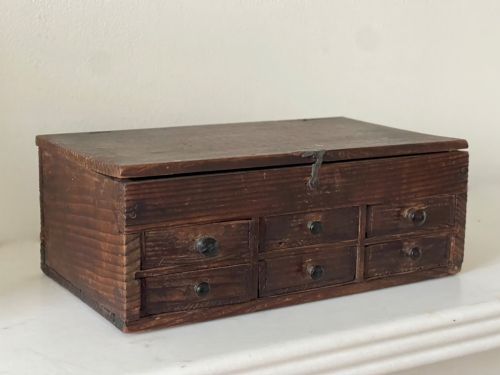
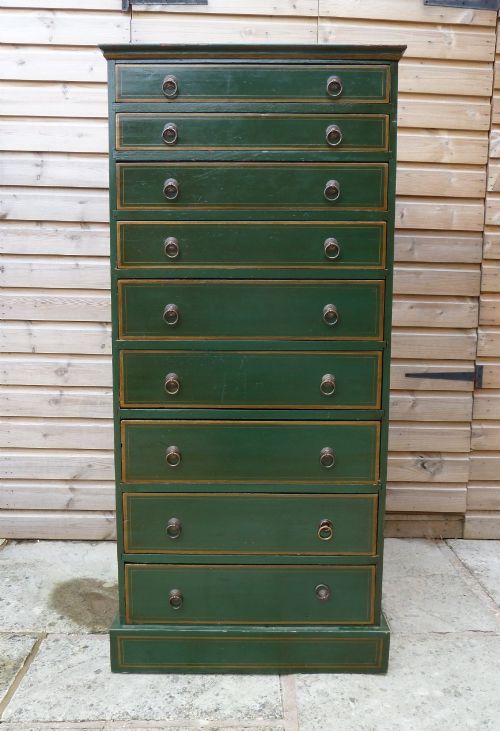
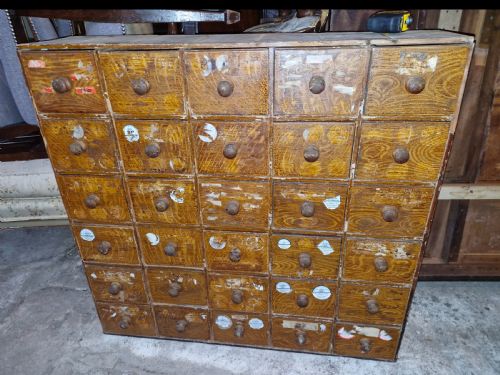
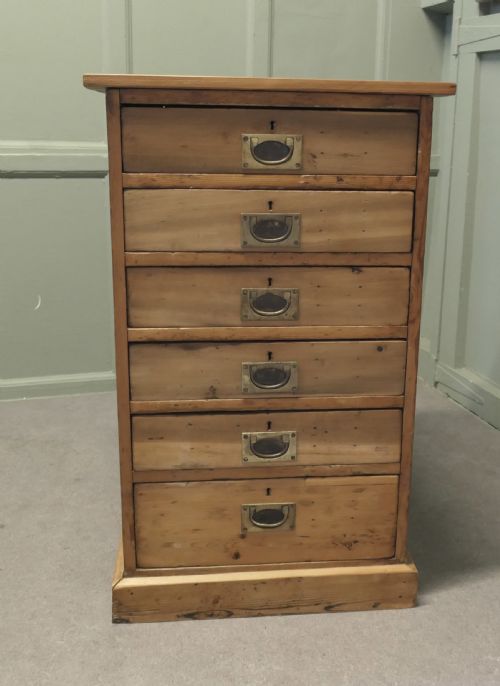
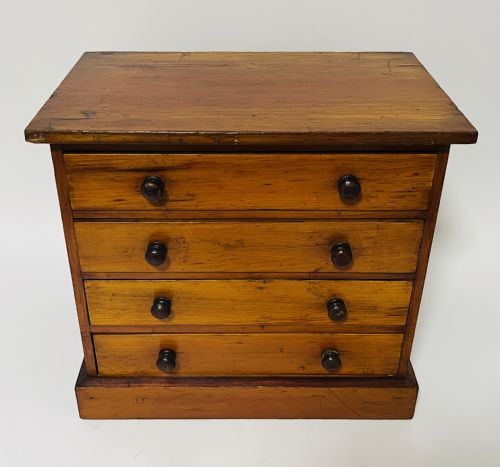
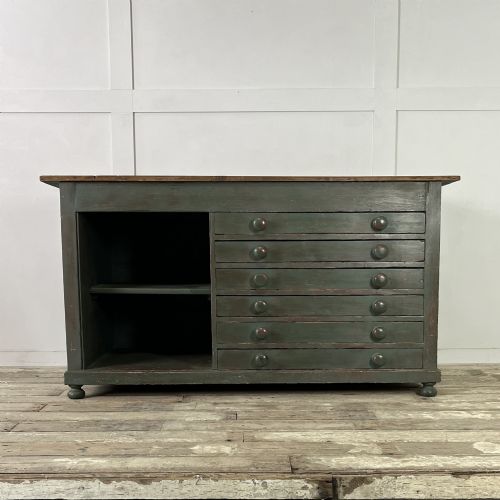
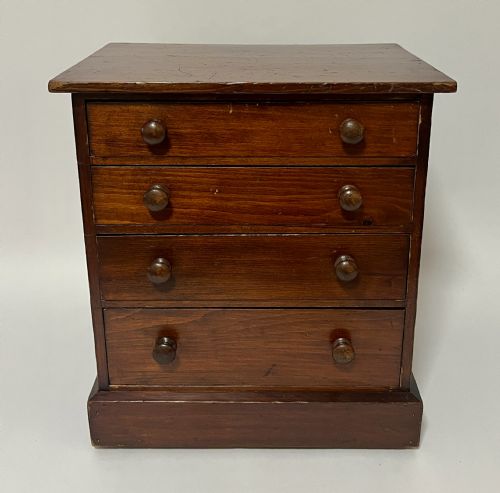
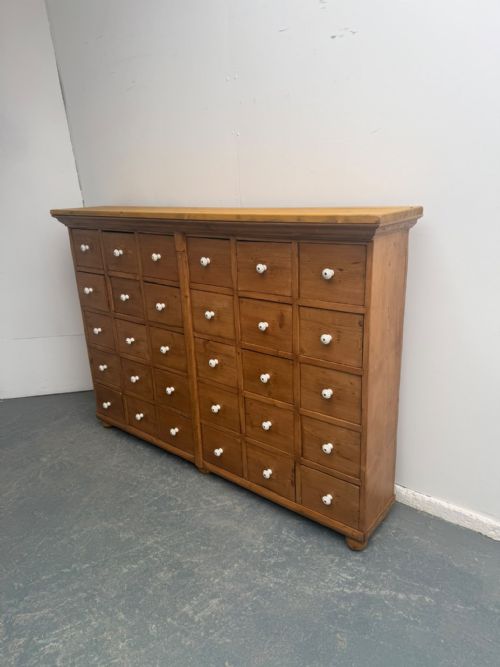
When you examine Victorian pine collectors drawers, you encounter multi-drawer banks and cabinets created for sorting small items. The examples appearing on this page span the nineteenth century and the early twentieth century, taking forms such as apothecary chests, florist seed chests, watchmaker banks, and filing drawers.
You meet both plain softwood versions and pieces in stained or polished deal and pitch pine. Certain items arrive with painted finishes or ebonised mouldings, reflecting utilitarian, industrial, and Arts and Crafts influences alongside standard Victorian workshop production.
Materials and construction
Makers utilised pine, deal, and pitch pine for carcases and drawer boxes, combining these softwoods with brass handles, iron fittings, and occasionally glass elements. Timber selection depended on the intended workshop or office application, requiring sturdy joints to withstand frequent opening and closing of numerous small drawers.
Surfaces received wax, paint, or dark polish depending on whether the cabinet served a commercial shop, a pharmacist, or an artist's studio. Simple dovetail joints and applied mouldings defined the construction methods used by regional joiners and larger cabinet makers.
Victorian Pine Collectors Drawers Retail Price Guide 2026
Typical asking prices for victorian pine collectors drawers among the pieces listed under this phrase on Sellingantiques today, from the lower quarter to the upper quarter. They describe what is for sale here now, not the wider market.
Listings feature pine, pitch pine, deal, brass, and iron across Victorian, Edwardian, and Arts and Crafts styles.
Quality and proportion
The distinction between standard utility items and finer pieces rests upon timber selection and drawer construction. Cabinets built from figured pitch pine with tight dovetailing and original brass pulls occupy the upper tier, whereas utilitarian office chests often display simpler softwood joints and later replacements.
Proportion and scale also dictate worth, as tall banks of twenty or thirty drawers demand precise carpentry to ensure every drawer runs smoothly within its frame. The presence of makers' stamps, original paint schemes, or specialised internal fittings further separates standard workshop output from exceptional examples.
Luxmore's of Ilfracombe·D Napier & Sons·J.T.Crockett
The Victorian Pine Collectors Drawers Glossary
- Deal
- A softwood timber, typically pine or fir, commonly employed in nineteenth-century carcase construction and interior drawer framing. It provided an accessible material for utilitarian furniture.
- Pitch pine
- A resinous pine variety possessing a prominent grain pattern, frequently selected for nineteenth-century collectors cabinets and filing units requiring durability.
- Specimen cabinet
- A piece of furniture containing numerous shallow drawers designed for storing natural history samples, coins, or small botanical items.
- Wellington chest
- A tall vertical chest featuring a locking stile hinged on one side to secure all drawers simultaneously.
- Apprentice piece
- A small-scale cabinet or chest created by a joiner to demonstrate proficiency in advanced woodworking techniques.
Victorian Pine Collectors Drawers: Frequently Asked Questions
What were these drawers originally used for?
These multi-drawer units served varied commercial and scientific purposes, holding seeds, apothecary items, watch parts, or natural history specimens. Tradespeople and collectors relied on the numerous small compartments to keep delicate items organised and accessible.
Over time, many of these cabinets transitioned from commercial workspaces into domestic settings where their compartmentalised storage remains equally practical for modern collecting hobbies.
How do I distinguish pitch pine from deal?
Pitch pine displays a heavy, resinous grain pattern with strong colour contrast between the growth rings. Deal generally presents a more uniform, paler softwood appearance without the same oily lustre.
Cabinets constructed from pitch pine often date to the latter half of the nineteenth century when the timber became favoured for robust commercial and filing furniture.
Can I paint or wax these drawers?
Many surviving pieces retain their original painted surfaces, wax finishes, or dark polishes applied during the nineteenth or early twentieth centuries. Preserving these historic finishes maintains the character developed through decades of handling.
If a piece has undergone previous modern alterations, applying a traditional beeswax polish helps nourish the dry pine without harming the underlying timber.
How are these cabinets dated?
Dating relies upon construction methods, timber choice, handle design, and overall style characteristics recorded across the nineteenth and early twentieth centuries. Dovetail joints, backboard thickness, and lock types provide reliable indicators of age.
Items associated with specific trades or bearing maker inscriptions offer clearer chronological markers within the broader Victorian and Edwardian periods.