




Brown Pine Specimen Chest
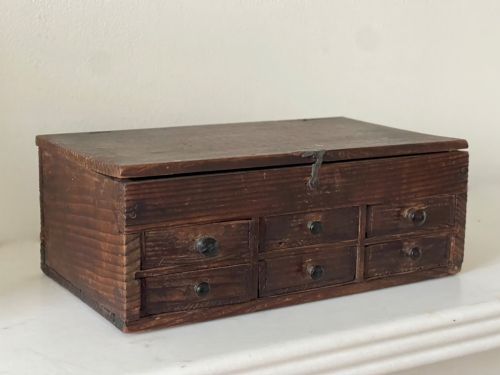
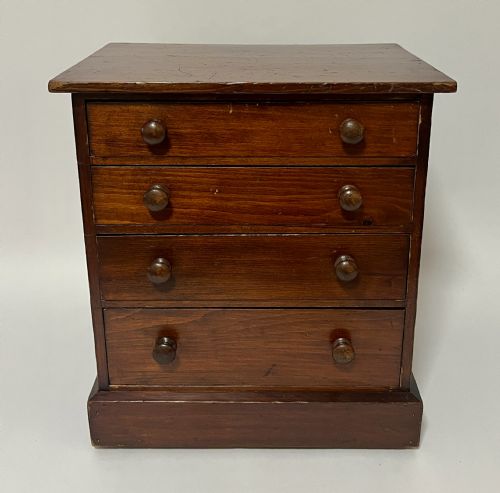
A brown pine specimen chest is a utilitarian small-drawer storage piece that collectors use to organise natural history collections and small items.
Brown Pine Specimen Chest
A brown pine specimen chest takes the form of a small multi-drawer cabinet designed for orderly storage. When searching for a brown pine specimen chest, buyers encounter utilitarian forms including banks of drawers, watchmakers cabinets, and apothecary chests.
The pieces on this page span the nineteenth century, the Victorian era, and the Edwardian and Arts and Crafts periods. Originating from workshops and makers such as J.T. Crockett and D Napier and Sons, these cabinets serve collectors of natural history and small artefacts.
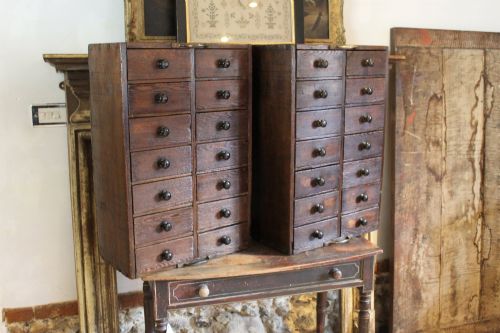
Forms vary from small stained deal cabinets to tall banks of twenty-five drawers in figured pitch pine. These items bridge practical workshop storage and refined nineteenth-century collecting habits.
Materials and construction
Makers utilised softwoods and secondary timbers such as deal, pine, and pitch pine, often applying a stained and polished finish. Metal fittings, brass handles, and iron elements provide structural reinforcement and drawer pulls.
Interiors sometimes incorporate specialised linings including velvet to protect delicate contents. Construction relies on straightforward multi-drawer banks built to withstand frequent access in working and collecting environments.
Brown Pine Specimen Chest Retail Price Guide 2026
Typical asking prices for brown pine specimen chest among the pieces listed under this phrase on Sellingantiques today, from the lower quarter to the upper quarter. They describe what is for sale here now, not the wider market.
One twenty-five drawer bank originated from Luxmore's of Ilfracombe.
Judging quality
Quality rests upon the choice of timber, distinguishing simple stained deal from finely figured pitch pine. The scale of the bank and the density of the drawer arrangement dictate the ambition of the piece.
Attribution to known makers or firms adds distinct interest to a cabinet. The integrity of the original stained and polished surfaces and the retention of period brass or iron hardware define the surviving character of each chest.
J.T. Crockett·D Napier and Sons
The Brown Pine Specimen Chest Glossary
- Deal
- A softwood timber, specifically pine or fir, commonly utilised for nineteenth-century cabinet carcases and drawer construction. It provides a pale base that readily accepts staining and polishing.
- Pitch pine
- A resinous pine variety noted for its pronounced grain pattern and durability. Cabinetmakers selected figured pitch pine for pieces requiring a more decorative presence.
- Specimen cabinet
- A multi-drawer piece built to house natural history objects, fossils, or small artefacts. The shallow drawers protect delicate contents while allowing systematic classification.
- Apothecary chest
- A set of small drawers historically used for storing medicines and botanical samples. These pieces share the compartmentalised format valued by collectors.
- Bank of drawers
- A vertical assemblage of numerous small drawers sharing a single housing. Watchmakers and trade workshops utilised these tall formats for component storage.
Brown Pine Specimen Chest: Frequently Asked Questions
What were brown pine specimen chests used for?
These multi-drawer chests served tradesmen, apothecaries, and natural history collectors who needed to organise extensive series of small objects or samples.
The numerous shallow drawers kept delicate items separated, clean, and systematically arranged for study or commercial work.
How do I date a pine specimen chest?
Dating relies on construction methods, timber selection, and hardware styles across the nineteenth and early twentieth centuries. Victorian and Arts and Crafts examples often display specific regional joinery and surface treatments.
Maker signatures or stamp marks on the drawers can also narrow down the manufacturing period.
Are these chests suitable for modern homes?
Their compact footprints and numerous drawers make these cabinets practical for organising modern collections, jewellery, or stationery. They fit easily onto tabletops, sideboards, or desks.
The warm tones of stained pine and deal integrate readily into traditional and contemporary interiors alike.
What is the difference between deal and pine?
Deal is a historical trade term for softwood timber cut from pine or fir trees. In nineteenth-century cabinetmaking, deal typically refers to the utilitarian pine used for carcases and internal framing.
Selected pieces might feature figured pitch pine, which displays a more decorative grain than standard structural deal.