

Victorian Pine Benches
Victorian pine benches bring sturdy nineteenth-century utility and honest timber grain into modern hallways and kitchens.
Victorian Pine Benches
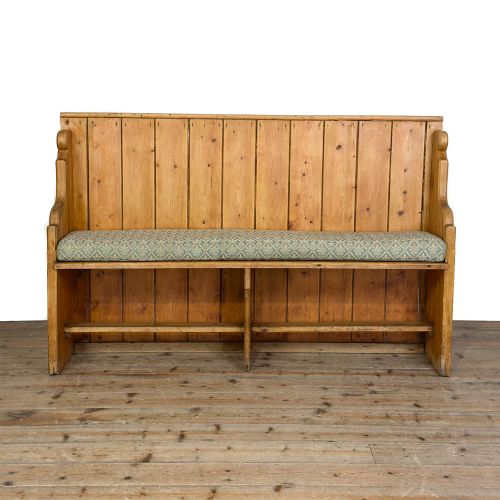
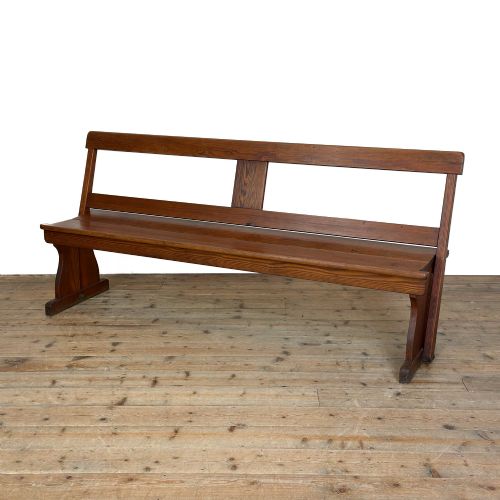
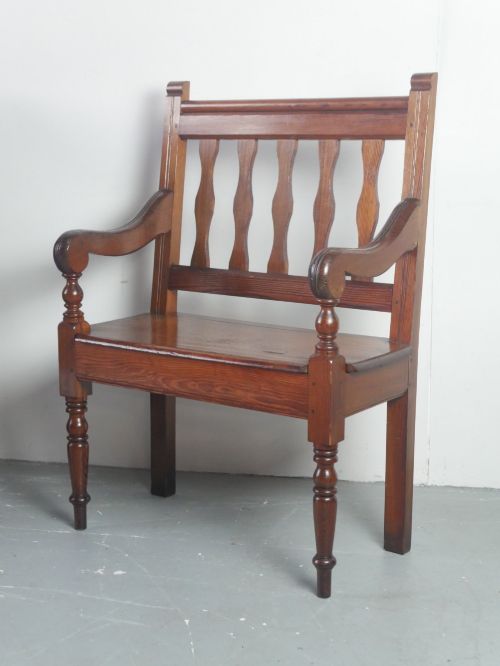
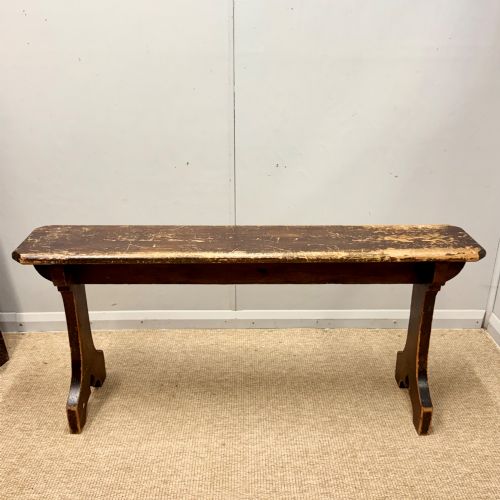
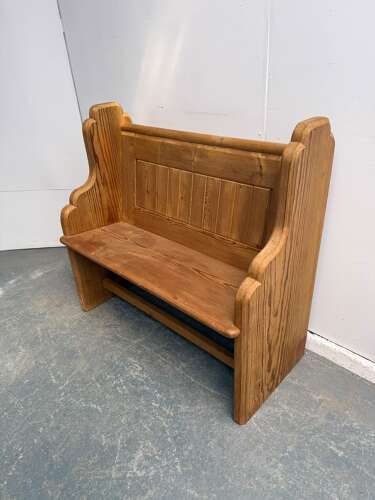
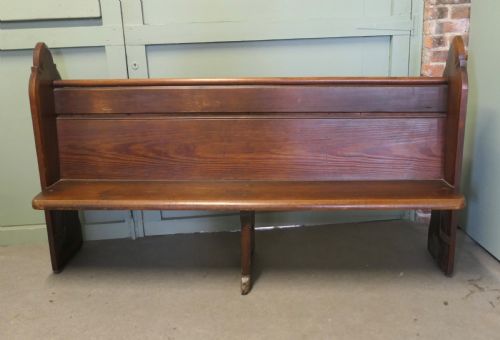
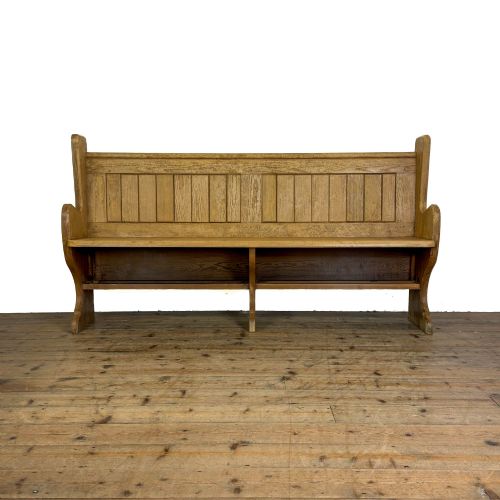
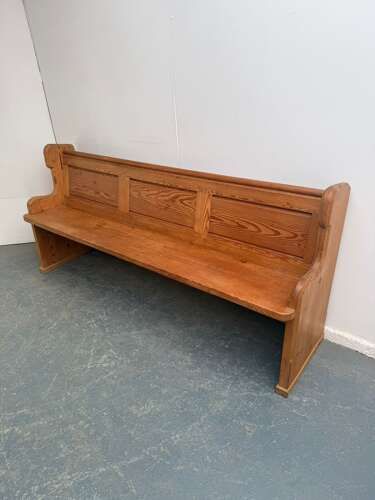
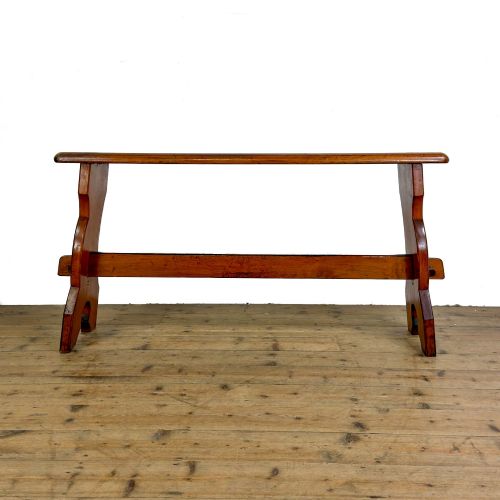
Victorian pine benches encompass a varied selection of utilitarian seating produced across the nineteenth century, including church pews, chapel benches, and farmhouse settles. Buyers seeking victorian pine benches encounter both long ecclesiastical seating and domestic hall furniture designed for everyday household use.
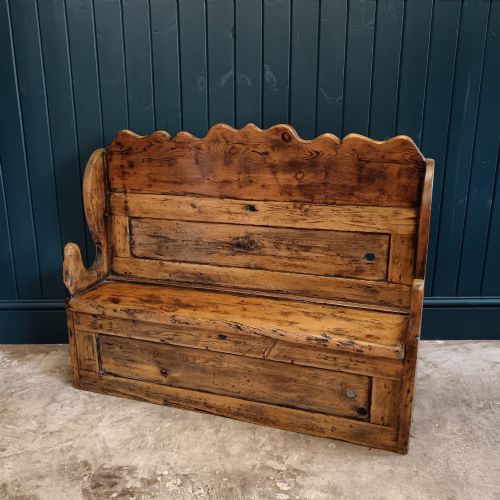
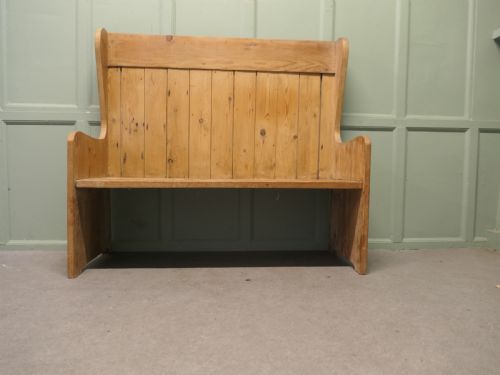
The material mix spans standard softwood alongside tougher pitch pine and elm, often found in waxed finishes or original painted surfaces such as blue, green, and cream. Forms range from simple open benches and slim hallway seats to box settles with enclosed storage beneath the seat.
Regional variations appear frequently, including Hungarian folk art pieces alongside English country examples and industrial tram or railway seating. These items served functional roles in churches, pubs, and domestic hallways before finding a place in contemporary interiors.
How They Were Made
Carpenters utilised softwoods like standard pine and dense pitch pine, frequently combining elm for seats and incorporating cast iron elements for industrial or transport seating. Construction methods relied on traditional joinery suitable for heavy public or domestic use.
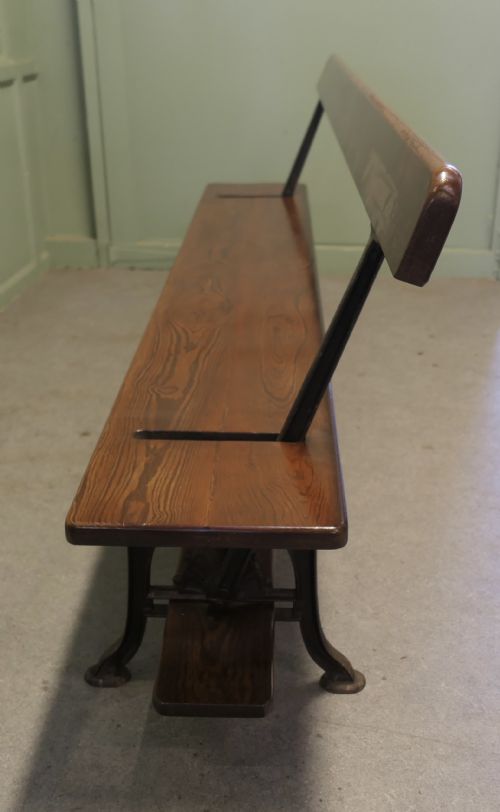
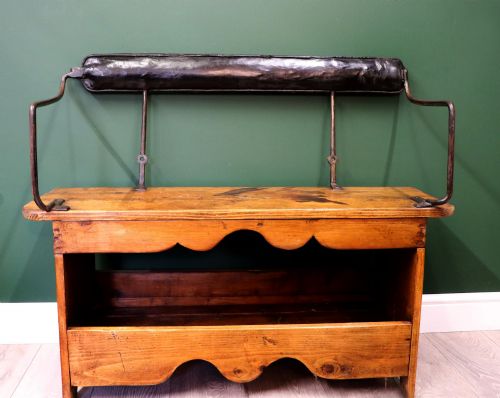
Surfaces were either left bare, finished with traditional wax to nourish the timber grain, or coated in layers of paint that now show age and wear. Iron brackets, hinges, and supports were added to flip-over mechanisms and folding chapel pews.
Listings feature nineteenth-century pine, pitch pine, and elm, spanning domestic settles, church pews, and industrial transport seating.
What Varies in Quality
The distinction between ordinary utility seating and finer examples rests upon originality of surface finish and structural integrity. Pieces retaining untouched original paintwork or deep historic wax patination stand apart from stripped or heavily restored boards.
Proportion and scale heavily influence desirability, with slim hallway benches and longer church pews demanding different placement considerations. Original mechanisms on flip-over chapel pews or integrated box settle storage compartments demonstrate superior nineteenth-century craftsmanship.
The Victorian Pine Benches Glossary
- Pitch pine
- A dense, resinous variety of pine timber prized for its prominent grain pattern and durability during the nineteenth century.
- Settle
- A wooden bench featuring a high back to block draughts and often incorporating a box compartment beneath the seat for storage.
- Pew
- Long wooden bench seating traditionally found in churches and chapels, constructed from pine or pitch pine for communal use.
- Box settle
- A form of seating with a hinged lid on the box base, allowing household goods or boots to be stored out of sight.
- Flip-over bench
- A dual-purpose seat with a reversible backrest that allowed sitters to change direction, commonly found in railway or tram carriages.
Victorian Pine Benches: Frequently Asked Questions
Where do these benches fit best?
Long pews suit large dining tables or expansive hallways, while slim variants fit narrow corridors and boot rooms.
Shorter single-seater versions and organ benches work well as standalone accent seats in living spaces.
Are painted finishes original?
Many Hungarian and English examples retain old painted surfaces in blue, green, or cream applied decades ago.
Examining the underlying timber and wear patterns helps distinguish historic paint layers from modern decorative additions.
How do I care for waxed pine?
Apply traditional beeswax periodically to nourish the dry nineteenth-century timber and maintain a soft sheen.
Avoid placing pine furniture near direct heat sources to prevent the old boards from splitting.
What is the difference between a pew and a settle?
Pews are open church or chapel benches with simple backs designed for rows of congregants.
Settles feature solid high backs and enclosed box bases intended to keep out cold draughts in domestic homes and inns.