
Traditional Pine Seating
Traditional pine seating brings the honest weight of centuries into a room, offering benches, settles and chairs built for daily use.
Traditional Pine Seating
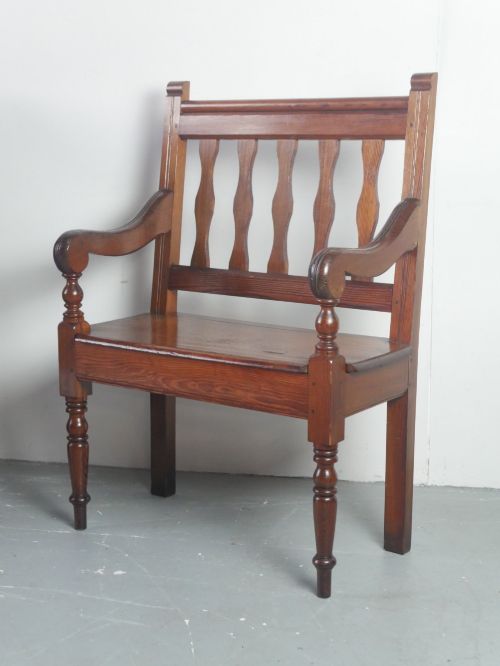
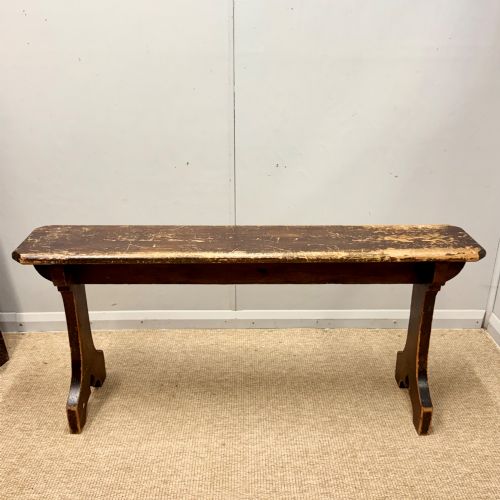
Traditional pine seating encompasses benches, settles, stools and chairs originating largely from the nineteenth and eighteenth centuries. These utilitarian pieces span domestic, ecclesiastical and rural European workshops, reflecting straightforward provincial craftsmanship.
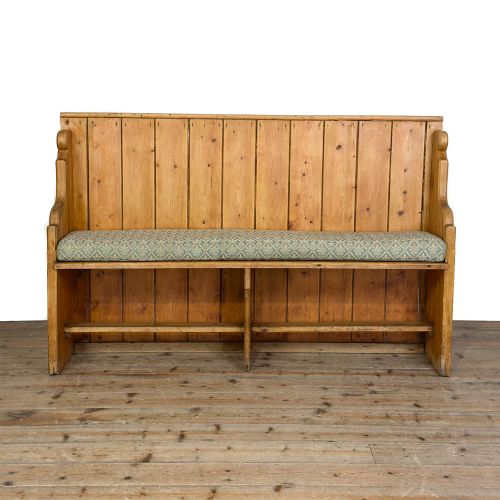
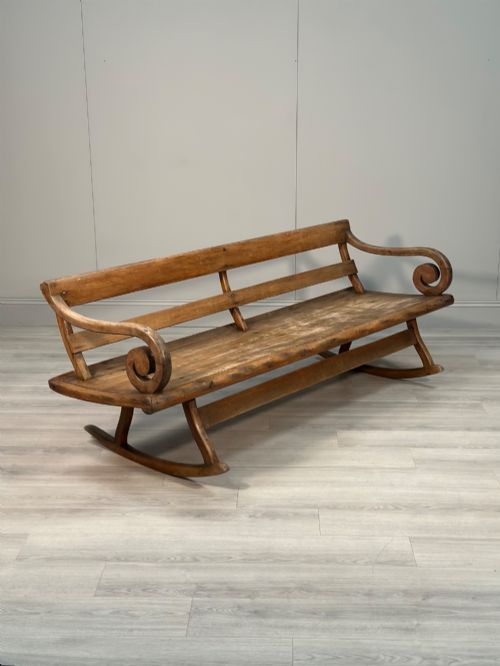
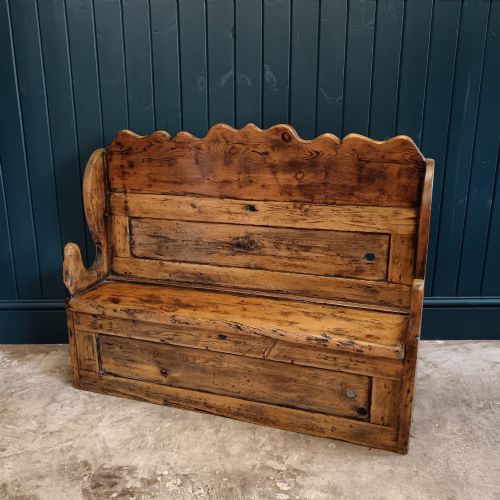
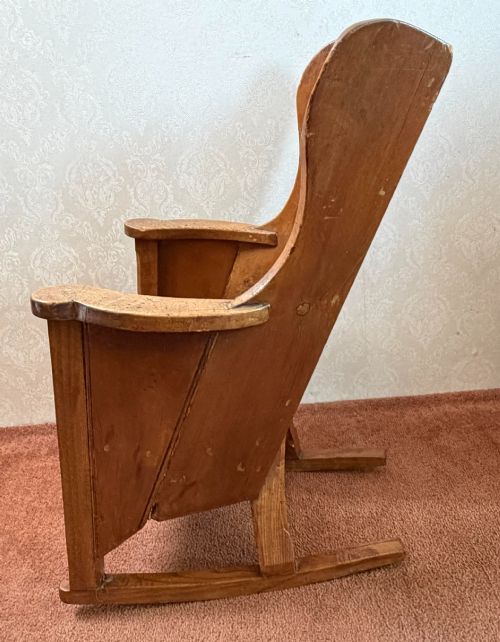
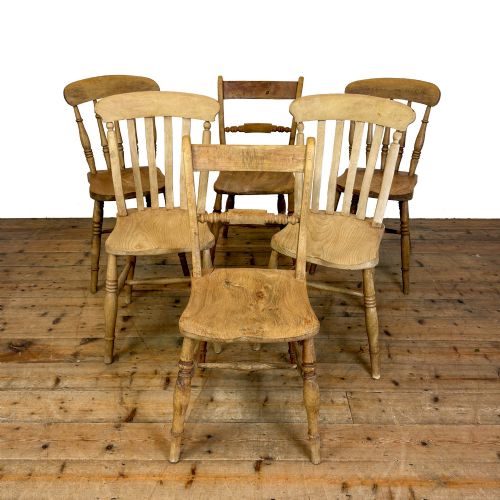
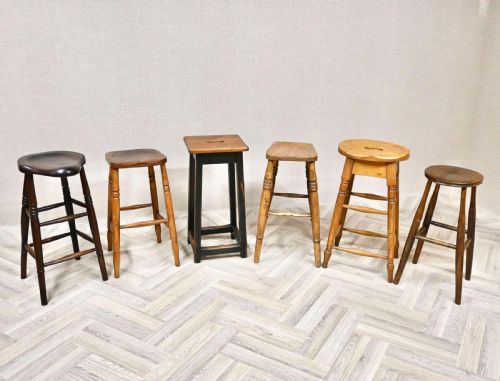
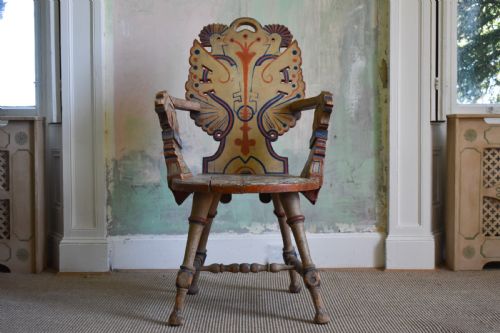
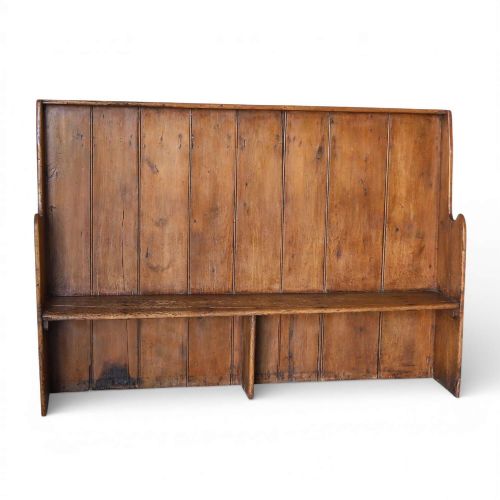
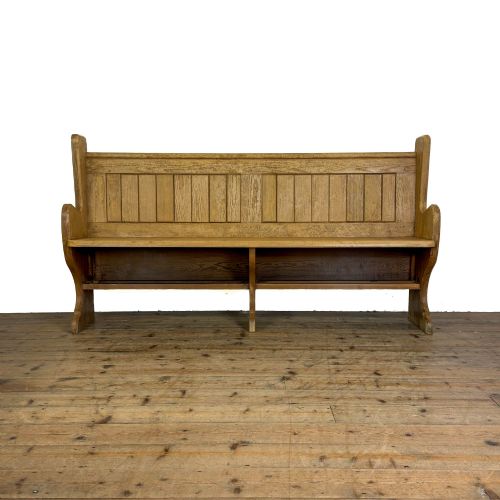
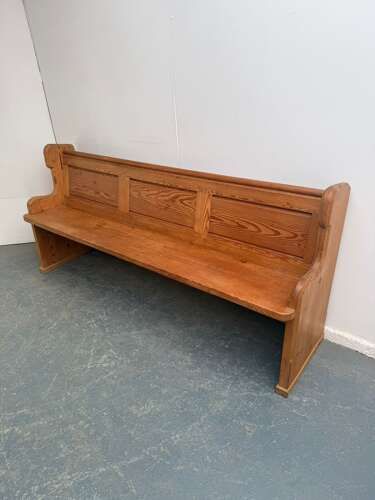
Settles and pews form the backbone of the selection, alongside smaller forms such as clerk's stools and dining chairs. Hungarian box settles and English church pews frequently appear, alongside regional vernacular variants like Swedish folk art armchairs.
Materials and Construction
Makers relied primarily on solid pine and timber, often combining softer woods with harder elements of elm, beech or oak for structural durability. Surfaces reveal traces of original paint finishes, including black, grey, blue and cream, alongside waxed or honey brown patinas.
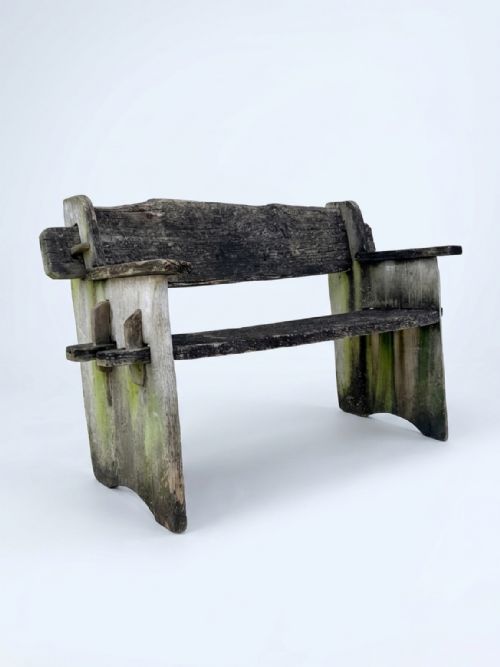
Traditional construction methods dictate visible joints, pegged stretchers and heavy planking designed to withstand rigorous daily employment. Vernacular tools and turning techniques shape spindles, comb backs and ball feet without unnecessary ornamentation.
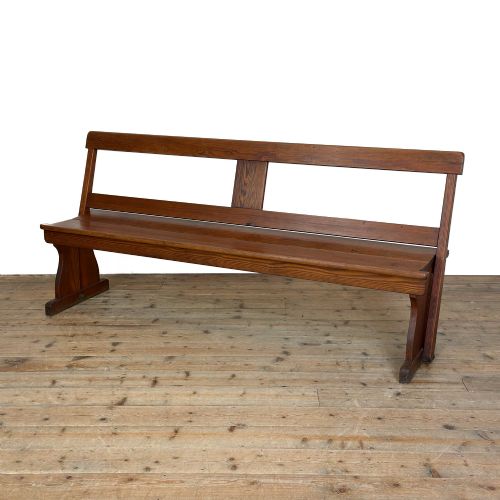
Flip-over chapel pews allowed congregations to face either direction depending on whether a sermon or a service was underway.
Gradations of Merit
Integrity of surface finish determines the standing of an individual piece, distinguishing untouched original paint or deep natural wax from later intervention. Original crust and honest wear from generations of handling elevate the character.
Proportion and structural survival set examples apart, with untouched box compartments, high backs and intact turned spindles commanding greater interest. Vernacular quirkiness and regional idiosyncrasies also elevate provincial forms above standard utility pieces.
The Traditional Pine Seating Glossary
- Settle
- A wooden bench with a high back, solid arms and frequently a box compartment beneath the seat. This form protected sitters from draughts in older domestic interiors.
- Pew
- A long wooden bench historically found in churches or chapels. Examples often incorporate book ledges or enclosed ends.
- Vernacular
- Objects made by regional craftsmen for local use, following traditional local patterns rather than metropolitan fashions. These pieces prioritise function and local materials.
- Box settle
- A specific variant of settle featuring a hinged seat lid that opens to reveal storage space below. This dual purpose design saved space in modest dwellings.
- Comb back
- A chair design where spindles extend through the seat to form a high headrest resembling a traditional hair comb. This technique provides sturdy back support.
Traditional Pine Seating: Frequently Asked Questions
What is a settle bench?
A settle is a high-backed wooden bench designed to shield sitters from cold draughts in older homes. Many feature enclosed storage compartments beneath the seat.
These pieces served as central furniture items in farmhouse kitchens and public spaces before the widespread adoption of upholstered seating.
How do I identify a church pew?
Church pews are long wooden benches characterised by end panels, fixed positions and occasionally integrated book racks along the rear. They were constructed for communal ecclesiastical spaces.
Domestic adaptations of these benches often feature shortened lengths or modified ends to fit residential hallways.
What is vernacular furniture?
Vernacular furniture refers to utilitarian pieces made by local craftsmen using regional materials and traditional styles. These items avoid high-style metropolitan trends in favour of practicality.
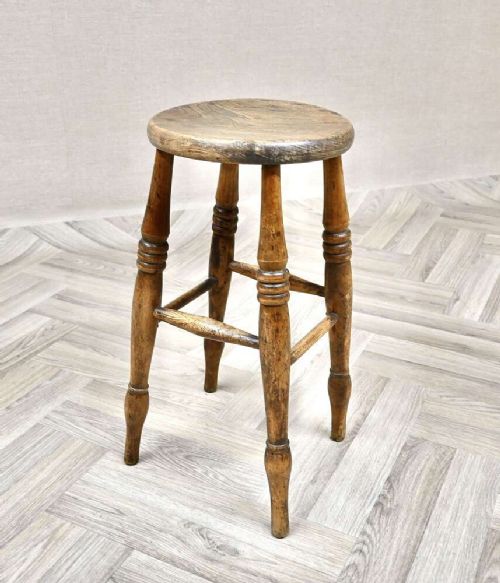
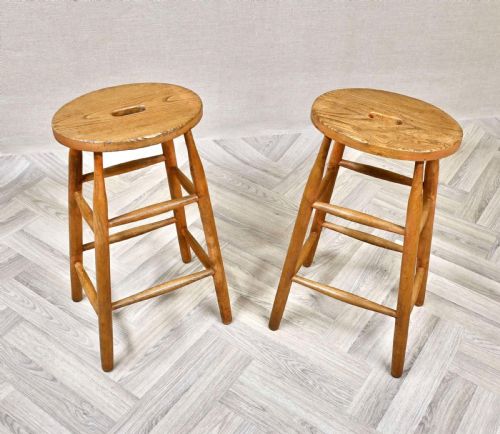
Examples include simple pine stools, comb-back chairs and provincial benches shaped by local workshop practices.
How do I care for waxed pine?
Waxed pine surfaces require periodic maintenance with natural beeswax to prevent the timber from drying out. Avoid placing these pieces near direct heat sources or strong sunlight.
Gentle dusting with a dry cloth preserves the accumulated patina and protects the underlying wood.