


Victorian Pendant Lamp
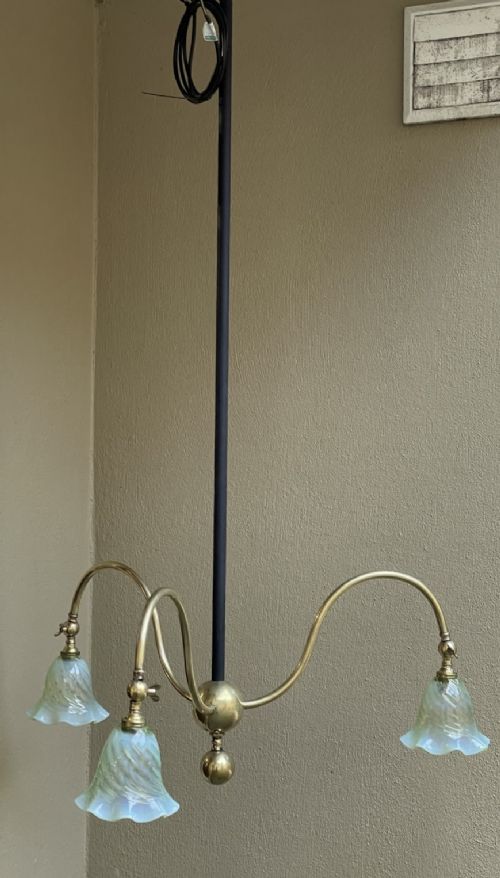
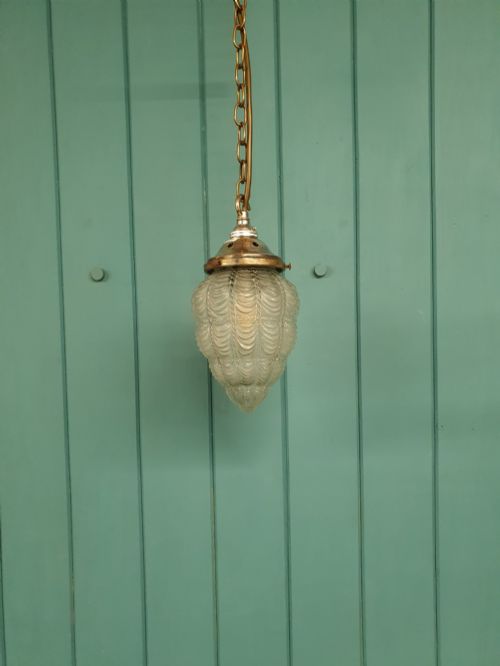
A victorian pendant lamp illuminates a room with period character, combining brass or bronze frames with decorative glass shades.
Victorian Pendant Lamp
A victorian pendant lamp encompasses ceiling-hung lighting fixtures originating primarily from the nineteenth century, including lanterns, chandeliers, and single-bulb suspensions. These pieces typically hang by chains or brackets from domestic ceilings to cast downward illumination.
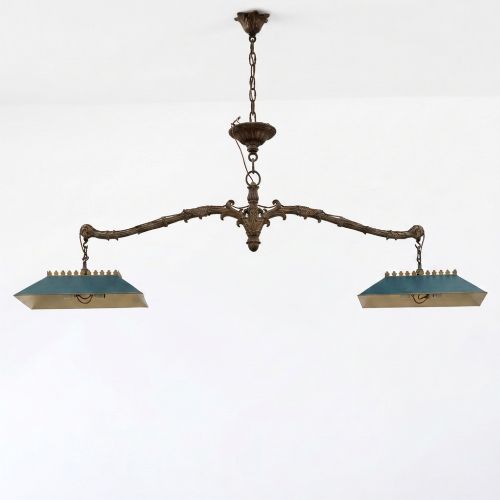
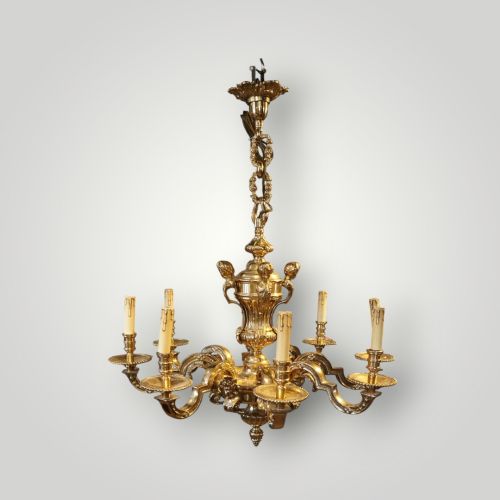
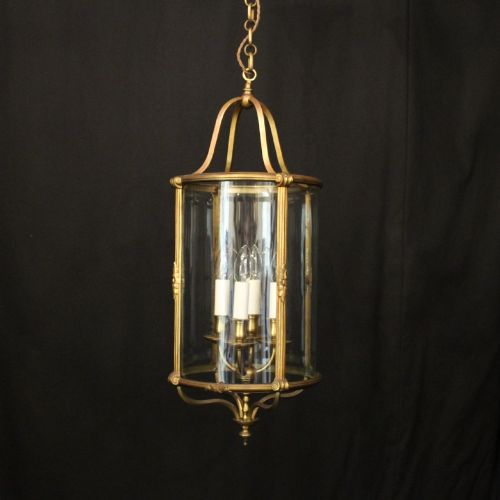
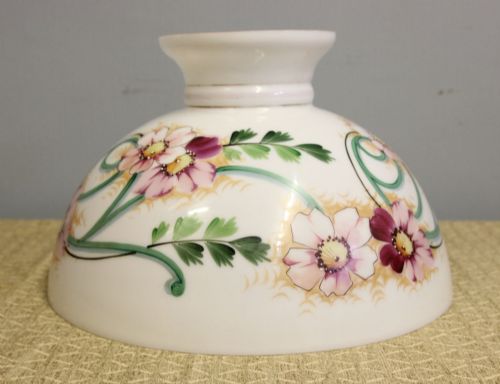
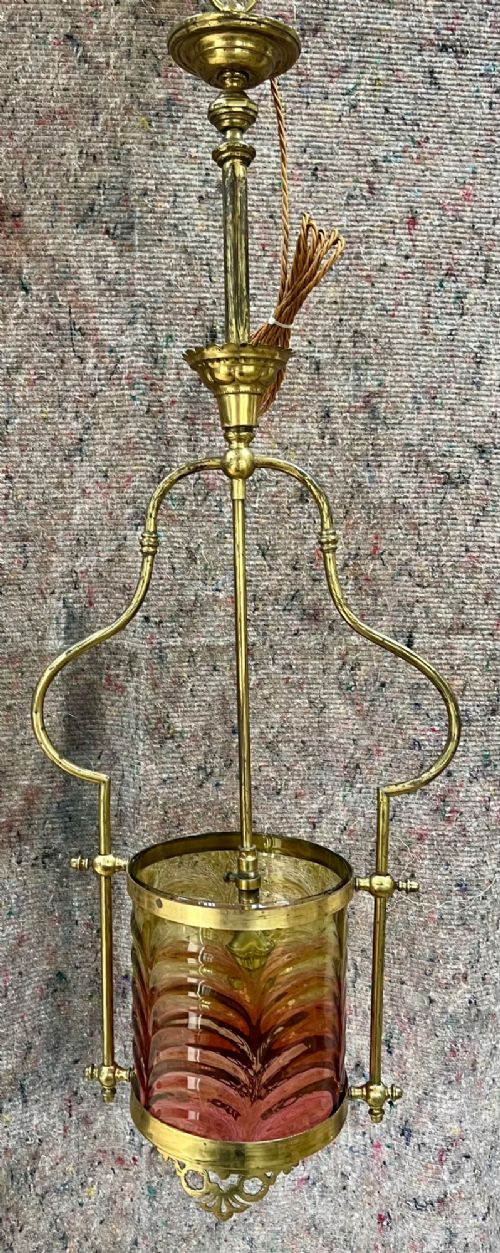
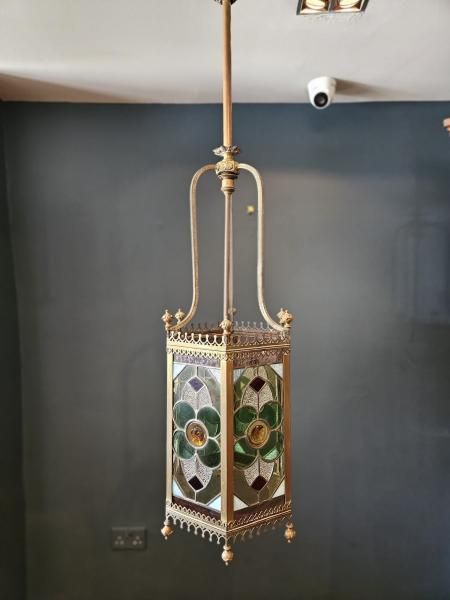
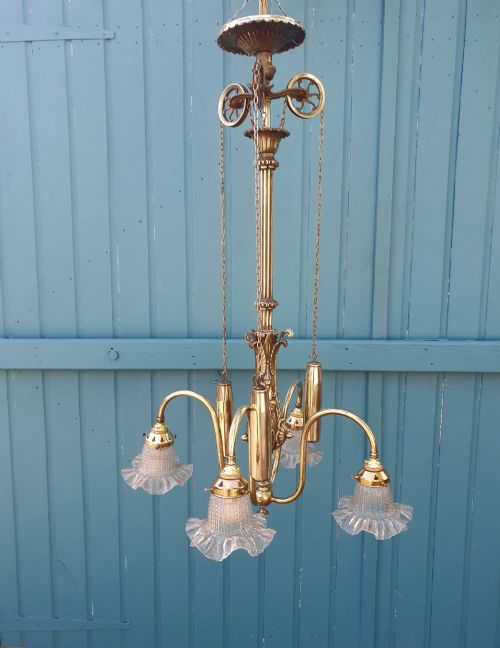
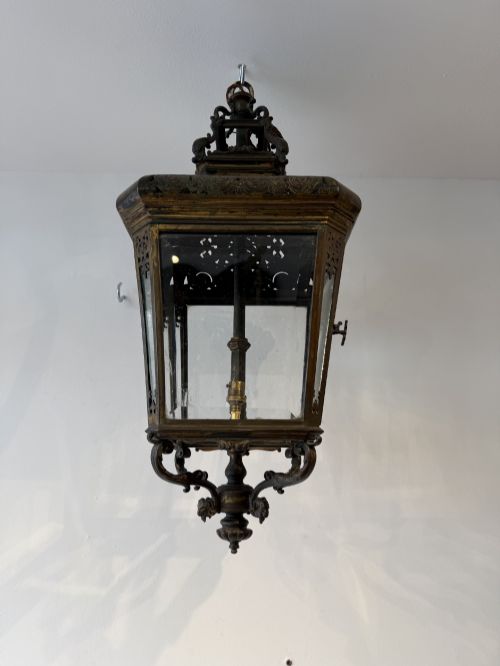
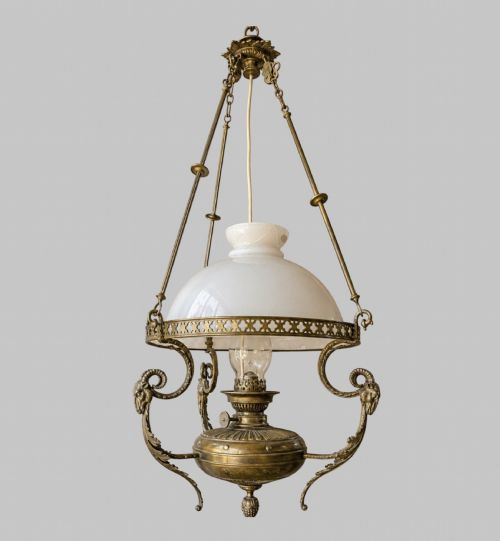
The selections available here showcase diverse manifestations such as brass hall lanterns, opaline glass shades, and multi-armed bronze chandeliers spanning the Victorian and Edwardian eras. Buyers frequently encounter brass and glass combinations alongside specialised lighting forms like billiard lights and paraffin lamps.
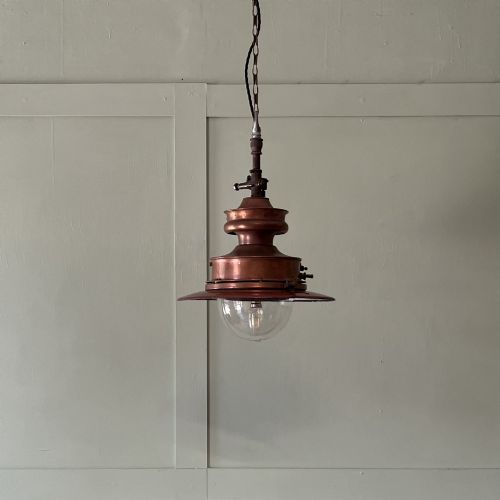
Originating styles stretch from straightforward utilitarian railway lanterns to elaborate Gothic Revival and French Rococo Revival metalwork. Each surviving piece reflects the domestic lighting needs and aesthetic preferences of nineteenth-century interiors.
How they were made
Construction relies heavily on cast and pierced brass, bronze, and gilt bronze frameworks that house structural glass components. Artisans shaped metal through casting, spinning, and hand-piercing before assembling the components with mechanical fasteners.
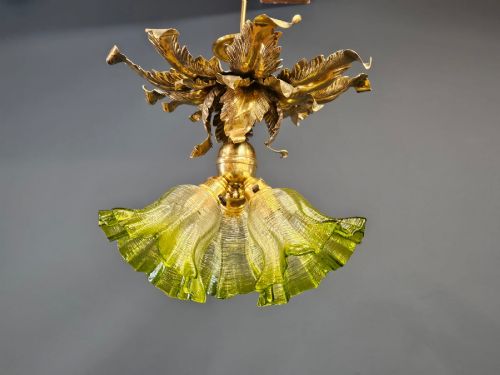
Glass elements range from blown opaline and coloured bowls to heavy cut glass crystals, leaded panels, and etched shades. Burners, chains, and counterweights added mechanical functionality to oil and early electric conversions.
Listings span from mid-nineteenth-century candle and oil fittings to early twentieth-century electric chandeliers, utilising brass, bronze, and diverse glass types.
What varies in quality
The fineness of metal casting and chasing dictates the initial grade of a frame, distinguishing heavy bronze or solid brass from lighter plated alternatives. Crisp detailing in leaf motifs, cherub arms, or pierced geometric patterns separates workshop standards.
Glass quality introduces another distinction, visible in the depth of colour within opaline or stained glass, the precision of hand-etching, and the clarity of cut crystal. Original shades matching specific frames carry distinct weight in overall merit.
Perry & Co·Baccarat·Hinks
The Victorian Pendant Lamp Glossary
- Opaline glass
- Opaque white glass often used for Victorian lampshades to soften and diffuse light. This material appears frequently in late nineteenth-century hanging fixtures.
- Rise and fall
- A mechanical pulley system allowing the hanging height of a lamp to be adjusted up and down. This mechanism suited multi-use rooms like billiard spaces.
- Hall lantern
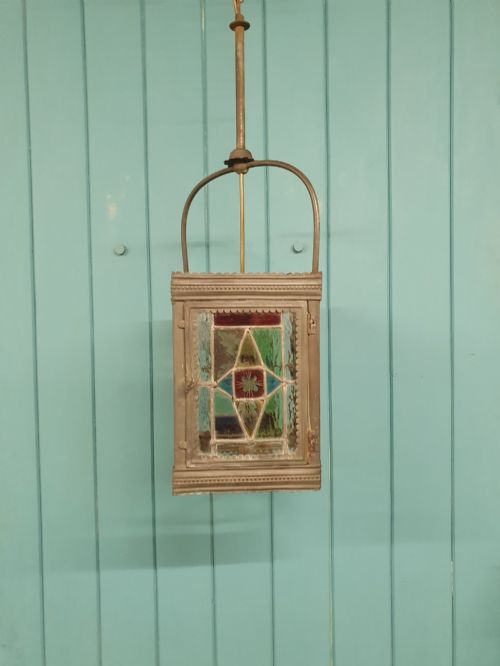
- An enclosed hanging light designed specifically for entrance hallways and corridors. These fixtures usually feature glass panels set within a brass or bronze metal frame.
- Billiard light
- A long, multi-branched ceiling fixture engineered to illuminate a gaming table evenly. These extended lights often accommodate three to six separate burners or bulbs.
- Gilt bronze
- Bronze metal coated with a thin layer of gold or gold-coloured alloy. This finish provided a rich, reflective surface for formal reception rooms.
Victorian Pendant Lamp: Frequently Asked Questions
How do I hang a heavy brass chandelier safely?
Hanging a heavy metal fixture requires anchoring directly into ceiling joists or wooden noggin pieces rather than relying solely on plasterboard. Professional installation ensures the wiring and support chains bear the total weight securely.
Consulting a qualified electrician guarantees that older brass wiring pathways meet current safety codes while preserving the original metal body of the pendant.
Can these old oil lamps use electricity?
Many surviving pendant lamps and lanterns undergo conversion to electricity to function safely in modern homes. This adaptation involves routing electrical flex through original burner assemblies or central brass tubes.
Careful conversion retains the exterior aesthetic of paraffin or oil lamps while accommodating standard modern bulb fittings and ceiling mounts.
How do I clean antique glass shades?
Cleaning fragile glass shades involves removing them gently from the metal frame and washing them in lukewarm water with mild soap. A soft cloth prevents scratching on etched or painted decorative surfaces.
Avoiding harsh chemical cleaners protects aged patinas on both the glass components and the surrounding brass or bronze mountings.
What is the difference between Victorian and Edwardian lighting?
Victorian lighting tends to feature heavier cast brass, ornate Gothic or Rococo Revival ornamentation, and rich coloured or opaline glass. These pieces often relate to gas or paraffin usage.
Edwardian designs frequently exhibit lighter proportions, refined neoclassical influences, and simpler cut glass or etched motifs as electricity became more widespread in domestic spaces.