

Edwardian Glass Lantern
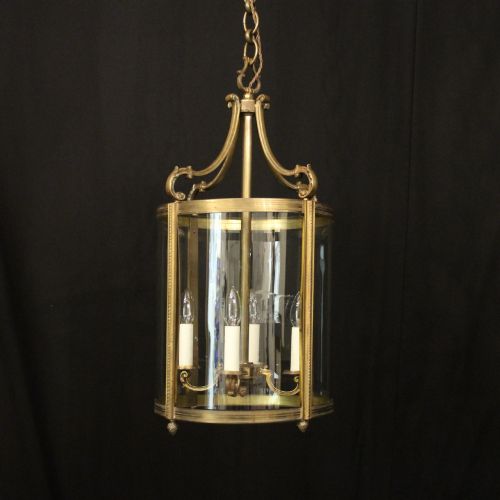
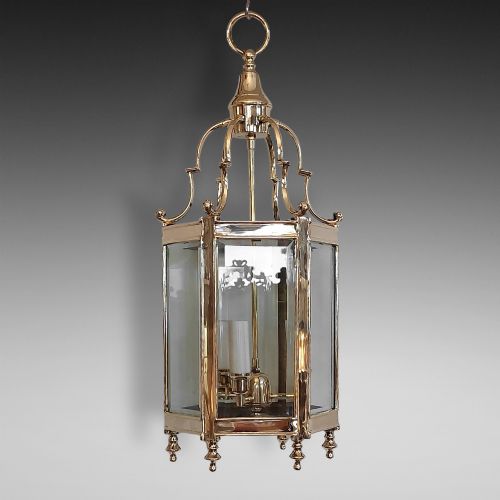
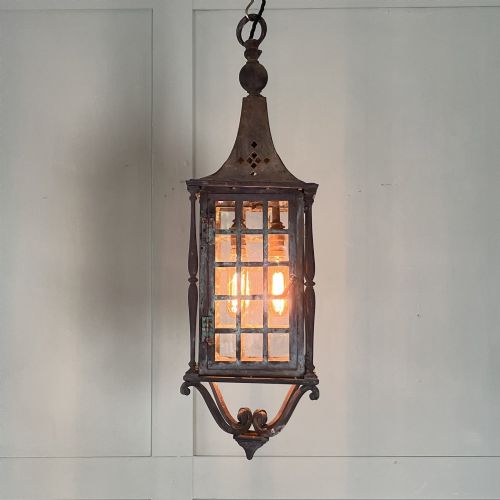
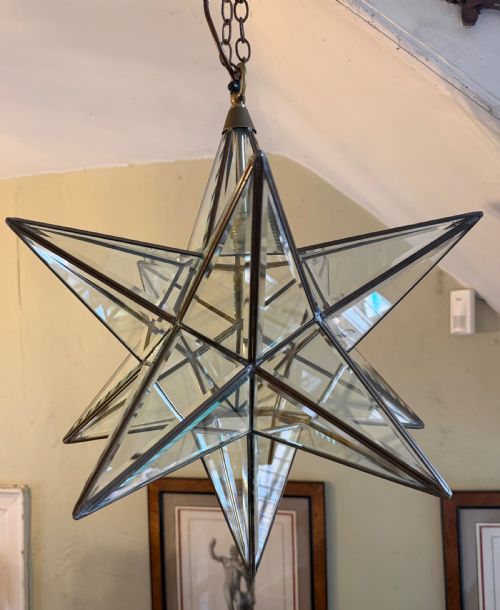
An edwardian glass lantern brings soft, diffused illumination to a hallway or porch, combining period metalwork with decorative panes.
What these pieces are
An edwardian glass lantern is typically a ceiling-hung pendant light designed for halls, porches, and vestibules. These fixtures combine metal frames with various glass configurations to cast ambient light.
The versions most commonly met on this page date from the Edwardian period and the early twentieth century, though nineteenth century and later examples also appear.
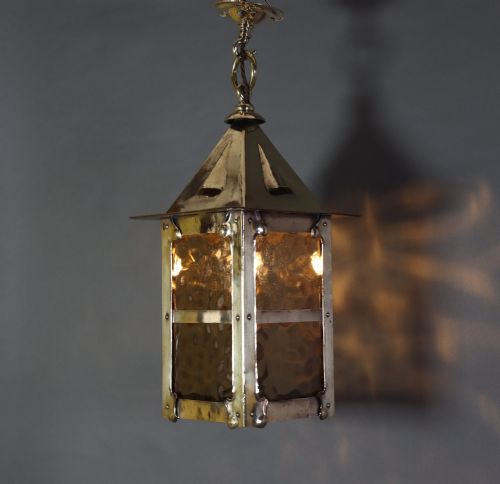
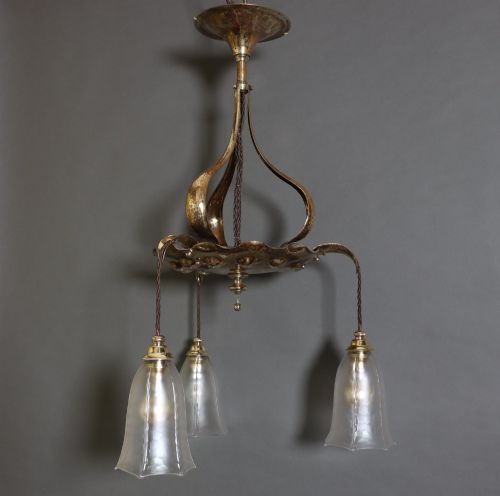
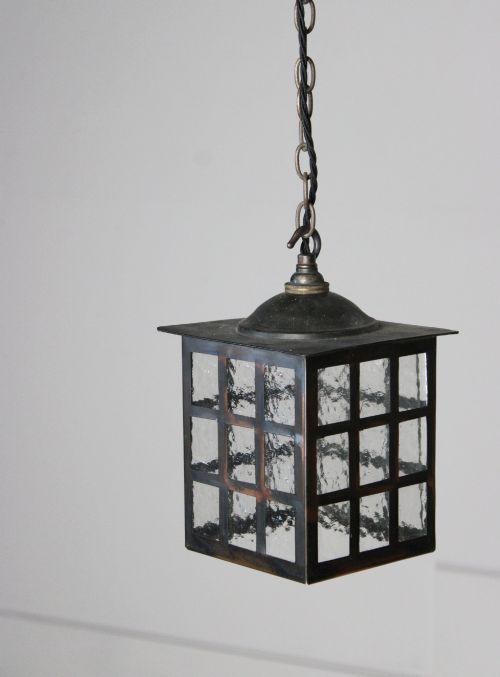
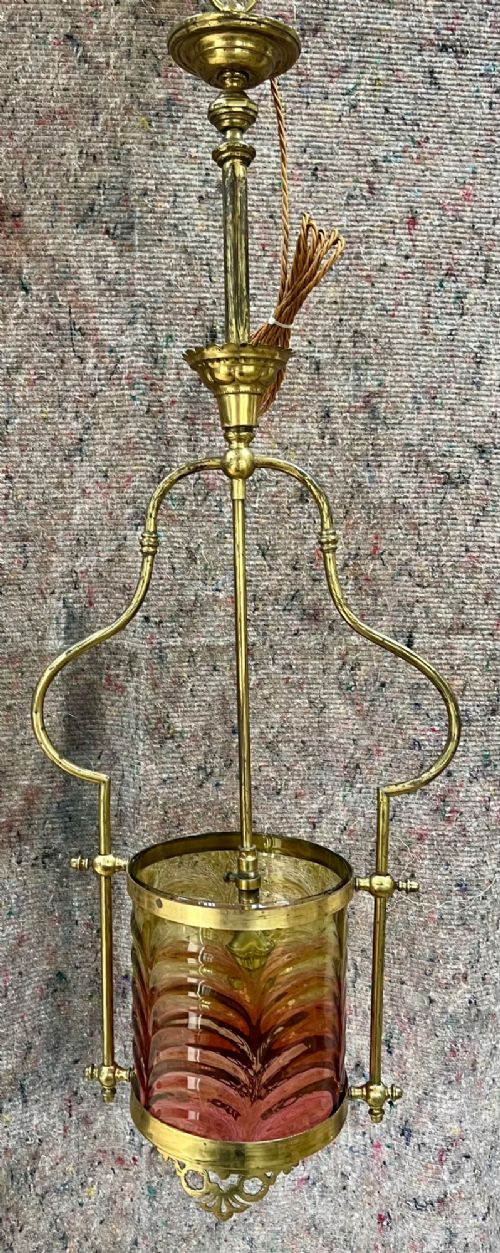
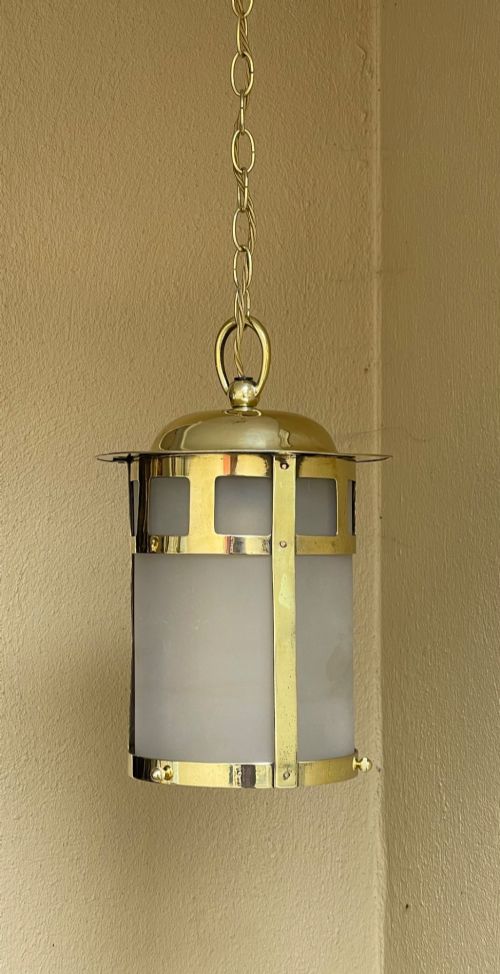
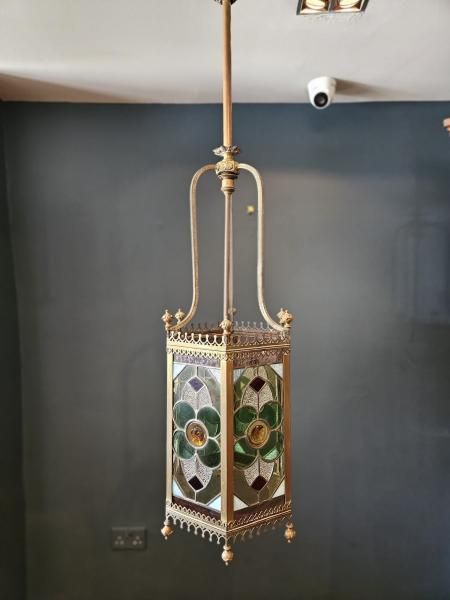
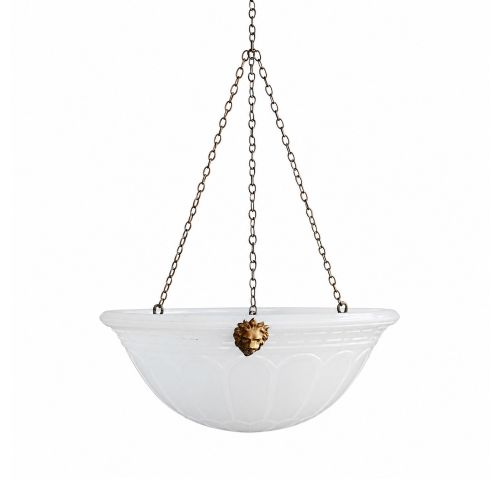
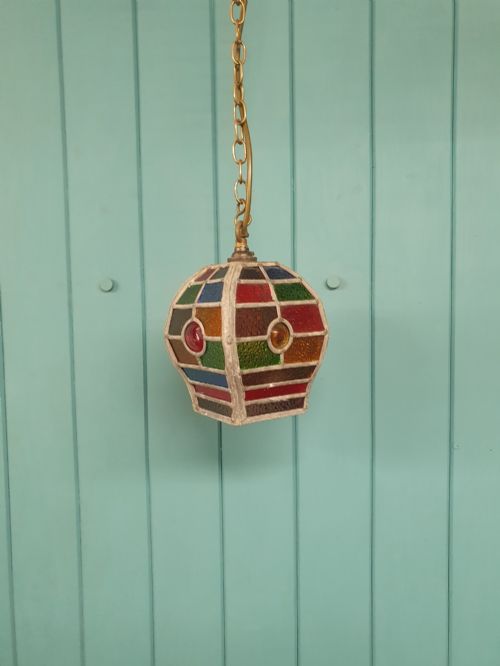
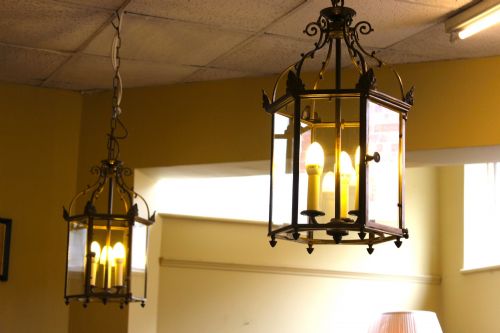
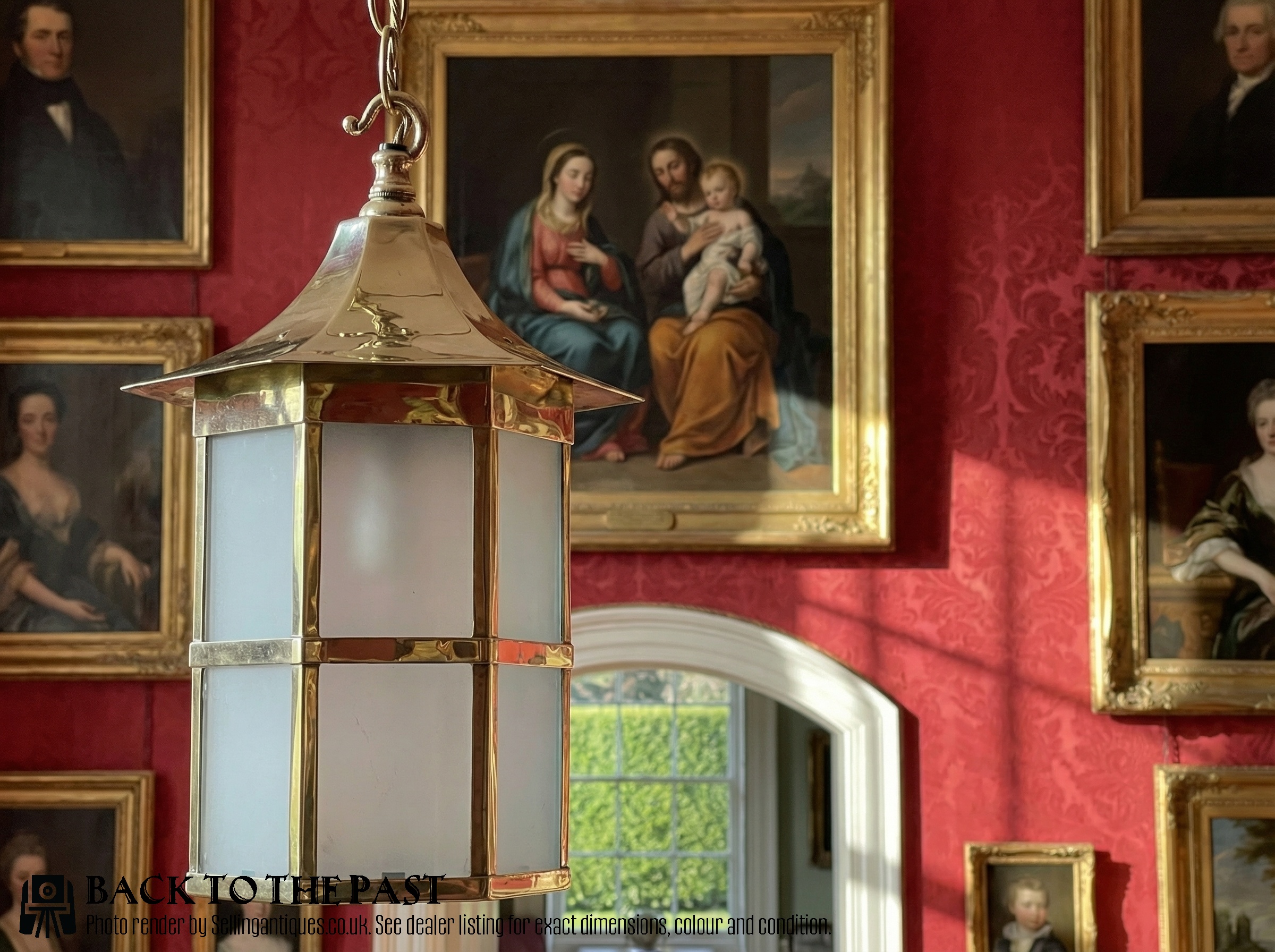
Forms range from simple hexagonal brass hall lanterns to elaborate leaded stained glass porch lanterns and cut glass pendants.
How they were made
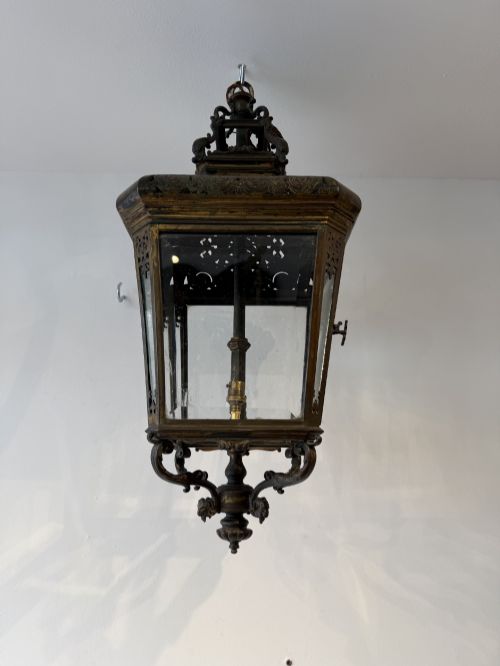
Makers constructed the structural frames using brass, cast brass, gilded brass, gilt bronze, silver plating, and general metal work. These sturdy metals provided the necessary framework to support glazed panels safely.
The glazing incorporated glass, pressed glass, cut glass, frosted glass, dimpled red glass, and leaded stained glass held together by lead. Artisans etched, cut, or stained the glass panels to diffuse light and create decorative patterns.
Retail Price Guide 2026
Typical UK retail prices for edwardian glass lantern, calculated from the Sellingantiques database of over a million retail prices indexed since 2003. This retail price guide relies exclusively on Sellingantiques data; no external sources or auction records are used, so the figures do not describe the wider market.
Listings feature items spanning the Victorian era, the Edwardian period, and the 1930s, constructed from brass, gilt bronze, and stained glass.
What varies in quality
Quality in an edwardian glass lantern rests on the weight of the metal frame and the clarity or complexity of the glass work. Heavy cast brass and precise crystal cut glass sit at the upper end of the range.
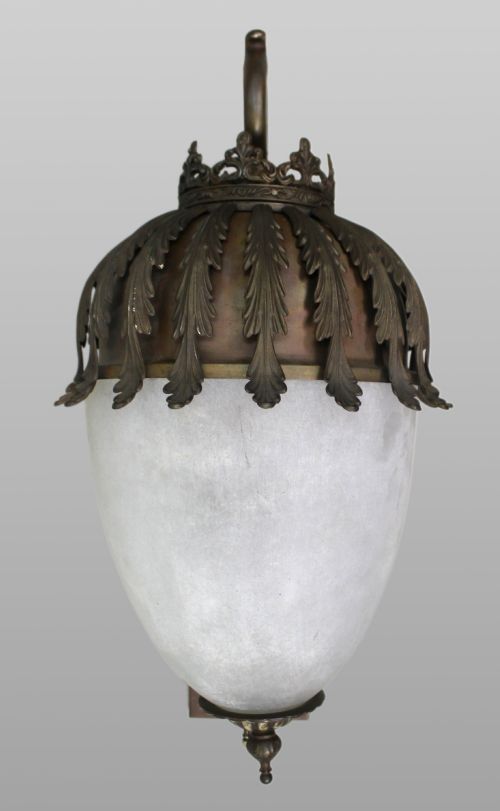
Design ambition also distinguishes the pieces, moving from simple utilitarian porch lights to detailed French Louis XVI style gilt bronze pendants or leaded stained glass compositions.
The Edwardian Glass Lantern Glossary
- Edwardian
- Relating to the reign of King Edward VII, spanning from 1901 to 1910, known for lighter and more refined domestic designs. Pieces from this era often feature balanced proportions and restrained ornament.
- Hall lantern
- A ceiling-mounted lighting fixture specifically scaled for corridors, stairwells, and entrance halls. These fixtures typically hang from a chain or fixed suspension rod.
- Leaded glass
- Glass panes joined together by narrow strips of lead, forming geometric or pictorial patterns. This technique is frequently seen in porch lanterns and windows.
- Gilt bronze
- Bronze coated with a thin layer of gold or gold-coloured alloy to give a rich, metallic finish. It appears on more ornate hanging pendants.
- Pressed glass
- Glass shaped by pressing molten metal into a mould rather than blowing it by hand. This method allowed for consistent patterns and textures on lantern panels.
Frequently Asked Questions
Where should I hang an edwardian glass lantern?
These lanterns suit entrance halls, porches, and high-ceilinged corridors where their pendant form can hang safely overhead.
They provide downward and ambient illumination that welcomes visitors and defines the entryway.
How do I identify an edwardian glass lantern?
Look for characteristic construction methods such as brass frames housing bevelled, frosted, or cut glass panels.
Period pieces often display the weight and patination associated with early twentieth-century metalwork.
Are these lanterns suitable for modern wiring?
Many examples are adapted for contemporary electrical standards while retaining their original frames and glass.
Buyers should inspect the internal fittings to ensure compatibility with current safety requirements.
What glass styles are available?
Options range from clear cut glass and crystal to frosted panes, dimpled red glass, and leaded stained glass.
Each glass type alters the quality and warmth of the light emitted by the pendant.