



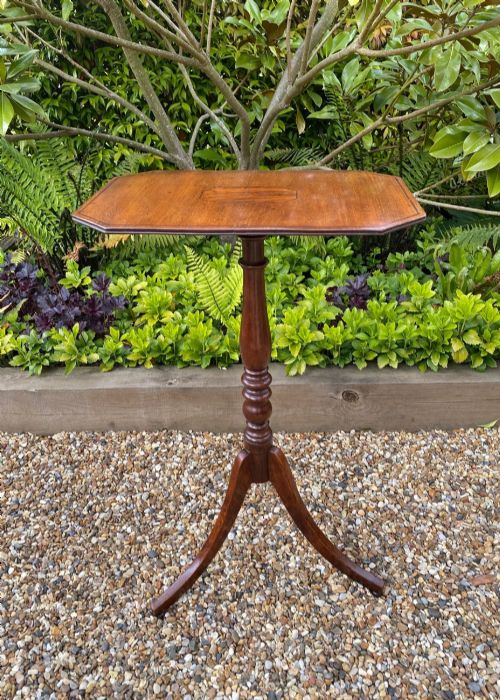
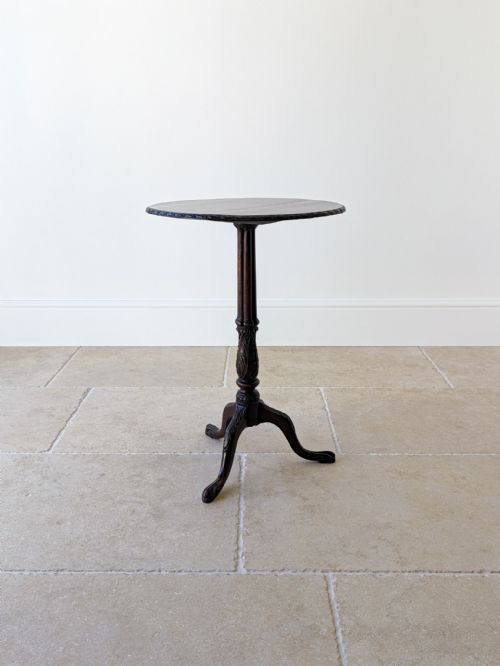
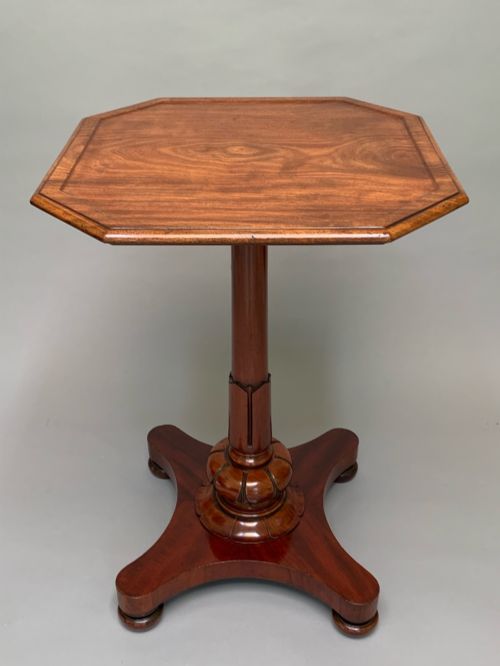
Victorian Pedestal Lamp Table
A victorian pedestal lamp table brings compact elegance to a corner, holding a light or a glass beside a chair with stable grace.
Victorian Pedestal Lamp Table
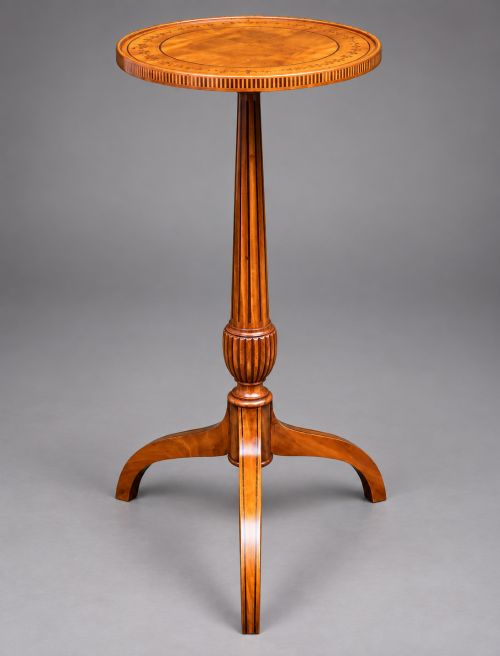
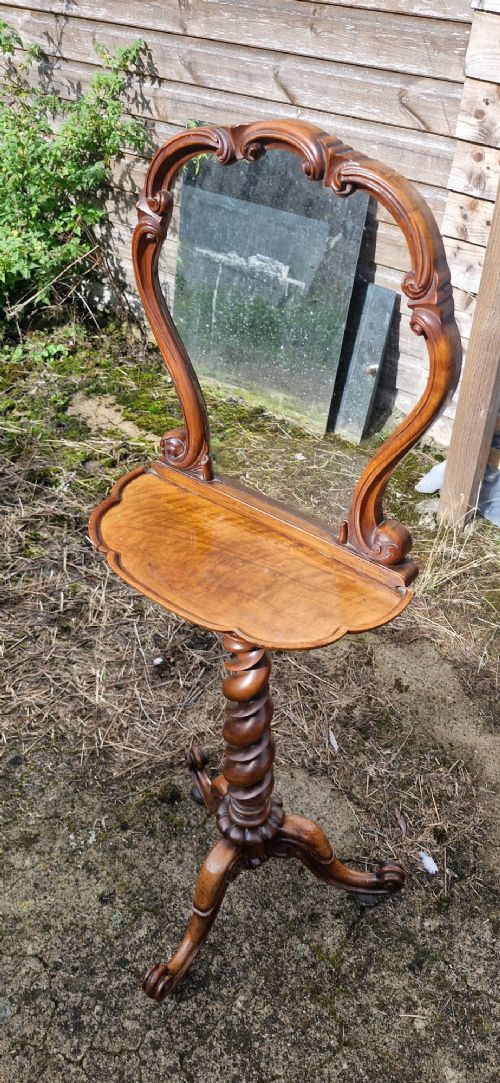
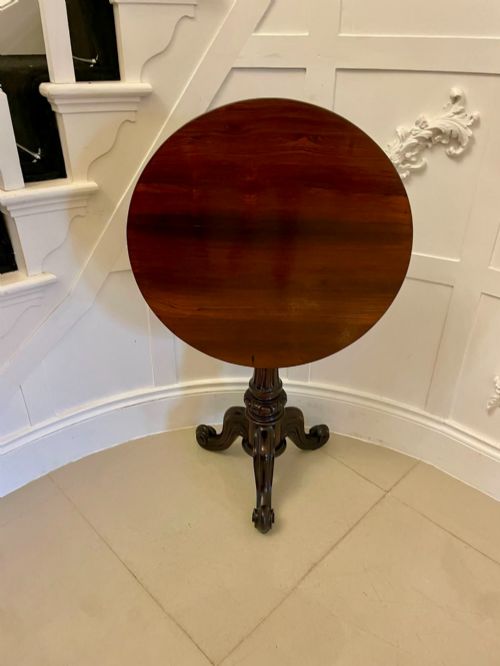
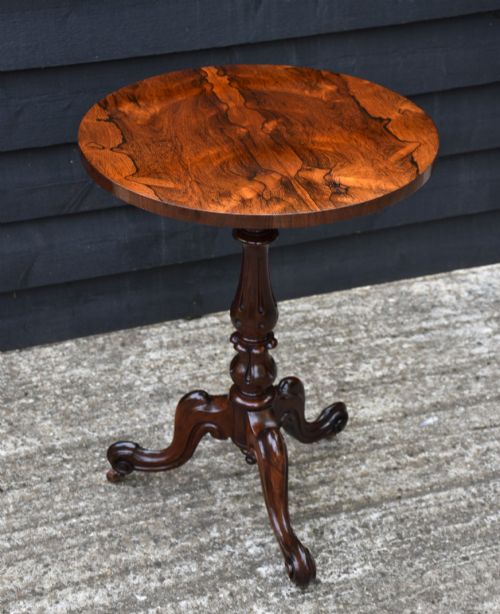
A victorian pedestal lamp table combines a central pillar with a sturdy tripod or platform base, designed to support illumination or small items in reception rooms. These pieces emerge chiefly from the nineteenth century, spanning decades from the eighteen fifties to the eighteen nineties, alongside revivals and related forms.
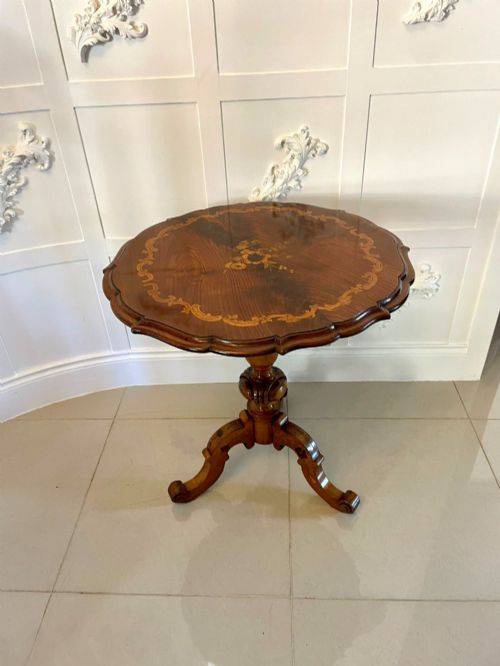
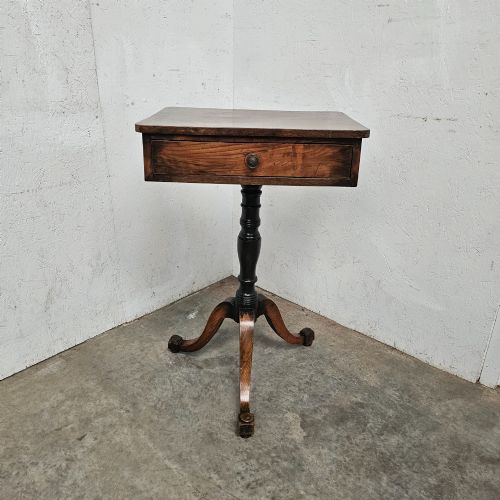
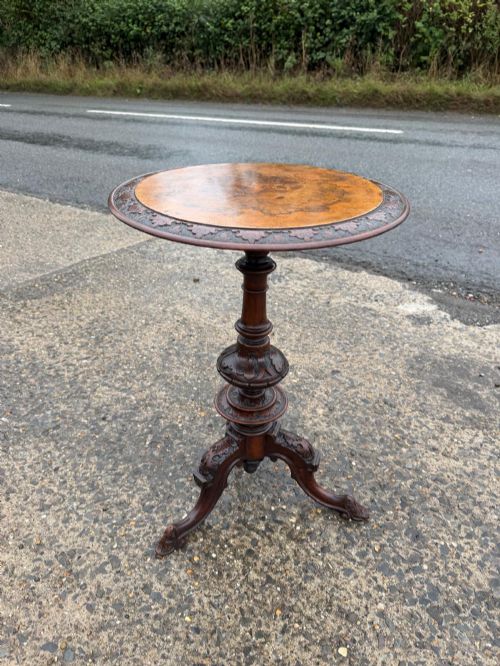
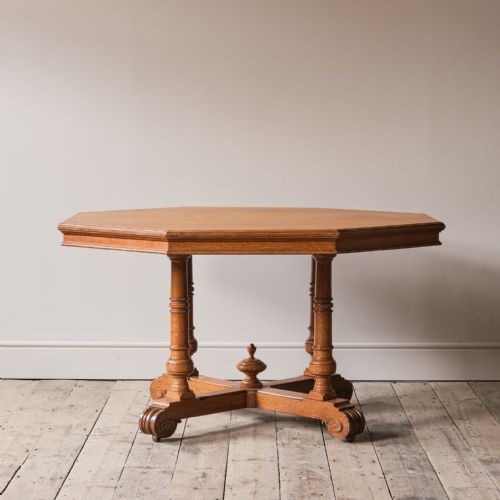
The versions most commonly met on this page include circular or oval occasional tables in mahogany, walnut, and burr walnut. Makers also fashioned them as wine tables, sewing tables, and side tables utilising woods such as rosewood, oak, and satinwood.
How they were made
Cabinet makers utilised dense hardwoods like mahogany and walnut, frequently applying burr walnut veneers or intricate marquetry and inlaid satinwood to the circular and oval tops. Turning lathes shaped the central pedestals into barley twist, bobbin, or classical tripod pillars.
Workshops incorporated contrasting materials, mounting marble tops with gilded brass accents or adding glass components and drawers. Construction often employed stable tripod leg arrangements to support the weight of the central column and table top.
One listed sewing table includes a mystery drawer, offering a discreet compartment for stray buttons and lost nineteenth-century needles.
What varies in quality
The grade of timber selection and the precision of veneer work dictate the visual impact of a victorian pedestal lamp table. Rich burr figuring and fine marquetry inlay separate standard utilitarian items from pieces finished for grander interiors.
Execution of the turned pedestal and the joinery of the tripod base determine physical stability and longevity. Details like bobbin galleries, carved embellishments, and brass mounts reflect the ambition of the original workshop.
Gillows·Druce And Co London
The Victorian Pedestal Lamp Table Glossary
- Pedestal
- A single central column supporting a table top. This upright structure rises from a tripod or weighted base to elevate the surface.
- Burr Walnut
- Timber taken from the warted growths of walnut trees, yielding highly swirled grain patterns. Cabinet makers prized this wood for decorative veneering on table tops.
- Tripod Base
- A three-legged support system providing stability for pillar furniture. These legs typically curve outwards from the base of the central pedestal.
- Marquetry
- Decorative inlay work using various coloured wood veneers to form pictorial designs. Artisans applied these patterns directly to the surfaces of table tops.
- Bobbin Turning
- A method of woodturning that produces a series of rounded spheres resembling bobbins along a pillar. This technique appeared frequently on nineteenth-century furniture legs and galleries.
Victorian Pedestal Lamp Table: Frequently Asked Questions
Where should I place a lamp table?
These pieces suit positions beside armchairs, sofas, or in dark corners needing illumination. Their compact footprint allows them to fit easily into smaller spaces without crowding a room.
Because they feature a central pedestal, seating can be arranged closely around them without obstructing legroom. They function equally well holding books, drinks, or decorative objects.
How do I identify a Victorian piece?
Victorian furniture typically displays dense hardwoods such as mahogany and walnut, often enhanced with burr veneers or hand-carving. Construction methods of this era rely on traditional joinery techniques rather than modern fasteners.
Stylistic cues include turned pedestal columns, tripod bases, and inlaid marquetry reflecting nineteenth-century design tastes. Dates can often be inferred from the specific wood types and decorative motifs popular during the period.
What is the difference between a lamp table and a wine table?
Lamp tables generally feature slightly larger or sturdier tops designed to support heavier nineteenth-century lighting fixtures or oil lamps. Wine tables historically served lighter duties holding glassware and bottles during evening gatherings.
In practice, makers and buyers often used the terms interchangeably for small pedestal furniture. Both types share similar tripod or pillar constructions suited for occasional use.
How do I care for polished wood surfaces?
Maintain polished timber by dusting regularly with a soft, dry cloth to prevent grit accumulation. Avoid placing tables near direct heat sources or strong sunlight to protect the wood and veneer from drying.
Occasional application of traditional beeswax helps nourish the grain and preserve the finish. Keep liquids away from unprotected surfaces by using coasters under glasses.