
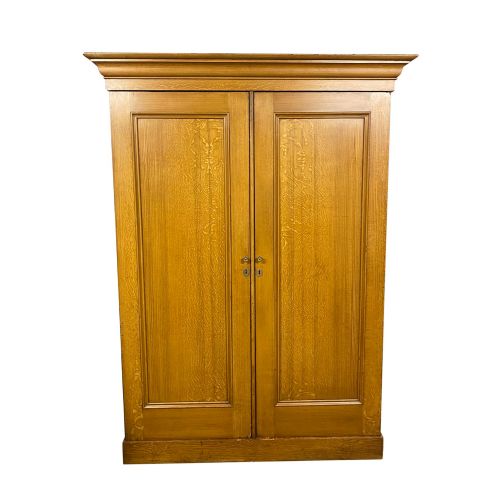
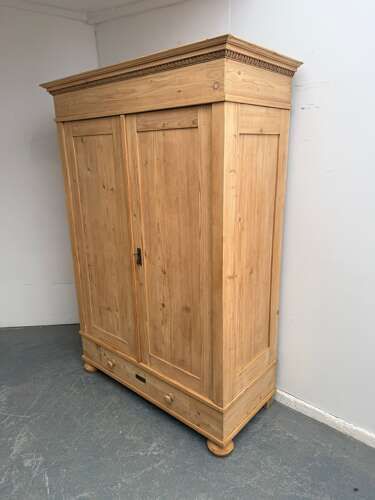
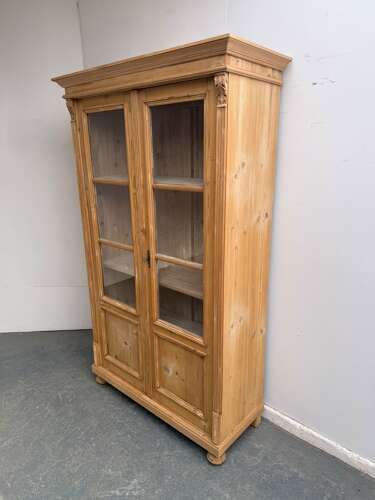
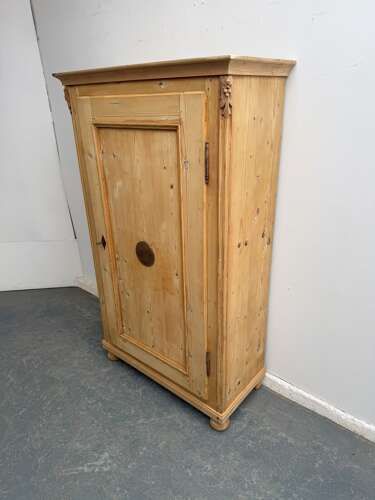
Victorian Painted Pine Cupboard
A victorian painted pine cupboard brings honest utility and decades of character to a room through sturdy softwood and worn pigmented finishes.
Victorian Painted Pine Cupboard
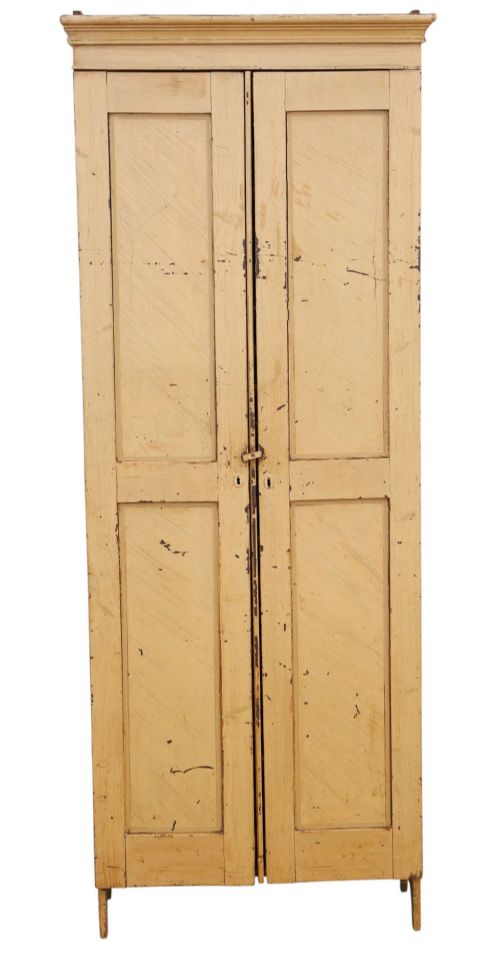
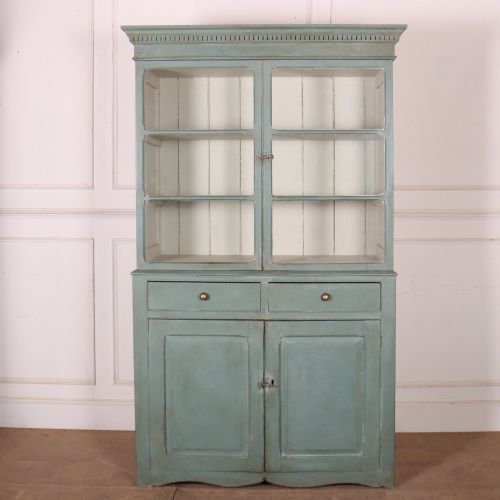
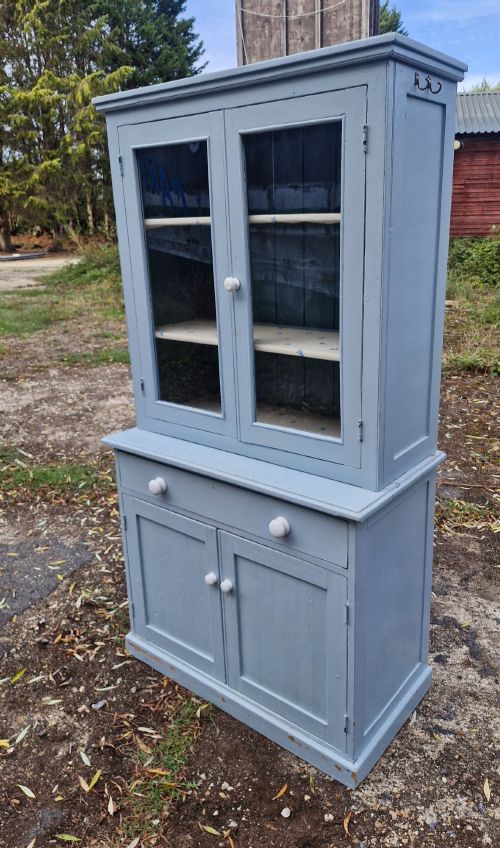
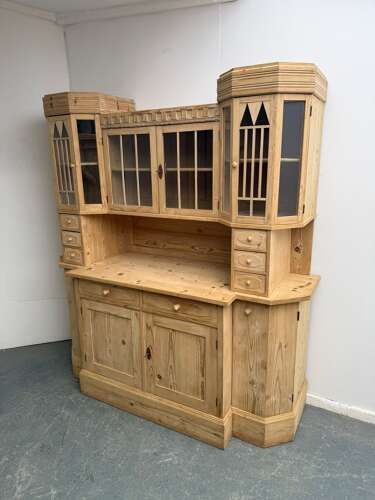
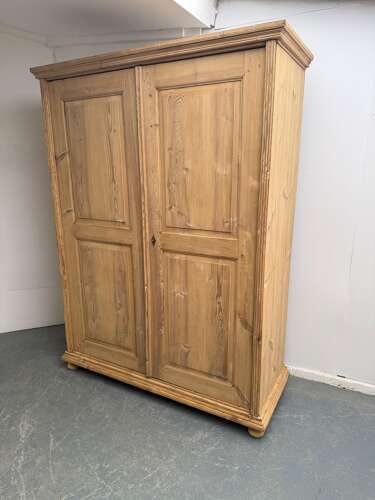
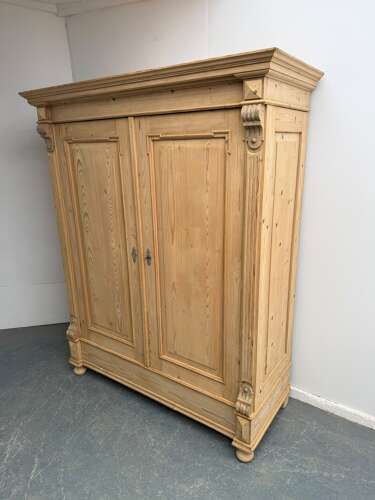
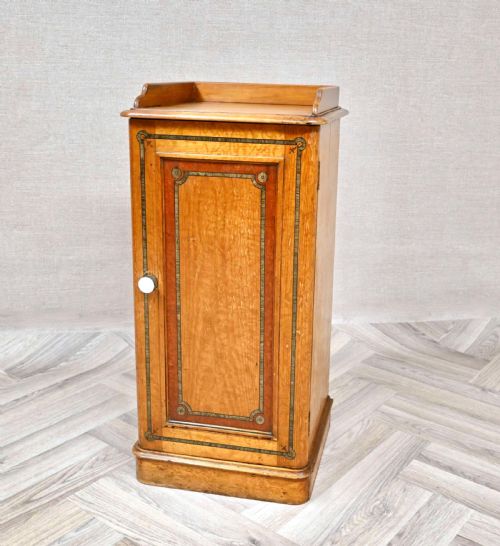
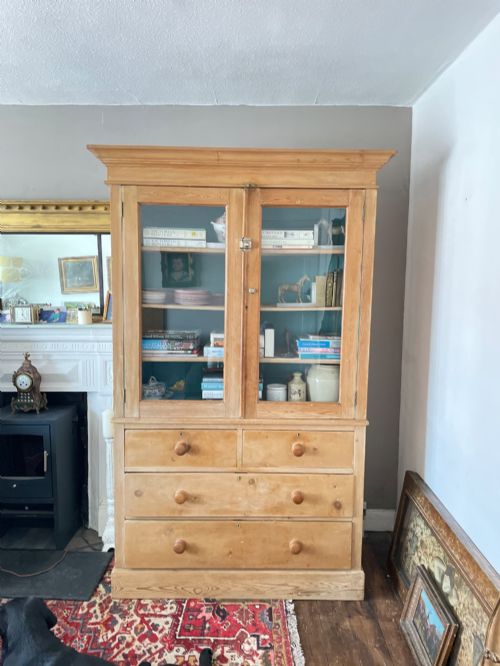
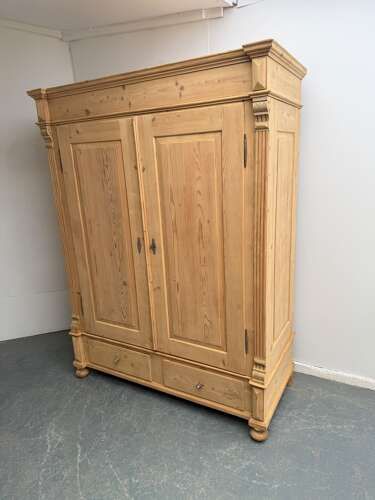
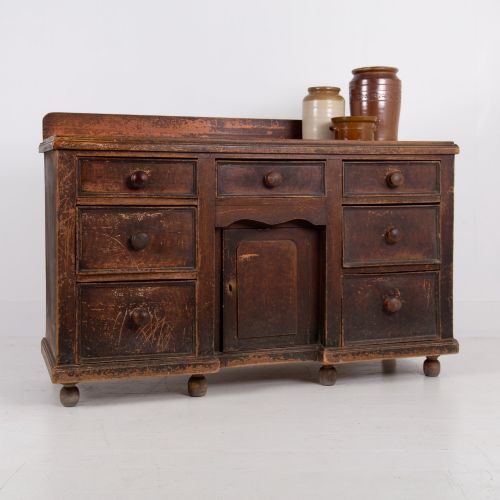
A victorian painted pine cupboard encompasses a broad range of utilitarian domestic furniture fashioned from softwood during the nineteenth century, including tall housekeepers' presses, small bedside cabinets, larder units and two-part kitchen dressers.
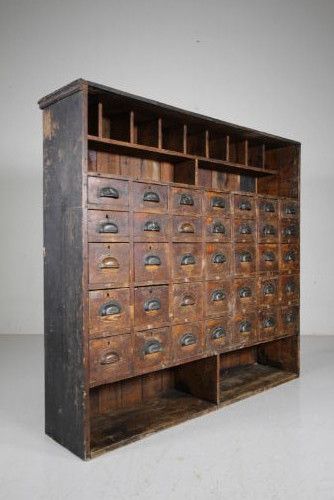
The pieces on this page stem predominantly from the Victorian era and the early twentieth century, reflecting regional country styles alongside functional workshop or school storage.
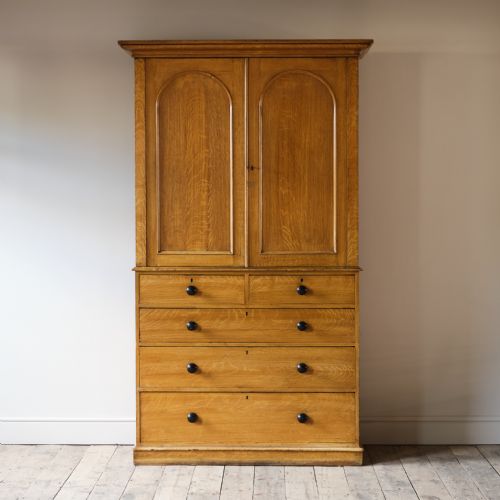
Buyers seeking this phrase encounter sturdy two-door storage units, glazed display cabinets and compactum wardrobes shaped by practical nineteenth-century storage needs.
Materials and construction
Makers constructed these carcasses primarily from solid pine, assembling panels and frames with iron, brass or cast iron hardware such as hinges, handles and latches.
Surfaces received various decorative treatments, ranging from plain coats of paint to specialised scumble finishes designed to simulate oak grain, while some examples retain original teal, blue, black or cream pigment.
Several cupboards retain haberdashery shop displays and schoolhouse paint, having stored everything from cotton reels to chalk.
Quality and finish
The distinction between ordinary and superior items lies in the integrity of the original construction and the preservation of authentic surface coatings.
Pieces retaining untouched period paintwork or specialised scumble decoration command greater interest than those stripped down to bare timber or subjected to modern repainting.
The Victorian Painted Pine Cupboard Glossary
- Scumble
- A translucent layer of dark glaze dragged over a lighter painted base to imitate the grain of harder woods like oak. This decorative technique was popular in nineteenth-century domestic interiors.
- Housekeeper's cupboard
- A large tall storage piece traditionally used for linens, dry goods or crockery. These units usually feature upper cupboards above lower drawers or smaller doors.
- Knockdown
- A piece of furniture constructed to be dismantled into sections for easier transport and installation. This clever framing allowed bulky wardrobes to move between rooms.
- Linen press
- A tall storage cabinet containing sliding trays or shelves behind upper doors, often sitting upon a base of wider drawers. They were essential for keeping household textiles flat and organised.
Victorian Painted Pine Cupboard: Frequently Asked Questions
What is a scumble painted finish?
Scumble paint involves applying a translucent tinted glaze over a paler base coat to create the illusion of figured timber grain. Makers utilised this method on pine to achieve a richer appearance without using expensive hardwoods.
Over decades, this technique creates an appealing aged texture as the top layer wears down through cleaning and daily use.
How do I care for original paint?
Preserving historic paint surfaces requires gentle dusting with a dry microfibre cloth and avoiding modern chemical cleaning sprays. Moisture can lift fragile nineteenth-century pigments from the softwood beneath.
Keep these cabinets away from direct heat sources and strong sunlight to prevent the timber from splitting and the paint from cracking.
Were these cupboards used in kitchens?
Many of these pieces served in domestic pantries, sculleries and large country kitchens to store dry ingredients, crockery and household provisions. Tall larder variants provided ventilated or enclosed space for perishable goods before refrigeration.
Their robust pine construction made them ideal for heavy daily work in busy Victorian homes.
What does knockdown construction mean?
Knockdown furniture is built with pegged, bolted or wedge-fitted joints that allow the main sections to separate easily. This method helped nineteenth-century households move large wardrobes up narrow staircases.
When buying a knockdown piece, check that all original wooden pins and internal bolts remain present to ensure structural stability.