
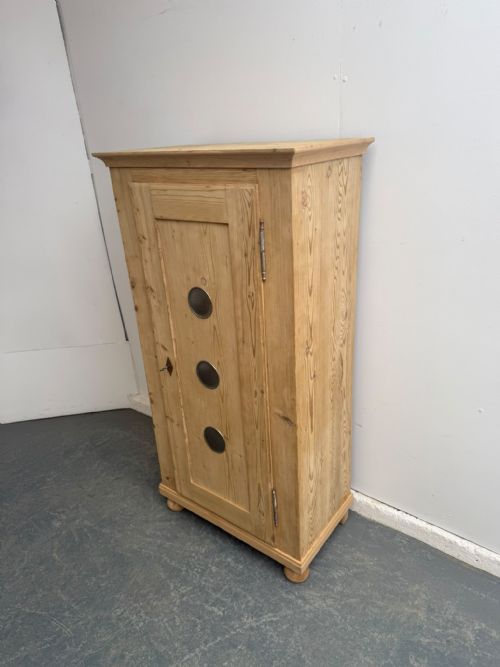
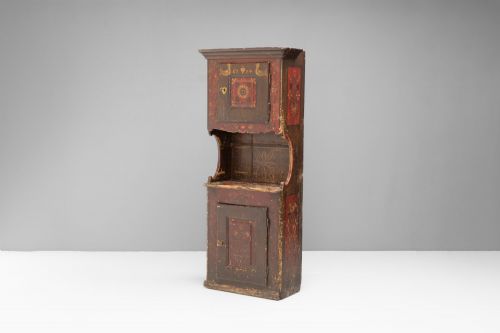
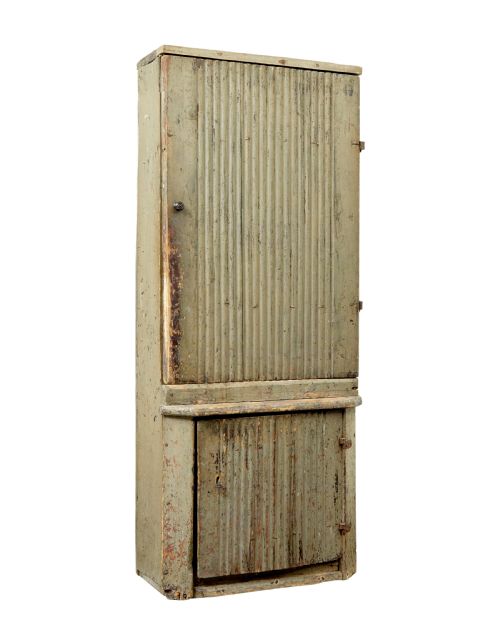


Rustic Painted Food Safe
These rustic painted food safe cupboards bring honest country utility to any kitchen, offering ventilated storage shaped by centuries of domestic tradition.
Rustic Painted Food Safe
When you search for a rustic painted food safe, you encounter sturdy storage cupboards and larder cabinets designed to keep provisions cool and protected before the era of refrigeration. The pieces on this page span the eighteenth and nineteenth centuries, including Victorian country examples alongside French provincial and Scandinavian folk art forms.
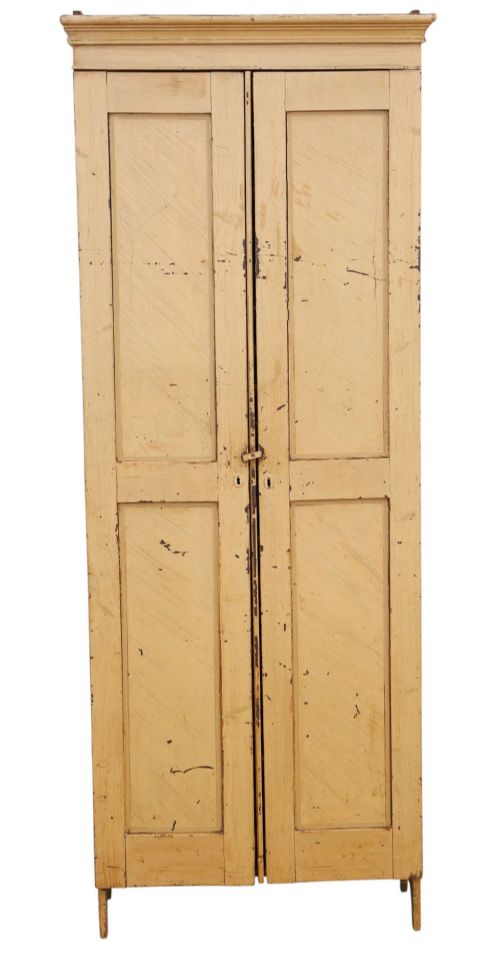
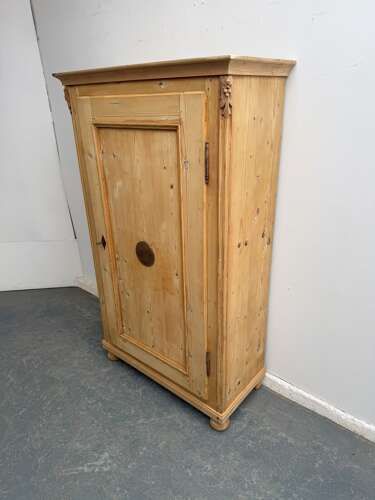
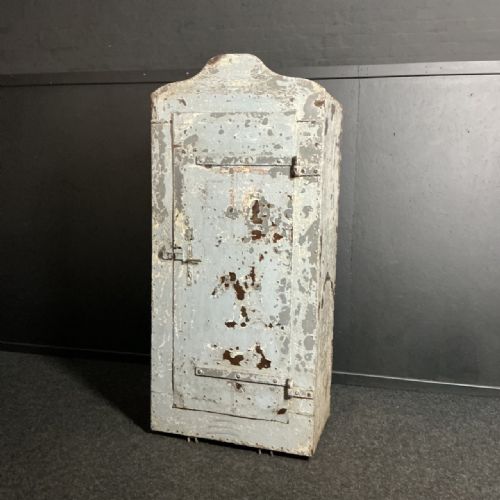
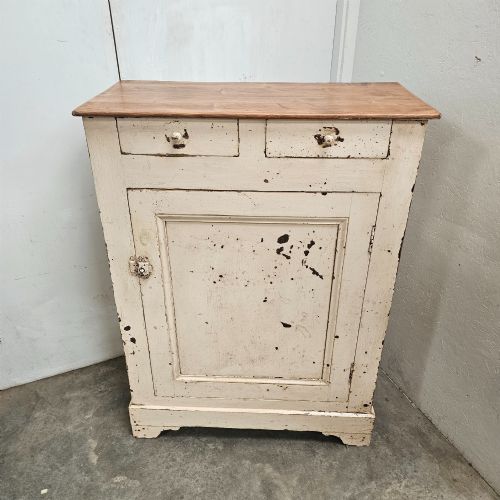
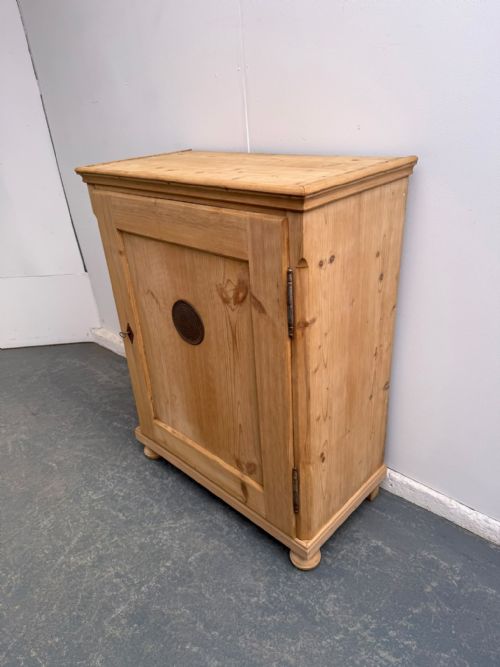
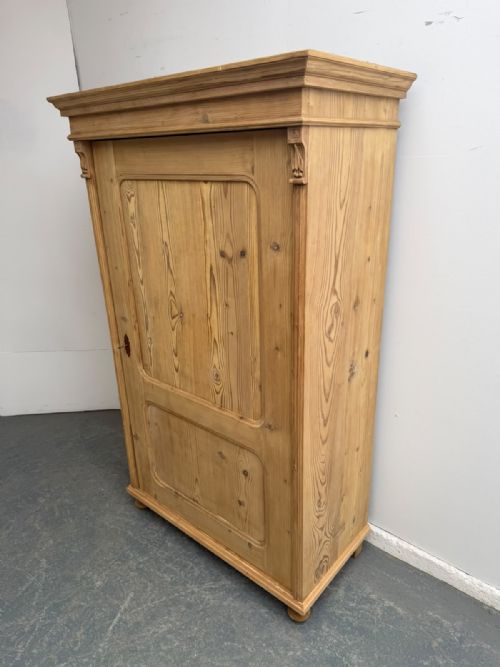
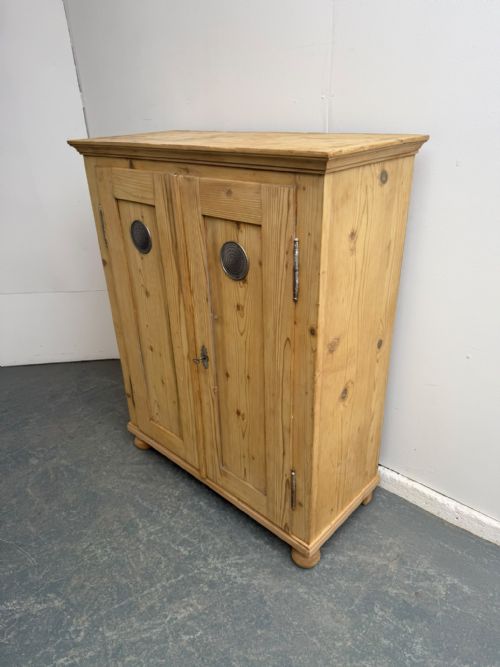
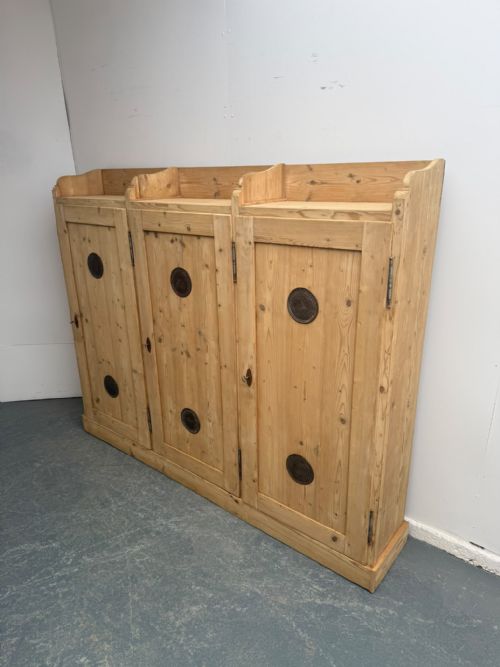
Most items take the form of tall housekeeper's cupboards, jam cupboards, or single-door vented cabinets. You will frequently find pine structures coated in aged paint finishes, often featuring perforated metal or wire mesh panels that permitted air circulation around bread, cheese, and meats.
How they were made
Joiners constructed these utility pieces primarily from solid pine, utilising durable timber boards assembled with simple joints to withstand daily domestic service. Iron, brass, and steel hardware such as hinges, latches, and ventilation grilles provided functional strength to doors and panels.
Surfaces received layers of protective paint, which developed characteristic patinas over decades of household use and subsequent weathering. Carved details occasionally appeared on Scandinavian examples, though decoration remained secondary to practical ventilation and storage capacity.
The listings span the eighteenth and nineteenth centuries, featuring pine construction, painted finishes, and iron or brass hardware on regional forms like housekeeper's and larder cupboards.
What varies in quality
The distinction between standard utility items and finer examples rests on the integrity of the original timber and the retention of authentic painted surfaces. Pieces showing minimal structural alteration retain greater architectural coherence than those heavily modified for modern domestic convenience.
Proportion and scale also separate ordinary regional cupboards from exceptional vernacular pieces, such as tall narrow housekeeper's larders or Scottish food cupboards with well-balanced door configurations and original hardware.
The Rustic Painted Food Safe Glossary
- Food safe
- A ventilated cabinet designed for storing perishable provisions away from insects and heat before refrigeration. These pieces rely on pierced metal or mesh panels for airflow.
- Housekeeper's cupboard
- A large storage unit traditionally used in substantial homes to store linens, dry goods, or kitchen provisions under lock and key. They often combine upper shelving with lower drawer sections.
- Confiturier
- A small French provincial cupboard originally intended for storing jars of preserved meats or confit. These single-door pieces suit smaller spaces.
- Vernacular
- Architecture and furniture built by local craftsmen using regional traditions and available materials rather than academic architectural styles. These items reflect the practical needs of specific rural communities.
- Vented cupboard
- A storage cabinet featuring perforated panels, slats, or wire mesh to allow continuous air circulation. This design prevented spoilage in larder environments.
Rustic Painted Food Safe: Frequently Asked Questions
What is a rustic painted food safe used for?
These pieces served as primitive refrigerators in historical kitchens, utilising ventilated doors to keep perishable foods like cheese and bread fresh. Today, collectors utilise them as statement storage cupboards in modern kitchens, pantries, or dining rooms.
Their substantial shelving and deep cabinets provide practical storage for dinnerware, dry goods, or linens while adding traditional character to domestic interiors.
How do I tell periods apart?
Georgian and eighteenth-century examples often display simpler, heavier timber construction with hand-planed boards and older forged iron hardware. Victorian pieces frequently incorporate mass-produced brass fittings and standardised ventilation mesh alongside regional painted finishes.
Scandinavian and French provincial pieces display distinct regional design traits, such as carved detailing in Nordic examples or the compact proportions typical of confit cupboards.
Are these cupboards suitable for daily use?
Pine cupboards from the nineteenth century offer robust construction that handles modern storage requirements with ease. Their sturdy shelves and dependable doors accommodate everyday kitchen items or linens without difficulty.
Proper placement away from damp walls and direct heat sources preserves the antique timber and aged paint finishes during daily use.
What materials should I expect?
Solid pine forms the primary structure of almost every piece listed here, chosen by historical makers for its availability and workability. Iron, steel, and brass appear on hinges, latches, and the characteristic ventilation grilles.
Surfaces feature layers of historic paint, ranging from cream and neutral tones to traditional Scandinavian hues and French provincial shades.