




White Painted Pine Cupboard
A white painted pine cupboard brings immediate warmth and honest character to a room, offering practical storage disguised in softened, historic layers of paint.
White Painted Pine Cupboard
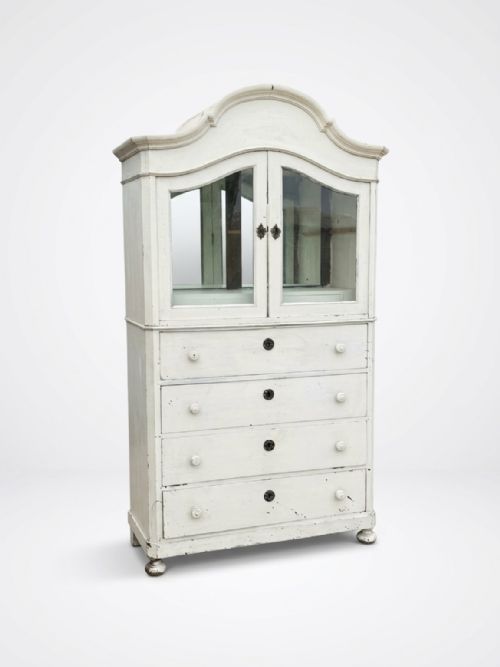
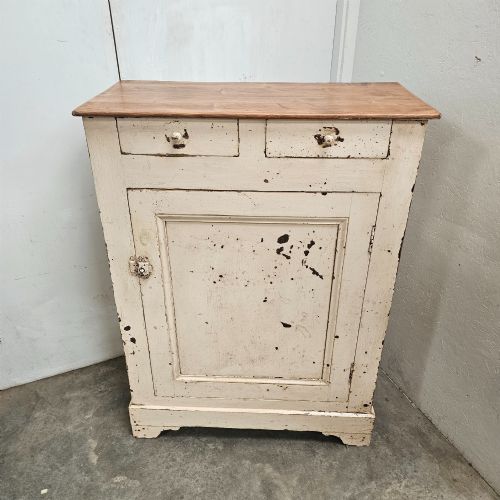
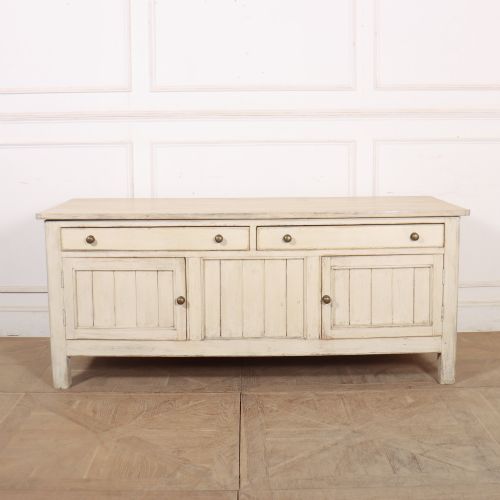
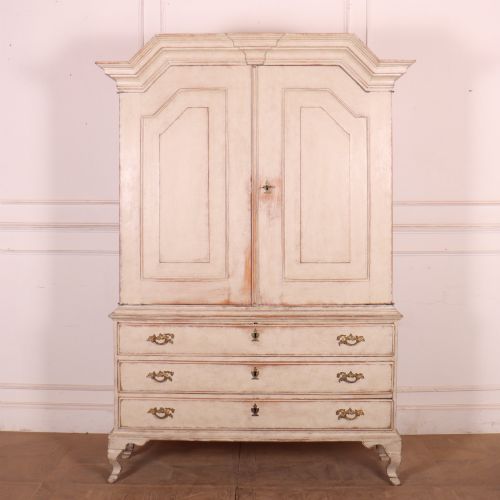
A white painted pine cupboard is a utilitarian storage piece typically shaped by regional domestic traditions across England, Sweden, Scotland, and Hungary. When searching for a white painted pine cupboard, buyers encounter various forms ranging from tall linen cupboards and housekeeper's cupboards to compact bedside cabinets and kitchen dressers.
The pieces originating from British workshops often display the straightforward utility of English country and Georgian design, whilst continental examples introduce the softer palettes of Swedish country or Gustavian aesthetics. These items served practical domestic roles in sculleries, halls, and bedchambers before entering the modern home as decorative storage.
Materials and construction methods
These pieces rely fundamentally on solid pine timbers, joined using traditional techniques suited to domestic furniture production. Iron hinges, brass handles, and glass panels frequently accompany the woodwork depending on the specific form of the cabinet or dresser.
Surfaces receive layers of paint over timber, with many examples retaining original or historic white and off-white finishes that have weathered over decades. The application of paint served both to protect the softwood and to brighten dark domestic interiors.
Listings feature pine cupboards spanning the Georgian and Victorian eras, alongside 1890 and 1900 examples.
Evaluating quality and character
Quality in these items rests upon the integrity of the original construction and the character of the painted surface rather than factory precision. Superior pieces retain their structural soundness alongside genuine, unforced wear in the paint layers accumulated through long domestic use.
Proportion and regional detailing also separate standard utility items from finer examples, such as the refined cornices on Swedish linen cupboards or the balanced proportions of Georgian hall wardrobes. Alterations to hardware or later stripping of historic paint finishes directly influence the integrity of the piece.
Melissa White
The White Painted Pine Cupboard Glossary
- Housekeeper's cupboard
- A large storage piece traditionally used for linens and provisions in country houses. These tall cupboards often combine upper shelving sections with lower drawer banks.
- Confiturier
- A small French jam cupboard designed to store preserves and kitchen goods. These compact pieces typically feature a single door and a marble or wooden top.
- Breakfront
- A cabinet design where the central section projects forward from the flanking wings. This architectural arrangement creates depth and visual interest on larger dressers and bookcases.
- Gustavian
- The Swedish interpretation of neoclassical design championed by King Gustav III. This style is characterised by restrained carved details, fluted columns, and pale painted finishes.
White Painted Pine Cupboard: Frequently Asked Questions
How do I date a painted pine cupboard?
Dating relies on examining construction joints, backboards, and hardware alongside the characteristics of the timber. Hand-cut nails, tongue-and-groove panelling, and traditional pegged joints point towards older periods.
The layer and composition of the paint surface also offer clues, as historic lead-based or oil-based paints age differently from modern synthetics.
Are these cupboards suitable for modern kitchens?
These pieces integrate well into contemporary kitchens, offering generous storage for tableware, dry goods, or linens. Their neutral painted finishes complement modern worktops while adding historic texture.
Ensure you measure ceiling heights and doorway clearances carefully before placing large linen cupboards or housekeeper's cupboards in smaller spaces.
How should I care for historic painted surfaces?
Dust the exterior regularly with a dry, soft cloth to prevent particulate accumulation. Avoid harsh chemical cleaners or abrasive scouring pads that can strip historic paint layers.
Maintain stable indoor humidity levels to protect the underlying pine timber from excessive warping or splitting.
What distinguishes Swedish cupboards from English examples?
Swedish cupboards frequently display lighter, brighter painted finishes rooted in Gustavian and Scandinavian country traditions, often featuring softer greys and off-whites. English examples tend to lean towards heavier Georgian proportions or utilitarian country workshop styles.
Cornice details and door mouldings also vary distinctly between Scandinavian and British regional vernaculars.