

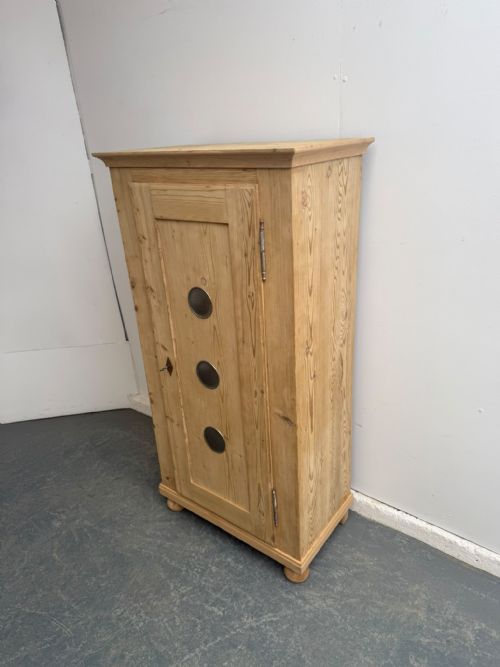


Freestanding Larder Cupboard
A freestanding larder cupboard provides substantial kitchen storage in solid pine, oak, and painted finishes spanning the nineteenth and twentieth centuries.
Freestanding Larder Cupboard
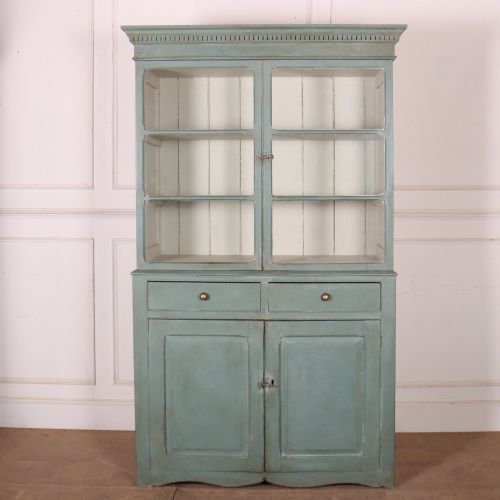
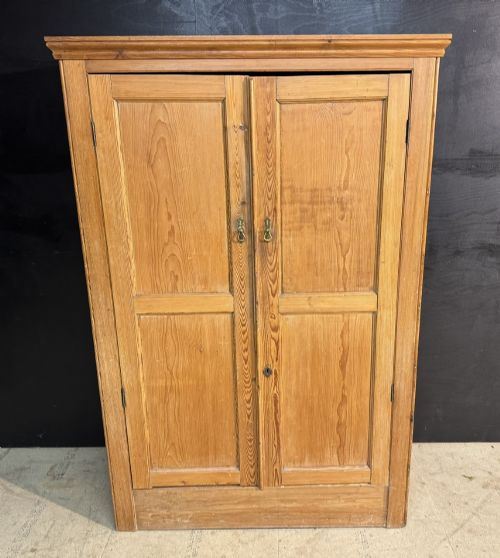
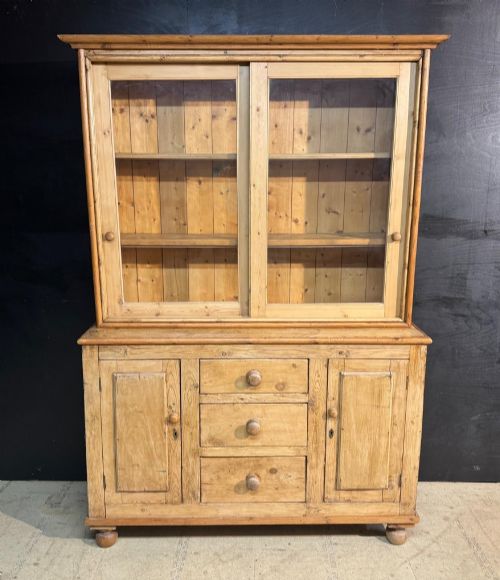
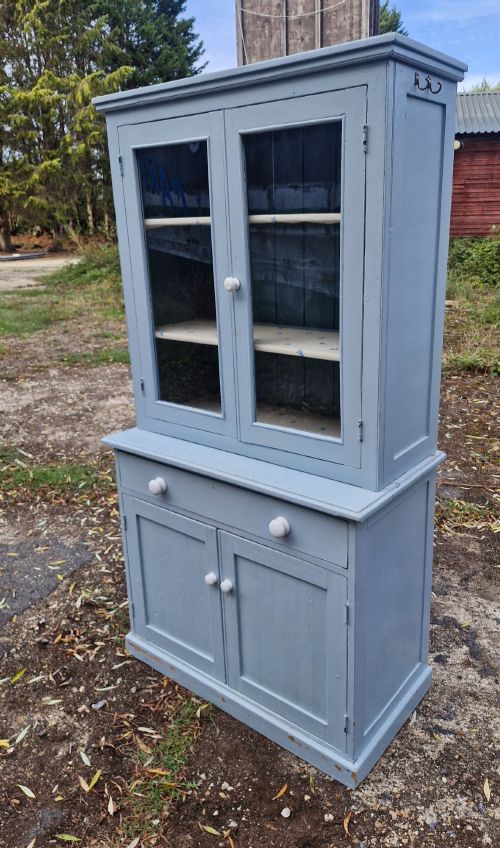
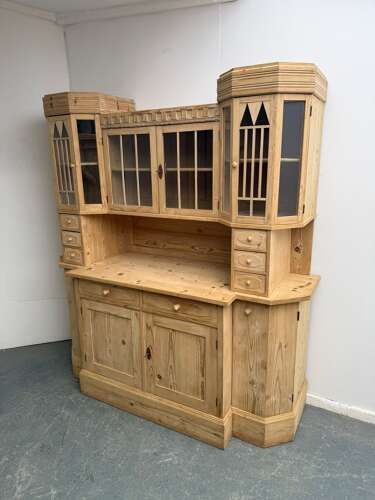
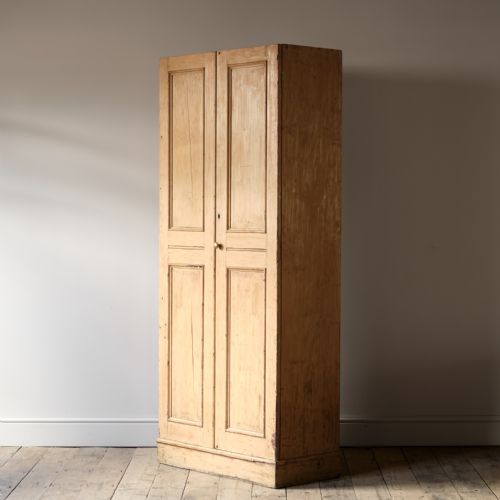
A freestanding larder cupboard offers dedicated storage for provisions and kitchen utensils without requiring built-in kitchen fitting. These functional pieces range from simple single-door storage cupboards to large two-part dressers and housekeeper cupboards.
The pieces available on this page date primarily from the nineteenth and early twentieth centuries, with Victorian and Georgian examples appearing frequently. Regional variations include Scottish, English, East European, and American formats.
Makers and styles span rustic farmhouse traditions, Arts and Crafts designs, and utilitarian kitchen cabinets. Most examples rely on pine, while oak and painted surfaces provide alternative finishes.
How they were made
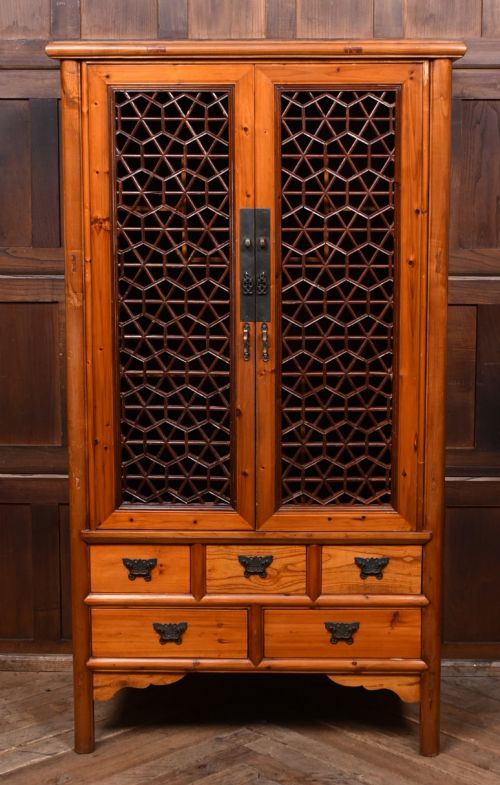
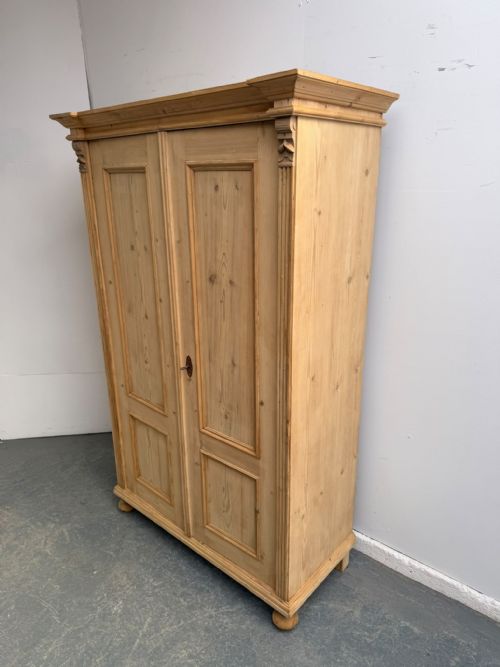
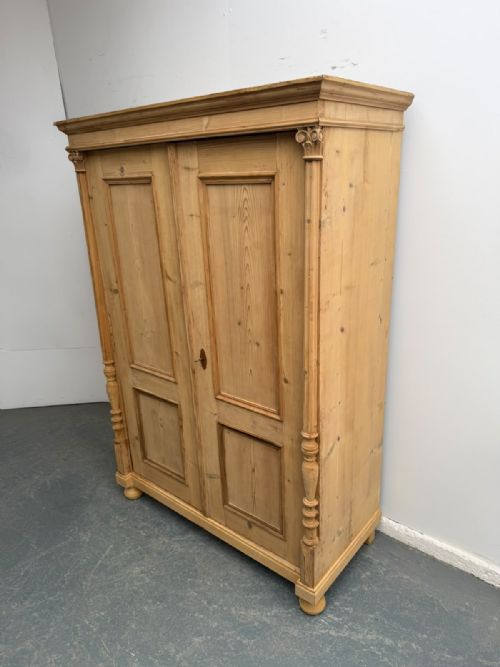
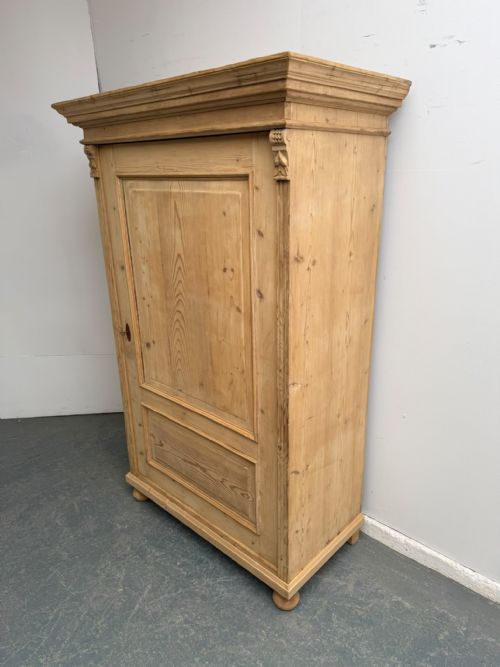
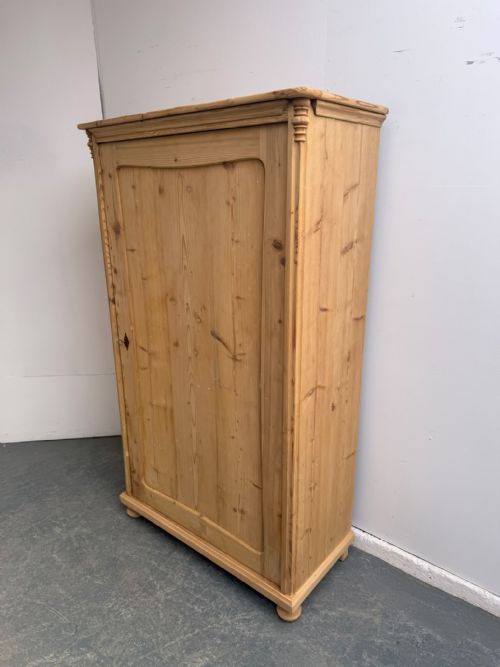
Construction relies heavily on solid pine and oak, shaped into robust frames with fielded panels and multi-door configurations. Iron and brass hardware, including hinges and latches, secure the doors on these hard-working utility pieces.
Surface finishes vary between natural wax and original or later paint applications, sometimes featuring vented panels for food storage. Many pieces utilise a two-part construction method, separating upper cabinet sections from lower storage bases for easier transport.
Listings feature pine and oak materials across nineteenth-century and early twentieth-century periods, including Victorian and Georgian examples.
What varies in quality
Proportion and scale also dictate quality, as taller three-door or four-door configurations and two-part dressers require precise joinery to remain stable. The presence of period-correct brass or iron fittings enhances the overall integrity of the build.
Hudson Bros
The Freestanding Larder Cupboard Glossary
- Housekeeper's cupboard
- A large storage unit traditionally used for linens, dry goods, and household provisions. These tall pieces often feature multiple doors enclosing shelving and drawer space.
- Bread and cheese cupboard
- A regional storage cabinet traditionally fitted with perforated or vented panels to allow air circulation around perishable food. These items form a distinct subset of nineteenth-century kitchen furniture.
- Fielded panel
- A wooden panel with bevelled edges designed to fit securely within a surrounding frame while accommodating natural wood movement. This technique adds depth and structural stability to cabinet doors.
- Arts and Crafts
- A design movement prioritising traditional craftsmanship, visible construction methods, and utilitarian function over excessive ornamentation. Pieces from this period emphasise solid materials and honest joinery.
- Two-part cupboard
- A storage unit built in separate upper and lower sections for ease of movement and installation. This construction method appears frequently on larger dressers and tall larder cabinets.
Freestanding Larder Cupboard: Frequently Asked Questions
What is a freestanding larder cupboard used for?
A freestanding larder cupboard serves as a primary storage unit for kitchen provisions, dry goods, and utensils. These pieces provide ample shelving behind enclosed doors to keep ingredients organised in period or modern kitchens.
Historically, they maintained cool environments for perishable food before modern refrigeration. Today, they function as standalone pantries that add character and practical capacity to a room.
How do I date a pine larder cupboard?
Dating a pine larder cupboard involves examining the construction methods, nail types, and joinery details. Hand-cut dovetails and pegged joints generally indicate nineteenth-century or earlier origins.
Paint layers, hardware styles, and timber patination also provide clues to the age of the piece. Comparing the overall proportions to documented Victorian or Georgian examples helps narrow down the decade.
Are these cupboards delivered in one piece?
Many larger larder cupboards and dressers utilise a two-part construction, separating into upper and lower sections for transport. Smaller single-door cabinets typically arrive as a single solid unit.
Checking the dimensions and configuration before purchase ensures the piece fits through doorways and stairwells. Two-part designs simplify placement in rooms with restricted access.
What is a Hoosier kitchen cabinet?
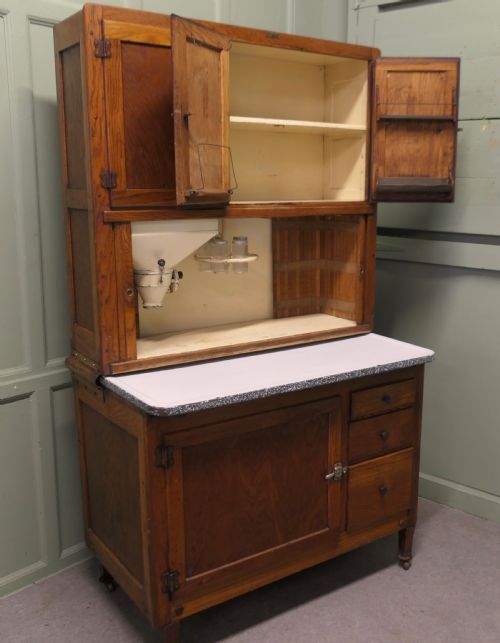
A Hoosier kitchen cabinet is an American utilitarian storage unit designed to consolidate food preparation tools and ingredients into a single workstation. These pieces often incorporate flour sifters, enamel work surfaces, and specialised spice racks.
Originating in the early twentieth century, they represent an early form of fitted kitchen efficiency. Oak is a common material for these innovative American cabinets.