
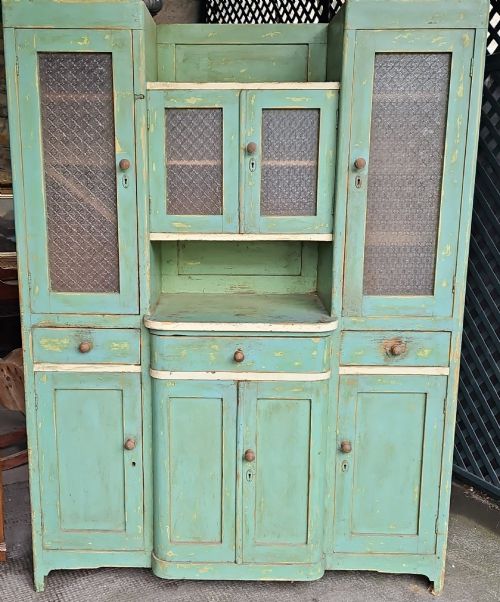


Traditional Kitchen Housekeeper Cabinet
A traditional kitchen housekeeper cabinet is a capacious utility piece designed to store provisions and linens, offering sturdy historical charm for modern domestic spaces.
Traditional Kitchen Housekeeper Cabinet
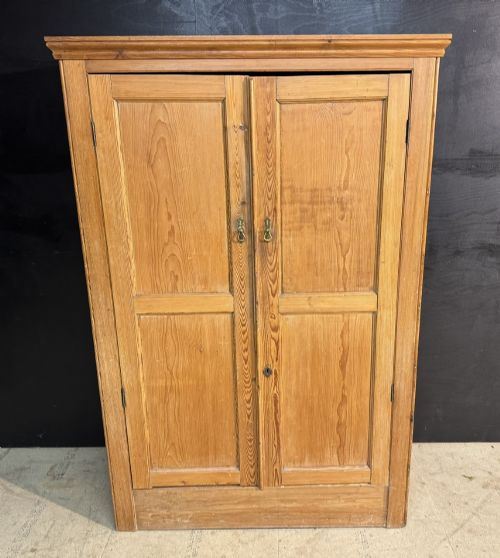
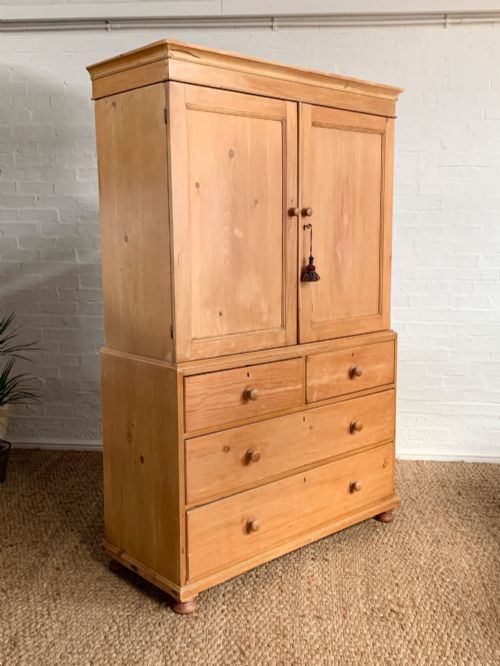
A traditional kitchen housekeeper cabinet is a robust storage piece built to hold provisions, linens, and domestic utensils in large homes. The examples seen on this page span several centuries, with a strong representation of 19th-century and Victorian pieces.
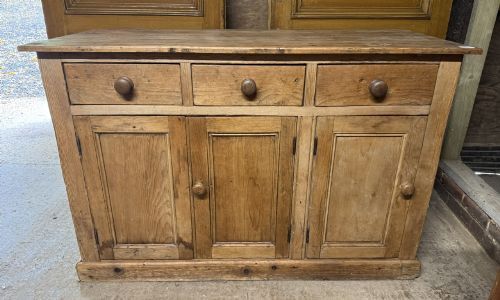
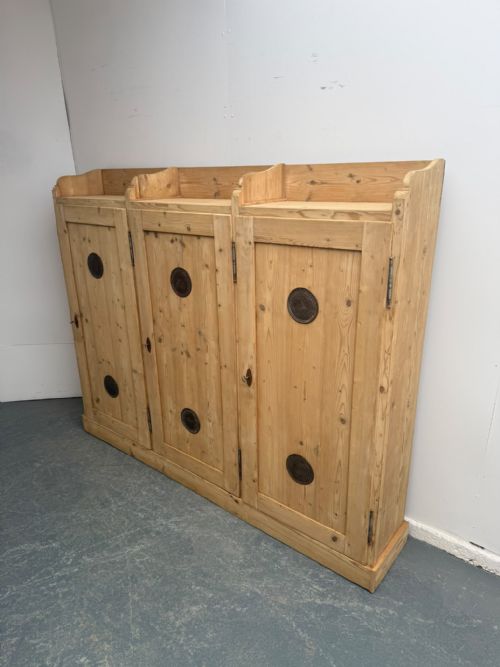
You will encounter various functional forms including larder cupboards, scullery cupboards, housemaids cupboards, and kitchen dressers. These items originate from periods ranging from the 18th century through to the mid 20th century.
Construction styles lean towards vernacular and utilitarian aesthetics, featuring Victorian country, rustic country, and English country traditions. Simpler pieces sit alongside painted finishes and Gustavian Swedish examples.
Materials and construction methods
Makers utilised native timbers predominantly, with pine and oak forming the vast majority of surviving carcasses. Mahogany and mixed woods appear occasionally in grander vernacular formats.
Surface treatments range from bare stripped timber and waxed finishes to applied paint and folk art decorations. Iron and brass hardware such as hinges and latches provide the functional mechanics for doors and drawers.
Listings feature pine and oak as the primary woods, spanning the 18th, 19th, and early 20th centuries in various regional English and Swedish styles.
What separates the finest examples
Quality in a traditional kitchen housekeeper cabinet rests upon the integrity of the original timber and the survival of interior configuration such as pegged shelves and linen slides. Unaltered proportions and honest patination distinguish superior utility furniture from heavily restored alternatives.
The sophistication of the joinery and the presence of original painted or waxed surfaces dictate the standing of a piece within this category. Finer iterations display careful panel construction and well-proportioned cornices despite their utilitarian purpose.
The Traditional Kitchen Housekeeper Cabinet Glossary
- Housekeeper cabinet
- A large storage unit historically used in country houses to store dry goods, household linen, and provisions. These pieces typically combine multiple doors and internal shelving.
- Larder cupboard
- A tall ventilated or enclosed cabinet designed for food storage before the advent of refrigeration. Ventilation panels often feature mesh or pierced wooden slats to maintain airflow.
- Scullery cupboard
- A utility cabinet built for harsh back-of-house environments where food preparation and cleaning took place. They are characterised by robust, unpretentious construction.
- Gustavian
- A Swedish neoclassical style originating in the late 18th century, known for pale painted finishes and restrained classical detailing. Pieces in this style offer a lighter visual weight than native British oak examples.
- Patina
- The surface sheen and colour acquired by timber through age, handling, and wax polishing over decades. It serves as a visual indicator of authenticity and continued use.
Traditional Kitchen Housekeeper Cabinet: Frequently Asked Questions
What is a housekeeper cabinet?
A housekeeper cabinet is a large timber storage piece traditionally used in country houses to store provisions, dry goods, and household linens.
These pieces were kept in domestic offices or sculleries under the care of the housekeeper, functioning as the central storage hub for the home.
How were these cabinets used?
They served primarily for utility and storage rather than display, holding everything from flour and preserves to bed linen and tableware.
Deep shelves and panelled doors kept provisions secure from pests and dust in busy working kitchens.
How do I fit one into a modern kitchen?
A traditional cabinet works well as a pantry unit, freestanding larder, or linen press in a contemporary setting.
Ensure you measure ceiling height and floor space carefully, as these pieces are often exceptionally tall and deep.
How do I tell pine and oak pieces apart?
Pine is a softer softwood that takes paint well and often shows a pale grain or knots when stripped and waxed. Oak is a hard, heavy timber with a pronounced grain pattern and greater structural density.
Oak examples generally date earlier or reflect higher status domestic spaces than standard utility pine.