


Victorian Painted Ceramic Jar
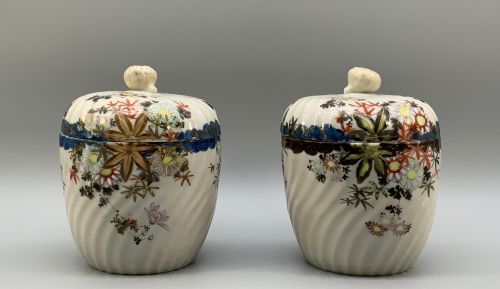
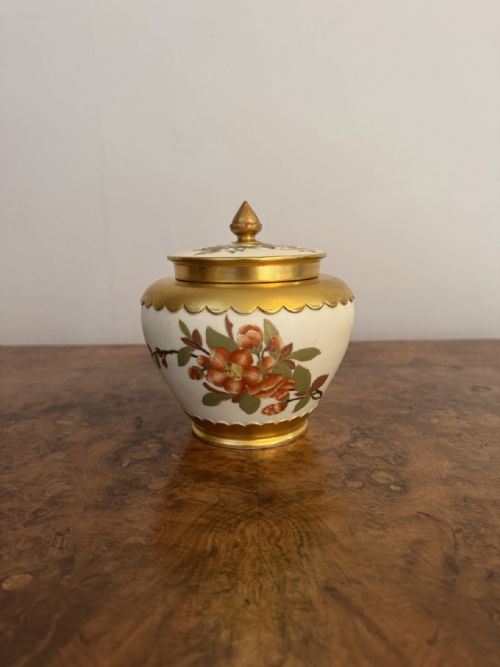
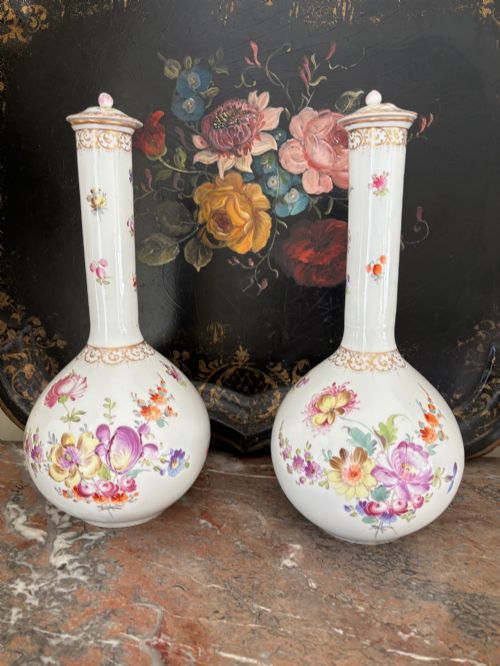
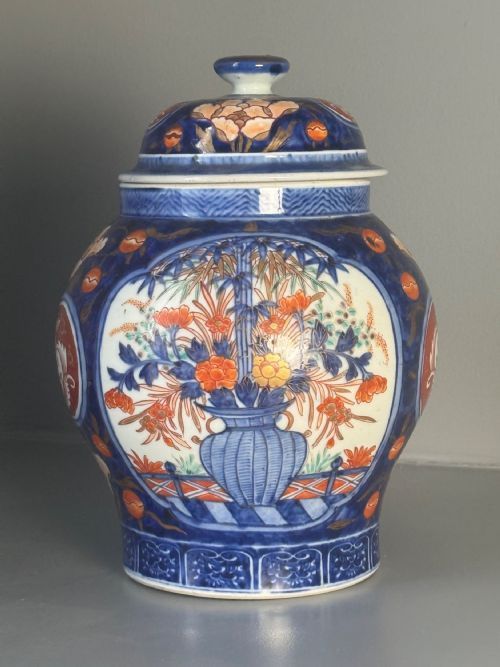
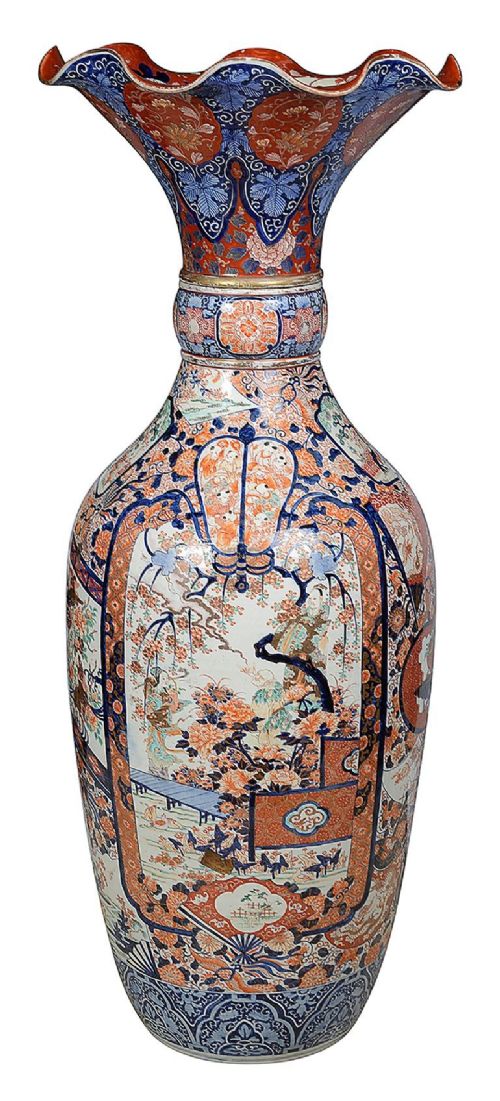
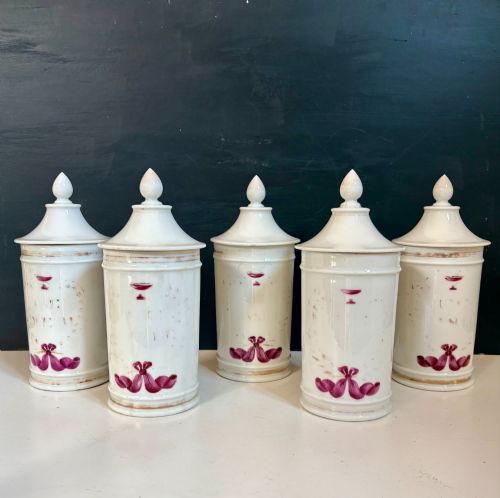
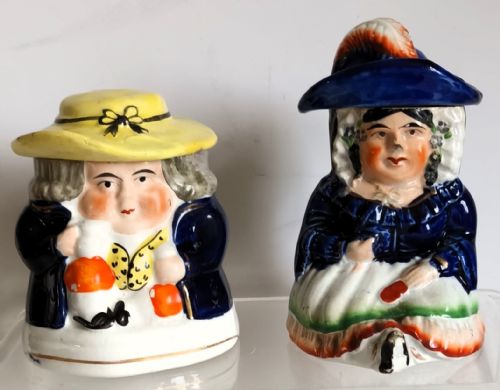
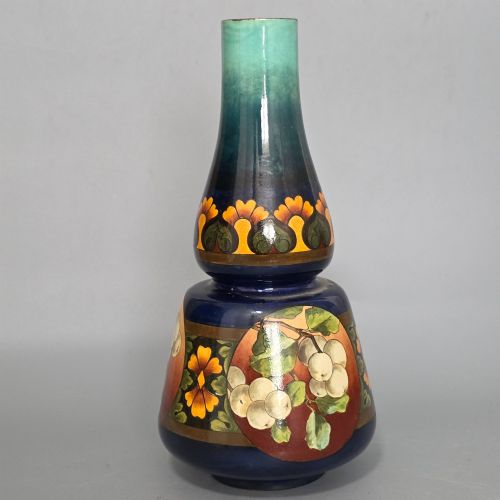
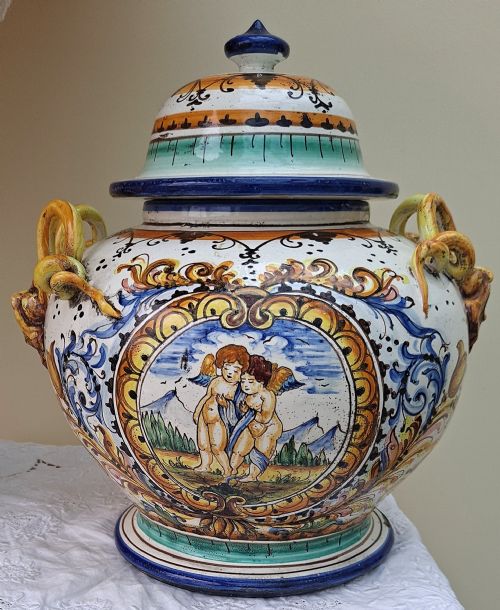
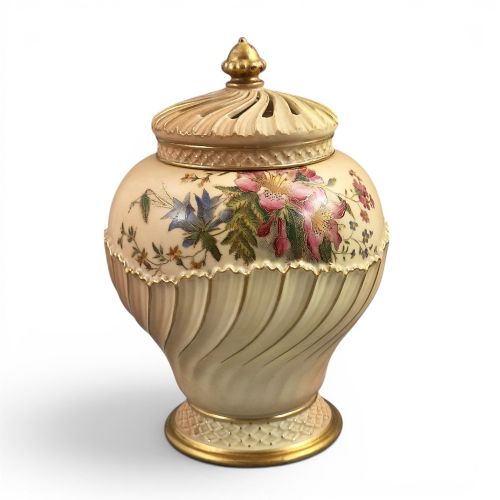
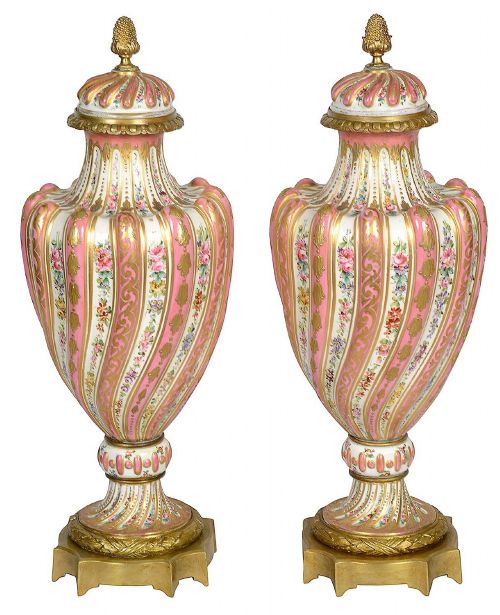
These Victorian painted ceramic jars bring hand-painted floral decoration and period colour to a room.
Victorian Painted Ceramic Jar
A victorian painted ceramic jar encompasses lidded pots, pot-pourri vessels and tobacco jars produced across the nineteenth century and into the early twentieth century. These objects served functional storage roles or stood purely as decorative centrepieces in period interiors.
Lidded jars and urns dominate the offerings, often appearing as matched pairs with bulbous forms and removable covers. Tobacco jars and apothecary vessels also surface among the domestic utilitarian forms.
How they were made
Potters shaped ceramic and porcelain bodies on wheels or cast them in moulds before applying glazes and hand-painted pigments. Artisans then fired the pieces in kilns to vitrify the body and fix the polychrome decoration.
Gilding, gold leaf and enamel embellishments frequently overlay the base glaze, sometimes complemented by silver-plated mounts on biscuit barrels. Potters utilised specialised blue grounds, blush ivory finishes and transfer printing alongside freehand brushwork.
Some swans painted by C Baldwyn glide across porcelain surfaces forever.
What varies in quality
Quality rests on the precision and artistry of the hand-painted decoration, where fine brushwork and considered colour palettes elevate a piece above standard transfer-printed wares. The reputation of the pottery and the crispness of the porcelain moulding also dictate distinction.
Condition plays a part, particularly the preservation of delicate gilding, enamel details and matching covers. Intricate modelling on handles and finials separates utilitarian vessels from master-potter exhibition pieces.
Royal Worcester·Sitzendorf·Doulton Lambeth·Alice Euphemia Thatcher·Samuel Alcock·Helena Wolfsohn·C Baldwyn
The Victorian Painted Ceramic Jar Glossary
- Blush ivory
- A matte cream-coloured ceramic ground developed by Royal Worcester that mimics the tone of ivory. It provides a soft backdrop for delicate overglaze floral painting.
- Imari
- A style of Japanese export porcelain characterised by underglaze blue and iron-red combined with gold. European factories frequently copied these distinct patterns.
- Pot-pourri
- A vase or jar featuring a pierced cover designed to diffuse the scent of dried flowers and spices placed within. These vessels often take bulbous or urn-like forms.
- Maiolica
- Tin-glazed earthenware produced in Italy and other European centres, known for bright painted colours on an opaque white glaze. Pieces often depict classical scenes or floral motifs.
- Faience
- European tin-glazed earthenware similar to maiolica, produced extensively in France, Germany and England. The technique allows for fluid painted decoration directly onto the unfired glaze.
Victorian Painted Ceramic Jar: Frequently Asked Questions
What is a Victorian painted ceramic jar used for?
These vessels originally held tobacco, pot-pourri or dried herbs in domestic interiors. Today they function as decorative ornaments on mantelpieces, side tables and shelves.
Their lidded forms make them practical for concealing small items while adding period colour and ceramic craftsmanship to a room.
Are these jars sold with their original covers?
Many lidded jars and urns retain their matching original covers, which form an integral part of the vessel's silhouette. Pierced covers usually indicate pot-pourri function, while solid lids suited tobacco or storage jars.
Checking the interior rim of both lid and jar reveals whether the components were fired and glazed as a matched pair.
How do I care for antique ceramic jars?
Dust the exterior gently with a dry, soft cloth to protect delicate overglaze enamel painting and gold leaf gilding. Avoid using liquid cleaners or abrasive materials that can strip the glaze or pigments.
Keep pieces away from direct sunlight and areas prone to heavy temperature fluctuations to preserve the ceramic body.